 Shenzhen, Guangdong, China
1. Executive Summary & Information Gain: Re-Engineering 3D Pixel Arrays
In contemporary concert touring, immersive nightclub architecture, theme park installations, and dynamic interior atriums, the 3D hanging DMX LED pixel tube has evolved from a simple visual novelty into a fundamental building block of 3D spatial video mapping. Unlike conventional single-sided linear LED strips or flat 2D LED video walls, a 3D hanging LED pixel tube features a double-sided internal PCB layout enclosed within a 360-degree impact-resistant, optical-grade PC (Polycarbonate) milky diffuser. This geometry guarantees continuous visibility from every viewing angle, allowing lighting designers to translate volumetric video content into live physical space.
However, implementing large-scale 3D pixel matrices—often spanning hundreds or thousands of suspended vertical tubes—presents substantial electrical engineering, thermal management, and signal topology challenges. Procurement managers and lead lighting engineers regularly encounter severe technical issues with low-tier suppliers: uncorrected voltage drop causing color shift (yellowing/reddening at tube ends), low refresh rates producing noticeable flicker on camera, fragile signal wiring failing under kinetic winch motion, and poor IP sealing leading to moisture ingress during outdoor festival tours.
At Shenzhen Fuvin Led Technology Co., Ltd., we address these challenges through advanced hardware engineering, premium component selection, and rigorous manufacturing controls. This comprehensive guide serves as an operational benchmark for lighting designers, system integrators, stage rental firms, and global wholesale distributors seeking high-performance, ultra-reliable 3D hanging DMX LED pixel tubes.
Need Custom Lengths or RDM Addressable 3D Tubes?
Work directly with Shenzhen Fuvin Led Technology Co., Ltd. engineers for custom ICs, cable length, and housing specs.
2. Technical Deep Dive: Signal Topology, Voltage & Grayscale Performance
Selecting the correct control architecture and internal protocol is critical for system stability across expansive 3D pixel grids. The two predominant control schemes utilized in 3D hanging LED tubes are standard SPI (Serial Peripheral Interface) and DMX512 (RS-485 differential signal protocol).
DMX512 vs. SPI: Structural Signal Comparison
While SPI pixel tubes (such as UCS2904, WS2812B, or SK6812) offer cost benefits for smaller static installations, professional high-density stage arrays demand DMX512 protocol (utilizing chips like UCS512, TM512AC, or GS8512). Below is an engineering comparison matrix:
| Parameter | DMX512 / RDM (UCS512 / TM512) | Standard SPI (UCS2904 / WS2812B) |
|---|---|---|
| Signal Type | Differential RS-485 (A/B data lines) | Single-ended TTL Data (or Data + Clock) |
| Anti-Interference | High noise immunity over long cable runs | Susceptible to EMI/RFI interference > 5-10m |
| Fault Tolerance | Parallel signal connection; single IC failure won't interrupt downstream tubes | Series connection; single dead IC cuts off subsequent pixels |
| Addressing | Manual or RDM writeable via handheld writer | Hardcoded sequential IC indexing |
| Maximum Distance | Up to 300 meters between signal repeaters | Typically under 10 meters without active signal line drivers |
| Best Application | Kinetic stage rigs, large venue ceilings, outdoor facades | Short static installations, decorative residential/commercial |
16-Bit Grayscale & Broadcast Camera Compatibility
Conventional 8-bit LED driver ICs provide 256 levels of brightness per color channel (R, G, B, W). At low dimming levels (0.1% to 10%), 8-bit systems exhibit visible stepped jumps rather than smooth, continuous fades. Furthermore, low PWM refresh rates (under 1,000Hz) cause dark banding lines and flicker when captured by broadcast television cameras or high-speed cinema optics.
To resolve this, Shenzhen Fuvin Led Technology Co., Ltd. integrates true 16-bit IC options (such as UCS8904 or UCS7604) into our advanced 3D hanging pixel tube lines. Operating with 65,536 grayscale levels per channel and ultra-high PWM refresh rates exceeding 3,000Hz to 7,680Hz, our 16-bit pixel tubes deliver flawless, broadcast-quality dimming performance free of flicker or stepping artifacts.
DC24V Voltage Drop Mitigation in Long Vertical Drops
In a 2-meter 3D hanging tube containing 128 high-brightness LEDs, current consumption can exceed 30 Watts per tube. Operating at DC5V or DC12V requires high amperage, leading to severe voltage drop, trace heat generation, and visible color shifts toward the bottom of the fixture. By standardizing on DC24V constant-voltage circuits, current draw is reduced by 50% compared to DC12V, allowing uniform brightness across 2.0m drops and permitting extended power-daisy-chaining without mid-tube power re-injection.
3. Comprehensive Product Recommendations for 3D Hanging DMX Pixel Tubes
To meet diverse budget constraints, mechanical loads, and environmental demands, Shenzhen Fuvin Led Technology Co., Ltd. manufactures three primary series of 3D hanging pixel tubes:
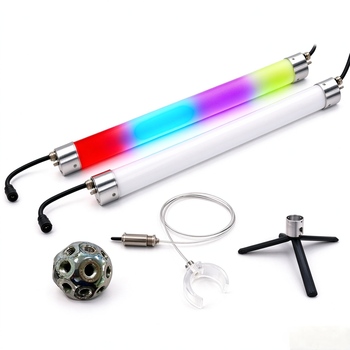
Pro-Series Ø40mm 3D DMX512 Hanging Pixel Tube
Engineered for high-impact venue ceilings and kinetic stage rigs. Features dual-sided 3D pixel layout, robust aluminum top/bottom endcaps with heavy-duty strain relief steel eyelets, and IP65/IP67 rated connectors.
Send an Inquiry
Ultra-Fine 16-Bit Kinetic 3D Vertical Tube
Designed for broadcast studios, concert tours, and premium nightlife. Delivers 65,536 grayscale dimming levels, zero camera flicker (>3840Hz PWM), and precise physical weight matching for kinetic winch synchronization.
Send an Inquiry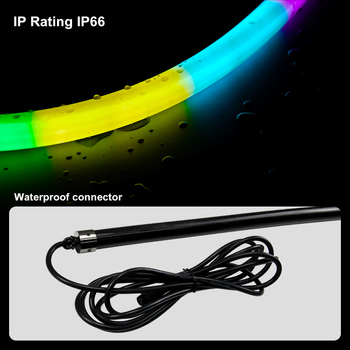
Heavy-Duty Exterior Architectural 3D Hanging Bar
Built for permanent outdoor installations on bridge under-structures, building entryways, and theme parks. Silicone potting ensures complete waterproof performance from -25°C to +60°C.
Send an Inquiry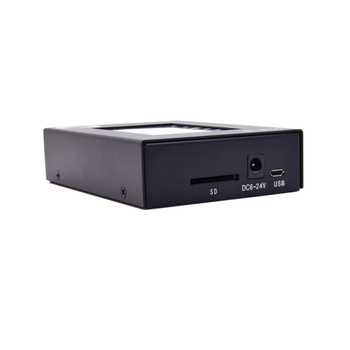
Handheld Touch-Screen DMX / RDM Address Writer
Essential field tool for lighting technicians. Instantly write DMX starting addresses, test RGBW channel order, verify signal integrity, and perform on-site diagnostic checks without a console.
Send an Inquiry4. Future Industry & Procurement Trends (2025–2030)
As global B2B buyers evaluate long-term lighting investments, four critical technical trends are shaping the future of 3D hanging DMX LED pixel tubes:
- 1. Full Integration with Intelligent Kinetic Winch Systems: Modern stage design increasingly relies on motorized winch systems that dynamically raise and lower hanging tubes in real-time sync with audio and lighting cues. Future-proof pixel tubes require integrated strain-relief cabling, high-flex internal copper tracks, lightweight yet rigid extruded PC housings, and standardized physical weight metrics to prevent motor wear or mechanical cable snap during high-speed kinetic acceleration.
- 2. Universal Transition to RDM (Remote Device Management): Manually setting DMX addresses on hundreds of hanging tubes installed 10 meters overhead is labor-intensive and prone to human error. RDM enables lighting consoles or handheld writers to query fixture status, auto-assign DMX addresses bidirectionally, and report thermal or voltage anomalies over the existing RS-485 data cables.
- 3. Expansion into Full RGBW and Tunable White Spectra: RGB-only pixel tubes often produce poor, artificial white tones (low CRI < 70). Modern architectural and broadcast projects demand RGBW (with 3000K, 4000K, or 6000K dedicated white LED die) or Tunable White (WWA) configurations, elevating the Color Rendering Index (CRI) to 90+ for true skin-tone fidelity on camera.
- 4. Sustainable Modular Design & IP68 Quick-Disconnect Loom Cabling: Environmental compliance and low maintenance costs drive demand for modular hanging tubes. Internal LED strips, endcaps, diffusers, and water-sealed cable glands must be individually field-replaceable without replacing the entire fixture assembly.
Planning a Kinetic Matrix or Large-Scale Venue Rig?
Request an OEM quote, custom DMX universe layout calculation, or physical factory samples today.
5. Factory Manufacturing Excellence & Quality Assurance Workflow
High reliability in 3D hanging pixel tubes is not achieved by chance—it requires complete manufacturing transparency and stringent Quality Control (QC) at every stage. As an SGS-verified custom manufacturer, Shenzhen Fuvin Led Technology Co., Ltd. operates an end-to-end production workflow designed specifically for professional export markets.
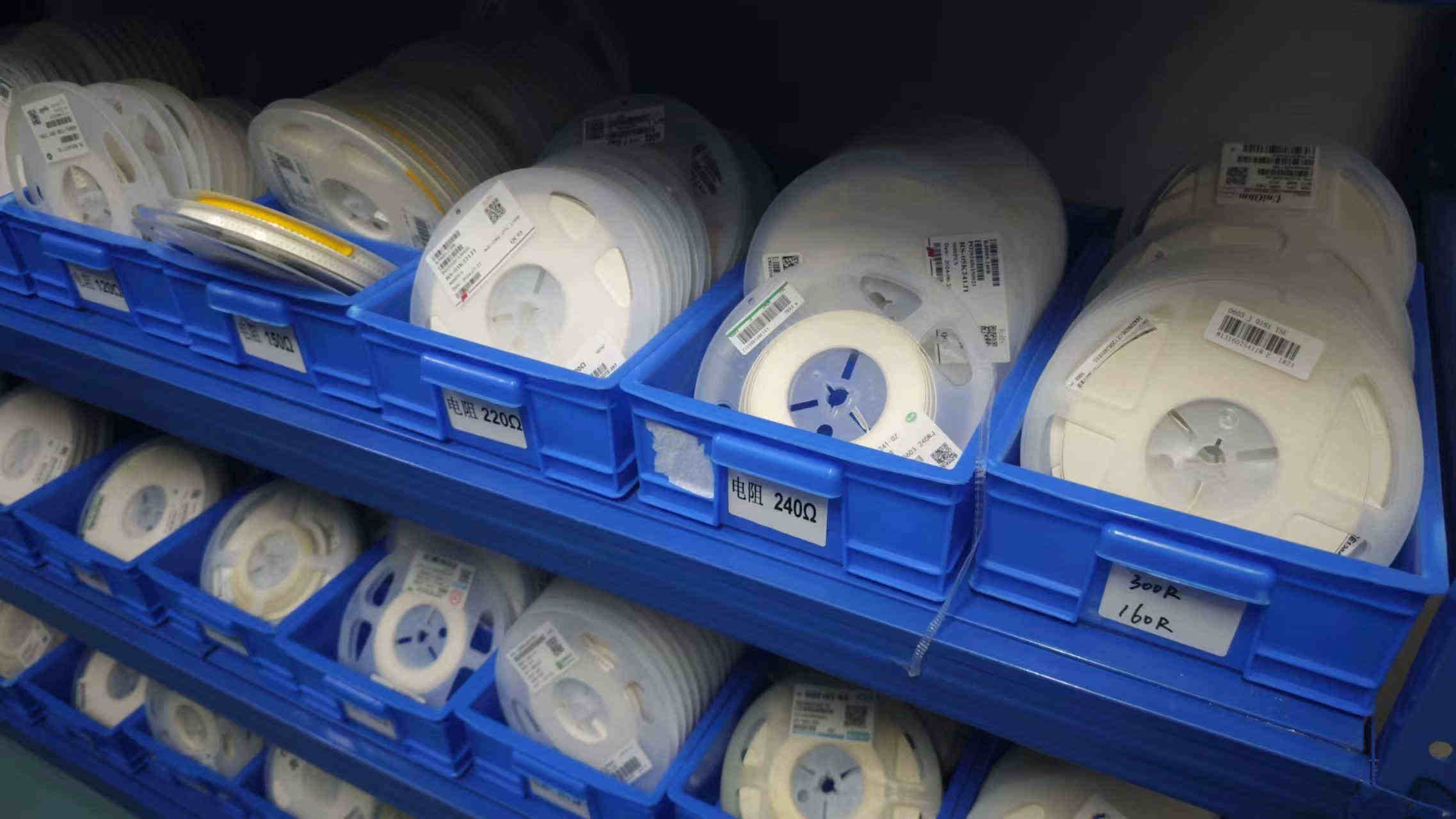
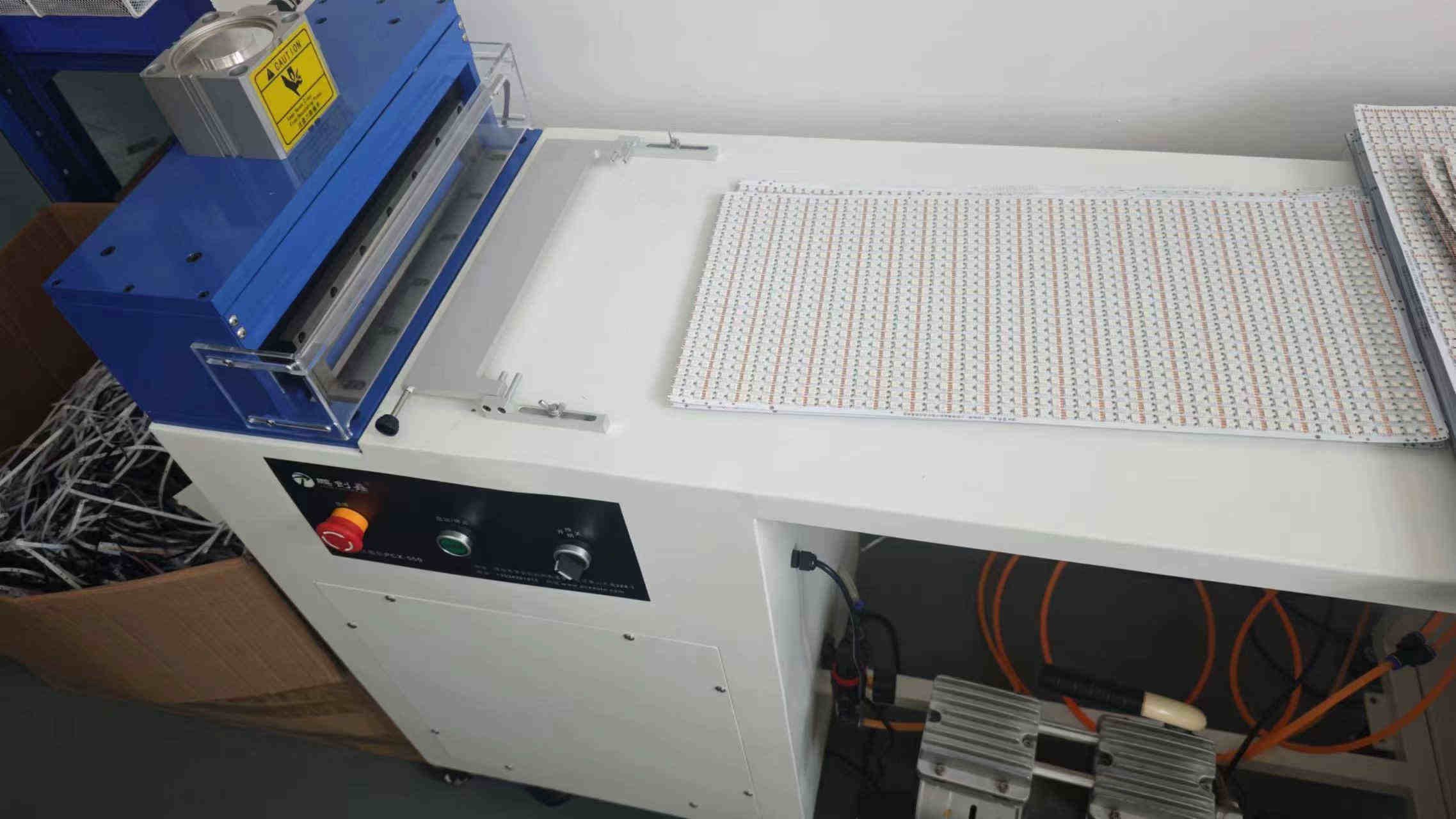
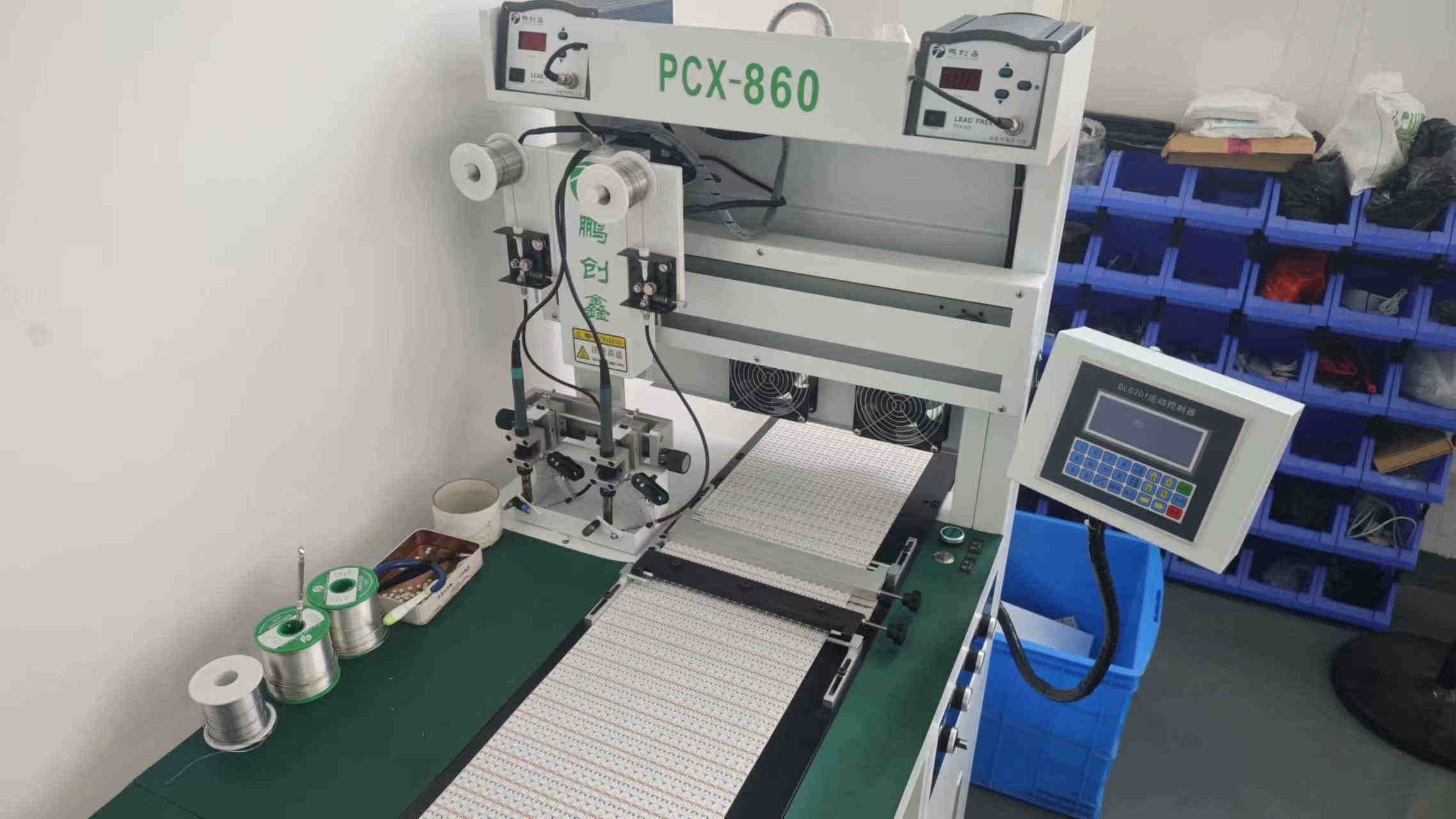
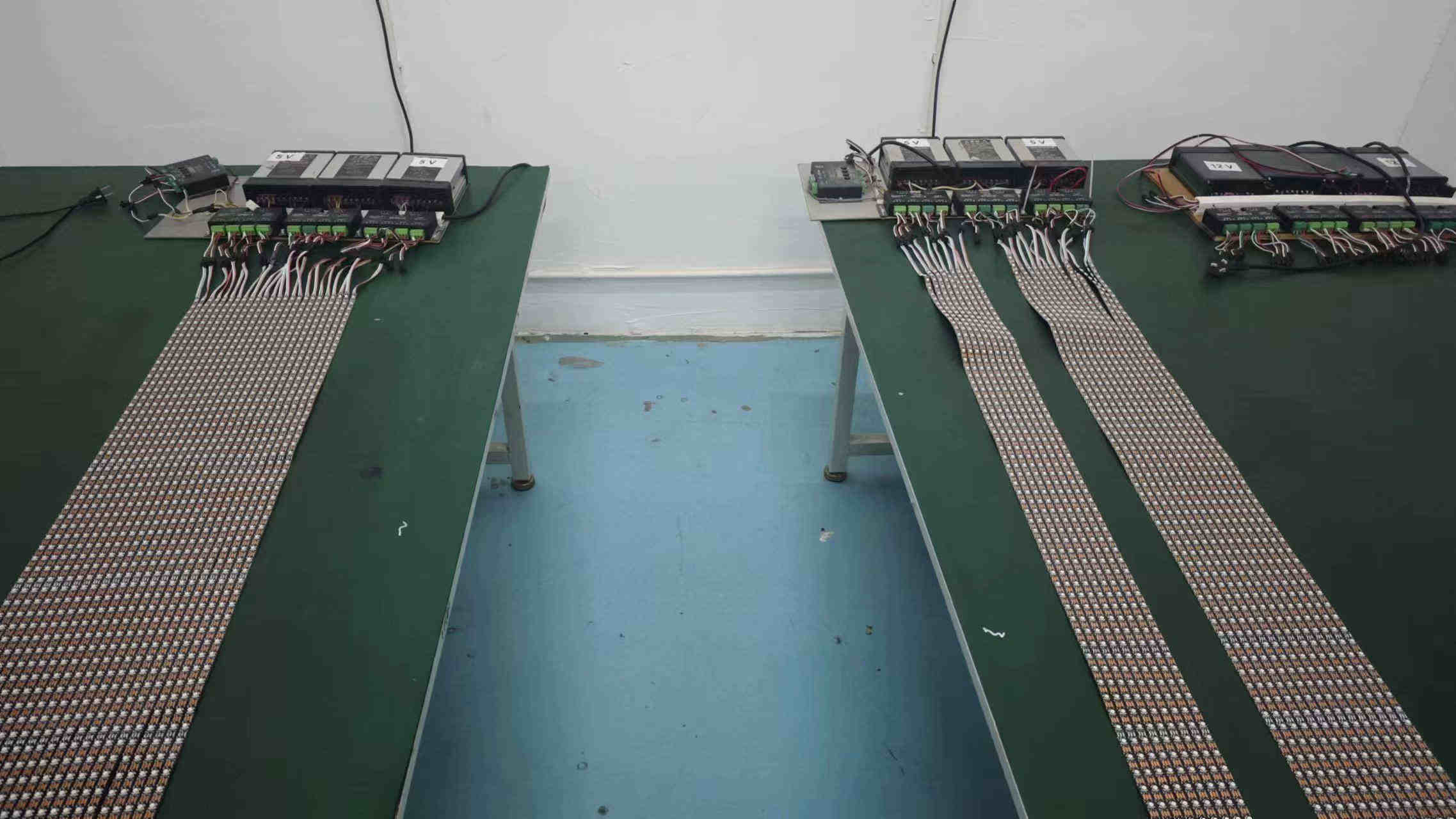
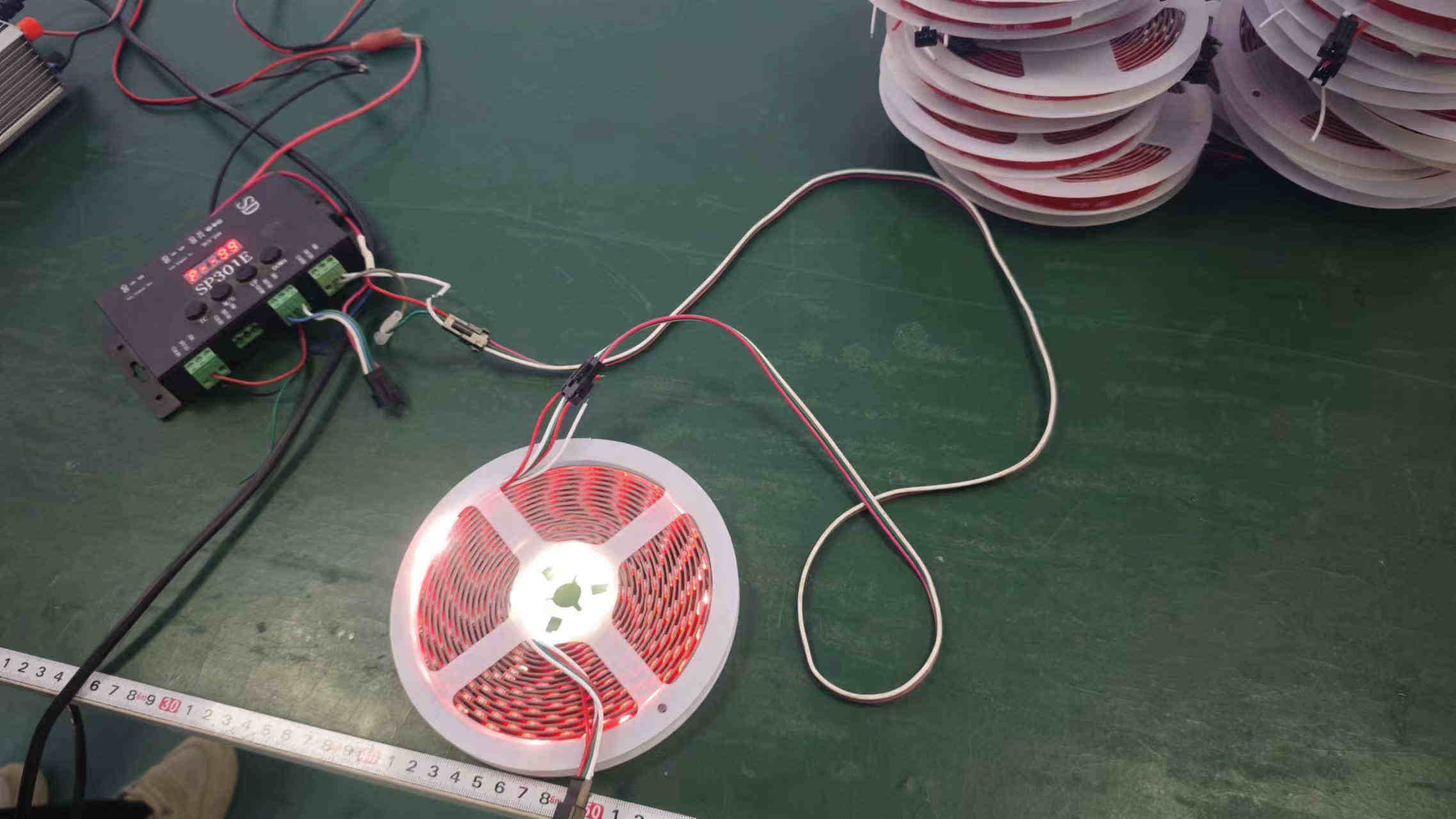
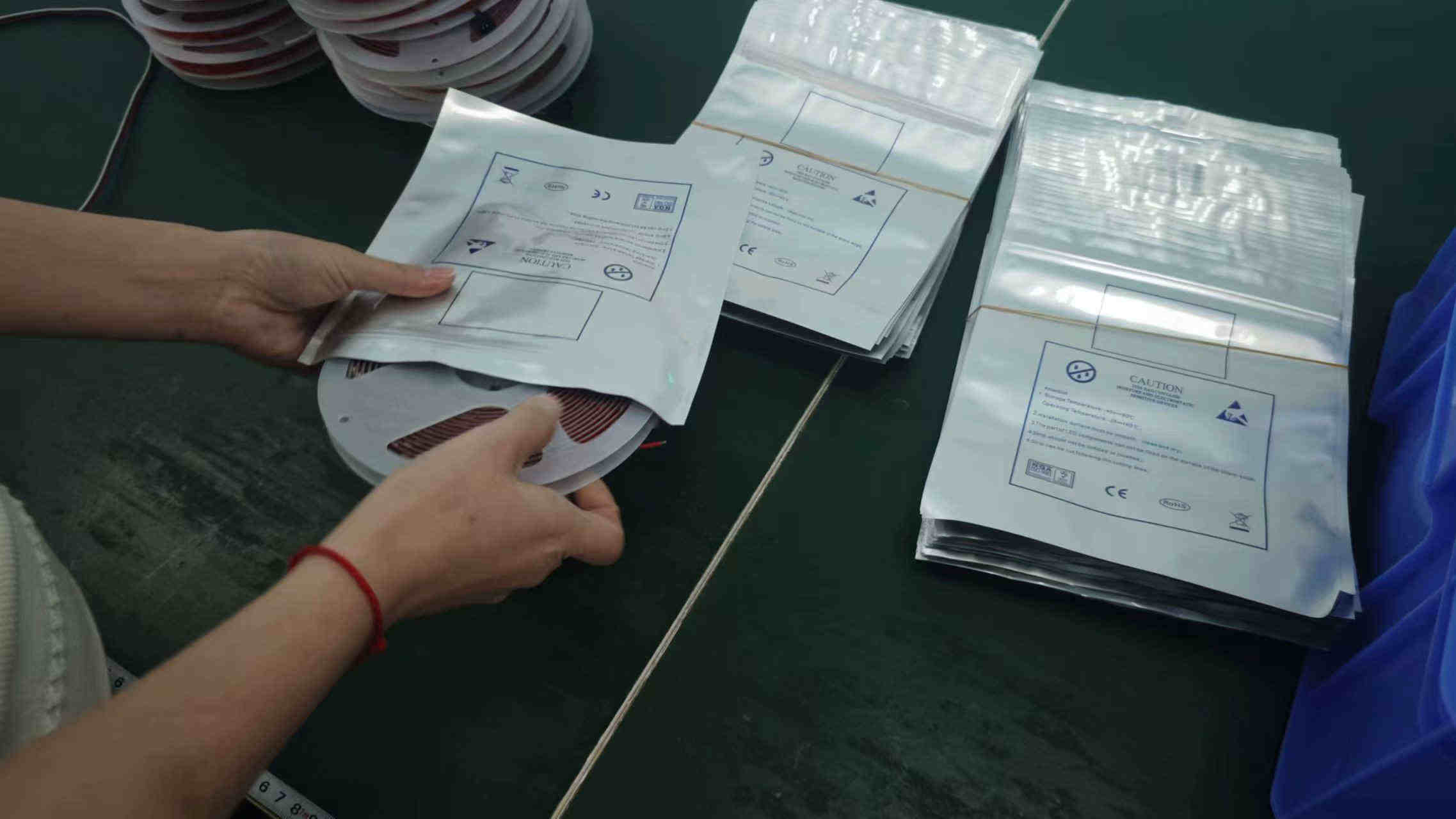
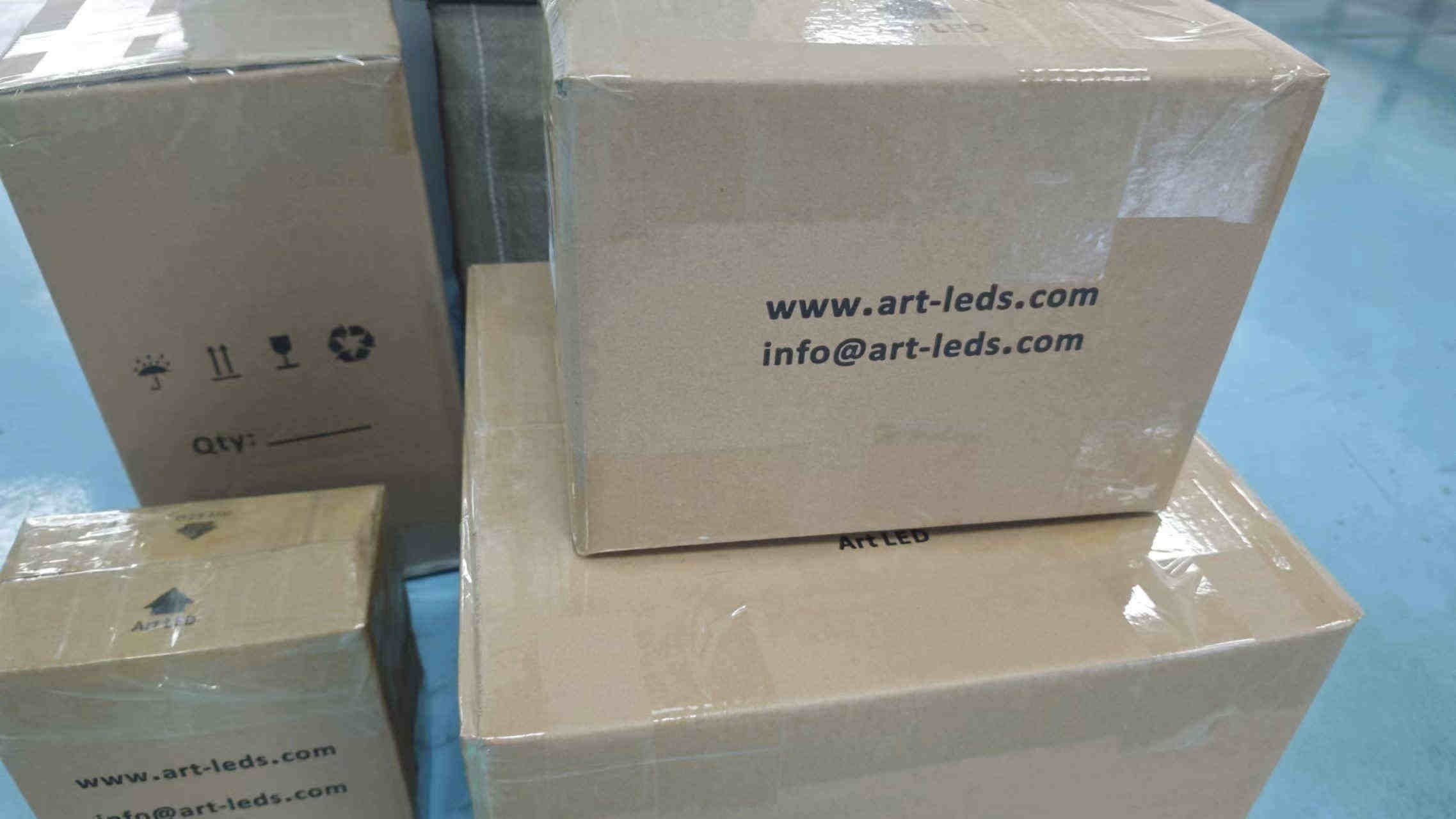
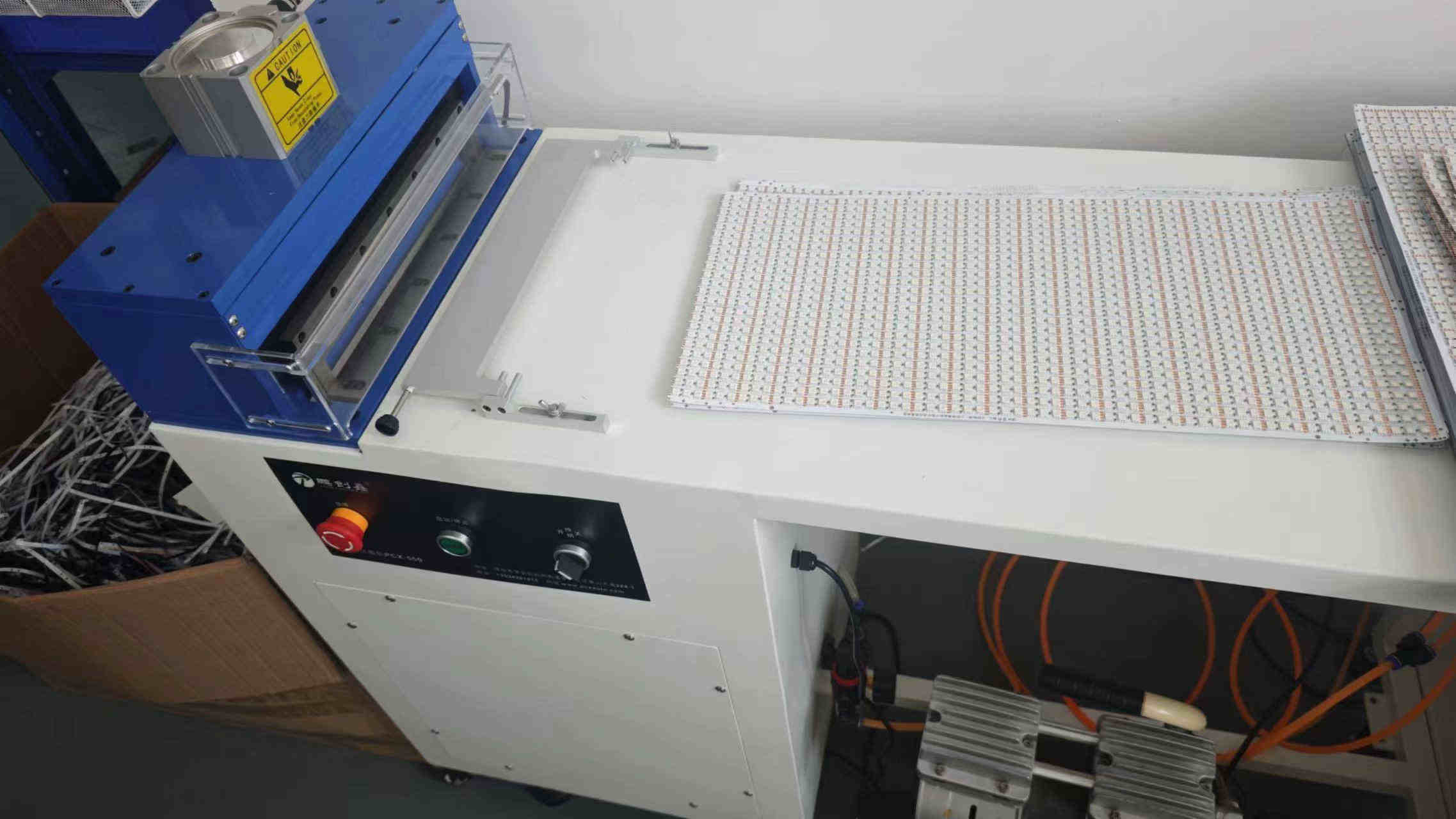
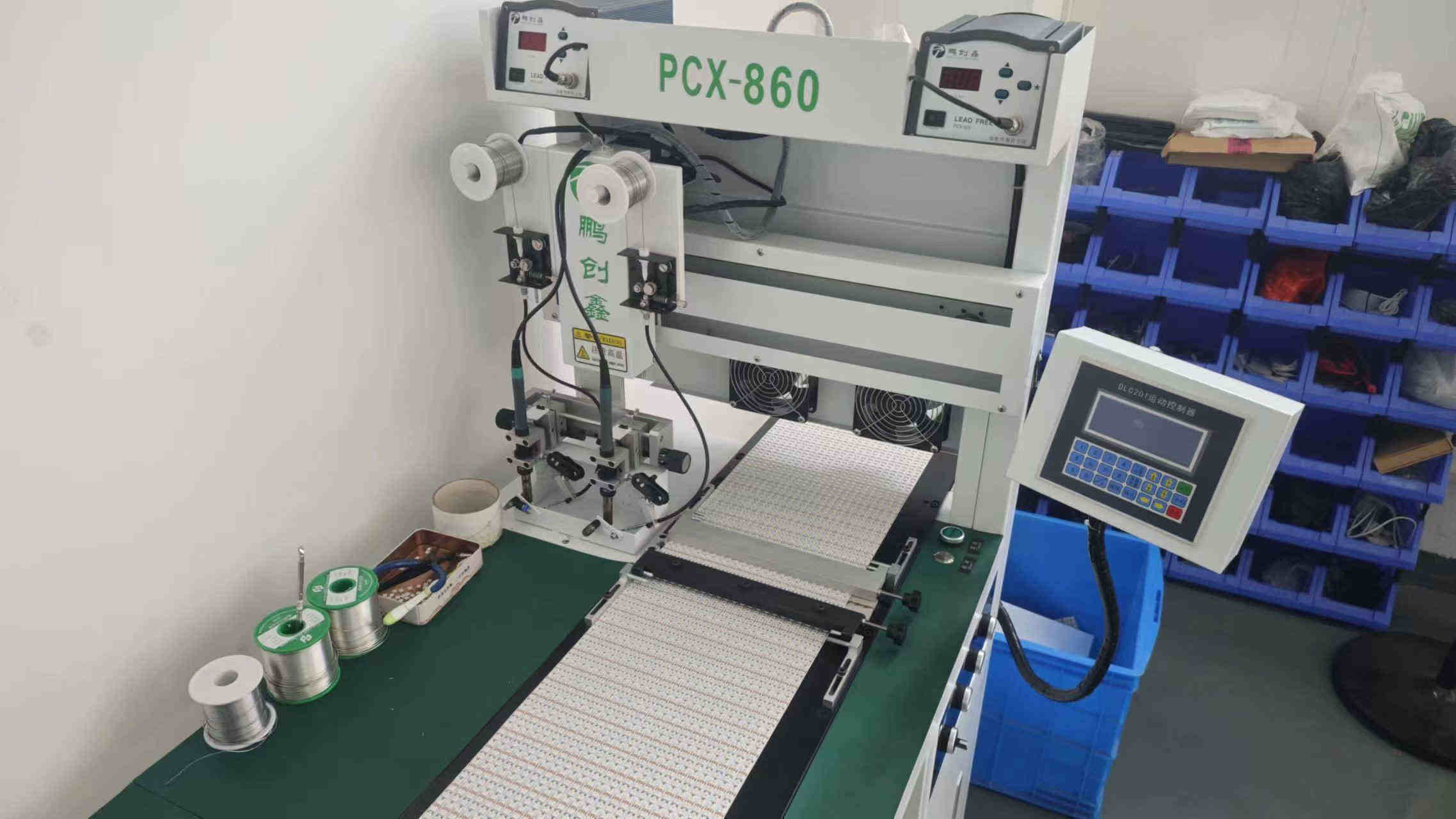
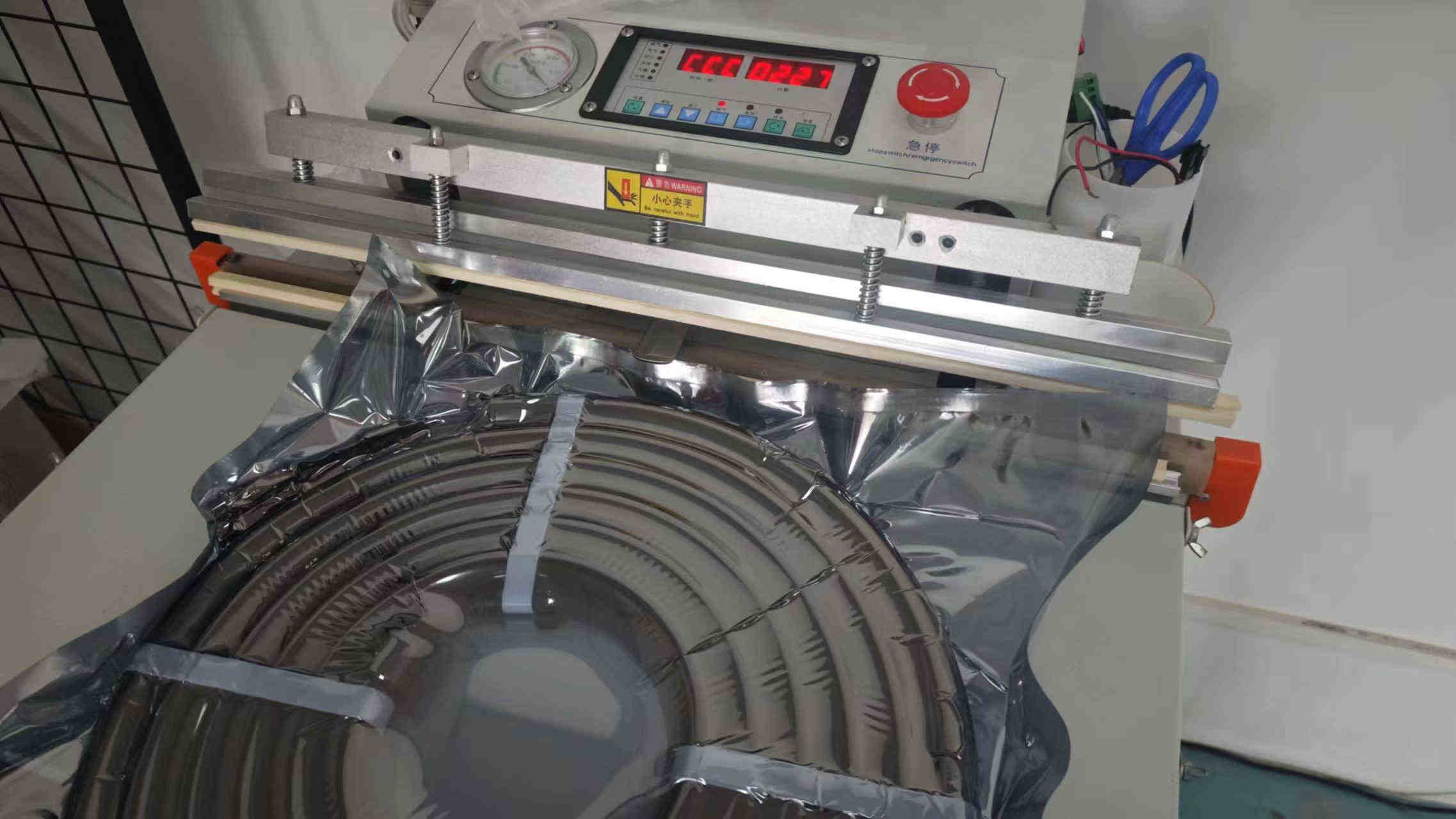
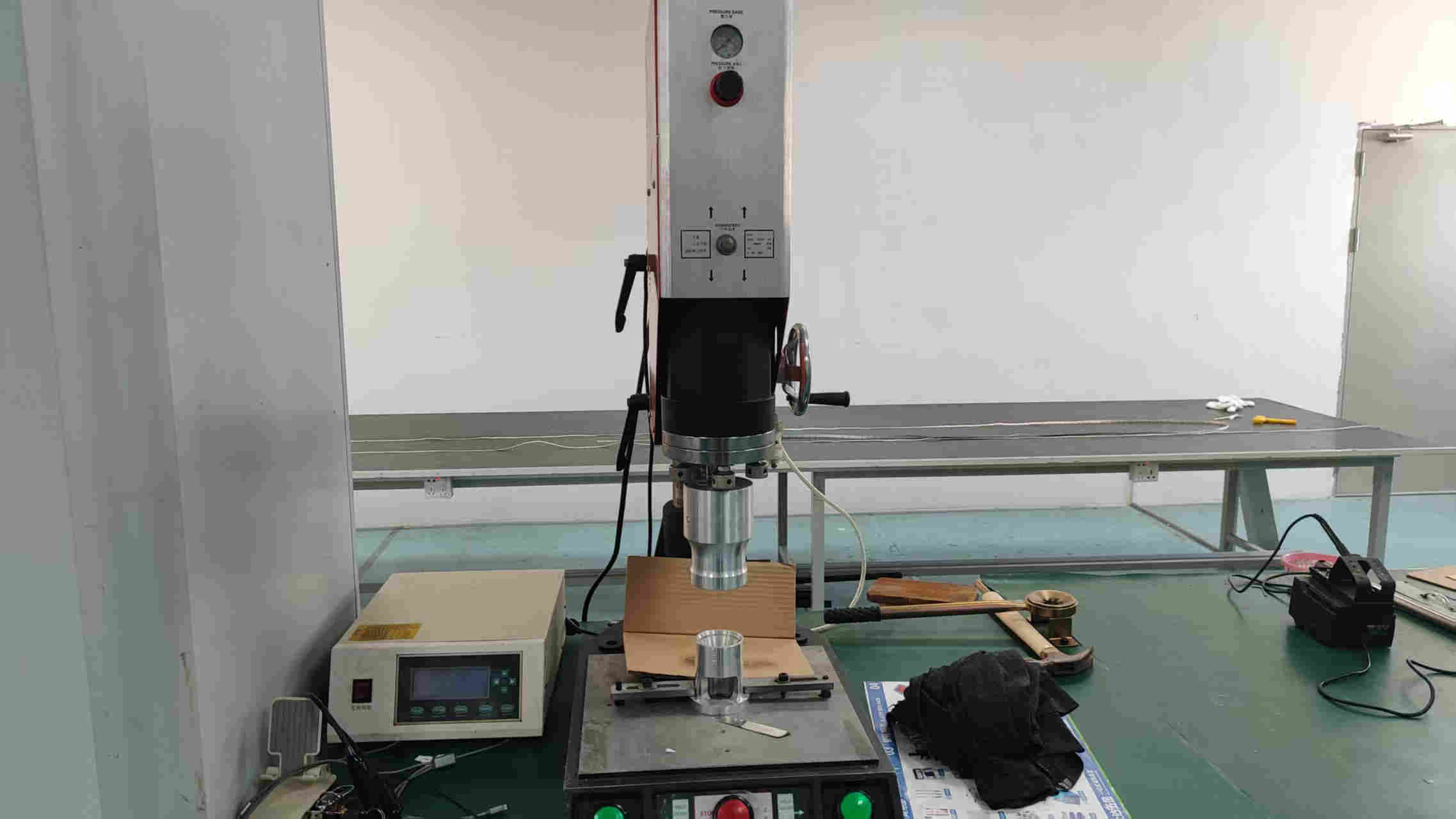
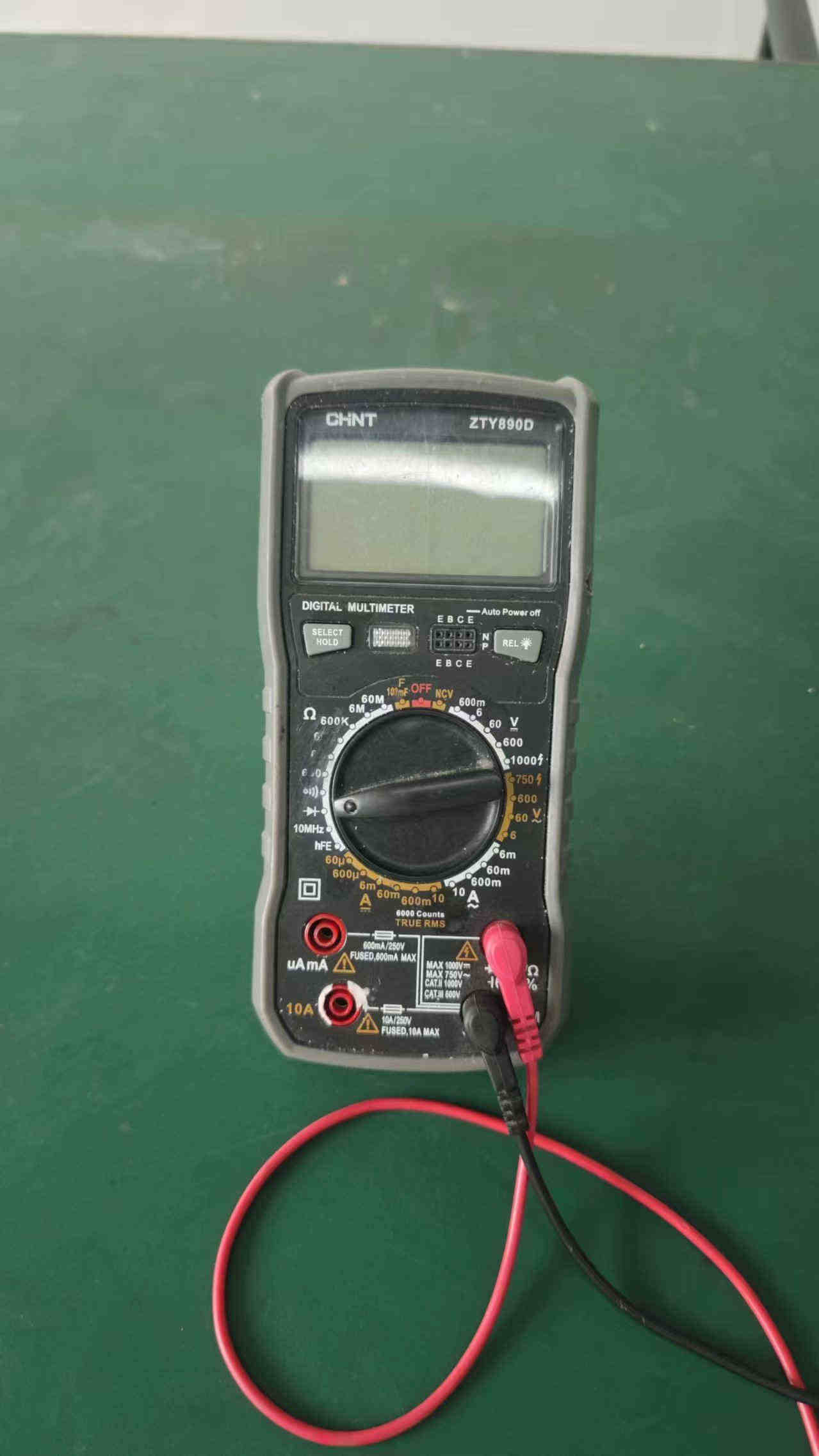
Our internal 12-step manufacturing process covers incoming raw material verification, automated high-speed SMT assembly, precision ultrasonic housing welding, vacuum-sealed moisture proofing, and 100% full-load powered aging tests. Below is an inside view of our factory capabilities:
6. B2B Technical FAQ: Critical Answers for Engineering & Procurement
One standard DMX universe contains 512 control channels. For a 3D RGB pixel tube with 16 pixels per tube, each pixel uses 3 channels (Red, Green, Blue), totaling 48 DMX channels per tube. Dividing 512 by 48 gives 10 full tubes per DMX universe (480 channels utilized). If using RGBW 4-channel pixels, each tube requires 64 channels (16 x 4), allowing exactly 8 tubes per universe. When interfacing with ArtNet or sACN controllers, multi-universe nodes convert Ethernet data into dedicated DMX universe outputs to drive grids of 100 to 500+ hanging tubes seamlessly.
Kinetic winch installations subject suspended fixtures to dynamic load acceleration, braking inertia, and continuous vibration. Fixtures must feature internal stainless-steel safety cables running through the entire length of the tube, anchoring top suspension eyelets directly to bottom structural caps. Cable connectors must utilize threaded IP67/IP68 locking collars to prevent mechanical separation during high-speed motion. At Shenzhen Fuvin Led Technology Co., Ltd., all kinetic-line pixel tubes undergo rigorous tensile load testing prior to shipment.
Polycarbonate (PC) offers vastly superior impact resistance, structural flexibility, and thermal tolerance compared to Acrylic (PMMA). During touring setup and teardown, acrylic tubes crack or shatter easily under impact. Furthermore, Shenzhen Fuvin Led Technology Co., Ltd. uses UV-stabilized milky PC diffusers that prevent housing yellowing or brittle degradation under outdoor sunlight exposure, maintaining uniform light transmission (>88%) over years of operation.
For standard DMX512 or SPI 3D hanging tubes, our sample production turnaround is typically 3 to 5 working days. For custom OEM lengths, specialized IC requests, or custom wire harness assemblies, engineering samples are produced within 7 to 10 days. We maintain flexible MOQ policies to support project prototypes, small venue installations, and large distributor stock orders.
7. Corporate Strength & The Shenzhen Fuvin Led Advantage
Founded in 2016 in the high-tech manufacturing hub of Shiyan, Shenzhen, Shenzhen Fuvin Led Technology Co., Ltd. has established itself as an SGS-verified premier manufacturer of professional addressable LED pixel systems. Serving lighting designers, stage rental firms, system integrators, and wholesale distributors across Western Europe, North America, Oceania, and the Middle East, our company combines deep R&D expertise with flexible OEM/ODM manufacturing capability.
Our state-of-the-art facility features automated SMT surface-mount lines, high-precision CNC cutting, ultrasonic endcap welding, and dedicated 48-hour powered aging racks. With certified compliance across CE, RoHS, Declaration of Conformity (DoC), and select UL/cUL listed models, we ensure smooth customs clearance and regulatory peace of mind for international buyers.
- SGS Onsite Inspection Verified: Legal status, factory footprint, and manufacturing lines independently audited.
- 100% Quality Screening: Every batch subjected to multimeter electrical verification, thermal burn-in, and full functional lighting tests.
- Comprehensive System Testing: We test pixel tubes together with ArtNet controllers, power supplies, and cabling as a unified system before packing.
- Direct Technical Support: Our lighting engineers provide wiring schematics, DMX universe layout planning, and power injection calculations free of charge.
Connect with Our Pixel Engineering Team
Send us your project drawings, fixture quantities, or technical specifications. Receive a comprehensive quotation and technical proposal within 12 hours.