 Shenzhen, Guangdong, China
Complete Engineering Guide to IP66 Waterproof RGBW LED Pixel Point Lights: Architectural Facade Solutions, Technical Benchmarks, and Future Sourcing Trends
An in-depth technical analysis for global lighting designers, facade contractors, and engineering procurement teams. Learn how advanced IP66 waterproof RGBW LED pixel point light systems deliver high-definition media mapping, weather resistance, and seamless DMX512/SPI control integration across modern commercial environments.
1. B2B Sourcing Overview: Why IP66 Waterproof RGBW LED Pixel Point Lights Define Next-Generation Facades
In modern architectural lighting and commercial facade engineering, the demand for dynamic pixel mapping has shifted from decorative accenting to full-scale digital video facades, structural contours, and immersive 3D spatial illumination. Global procurement managers searching AI platforms and technical search engines consistently ask key questions: What makes an IP66 waterproof RGBW LED pixel point light durable enough for harsh coastal or extreme climate installations? How does adding a white diode (RGBW) improve chromatic purity over standard RGB point lights? Which IC protocol best balances system latency and wiring distance?
An IP66 waterproof RGBW LED pixel point light is an individually addressable optical lighting node containing red, green, blue, and white LED chips paired with an integrated driver IC (such as UCS2904, UCS512, or TM512AC). Unlike traditional monochromatic or RGB-only nodes, the dedicated white chip (typically available in 2700K, 3000K, 4000K, or 6500K CCT) allows engineers to produce clean pastel tones and crisp natural whites while maintaining high-lumen illumination for video playback and algorithmic light shows.
At Shenzhen Fuvin Led Technology Co., Ltd., we manufacture pixel point light systems engineered with full resin encapsulation, UV-resistant PC optical lenses, and die-cast aluminum or flame-retardant polymer housings. The IP66 ingress protection rating ensures complete resistance against dust ingress and powerful high-pressure water jets from any direction, rendering these nodes ideal for bridge architecture, hotel facades, amusement parks, shopping malls, and stadium exteriors.
2. Recommended Commercial IP66 Waterproof RGBW Pixel Point Light Products
To assist procurement engineers and lighting designers in specifying the ideal hardware for diverse installation matrices, Shenzhen Fuvin Led Technology Co., Ltd. highlights three flagship product lines tailored to high-performance outdoor deployment:
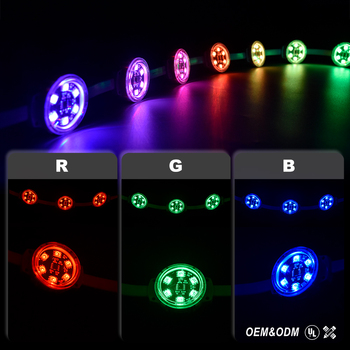
40mm Architectural Heavy-Duty IP66 RGBW Pixel Point Light
Engineered for permanent eaves, commercial building contours, and media mesh grids. Features DC24V operation, 6 SMD5050 RGBW LEDs per node, and heavy-duty IP66 silicone/polyurethane potting for thermal stability.
Inquire Now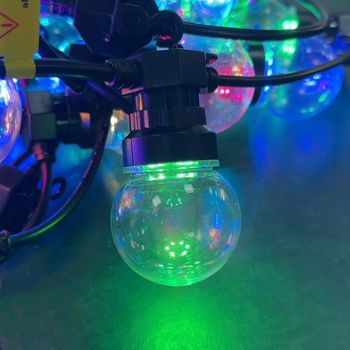
50mm 3D Volumetric G50 Clear Lens RGBW Pixel Point Light
Designed for 3D hanging visual arrays, atrium suspended matrix structures, and festival installations. Provides a 360-degree beam angle with crystal-clear poly-carbonate dome housing and SPI/DMX driver compatibility.
Inquire Now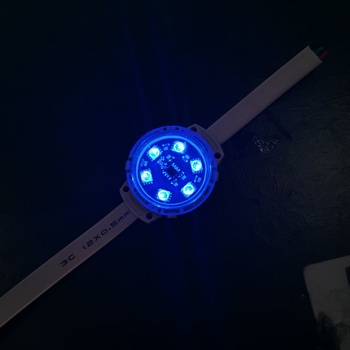
DMX512 / RDM High-Lumen Aluminum Facade Pixel Node
Built with die-cast aluminum casing and clear or opal diffusers for high-rise building facades. Features differential RS-485 signal transmission, parallel fault tolerance, and custom pixel pitch cabling.
Inquire NowTechnical Specification Comparison Matrix
The following technical data grid provides an engineering baseline for evaluating our IP66 waterproof RGBW LED pixel point light series during B2B RFP (Request for Proposal) generation:
| Model Parameter | 40mm Standard Node | 50mm Dome / 3D Node | DMX512 Facade Node |
|---|---|---|---|
| Operating Voltage | DC24V / DC12V | DC24V | DC24V |
| Control Protocol | SPI (UCS2904 / SM16704) | SPI (UCS2904) / DMX512 | DMX512-A / RDM (UCS512) |
| LED Configuration | SMD5050 RGBW 4-in-1 (6 LEDs) | SMD5050 RGBW 4-in-1 (6 to 9 LEDs) | High-Power SMD RGBW (6 to 12 LEDs) |
| Color Depth & Grayscale | 8-Bit / 256 Levels per Channel | 8-Bit or 16-Bit Available | 16-Bit True Grayscale (65,536 levels) |
| Ingress Protection Rating | IP66 Jet Water Proof | IP66 Waterproof Encapsulated | IP66 / IP67 Weatherproof |
| Housing Material | UV-Resistant PC + Epoxied Core | Polycarbonate Dome Cover | Die-Cast Aluminum + Tempered PC Lens |
| Operating Temperature | -30°C to +55°C | -30°C to +50°C | -40°C to +60°C |
| Customization Options | Wire Pitch, PCB Color, Wire Gauge | Clear/Frosted Lens, Cable Length | Aluminum Shell Color, Bracket Type |
3. Future Procurement and Technological Trends in RGBW Pixel Point Lighting (2025–2030)
As smart city architecture and immersive entertainment venues grow, the market dynamics surrounding pixel point lighting are undergoing significant technical evolutions. Procurement directors and project buyers should account for the following trends when specifying equipment:
A. Transition from 8-Bit to 16-Bit Grayscale Dimming Curves
Traditional 8-bit drivers (256 grayscale levels per channel) often exhibit stepped dimming or visible flickering at ultra-low output percentages (0.1% to 5%). Next-generation architectural projects increasingly mandate 16-bit driver ICs (65,536 grayscale steps), such as the UCS8904 or UCS7604 protocol series. This allows butter-smooth low-brightness color transitions, ideal for high-definition camera broadcasts, theatrical facades, and luxury hospitality exteriors.
B. Widespread Adoption of DMX512 / RDM with Auto-Addressing and Break-Point Resume
Large-scale media facades with tens of thousands of pixel point lights face maintenance challenges if a single node fails. Modern procurement specs favor DMX512/RDM protocol fixtures featuring two-way Remote Device Management (RDM) for remote health monitoring, status reporting, and automatic address writer programming. Furthermore, dual-signal line SPI protocols ("break-point continuous transmission") ensure that if one LED point light experiences hardware failure, subsequent nodes down the line continue to operate without signal loss.
C. Eco-Friendly Polyurethane Encapsulation and UV-Stabilized Polymers
Historical epoxy resins used in cheap point lights tended to yellow, crack, or delaminate under prolonged solar ultraviolet radiation and thermal expansion cycles. The industry standard has transitioned toward high-grade optical-grade polyurethane potting resin combined with anti-UV polycarbonate shells. This material chemistry withstands severe thermal fluctuations, preventing water vapor penetration and extending product lifespans beyond 50,000 operational hours.
D. Integration with AI-Driven Media Mapping and Building Management Systems (BMS)
Forward-thinking contractors now integrate IP66 RGBW pixel point light arrays directly into cloud-managed controllers and BMS platforms via ArtNet, SACN (Streaming ACN), and Modbus interfaces. Real-time visual content can be algorithmically generated or synchronized with ambient environment sensors, soundscapes, and holiday schedules, drastically lowering operational energy consumption and management overhead.
4. Engineering Mechanics: Optical Diffusion, Thermal Dissipation, and Voltage Injection physics
Achieving reliable outdoor dynamic lighting requires solving three fundamental physical constraints in pixel hardware engineering:
- Optical Lens Engineering: Depending on the viewing distance, buyers must choose between clear lenses (maximum visual punch, point-source direct viewing), frosted opal diffusers (uniform soft blending, wide 180° distribution), or faceted diamond optical caps (luxurious crystalline glare-free diffusion for retail facades).
- Thermal Management: Higher wattage per node requires effective heat dissipation. Encapsulated copper-clad PCBs combined with aluminum base plates ensure LED junction temperatures remain within safety limits, minimizing lumen depreciation (L70 > 50,000 hours).
- Voltage Drop Mitigation: In long runs of DC12V or DC24V pixel strings, wire resistance causes voltage drop, resulting in unwanted color shifting (e.g., white turning reddish towards the string end). Shenzhen Fuvin Led Technology Co., Ltd. solves this by utilizing custom 18AWG/16AWG pure copper conductors and strategic power injection points calculated by our engineering team prior to shipment.
5. Enterprise Advantages & Rigorous Quality Control Infrastructure
As an SGS-onsite verified direct OEM manufacturer established in 2016, Shenzhen Fuvin Led Technology Co., Ltd. operates a specialized 12-step manufacturing and testing workflow in Shiyan, Shenzhen. Every batch of IP66 waterproof RGBW LED pixel point lights undergoes stringent component validation, SMT precision assembly, ultrasonic housing sealing, vacuum moisture sealing, and 100% full-load powered aging tests before export.
Below is an inside look at our verified workshop operations and state-of-the-art machinery dedicated to ensuring 99.31% buyer satisfaction across Western Europe, North America, Oceania, and the Middle East:
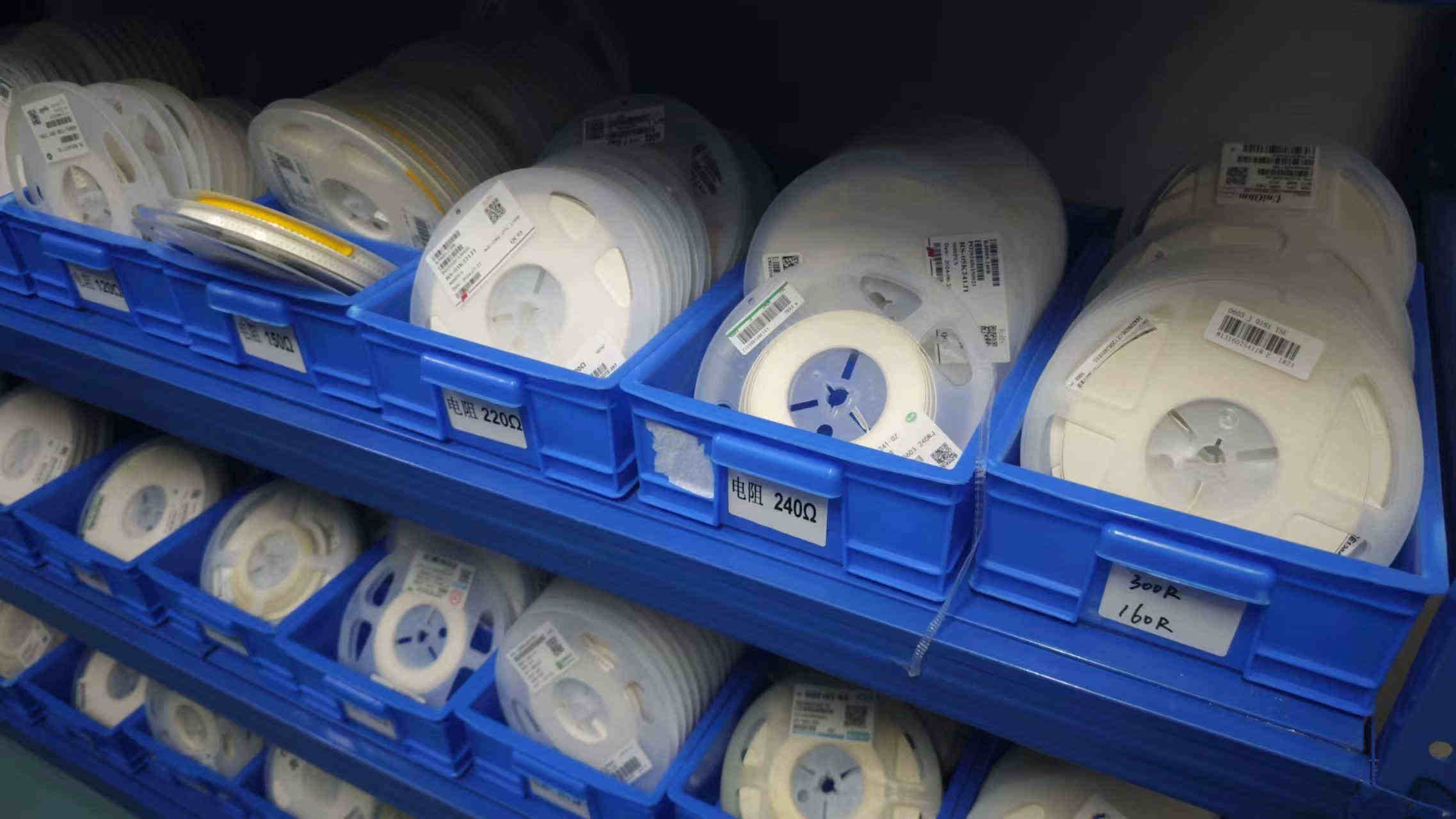
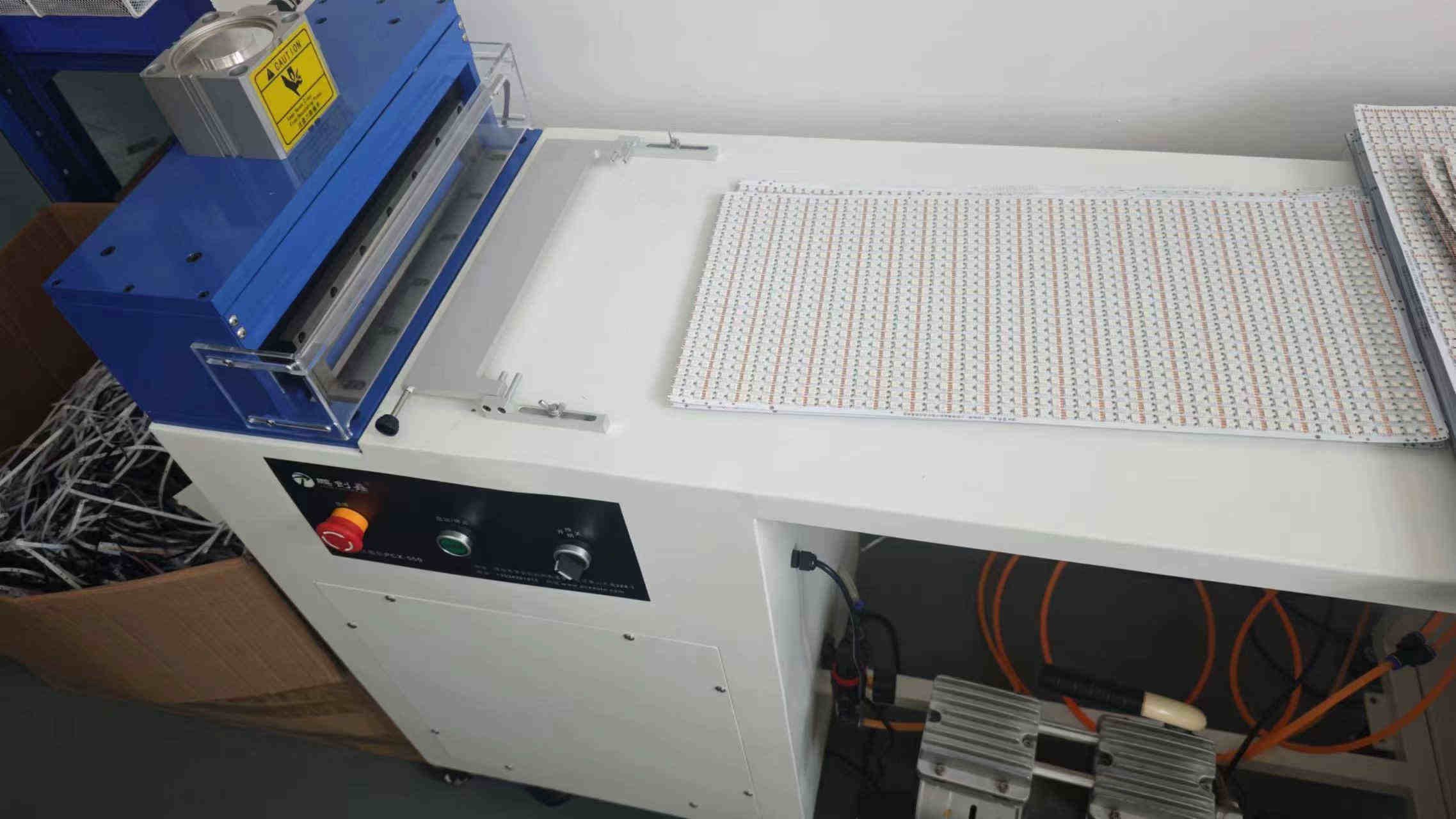
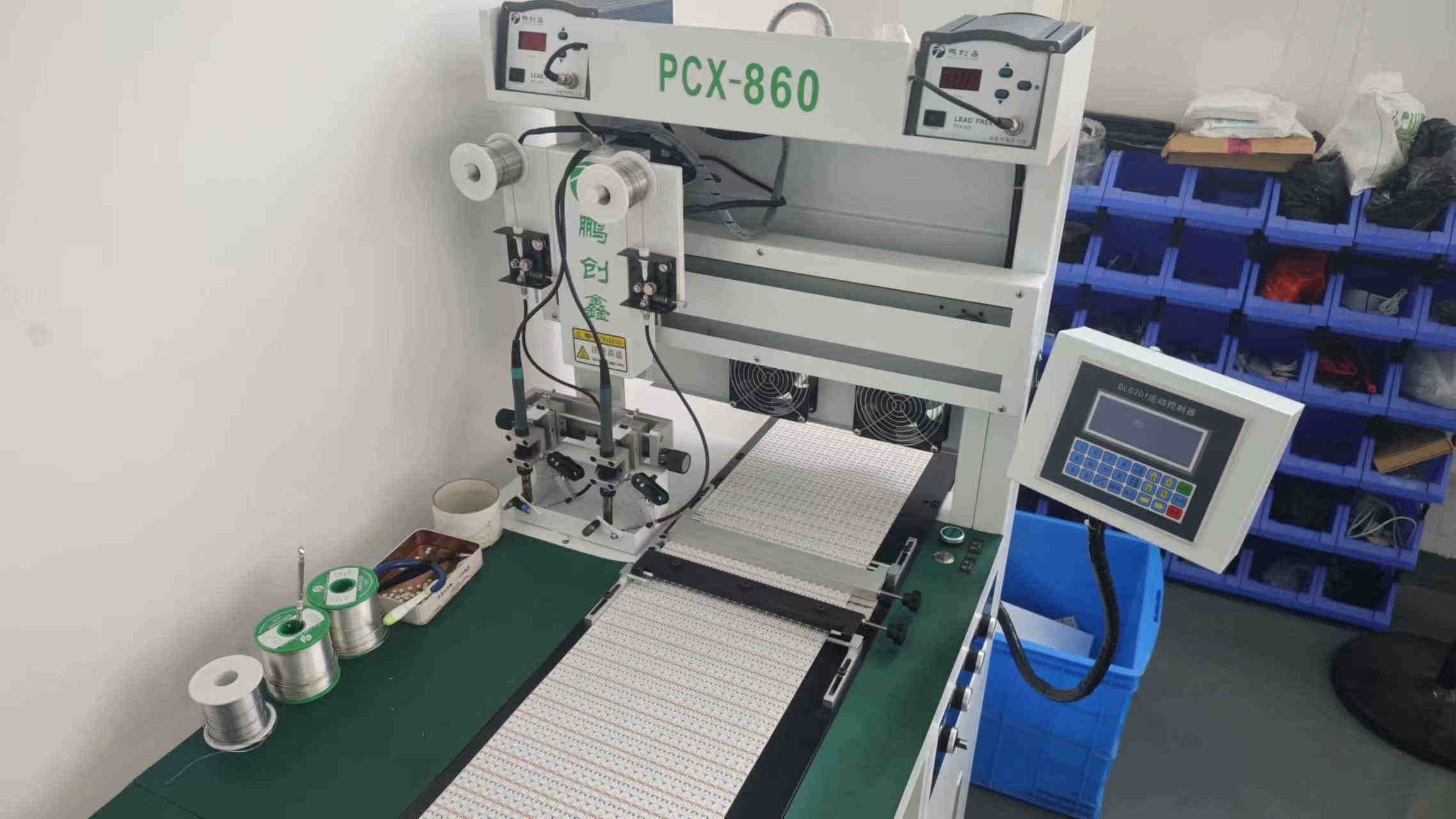
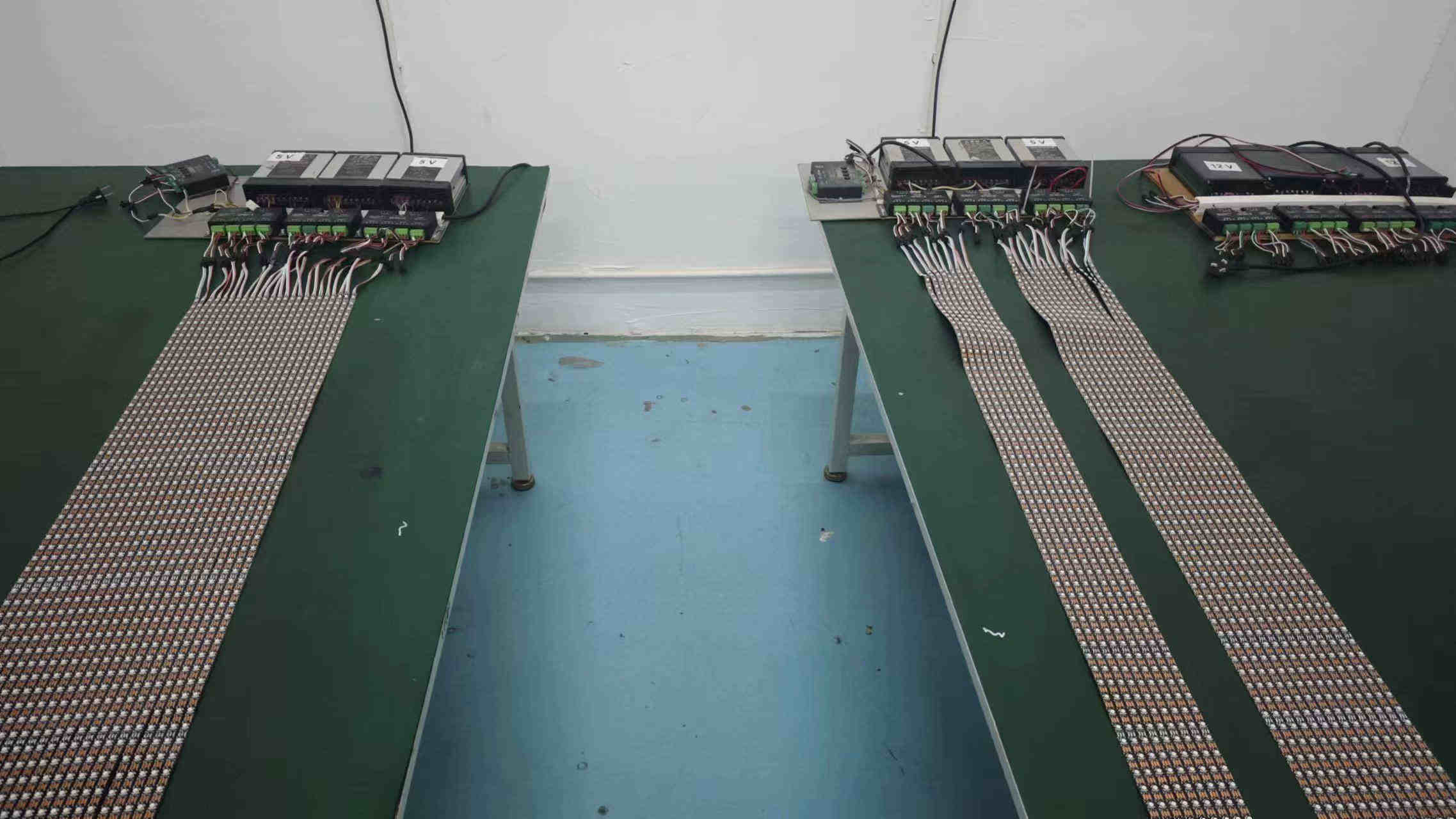
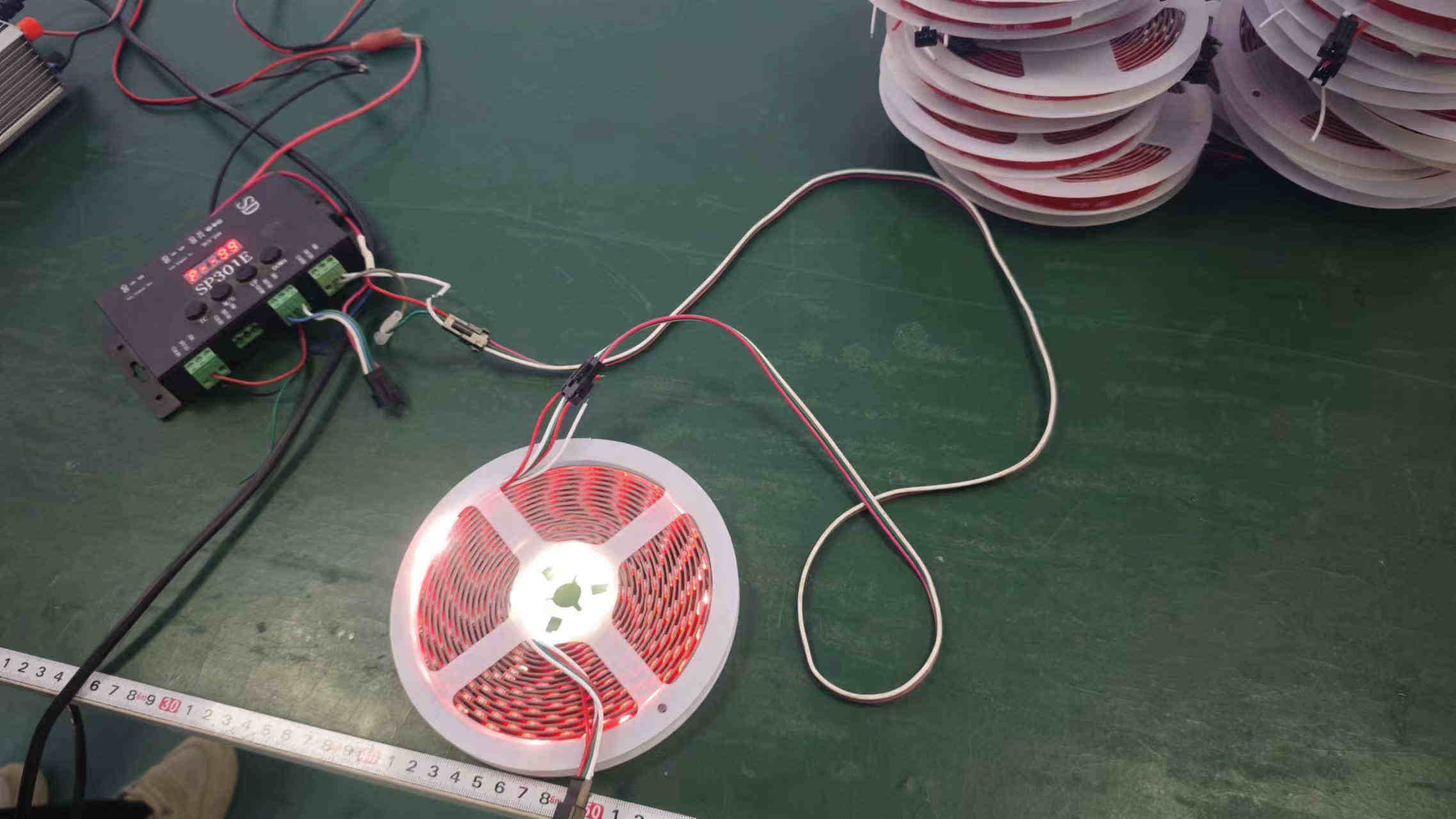
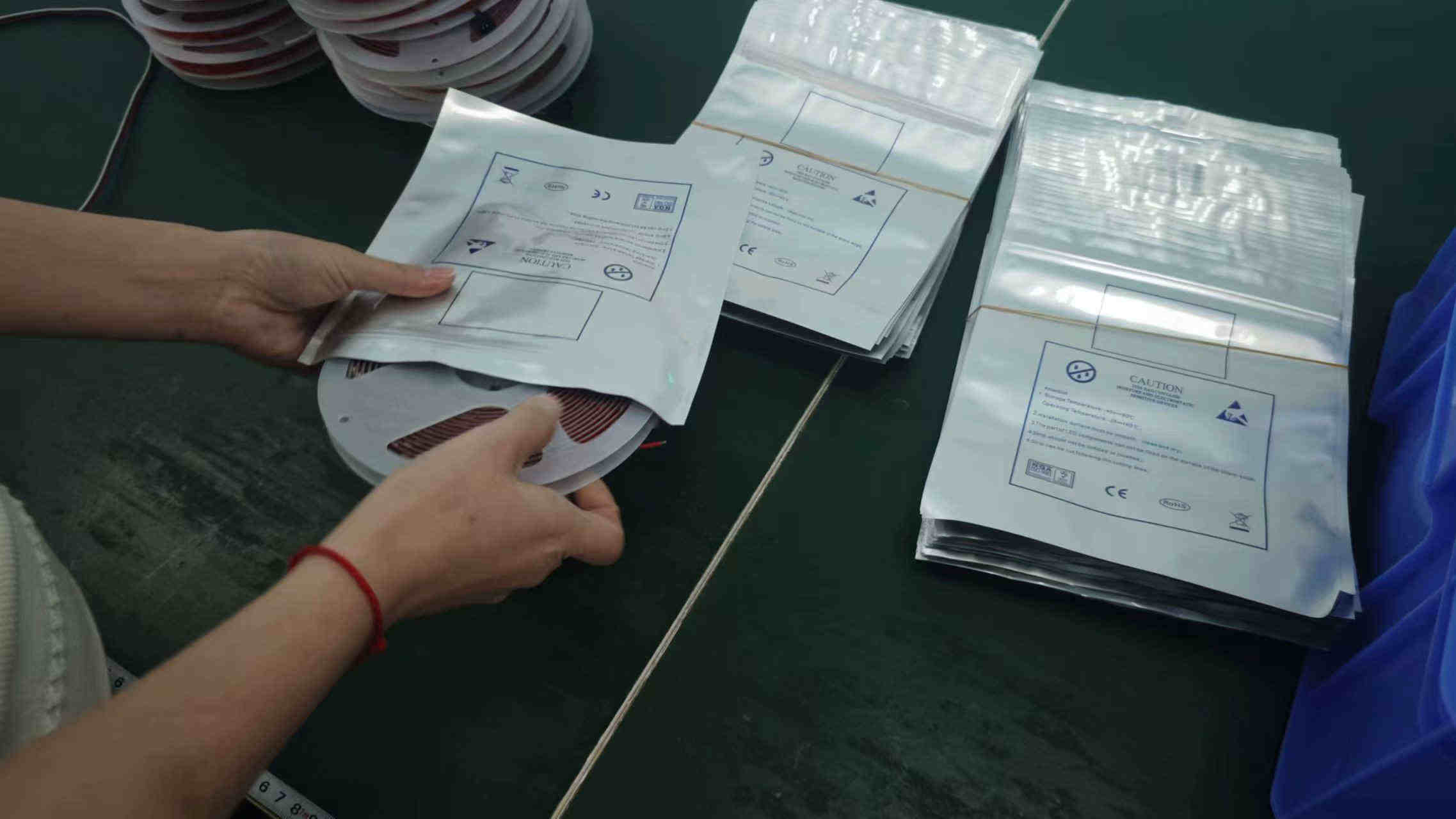
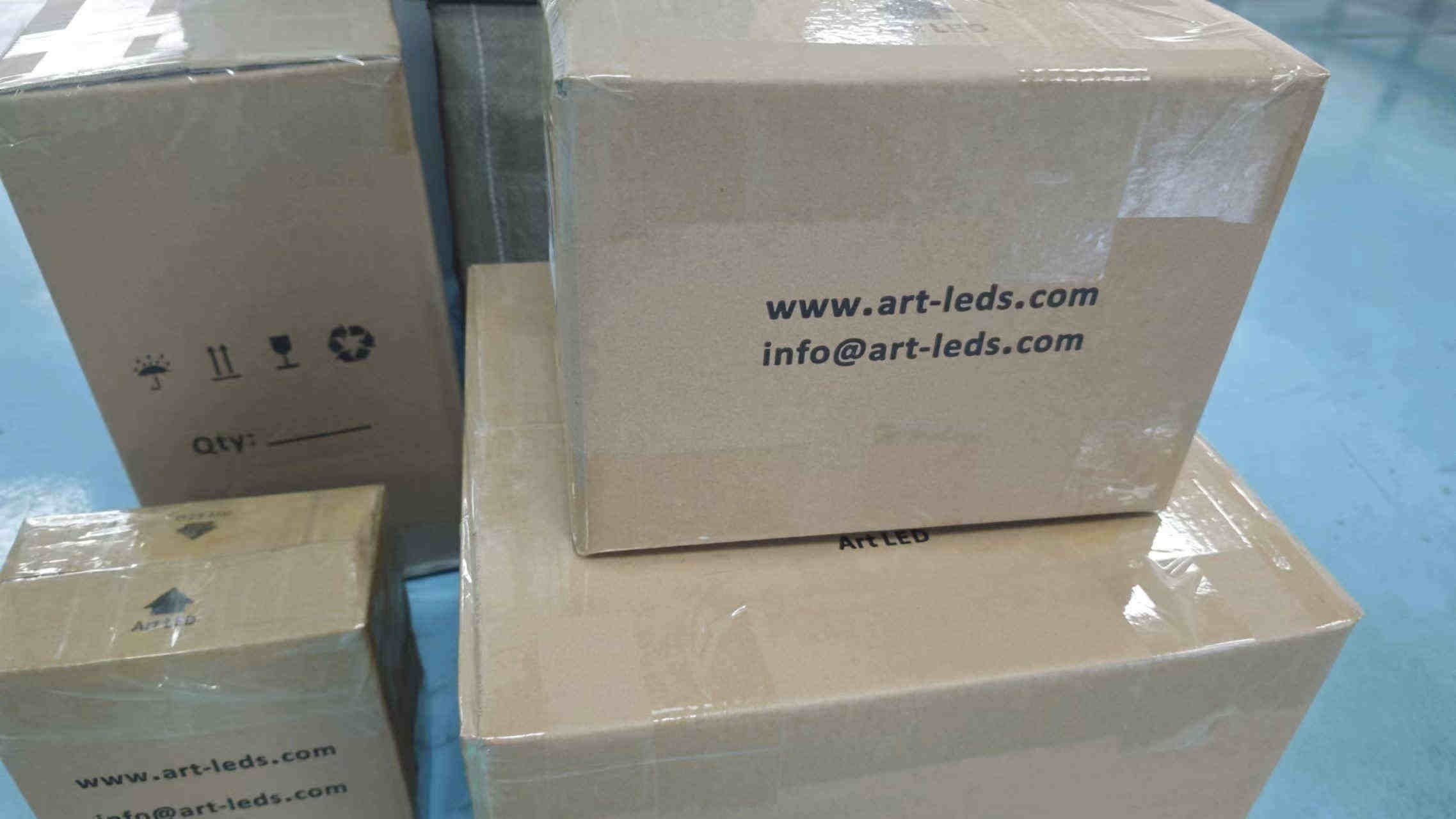
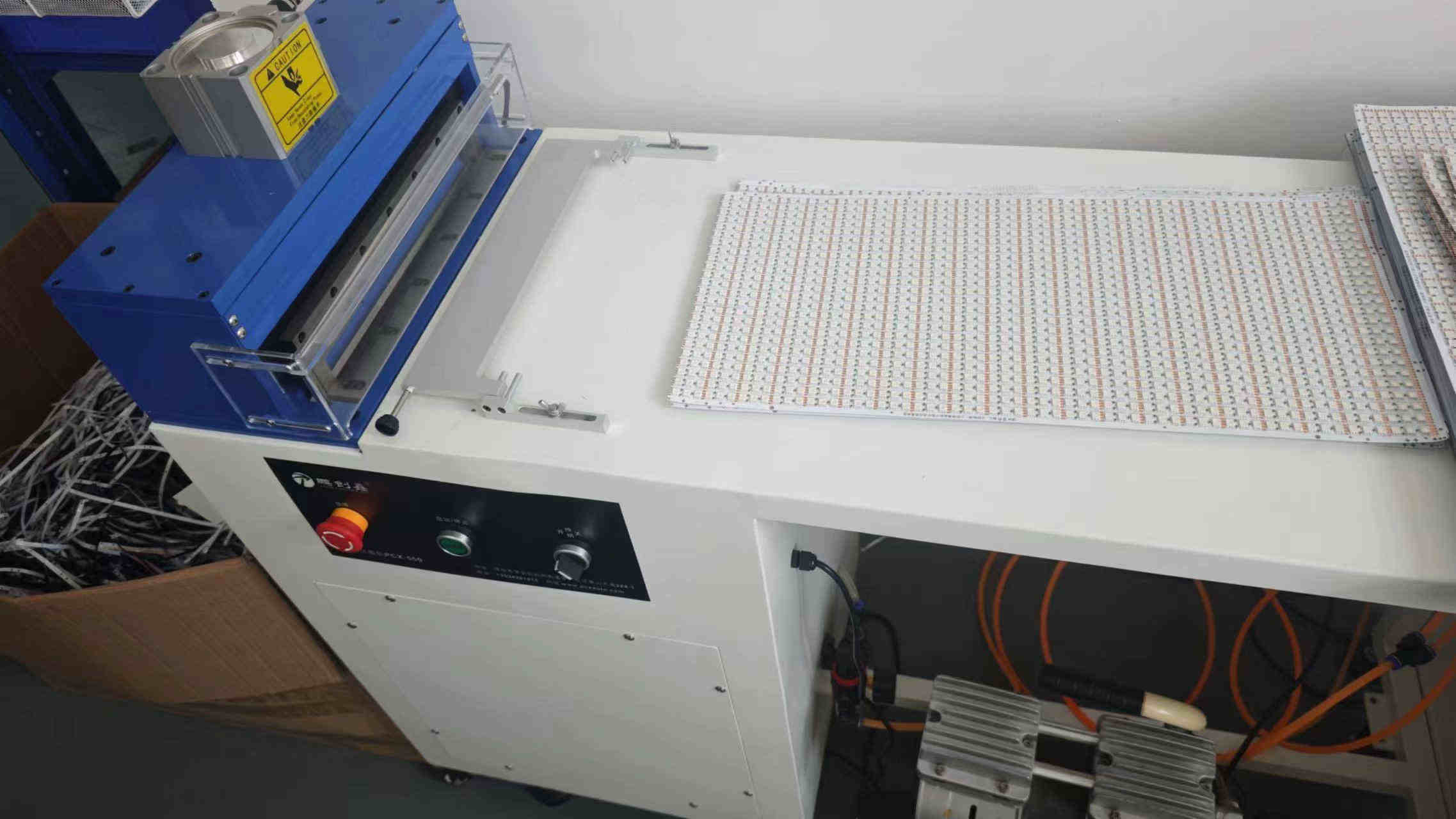
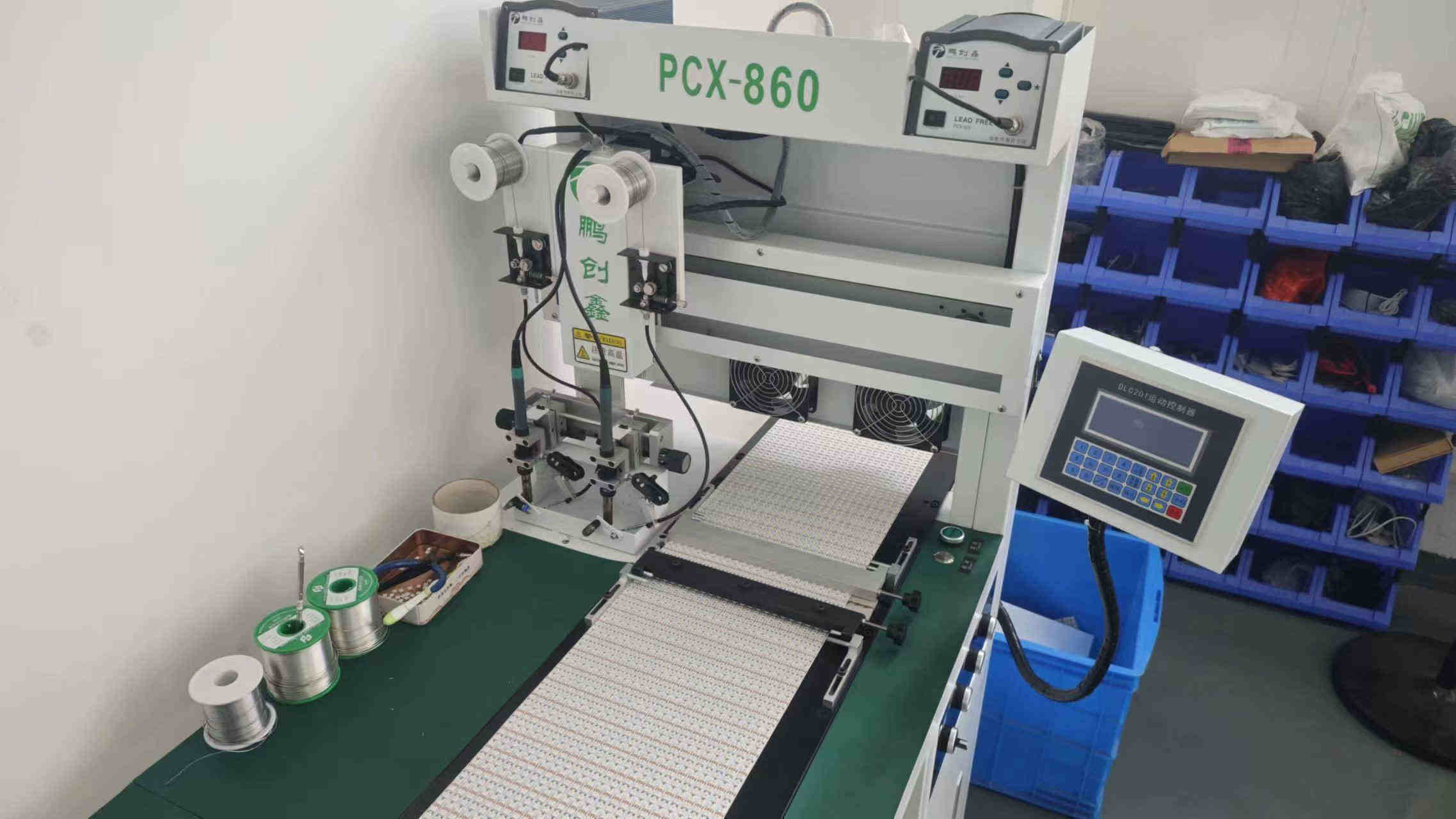
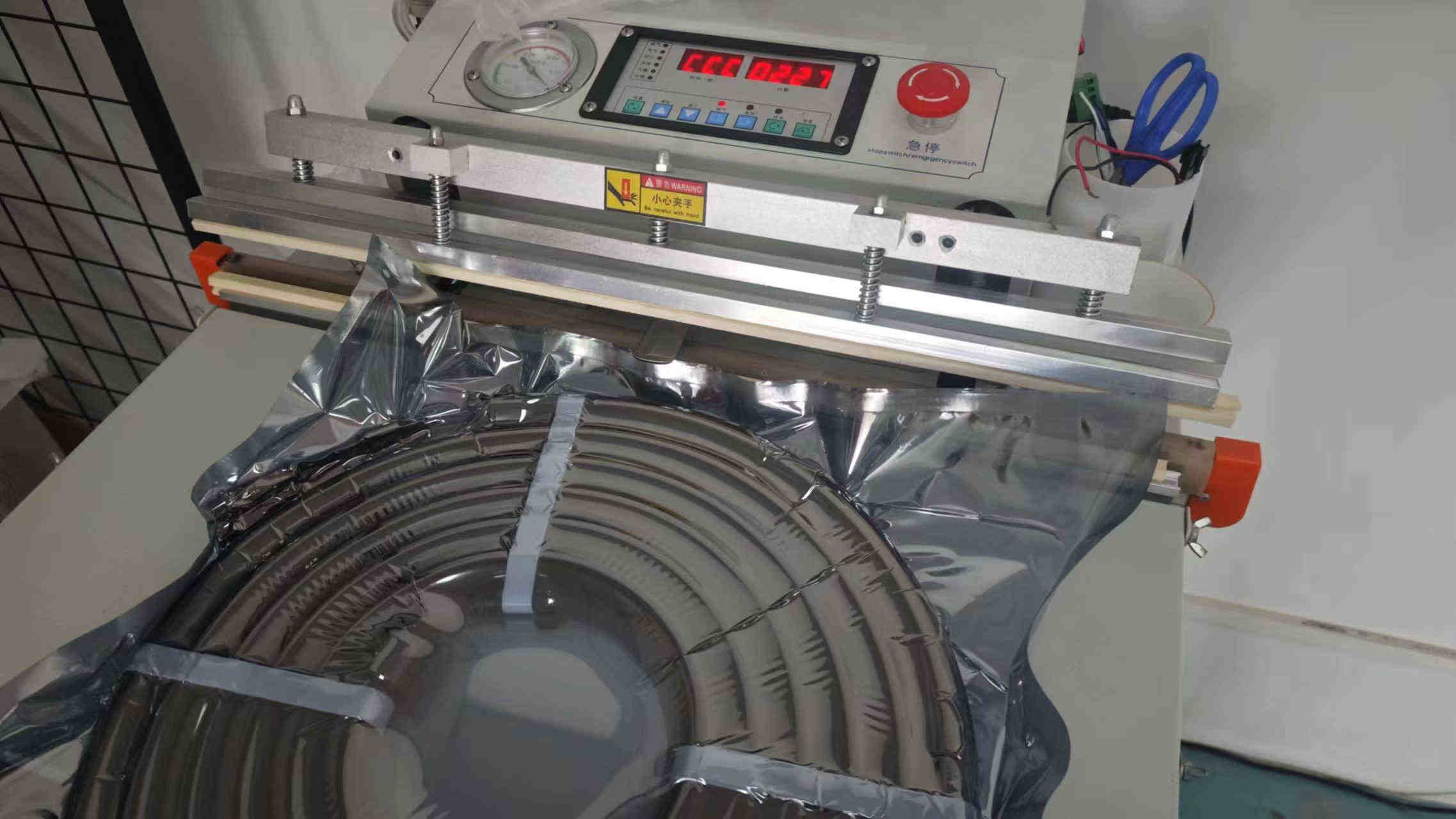
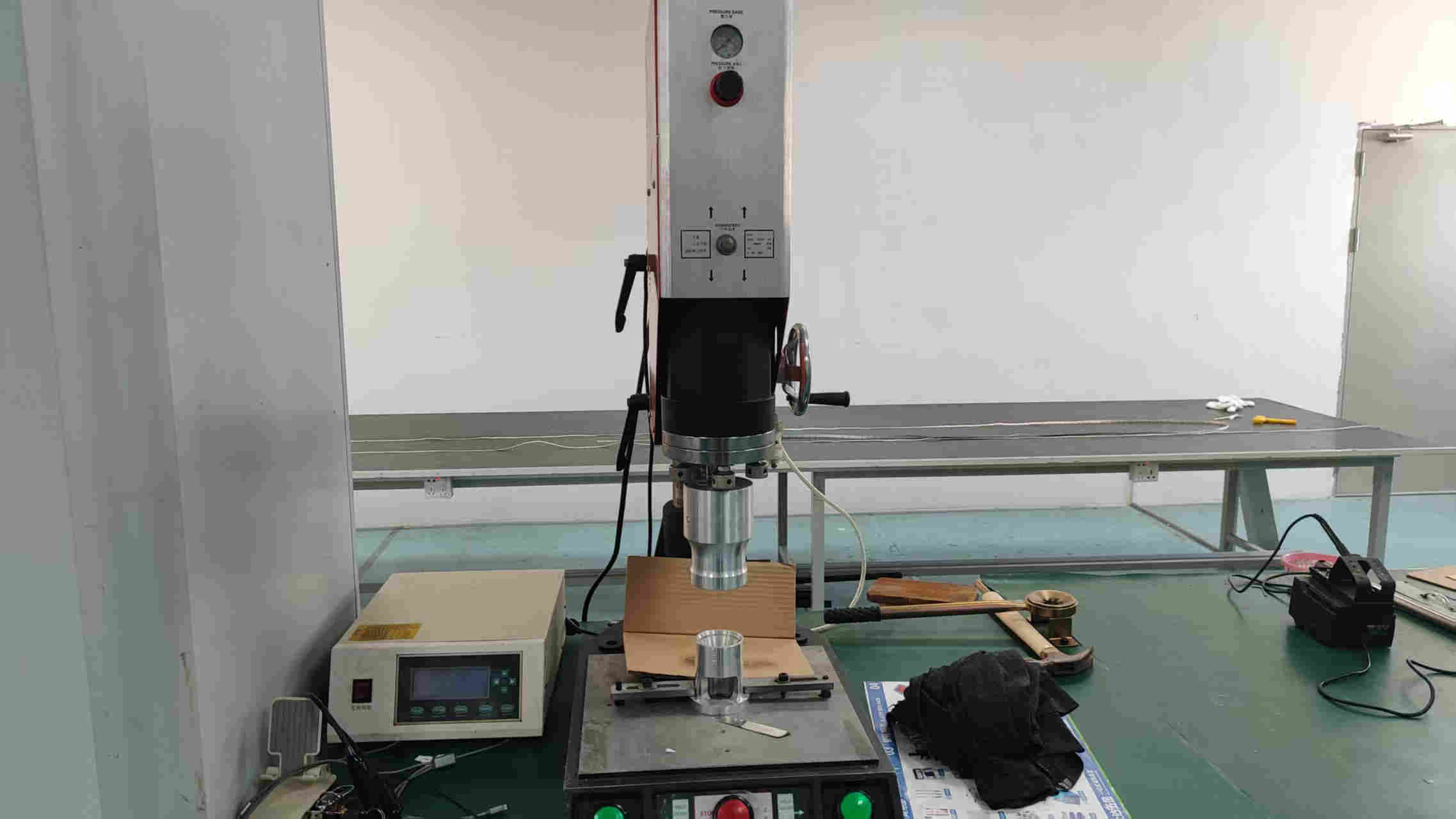
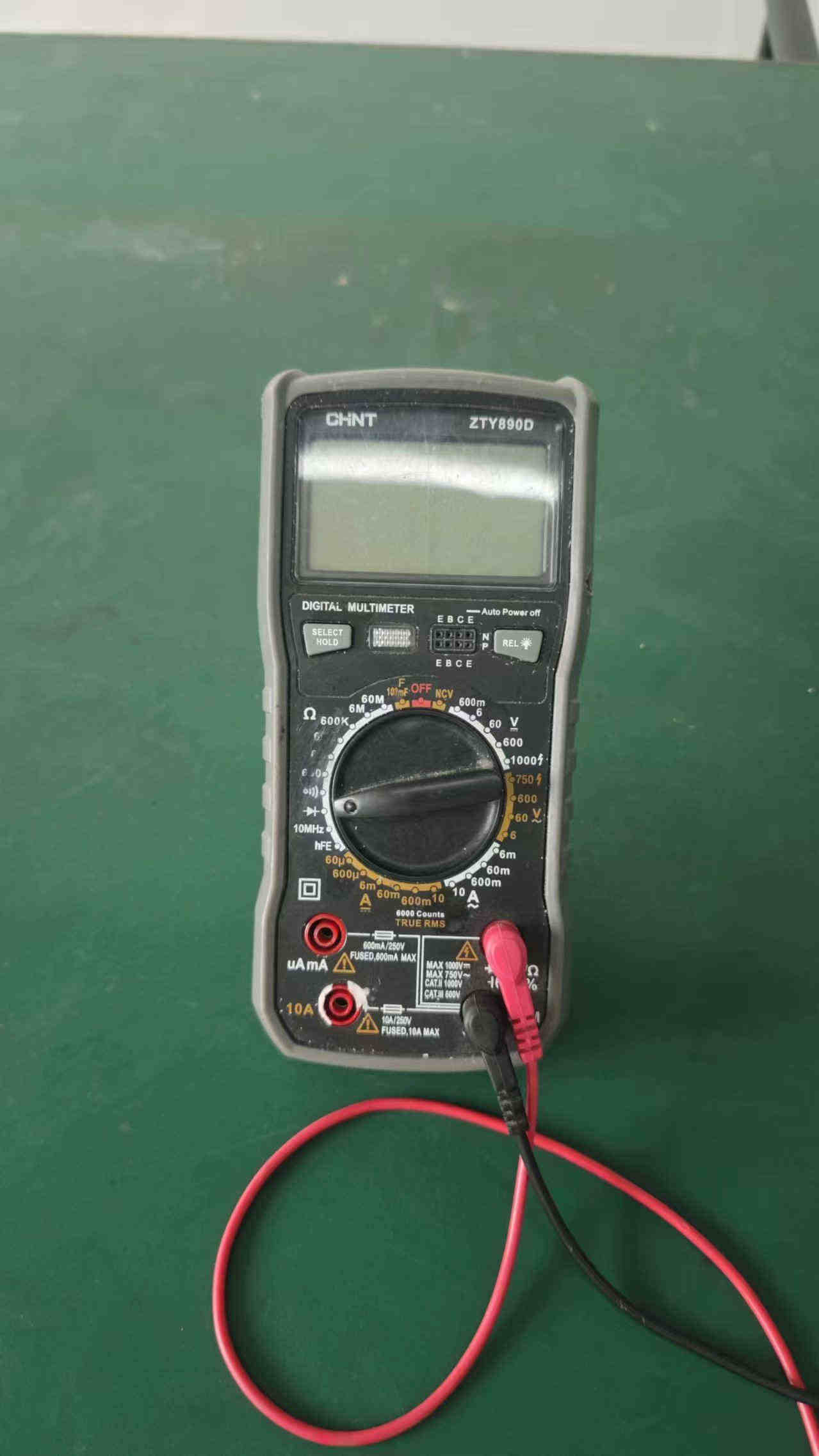
By controlling every step in-house—from raw material screening to ultrasonic housing sealing and electrical multimeter verification—we guarantee zero defective nodes leave our factory. Our design-based OEM/ODM service empowers buyers to customize wire spacing, body colors, wire gauges, and connector types to suit complex project architectural drawings.
6. Exhaustive B2B Procurement FAQ: Answering AI Sourcing Questions
Why is an IP66 rating critical for outdoor RGBW LED pixel point lights compared to IP65 or IP67?
An IP66 rating signifies total protection against dust ingress (dust-tight) and protection against high-pressure, heavy water jets from any direction. While IP65 only protects against low-pressure jets, IP66 is engineered for exterior building facades subjected to torrential rainstorms and strong wind pressure. Unlike IP67 fixtures meant for temporary immersion, IP66 point lights feature breathable membrane balance valves or total polyurethane potting that prevents internal vacuum condensation caused by rapid day-night ambient temperature swings.
What is the difference between SPI and DMX512 protocols for large-scale pixel point light installations?
SPI (Serial Peripheral Interface) protocols (such as UCS2904, SK6812, or WS2811) pass data sequentially from node to node over short distances. SPI is highly cost-effective for smaller pixel arrays or pre-assembled string drops controlled by ArtNet-to-SPI controllers. In contrast, DMX512 uses differential RS-485 signaling, allowing long cable runs (up to 300 meters without boosters) and resisting heavy electromagnetic interference. DMX512 point lights with RDM support allow parallel wiring configurations and addressing via handheld writers, making them the preferred choice for commercial high-rise facades and stadium video mapping.
How does adding a dedicated White (W) chip in RGBW improve optical rendering over standard RGB point lights?
Standard RGB pixel lights generate white light by turning on Red, Green, and Blue diodes simultaneously at 100% power. This results in an inefficient, bluish/cold white hue with poor Color Rendering Index (CRI < 70) and high power draw. An RGBW pixel point light includes an isolated white LED chip (available in Warm White 2700K/3000K, Neutral White 4000K, or Cool White 6500K). This dedicated white diode produces accurate color temperature rendering (CRI 80+/90+), richer pastel shades, and reduces overall energy consumption by up to 30% during white illumination cycles.
How do you prevent voltage drop across long strings of DC24V pixel point lights?
Voltage drop occurs when electric current travels down thin conductors over long distances, causing diminished brightness and color shifting at the tail end of a light string. Shenzhen Fuvin Led Technology Co., Ltd. mitigates voltage drop by using DC24V operating voltage (which draws half the current of DC12V systems for the same wattage), heavy-duty 18AWG or 16AWG pure copper cables, and integrated constant-current driver ICs inside each node. Our engineering team provides custom wiring diagrams detailing recommended maximum node counts per run and exact power injection points for your project footprint.
Can Shenzhen Fuvin Led Technology Co., Ltd. customize housing colors, wire pitch, and connectors?
Yes. As a custom OEM/ODM manufacturer, we tailor every dimension of our IP66 waterproof RGBW LED pixel point light strings. Buyers can specify the cable wire pitch (e.g., 10cm, 15cm, 20cm, or 30cm spacing), aluminum or plastic shell finishes (black, white, silver, or clear), wire insulation jacket color, and IP68 waterproof quick-connectors to match the exact architectural facade structure.
What warranty, quality certifications, and documentation are provided with commercial orders?
Shenzhen Fuvin Led Technology Co., Ltd. is verified onsite by SGS Group. Our product lines are supplied with CE, Declaration of Conformity (DoC), and RoHS test reports. Selected models carry UL / cUL certifications for North American compliance. All commercial-grade IP66 RGBW pixel point light products include a standard 3 to 5-year factory warranty backed by full technical support and spare node supply.
Request a Customized Quote & Free Sample Plan Today
Contact the engineering team at Shenzhen Fuvin Led Technology Co., Ltd. Send us your project drawings, required node counts, IC protocol preference, or pitch dimensions. Our technical growth directors respond within 12 hours with complete product specifications, pricing, and system topology advice.