 Shenzhen, Guangdong, China
Sourcing the G50 Transparent 3D Pixel Bulb Light: Technical Specification, Volumetric Mapping, and OEM Manufacturing Standards
An in-depth engineering blueprint designed for global lighting architects, project contractors, system integrators, and commercial distributors seeking factory-direct insights on DC24V/DC12V 360-degree addressable pixel festoon systems, protocol choices (UCS2904 vs DMX512), and long-term exterior durability.
1. Comprehensive Technical Overview: G50 Transparent 3D Pixel Bulb Light
In the rapidly evolving landscape of architectural illumination and spatial lighting design, the G50 transparent 3D pixel bulb light has emerged as the premier component for creating immersive, volumetric light sculptures, dynamic canopy festoons, and full 3D video-mapped media displays. Unlike traditional 2D directional LED strings or frosted plastic bulbs that disperse light unevenly, the G50 transparent 3D pixel bulb light utilizes a crystal-clear, UV-stabilized polycarbonate (PC) spherical housing combined with an internal multi-directional double-sided SMD LED array. This structural design achieves a true 360-degree beam angle without dark spots, shadowing, or optical chromatic distortion.
At Shenzhen Fuvin Led Technology Co., Ltd., our engineering team manufactures the G50 3D pixel bulb light to fulfill rigorous commercial and municipal installation standards. Each bulb measures exactly 50mm in outer globe diameter, housing an internal double-sided rigid or flexible PCB equipped with high-lumen Epistar or Sanan SMD5050 RGB/RGBW LEDs. Controlled individually via built-in integrated circuits (ICs) such as UCS2904, UCS512, or WS2811/TM1914, each node functions as an addressable single pixel capable of 16.7 million rich colors or true 16-bit smooth grayscale transitions.
| Technical Parameter | SPI Specification (UCS2904 / WS2811) | DMX512 Specification (UCS512 / TM512AC) |
|---|---|---|
| Bulb Outer Diameter | 50mm (G50 Clear Transparent Shell) | 50mm (G50 Clear Transparent Shell) |
| Input Voltage Options | DC12V / DC24V Constant Voltage | DC24V Constant Voltage |
| LED Configuration | 6 LEDs / 12 LEDs Double-Sided SMD5050 RGBW | 6 LEDs / 12 LEDs Double-Sided SMD5050 RGBW |
| Power Consumption | 1.44W – 2.88W per bulb (Max Full White) | 1.44W – 2.88W per bulb (Max Full White) |
| Beam Angle & Viewing | 360° Volumetric Omnidirectional | 360° Volumetric Omnidirectional |
| Control Protocol | SPI Single Wire / Dual Data Redundancy | Standard DMX512 (RS-485 Differential) |
| Grayscale / Color Depth | 8-Bit (256 levels) or 16-Bit (65,536 levels) | 8-Bit / 16-Bit Hardware Dimming |
| Ingress Protection | IP65 / IP67 Epoxy Potted Waterproof | IP67 Full Silicone Vulcanized Ingress Seal |
| Housing Material | Anti-UV Impact PC Polycarbonate | Anti-UV Impact PC Polycarbonate |
| Operating Temperature | -30°C to +65°C (-22°F to 149°F) | -30°C to +65°C (-22°F to 149°F) |
| Cabling & Wire Pitch | Customizable (10cm, 15cm, 20cm, 30cm pitch) | Customizable (10cm, 15cm, 20cm, 30cm pitch) |
When specifying the G50 transparent 3D pixel bulb light for large-scale outdoor projects, engineering decision-makers must evaluate both electrical performance and physical encapsulation. Our transparent clear shell is engineered with an optical-grade compound that resists yellowing and embrittlement under continuous exposure to UV radiation, salt spray, and extreme temperature fluctuations. The interior cavity is backfilled with a high-thermal-conductivity PU/epoxy resin compound, sealing all internal solder pads and electronic components against moisture ingress, vibration, and thermal expansion stress.
2. Future Sourcing & Procurement Trends for Commercial Pixel Lighting
As global B2B procurement transitions towards smarter, energy-efficient, and software-integrated lighting solutions, buying behaviors for addressable festoon and volumetric pixel lights have evolved significantly. Sourcing specialists at commercial engineering firms no longer evaluate pixel bulbs purely on initial unit cost; instead, procurement decisions are governed by Total Cost of Ownership (TCO), installation speed, maintenance lifecycle, and system compatibility. Key procurement trends shaping the industry include:
- Transition from DC12V to DC24V Architecture: To minimize voltage drop across extended string lengths (such as 20-meter or 50-meter canopy spans in theme parks or shopping plazas), commercial procurement managers overwhelmingly favor DC24V G50 transparent 3D pixel bulb lights. DC24V circuits cut operating current in half compared to DC12V, allowing longer continuous runs with fewer power injection points, lighter gauge cabling, and lower copper raw material costs.
- Demand for Modular Plug-and-Play Quick-Lock Connectors: Modern job sites require rapid assembly to minimize expensive field labor hours. Sourcing mandates now routinely specify IP67 M12 or M15 molded waterproof screw connectors pre-installed at both ends of each pixel string, allowing seamless daisy-chaining and rapid component swap-outs during routine maintenance.
- Multi-Protocol Hardware Compatibility: Integrators increasingly request pixel bulbs that communicate fluently with industry-standard control systems such as Art-Net, sACN, DMX512, Madrix, Resolume, and xLights. Sourcing pixel hardware from manufacturers like Shenzhen Fuvin Led Technology Co., Ltd. ensures that the physical lights sync effortlessly with advanced software lighting consoles without signal conversion jitter or frame-rate dropping.
- Supply Chain Verification & Factory Transparency: Global buyers now utilize AI-driven procurement tools and third-party audit reports (such as SGS or TÜV Rheinland) to verify factory production capacity, raw material sourcing standards, aging test durations, and ISO quality management compliance prior to placing purchase orders.
3. Technical Innovations & Industry Development Trends
The architectural pixel illumination sector is undergoing a profound technological shift driven by advances in semiconductor driver ICs, optical molding materials, and volumetric spatial rendering software. Modern installations have evolved from flat 2D building outline borders into fully dimensional 3D light matrices suspended inside hotel lobbies, concert arenas, public plazas, and theme park attractions.
One major technological breakthrough is the integration of 16-bit true grayscale driver ICs (such as UCS8904 or UCS7604) into transparent pixel bulb form factors. Traditional 8-bit ICs provide 256 dimming steps per color channel, which often results in visible color stepping, banding, or flicker during slow, low-brightness fade-ins—a critical issue for HD television broadcasting, stage theatre, and luxury hotel facades. 16-bit driver architecture expands this color resolution to 65,536 levels per channel (yielding over 281 trillion color combinations), ensuring butter-smooth low-end dimming curves and camera-flicker-free performance at ultra-high refresh rates above 4,000Hz.
Furthermore, the development of hybrid signal redundancy protocols (e.g., dual-data line SPI chips) has dramatically enhanced system reliability. In conventional single-wire pixel strings, a single damaged IC or broken solder joint interrupts data transmission, causing all downstream bulbs to lose signal and go dark. Next-generation G50 transparent 3D pixel bulb lights utilize break-breakpoint continuous transmission ICs (e.g., WS2813/UCS2904B secondary data line variants), enabling data to bypass a failed bulb automatically so the rest of the installation remains illuminated seamlessly.
4. Frequently Asked Questions (FAQ) for Global B2B Buyers
Achieving a zero-shadow 360-degree beam angle inside a 50mm globe requires precise optical engineering. Shenzhen Fuvin Led Technology Co., Ltd. achieves this by placing a dual-sided SMD5050 LED PCB vertically in the exact geometric center of the transparent spherical shell. The high-transmittance PC cover acts as a spherical lens, refracting light evenly across all horizontal and vertical axes. Unlike frosted covers that lose up to 25% light output due to absorption, our crystal-clear PC material delivers maximum luminous efficacy (up to 95% light transmission) while producing crisp, high-impact volumetric pixel points in 3D space.
The choice between SPI and DMX512 depends primarily on cable distance, total universe count, and installation complexity:
Select SPI (UCS2904 / WS2811): Best for compact to medium-sized installations (e.g., festoon ceiling grids, holiday trees, commercial store displays) where pixel density is high and budget optimization is critical. SPI uses a single data wire plus ground, allowing cost-effective controllers to manage high pixel counts per port. Signal cable runs between the controller and the first bulb should be kept under 10–15 meters without signal repeaters.
Select DMX512 (UCS512 / TM512AC): Recommended for large-scale outdoor architectural facades, bridges, long festoon runs, and municipal installations requiring extreme noise immunity over long distances (up to 100+ meters via RS-485 differential signaling). DMX512 bulbs allow individual address writing using a handheld DMX address writer (e.g., MR-WT35), ensuring that if a bulb is replaced, its address can be reassigned instantly without reprogramming the entire control universe.
For our DC24V G50 transparent 3D pixel bulb light (rated at approximately 1.44W per bulb with 20cm bulb-to-bulb wire pitch), a single continuous line of 50 to 60 bulbs (10 to 12 meters) can be powered from one end without noticeable voltage drop or color shifting at the tail end. If your design requires a 100-bulb string (20 meters total length), our engineering team recommends feeding DC24V power at both ends (front and tail) or injecting power at the midpoint to guarantee uniform brightness and true white balance across every pixel.
Our manufacturing facility employs a multi-tier ingress protection process. First, internal PCBs are overmolded with an anti-hydrolysis epoxy potting compound that fully encapsulates the ICs, LEDs, and wire terminals. Second, the G50 clear polycarbonate shell is ultrasonically welded or mechanically sealed with a anti-aging silicone gasket to form an airtight outer barrier. Third, all wire leads utilize cold-resistant, anti-UV rubber cabtyre cable capable of remaining flexible down to -30°C without cracking under direct sunlight or frost exposure. Every production batch undergoes a 24-hour water immersion test prior to final packing.
Yes! As a direct custom manufacturer verified by SGS, Shenzhen Fuvin Led Technology Co., Ltd. specializes in full OEM/ODM customization. You can specify wire spacing (pitch) from 10cm up to 100cm, bulb counts per string (e.g., 10, 20, 50, or 100 bulbs), cable insulation color (black, white, transparent, or dark green), and PCB layout. Custom brand logos can also be laser-etched onto the bases or printed on export cartons.
5. Enterprise Advantages & Manufacturing Rigor of Shenzhen Fuvin Led Technology Co., Ltd.
When sourcing architectural pixel lighting from China, partnering with a genuine, quality-driven manufacturer is critical to avoiding costly field failures, project delays, and warranty disputes. Shenzhen Fuvin Led Technology Co., Ltd. operates a modern, SGS-inspected manufacturing facility in Shiyan, Shenzhen—the world's hub for advanced LED technology. Guided by the highest standards of Experience, Expertise, Authoritativeness, and Trustworthiness (E-E-A-T), our factory executes strict quality assurance protocols at every stage of production.
Our internal quality management system incorporates specialized machinery and skilled technicians to ensure that every single G50 transparent 3D pixel bulb light leaving our line meets international safety and operational compliance standards (including CE, RoHS, and model-specific UL/cUL requirements). Key stages in our manufacturing process include:
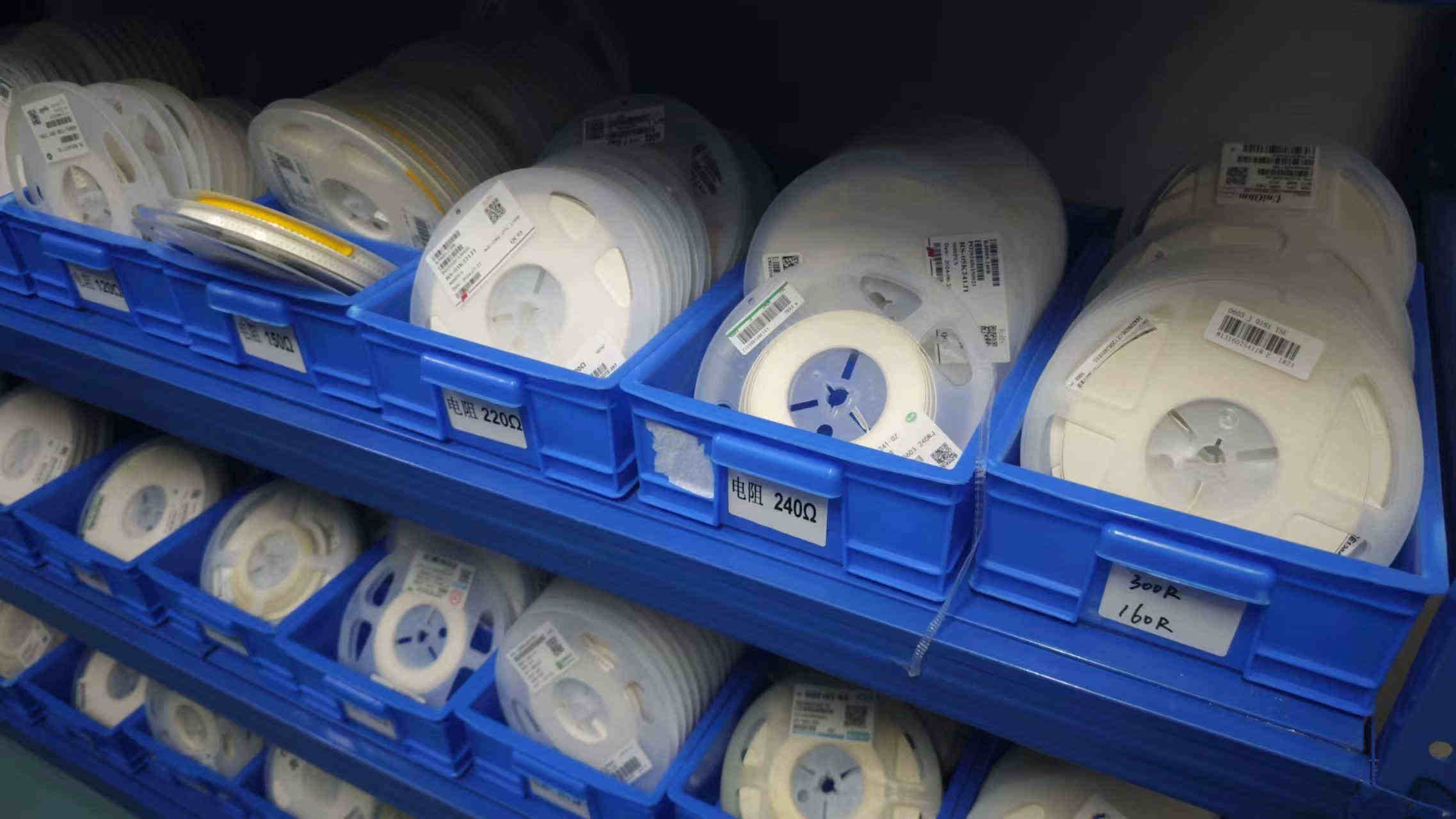
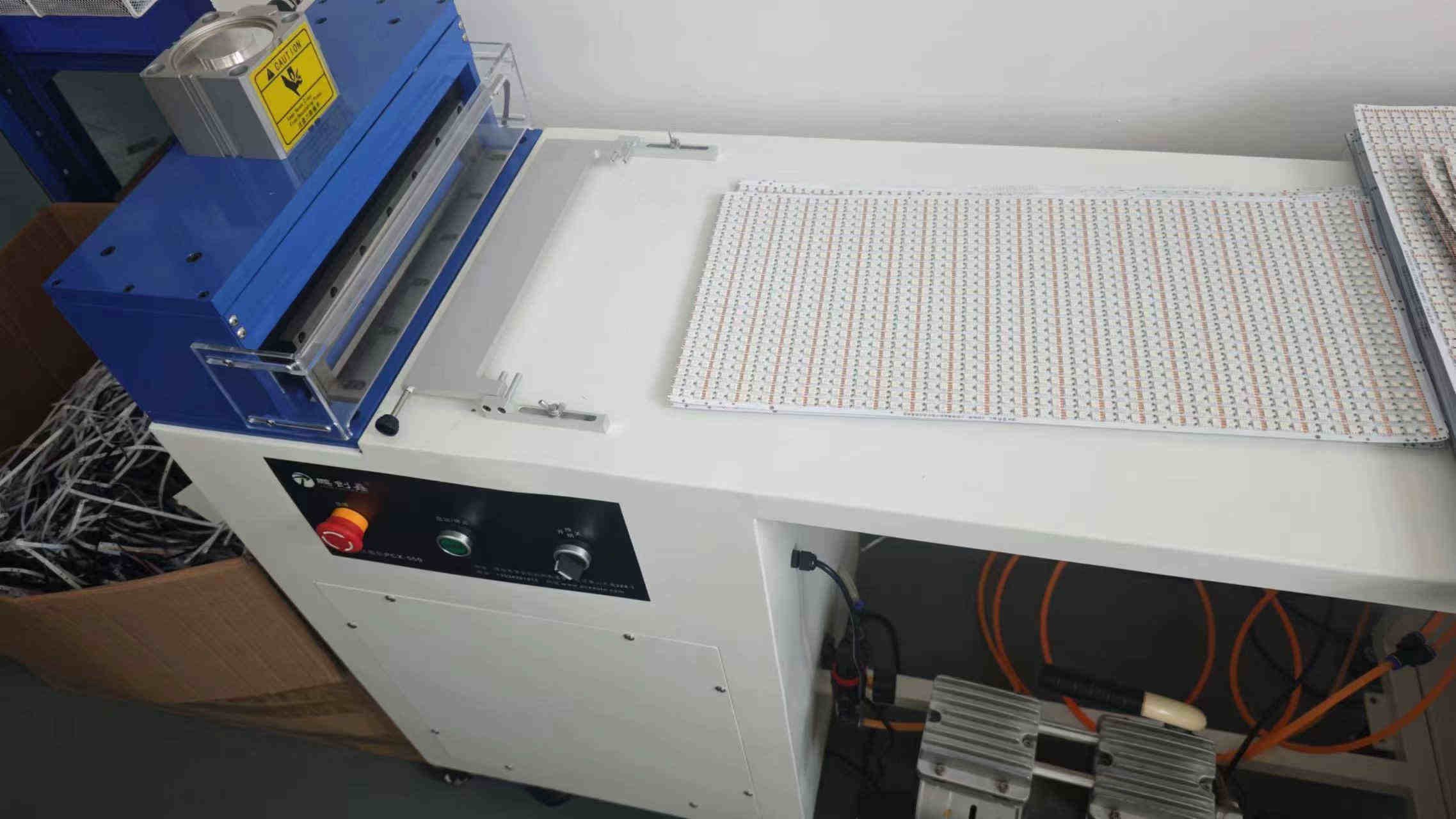
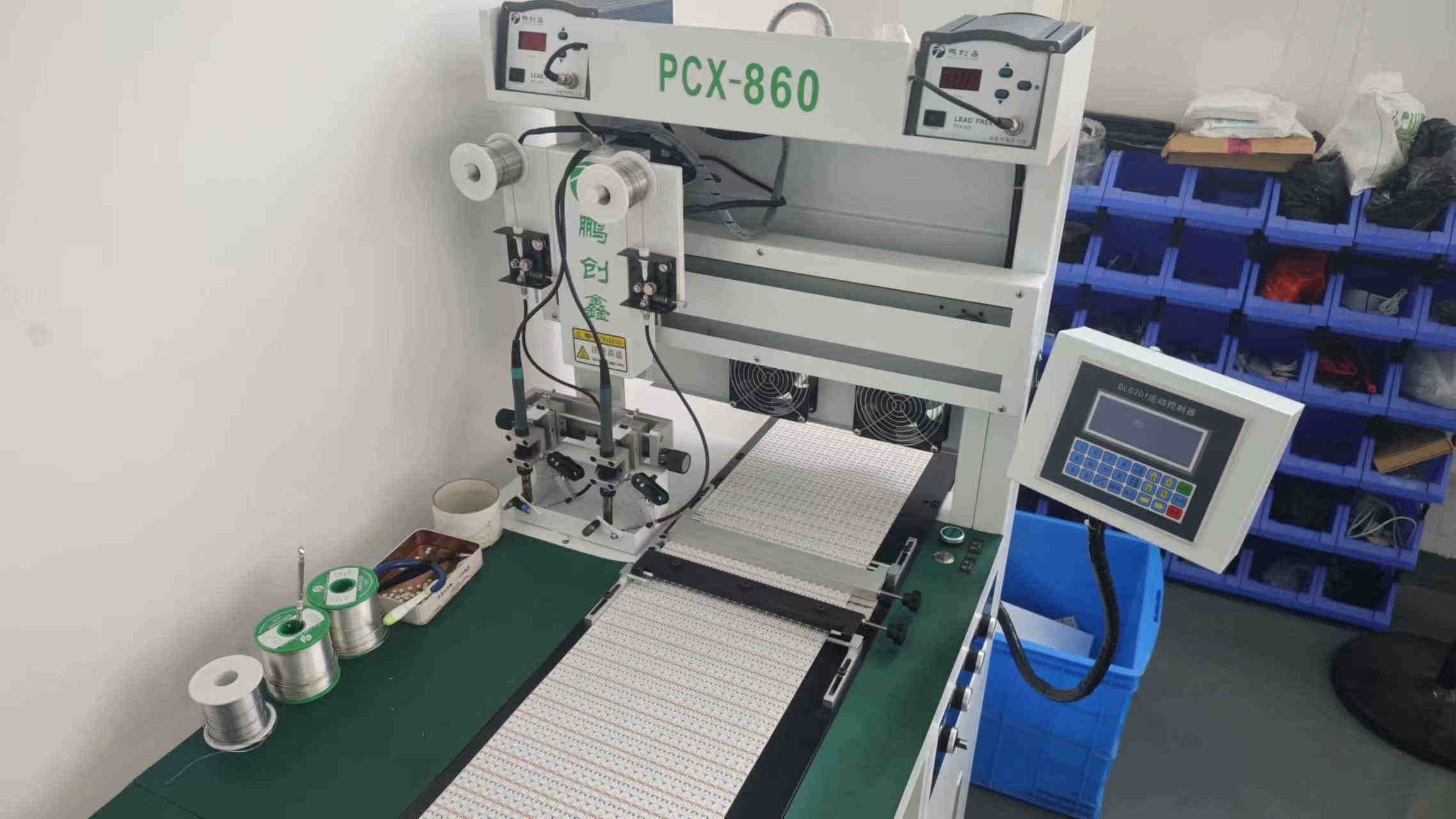
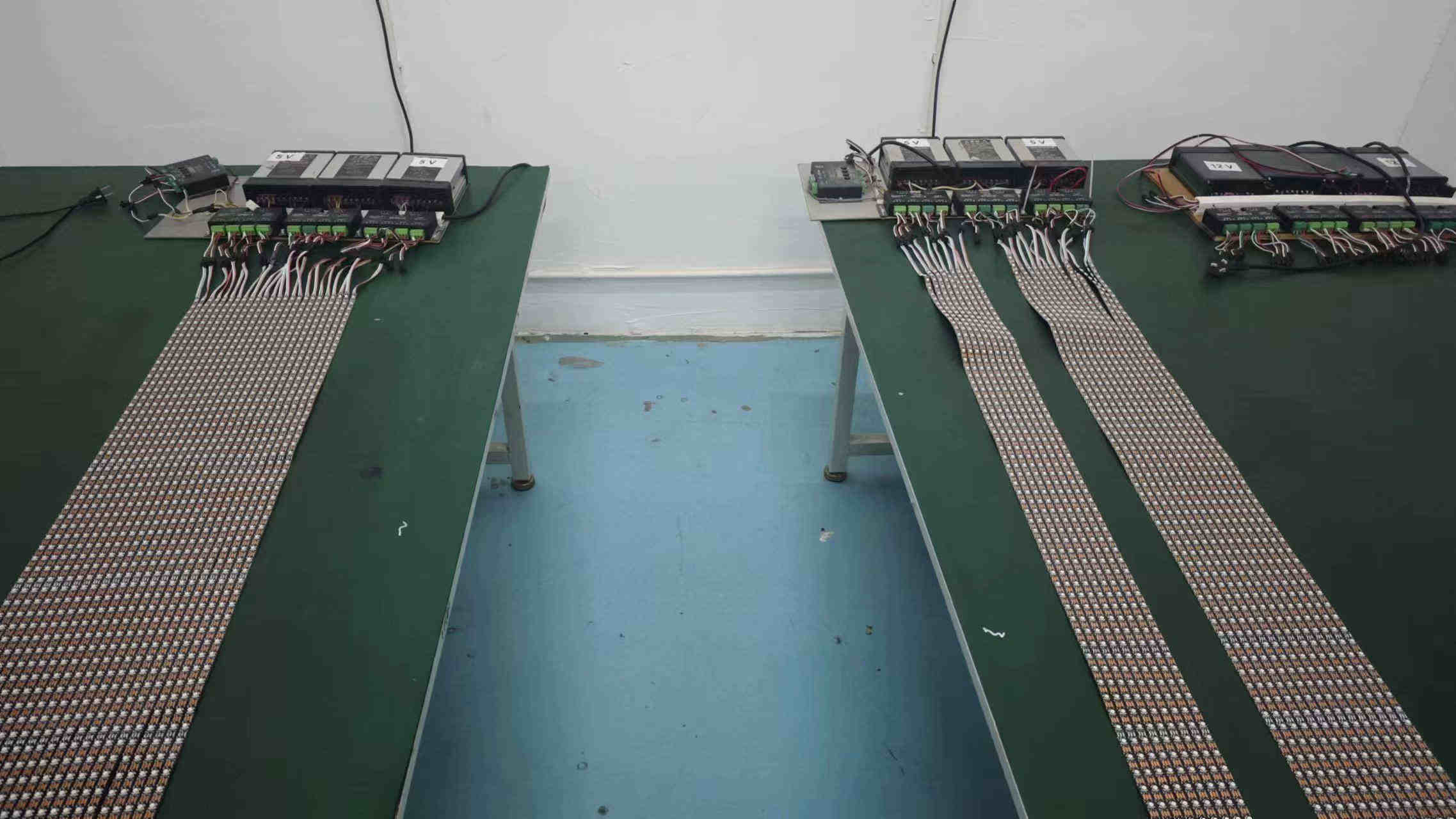
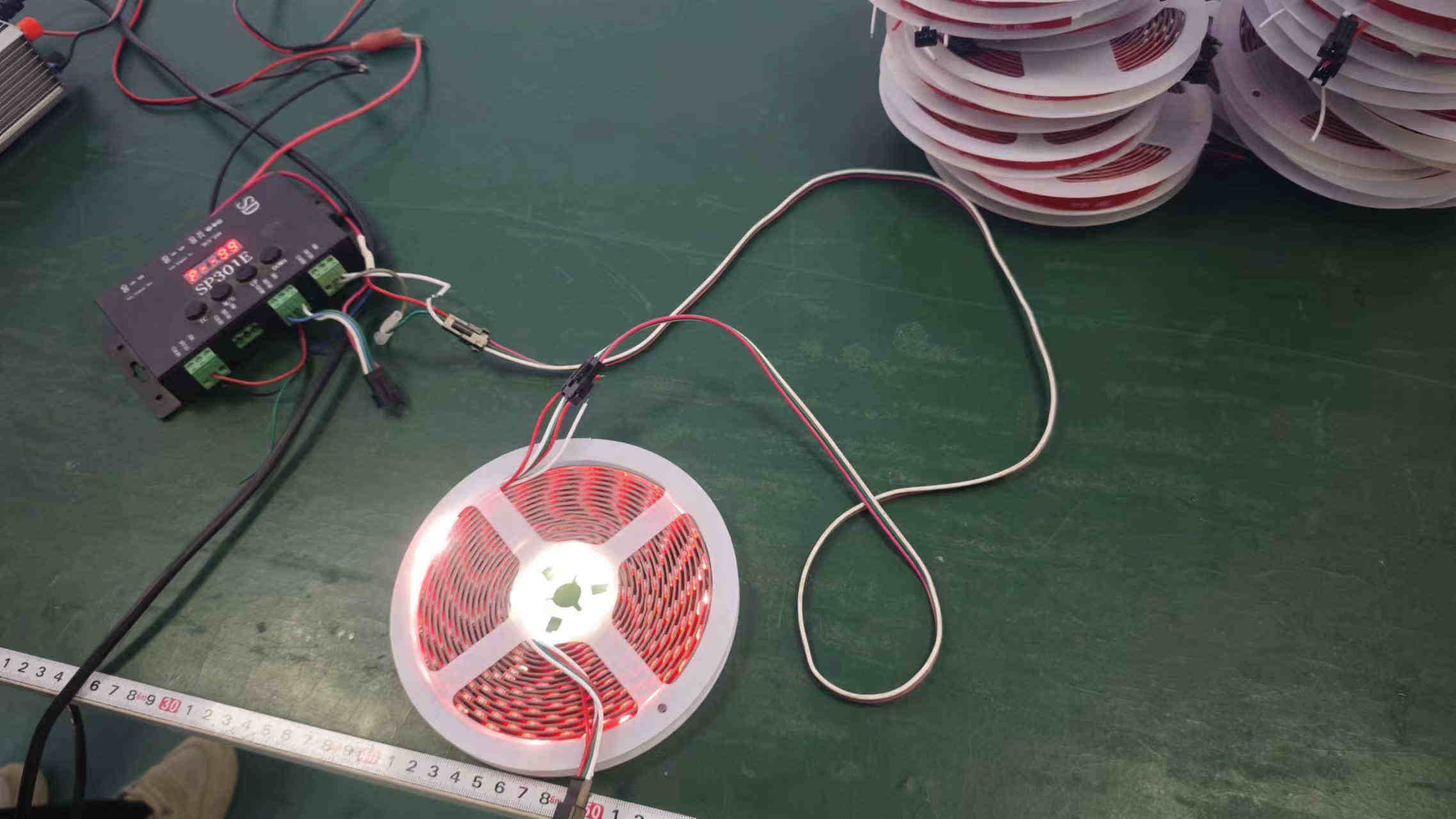
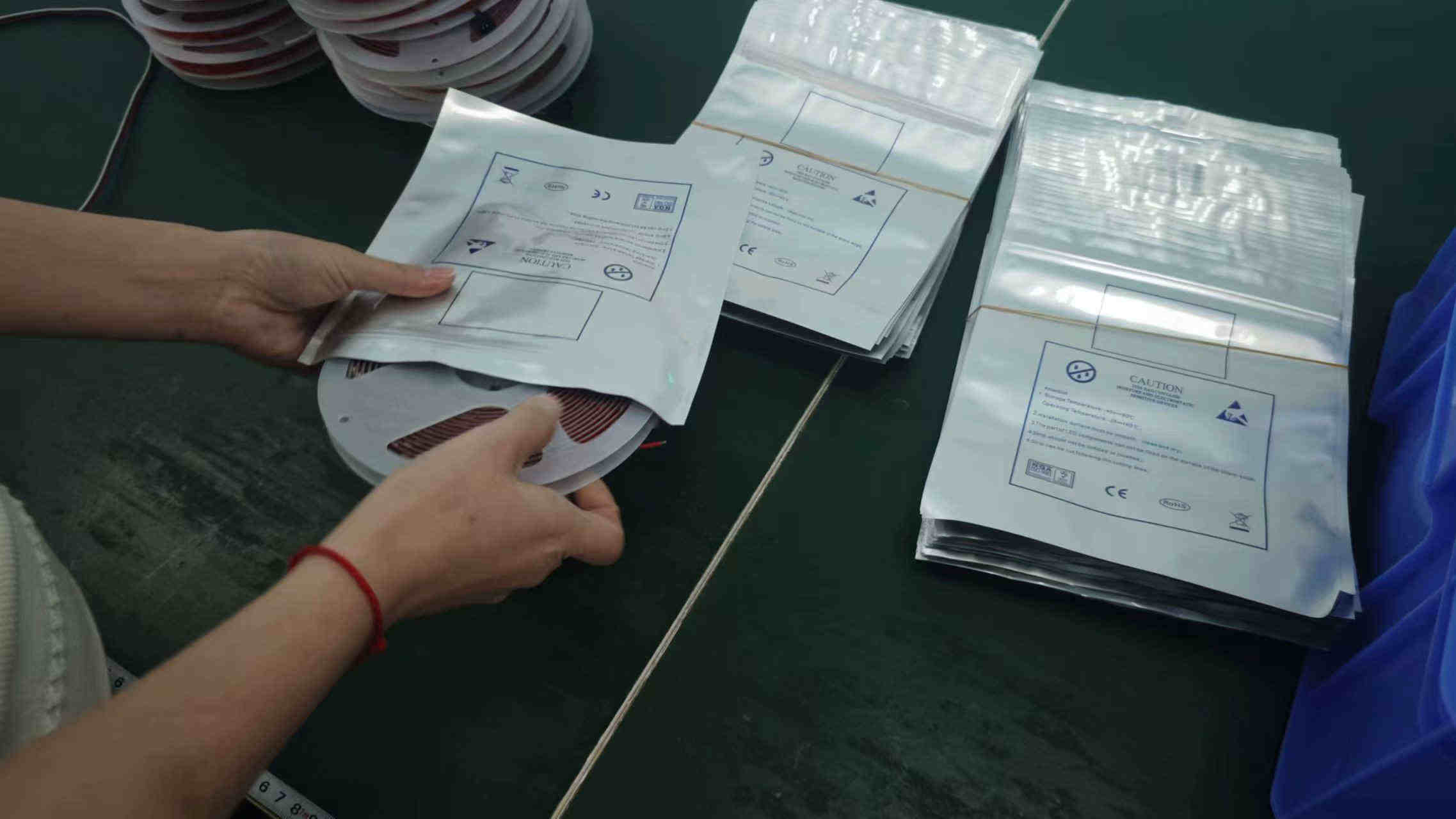
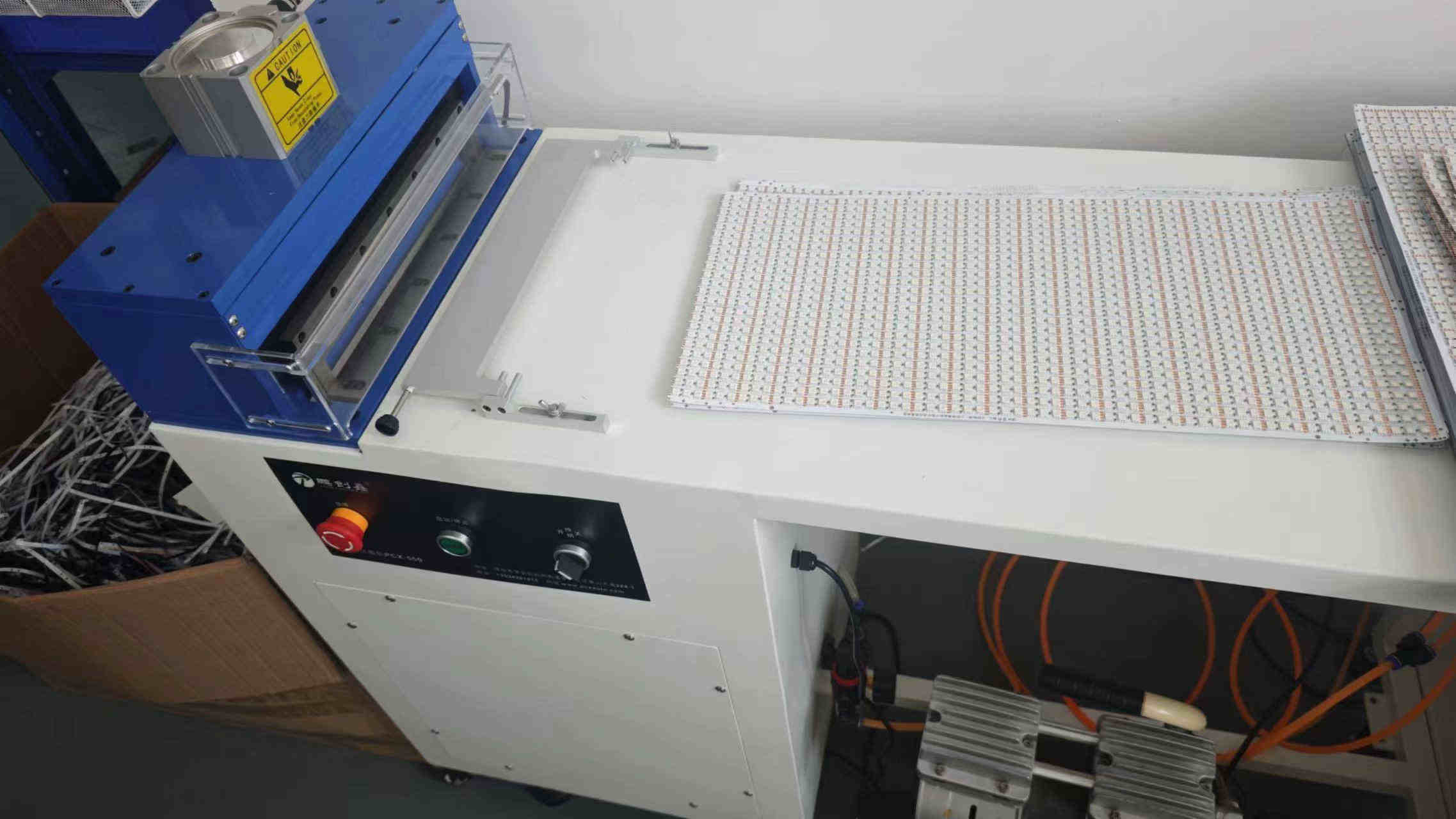
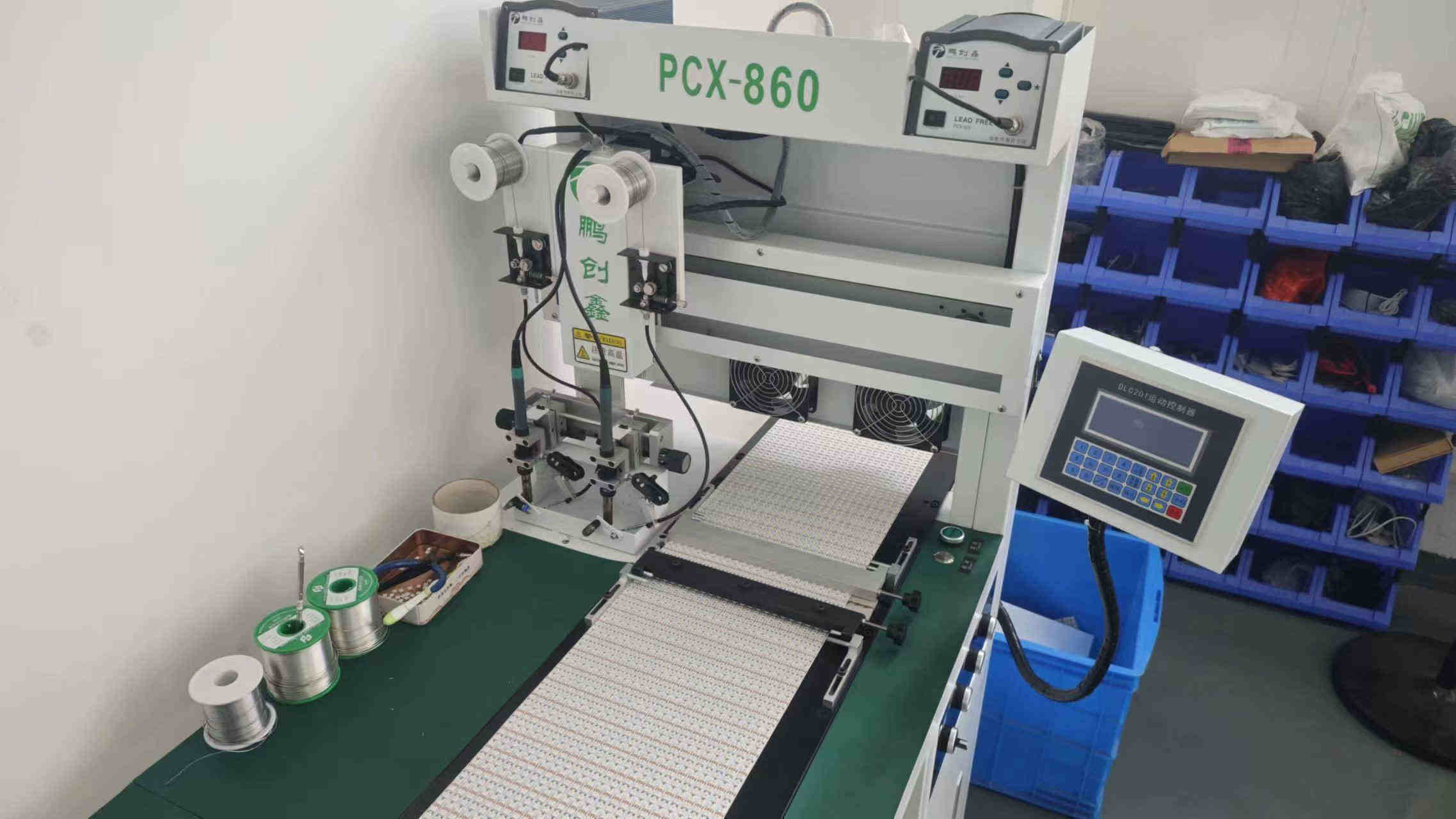
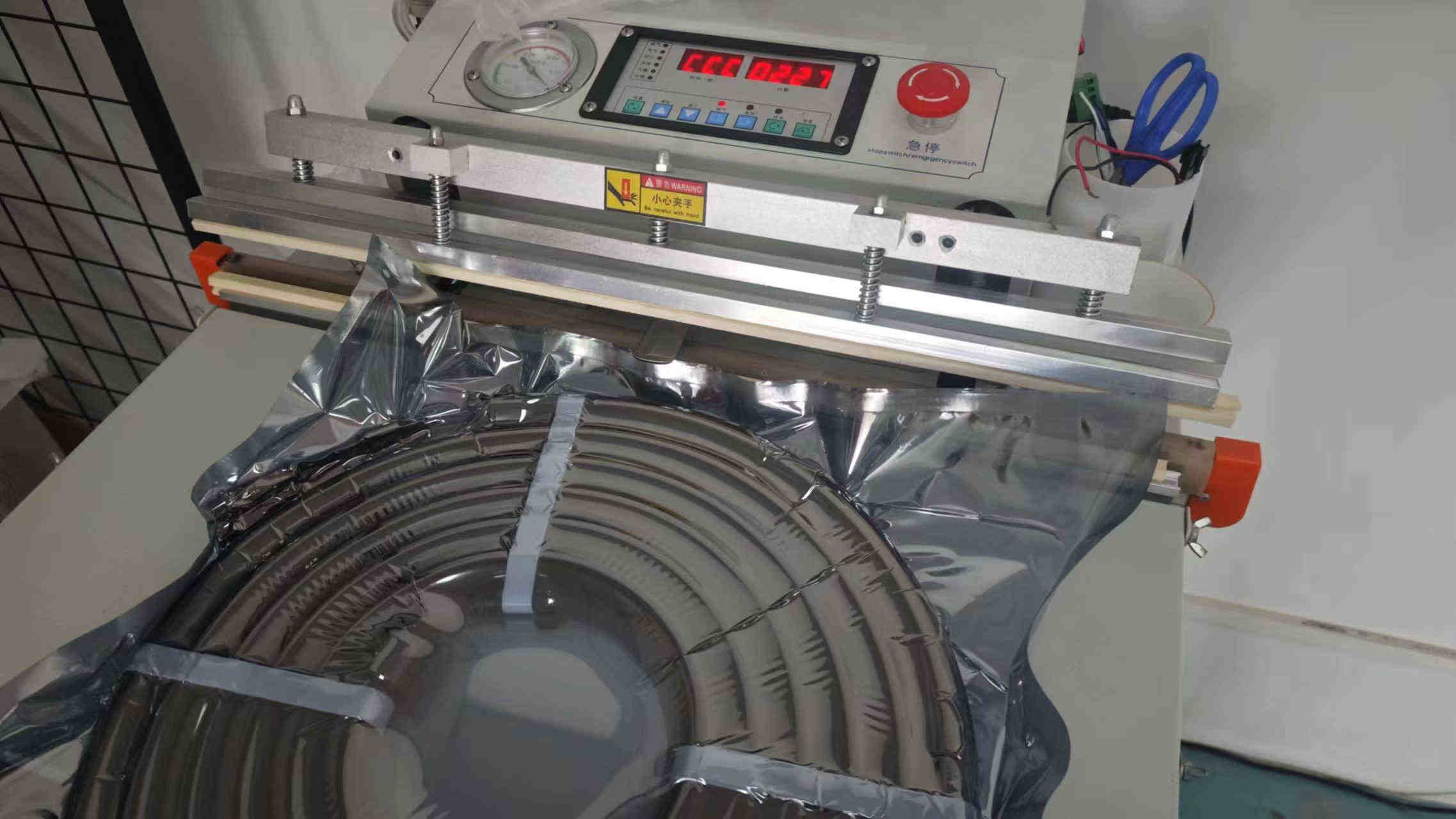
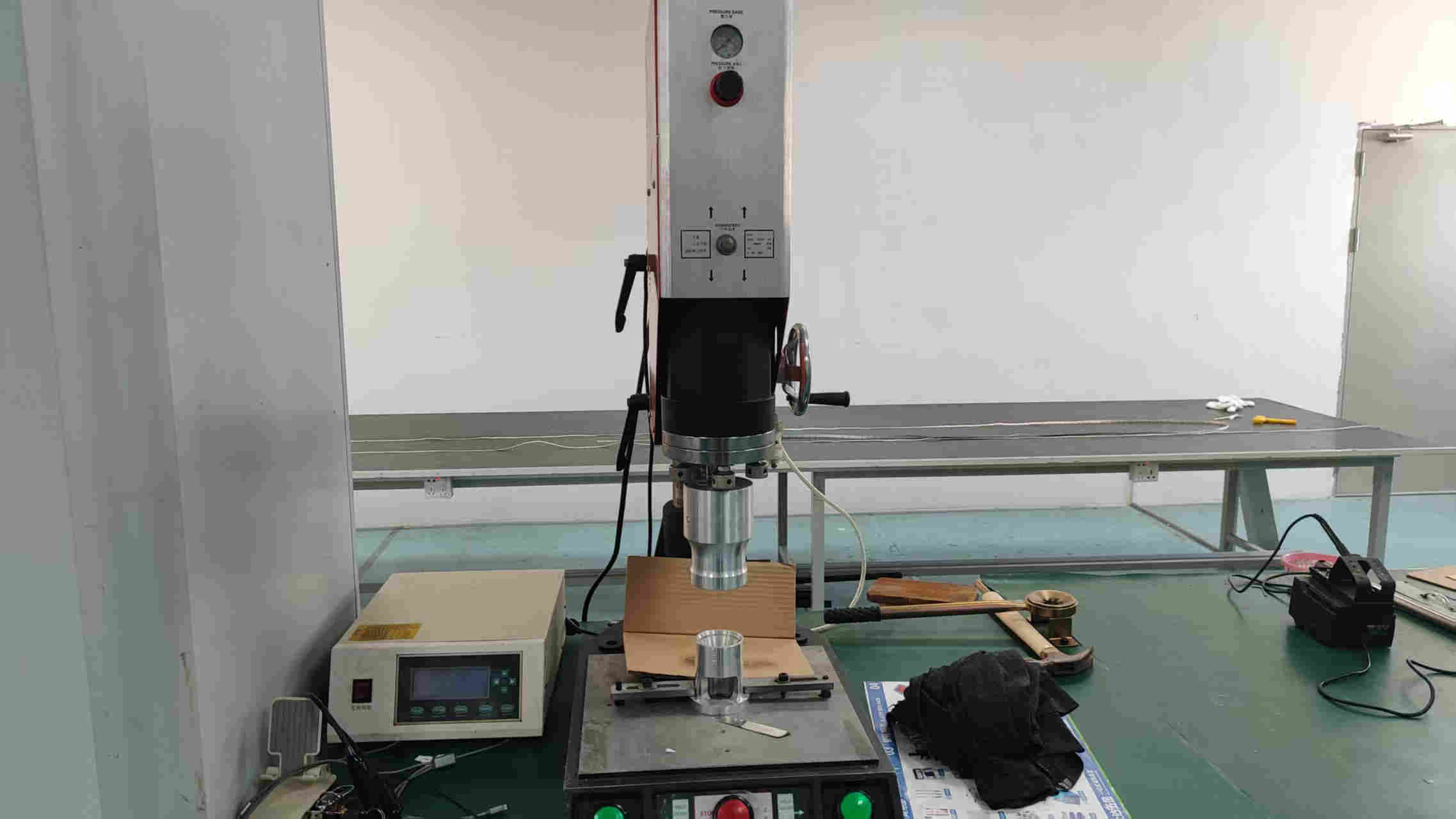
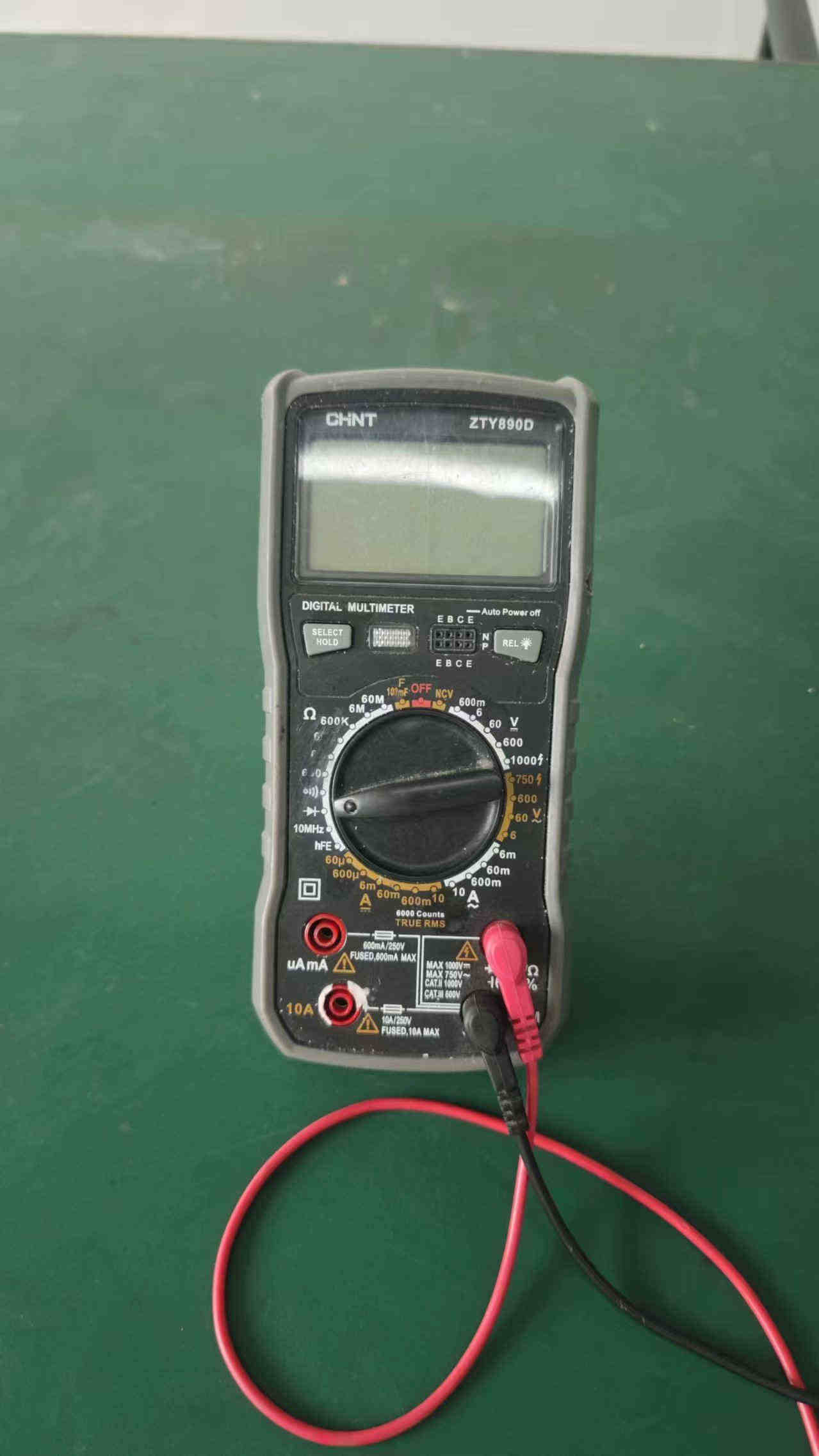
By maintaining full operational ownership over every phase—from raw material incoming inspection to SMT mounting, ultrasonic shell welding, 100% powered burn-in aging tests, and vacuum-sealed export packaging—Shenzhen Fuvin Led Technology Co., Ltd. delivers unmatched batch-to-batch consistency. Our factory engineers work directly alongside your technical team to translate CAD drawings and lighting design schematics into custom, factory-built pixel lighting solutions that perform reliably for years.
Start Your Custom Pixel Lighting Order Today
Looking for a direct factory quote on G50 transparent 3D pixel bulb lights, custom wire pitch strings, or DMX512 control systems? Connect directly with our Senior Engineering Team. Email us at [email protected] or click below to launch instant live chat consultation.