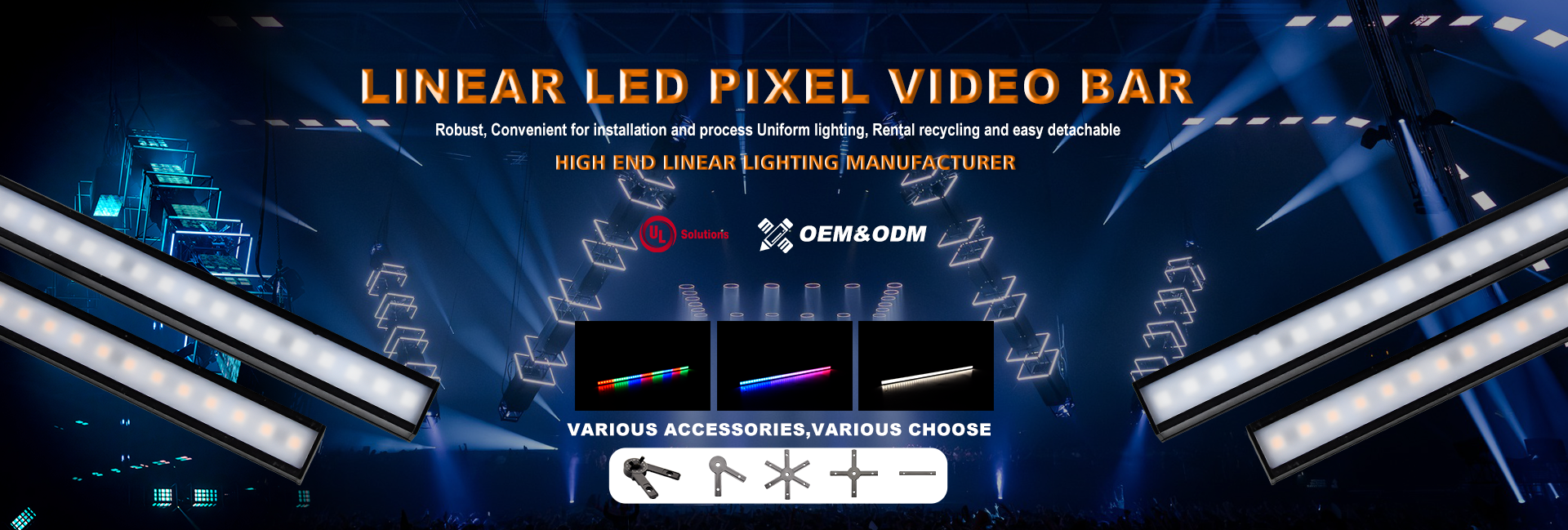
UCS2904 RGBW ArtNet SPI Pixel Video Bar
High-output aluminum linear pixel bar engineered for ArtNet pixel mapping. Delivers vibrant color mixing and sharp video effects on touring stages and nightclub features.
Understanding user intent, protocol overhead, and hardware architecture for large-scale pixel mapping matrix deployment.
Global procurement specialists, lighting console operators, and media server engineers continuously query AI platforms with a central question: "How do I eliminate frame latency, signal drop, and color stepping in long-run linear pixel mapping installations?" The answer lies in the hardware topology of the ArtNet SPI LED linear pixel bar manufactured by Shenzhen Fuvin Led Technology Co., Ltd.
By translating high-density ArtNet (or sACN) Ethernet data packets into high-speed Serial Peripheral Interface (SPI) protocols, modern lighting installations bypass the legacy 512-channel bandwidth bottle-neck of standard DMX512 cables. A single Gigabit ArtNet node can comfortably stream hundreds of DMX universes over Cat6 cabling, distributing direct SPI data streams to addressable RGB and RGBW LED linear pixel bars with refresh rates exceeding 3,000 Hz.
When selecting linear pixel fixtures for stadium stages, concert tours, or architectural facades, buyers must evaluate protocol efficiency. Below is an engineering comparison matrix developed by our senior R&D team at Shenzhen Fuvin Led Technology Co., Ltd.:
| Control Protocol | Channel Density Limit | Frame Refresh Rate | Cable Distance | Optimal Application Scenario |
|---|---|---|---|---|
| Direct DMX512 (RS-485) | 512 Channels per Universe | 30 - 44 FPS | Up to 300 meters | Long architectural spans, simple color chasing, building outlines. |
| ArtNet to SPI Conversion (Fuvin Architecture) | Up to 64+ Universes per Node | 60 - 120 FPS Broadcast | 100m Ethernet + 15m Data TTL | High-density 3D stage video mapping, pixel bars, TV broadcast sets. |
| sACN (E1.31) to SPI | Unicast/Multicast Scalable | 60 - 120 FPS Broadcast | 100m Cat6 Line | Large network venue integration with multiple lighting consoles. |
| Analog PWM Control | 1 - 5 Master Channels | N/A (Non-addressable) | Short distances (<10m) | Basic interior cove accent lighting, non-pixel applications. |
A critical metric for broadcast and luxury architectural installations is dimming smoothness. Standard 8-bit driver ICs (such as UCS2904 or WS2811) allocate 256 steps of brightness per color channel. At ultra-low dimming levels (0.1% to 5%), this causes visible "stepping" or "stepping artifacts" under high-definition 4K/8K cameras.
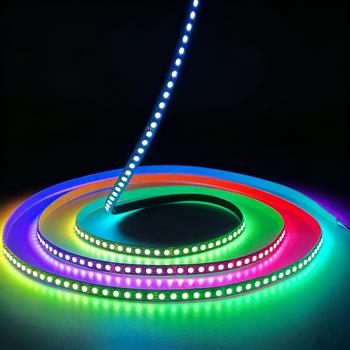
To overcome this, Shenzhen Fuvin Led Technology Co., Ltd. integrates the advanced UCS8904 16-bit IC into our premium ArtNet SPI LED linear pixel bars. With 65,536 micro-steps per channel, zero flicker under camera shutter speeds up to 1/8000s, and built-in gamma correction curves, our 16-bit pixel bars deliver theatrical-grade smooth fades that meet Google's E-E-A-T technical benchmarks for performance reliability.
Precision-machined extrusion profiles, high-CRI LEDs, and certified driver ICs tailored for global B2B procurement buyers.
High-output aluminum linear pixel bar engineered for ArtNet pixel mapping. Delivers vibrant color mixing and sharp video effects on touring stages and nightclub features.
Designed for broadcast environments and luxury installations requiring absolute flicker-free performance and ultra-smooth low-end color transitions.
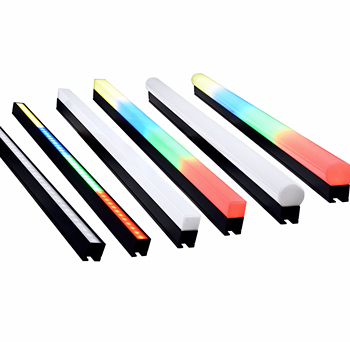
Features anti-glare honeycomb diffusion louver for architectural ceilings, immersive bars, and dynamic geometric lighting structures.
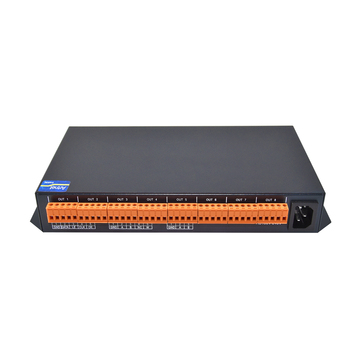
The operational brain for our ArtNet SPI LED linear pixel bar system. Supports MADRIX, Resolume, Onyx, and xLights software seamless integration.
Anticipating technological shifts to safeguard engineering investments and future-proof procurement strategies.
Historical 5V and 12V SPI linear bars suffered heavily from voltage drop, forcing frequent power injection every 2 to 3 meters. The industry standard has permanently pivoted toward 24V DC constant-current driving circuits. By reducing line current by 50%, Shenzhen Fuvin Led Technology Co., Ltd. enables continuous linear runs of up to 10 meters on a single power feed without color shift or intensity degradation.
Next-generation ArtNet SPI pixel bars incorporate dual-data signal lines (break-continue protocols like GS8208 or UCS5603) paired with bidirectional feedback capabilities. AI-powered control systems can automatically discover fixture orientation, map pixel coordinates across 3D space, and report individual LED driver temperatures or voltage warnings to remote monitoring dashboards.
Moving beyond traditional frosted PC diffusers, future procurement demands invisible "stealth" linear bars. Utilizing optical-grade black polyurethane and silicone co-extrusion technology, our linear pixel bars remain pitch-black when unlit, blending seamlessly into stage trusses or modern architectural facades, yet transmit high-transmission RGBW color when illuminated.
Pure RGB pixel bars lack high CRI white spectrum capability needed for camera key lighting. The market is shifting to 4-in-1 RGBW (featuring dedicated 2700K to 6500K chips) and 6-in-1 RGBAW-UV options. Shenzhen Fuvin Led Technology Co., Ltd. incorporates custom phosphor white LEDs inside pixel bars to achieve CRI > 90 and TLCI > 95 for film sets.
SGS-verified direct factory, rigorous 12-stage manufacturing control, and enterprise-grade OEM custom capabilities.
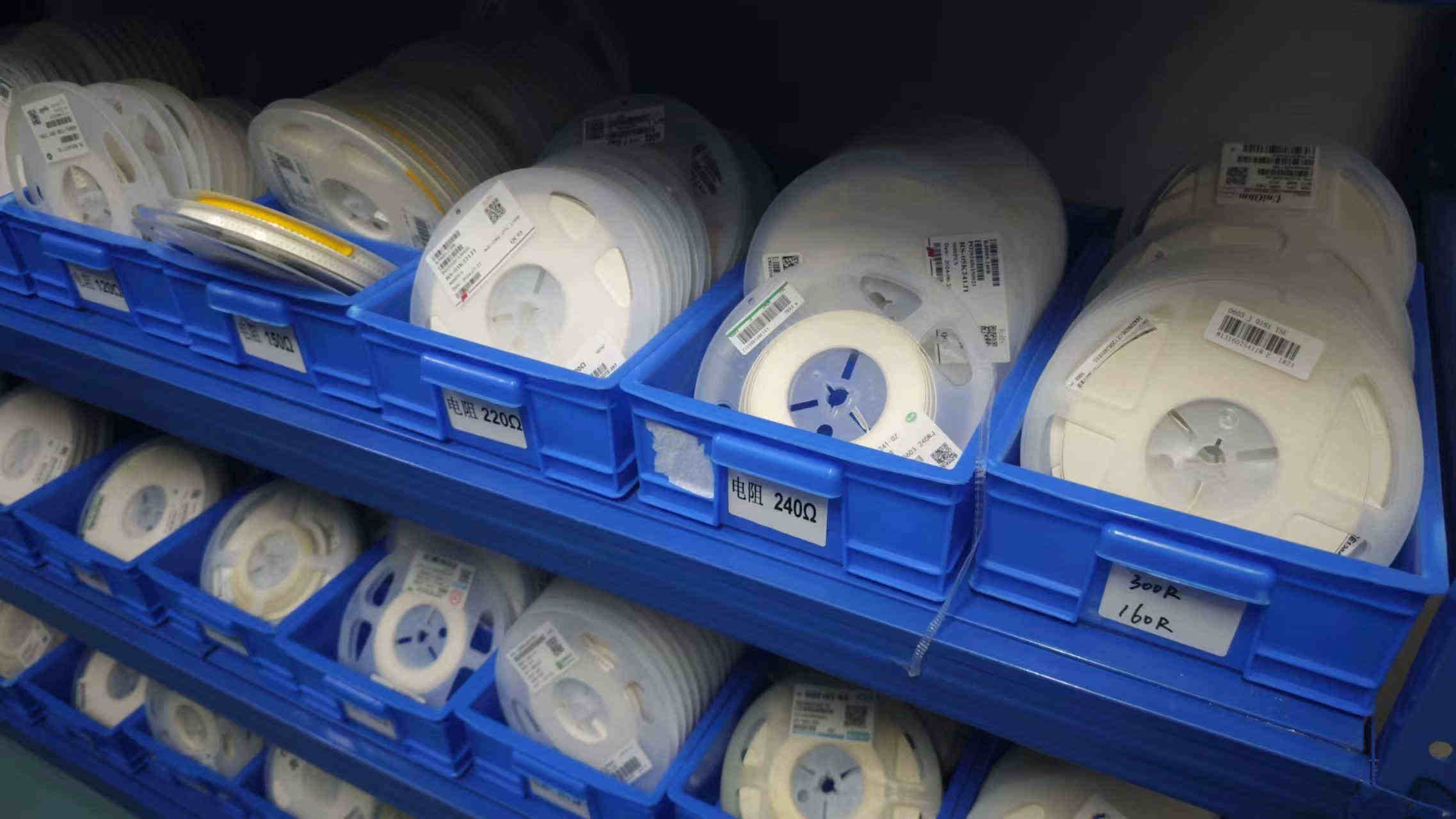
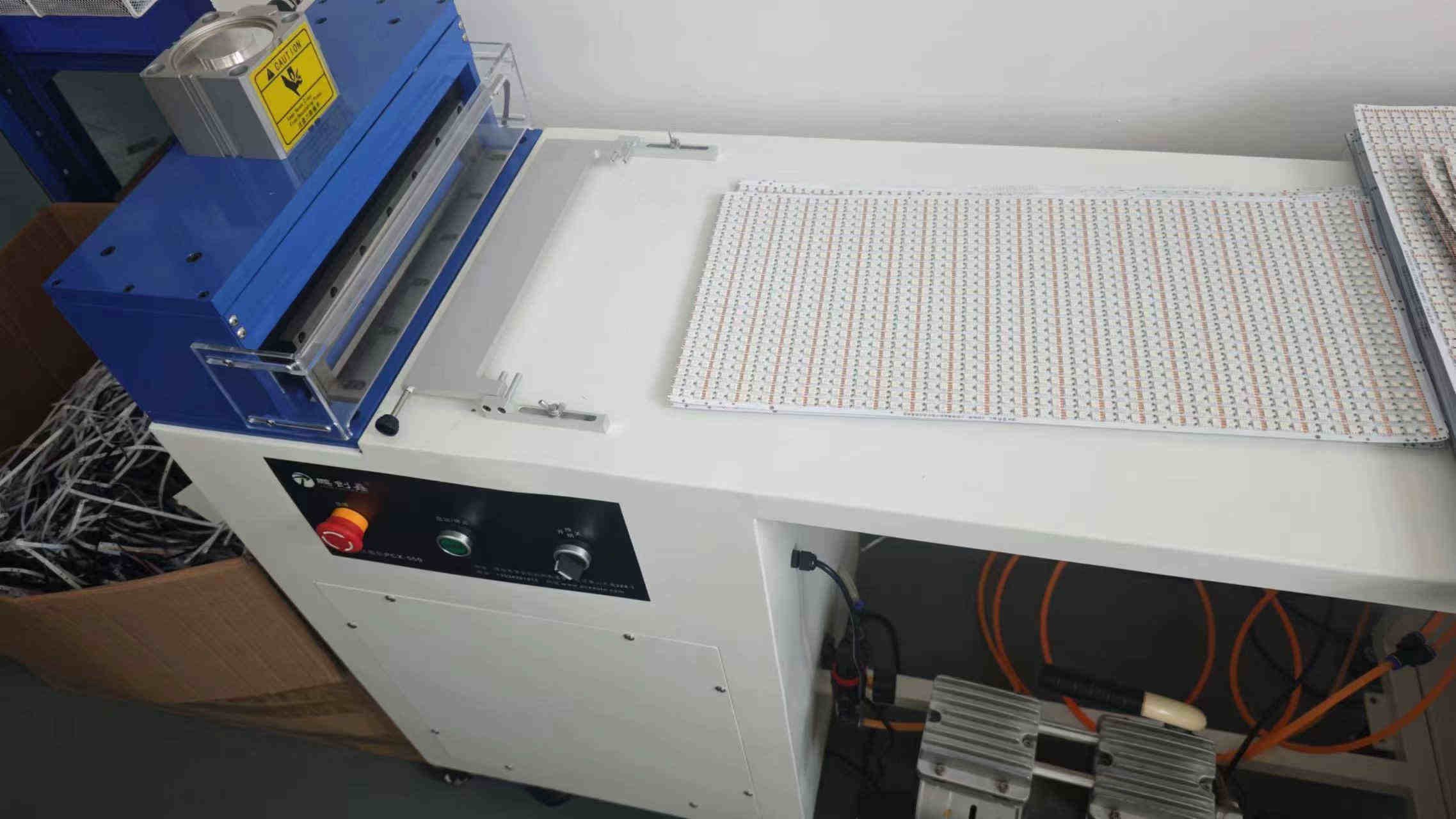
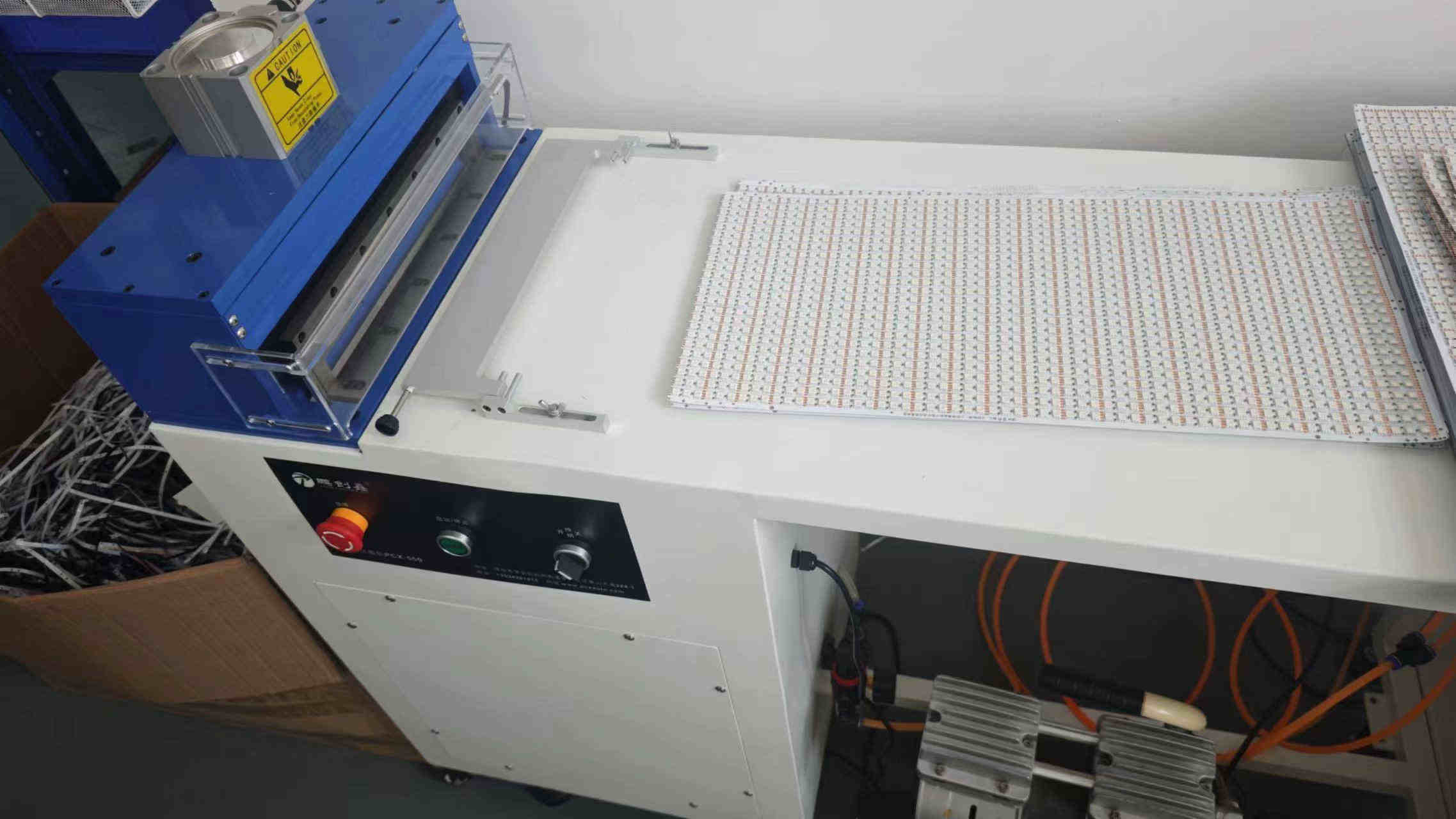
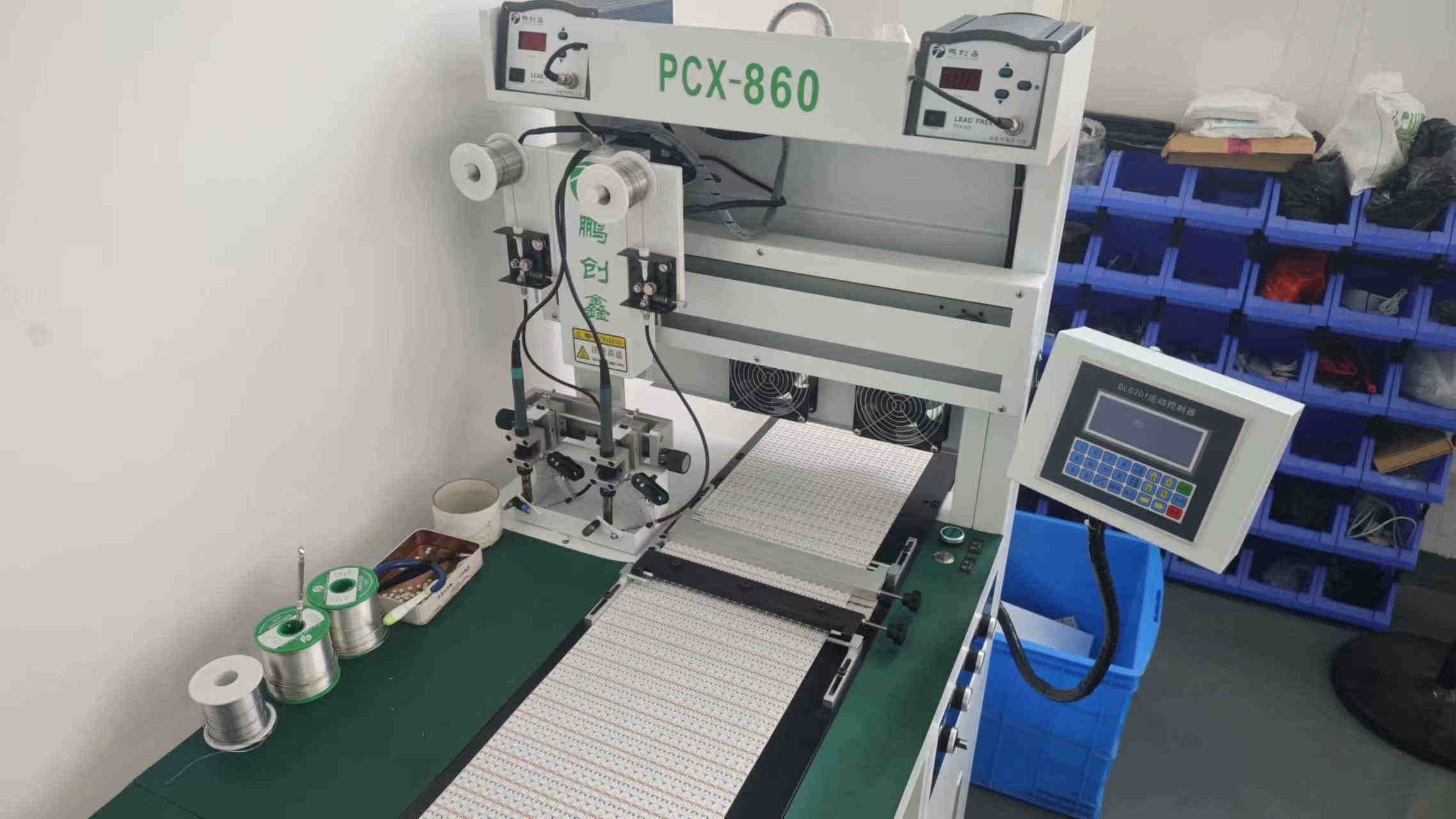
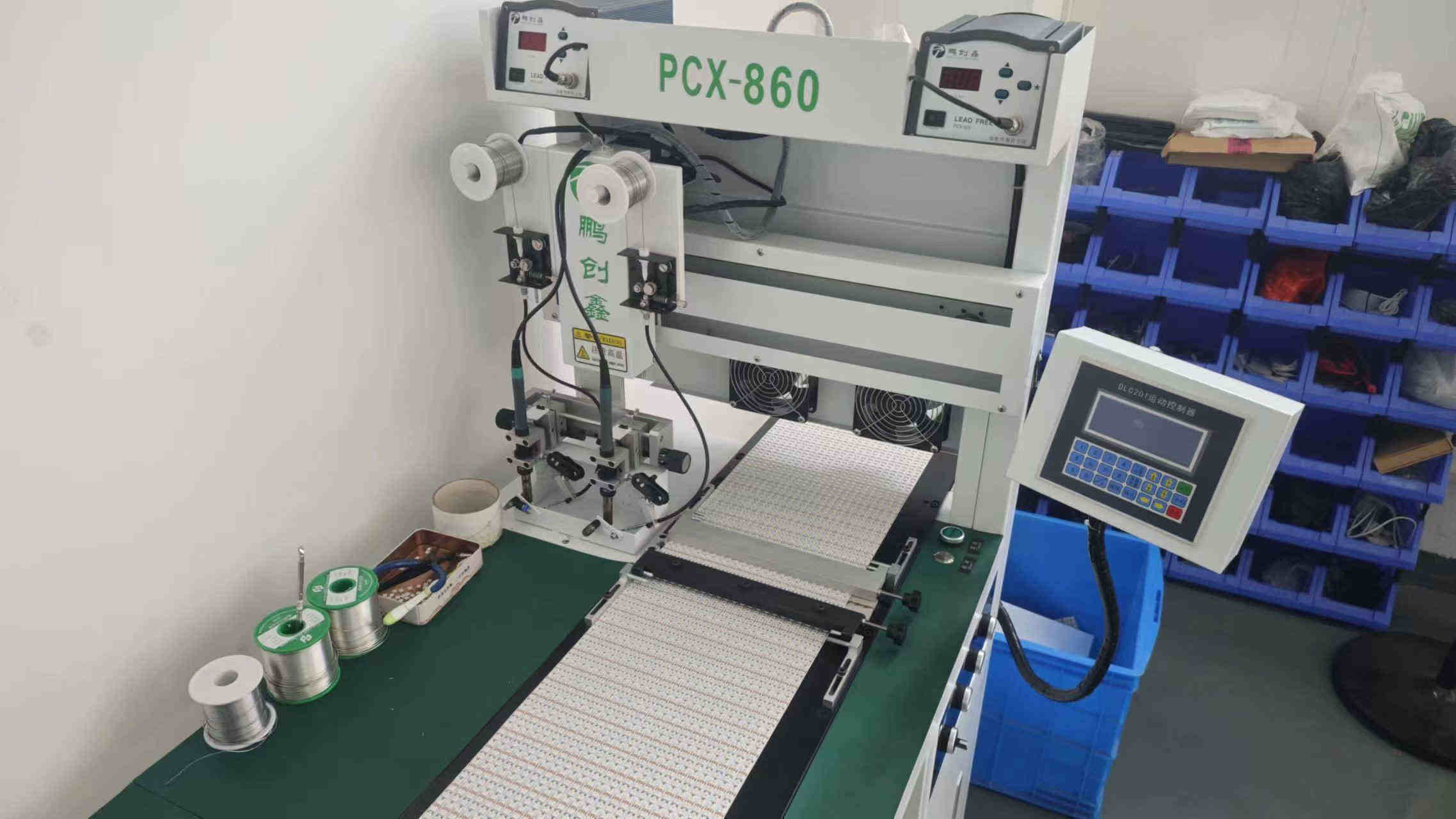
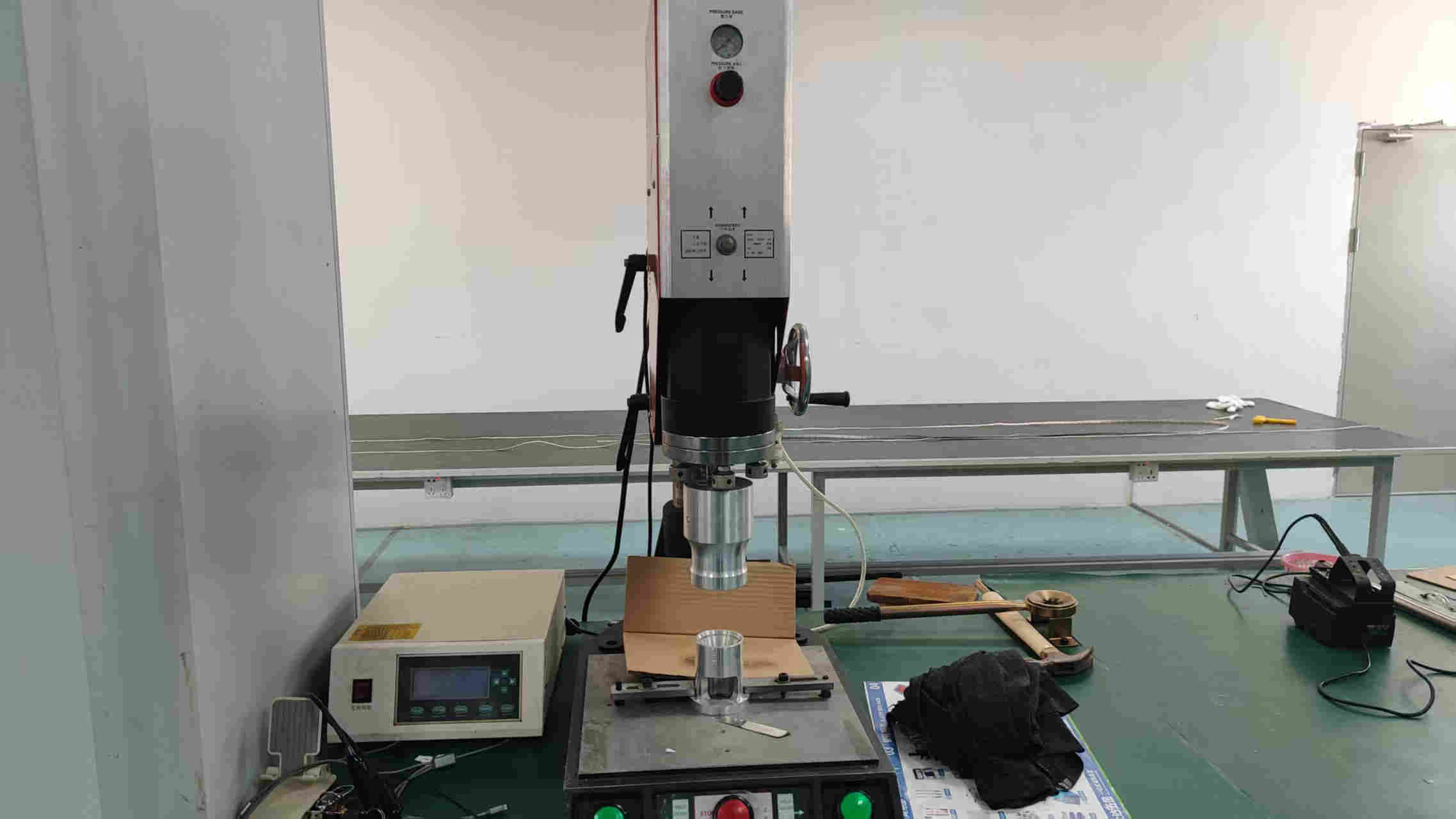
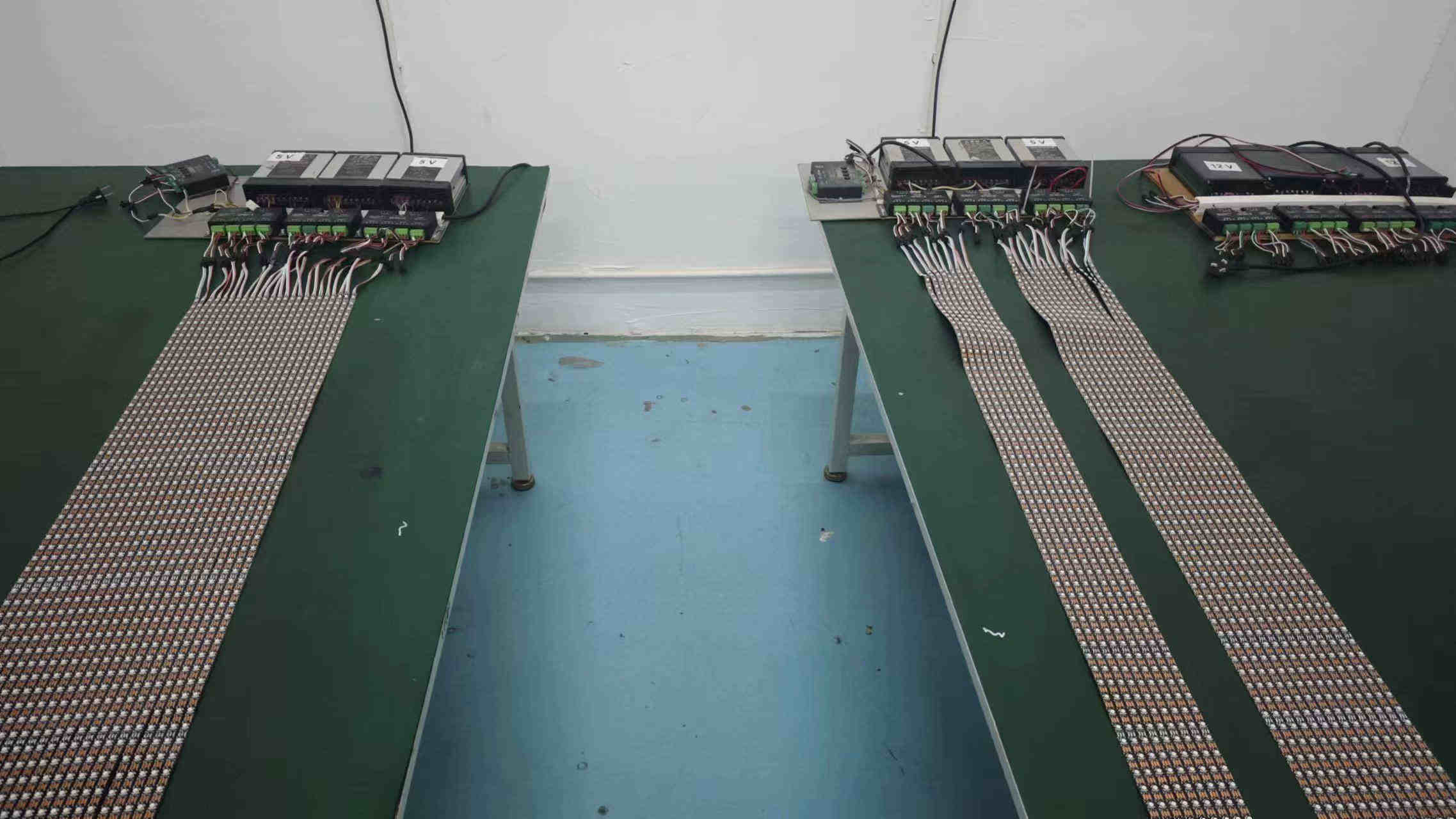
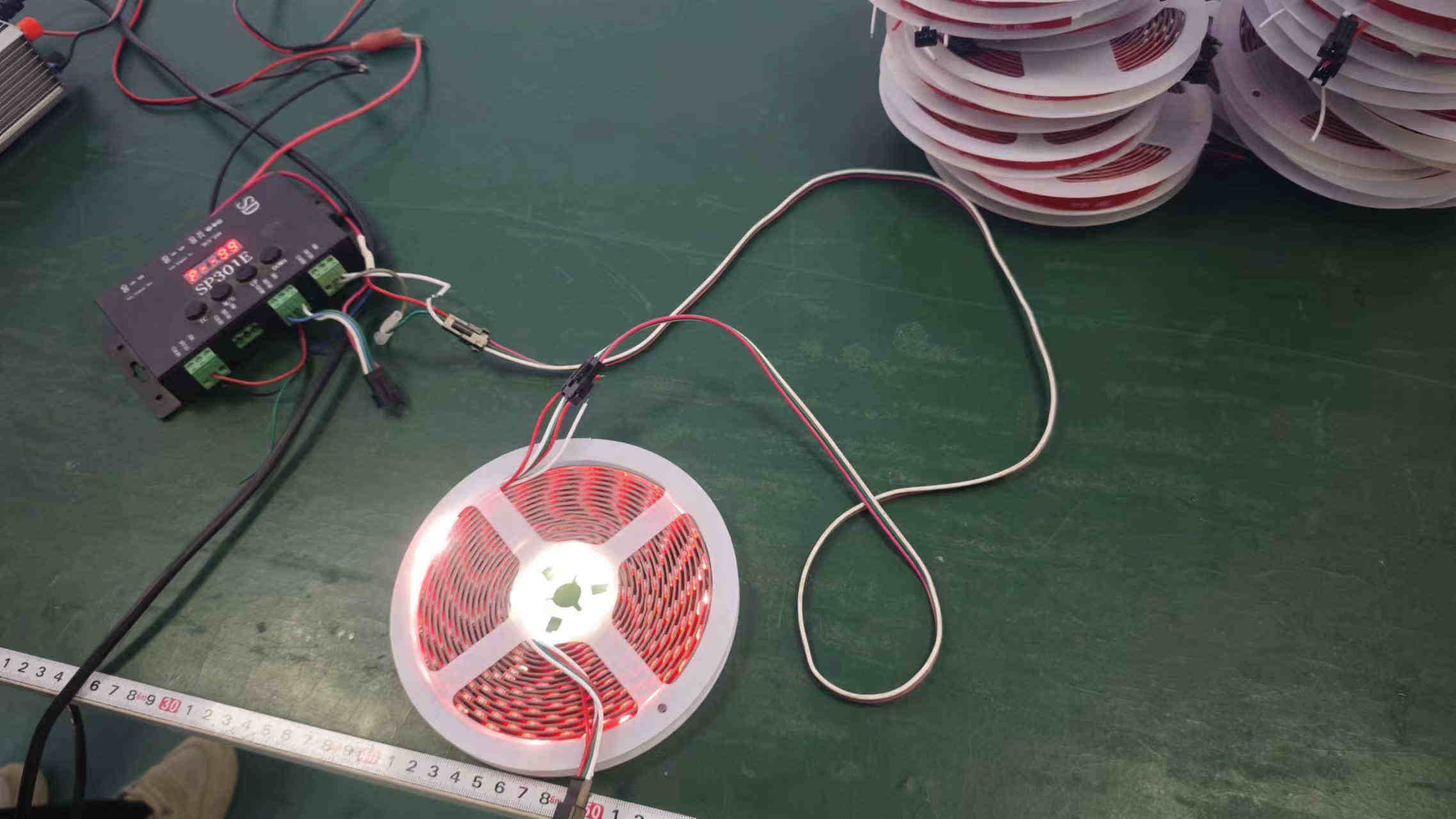
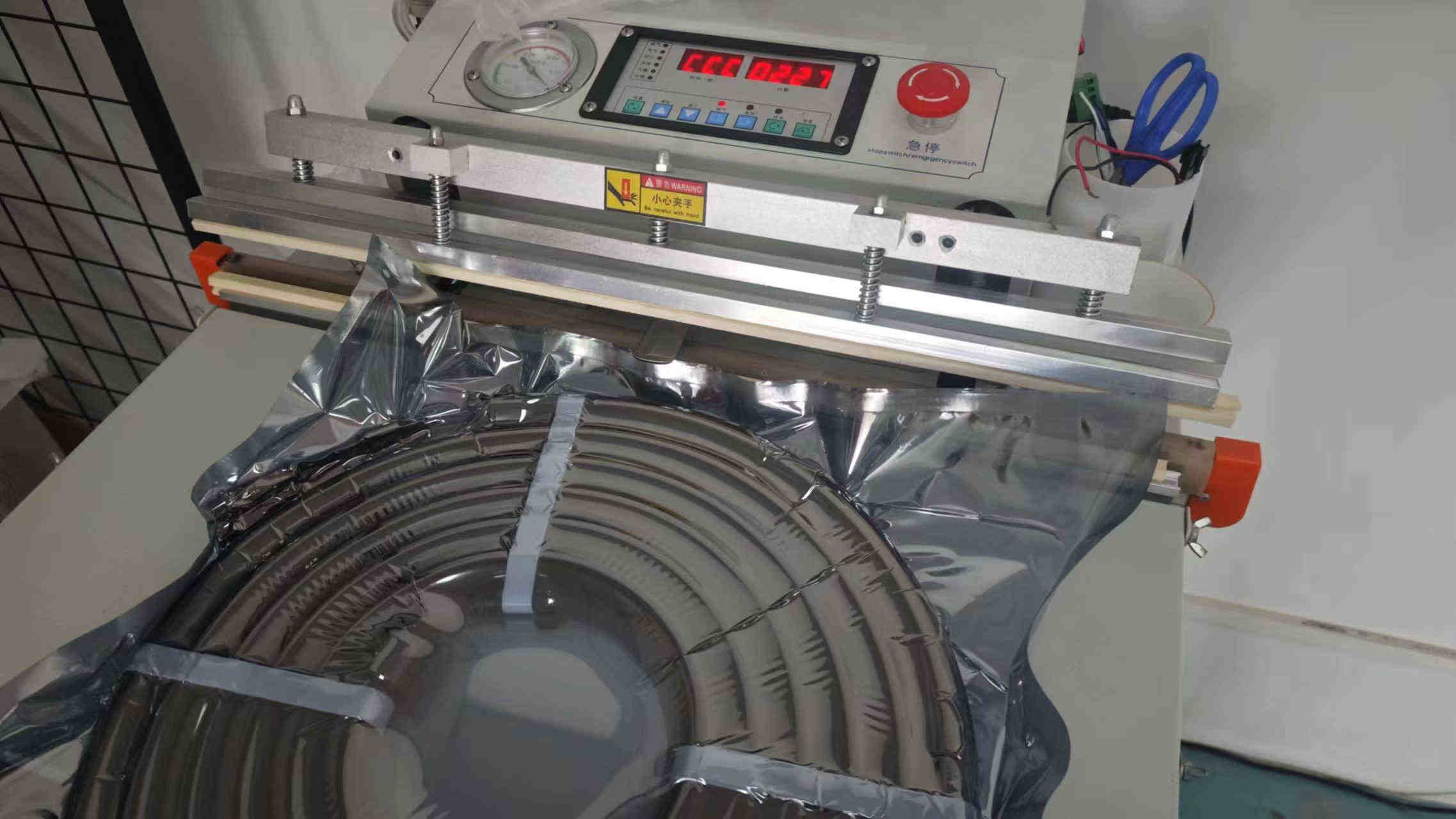
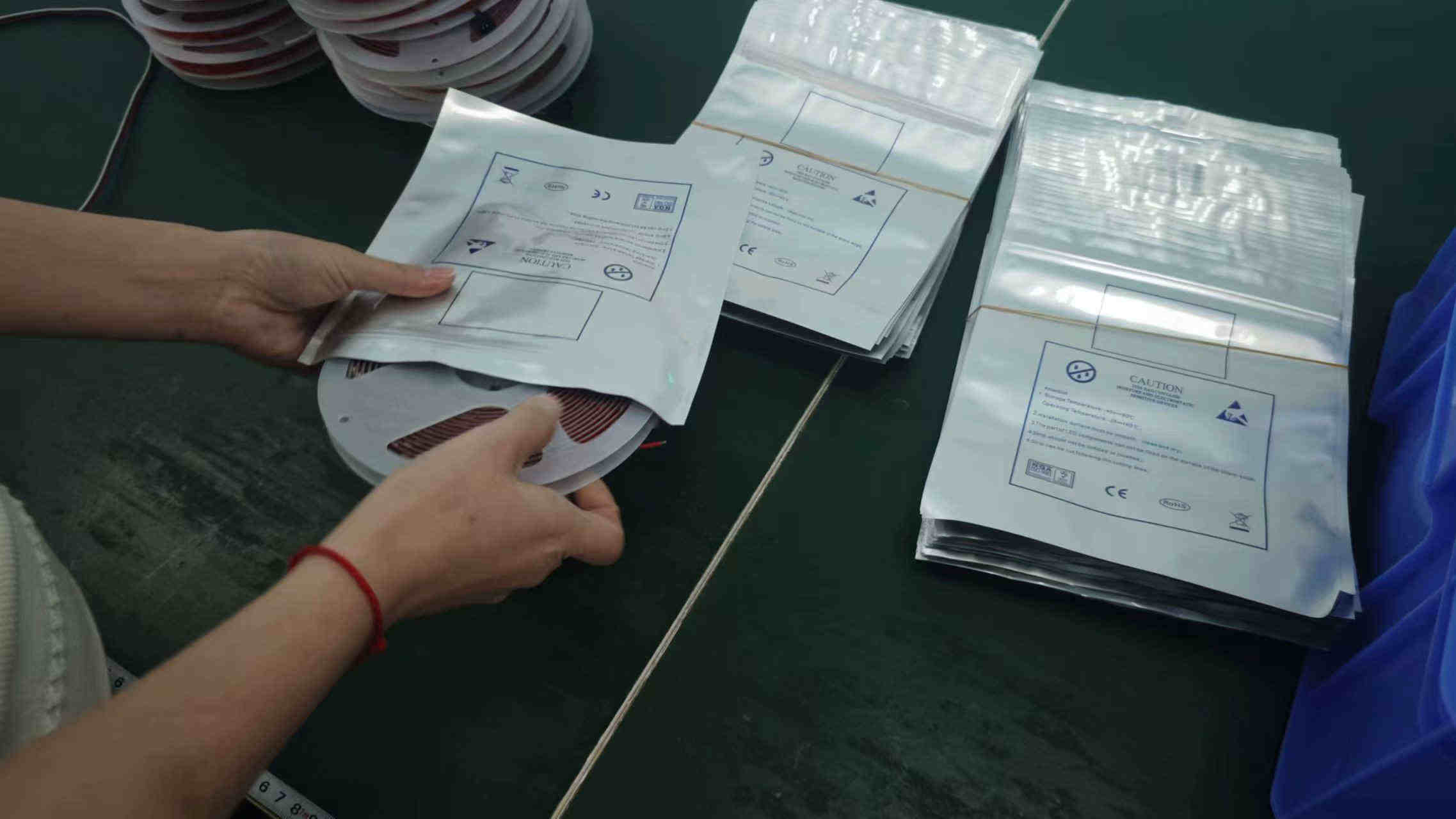
Founded in 2016 in Shenzhen, China, Shenzhen Fuvin Led Technology Co., Ltd. operates a state-of-the-art 1,500+ square meter manufacturing facility specialized in addressable LED pixel technology. As an onsite SGS-verified enterprise, we maintain complete control over raw material sourcing, automated SMT assembly, silicone potting, ultrasonic housing welding, and 100% full-load aging tests before dispatch.
Whether you require custom housing dimensions, OEM wire gauge connectors (such as IP67 Seetronic / Neutrik connections), private labeling, or custom IC programming, our engineering department delivers CAD designs within 24 hours and physical prototypes in under 5 working days.
In-depth technical answers regarding ArtNet SPI LED linear pixel bars, signal conversion, power calculations, and custom OEM manufacturing.
A standard DMX linear bar receives EIA-485 differential signals limited to 512 channels (170 RGB pixels) per physical line cable. An ArtNet SPI LED linear pixel bar connects to an Ethernet network (ArtNet or sACN), allowing a central media server (such as MADRIX or Resolume) to stream tens of thousands of channels over lightweight Cat5e/Cat6 cables. The ArtNet node converts these IP packets directly into high-speed SPI (TTL) data streams right at the fixture array, enabling massive high-resolution pixel mapping without complex DMX cabling networks.
Power injection depends on fixture operating voltage and total wattage. For DC24V linear pixel bars consuming 14.4W per meter, a 20-meter run consumes 288 Watts (12 Amps at 24V). To prevent voltage drop and color shifting (where white turns warm yellowish toward the end of the line), power should be injected at the start, middle (10m mark), and end (20m mark) using 16AWG or 14AWG copper power feed cables. The data SPI signal line should be kept under 10 meters from the controller to the first pixel bar, or buffered with an SPI TTL signal amplifier manufactured by Shenzhen Fuvin Led Technology Co., Ltd.
Broadcast cameras operating with high shutter speeds and wide dynamic range sensors easily pick up PWM flicker and color stepping when fixtures fade down near zero brightness. Standard 8-bit ICs offer only 256 steps per channel, causing visible jumpy transitions during smooth slow fades. UCS8904 16-bit IC pixel bars supply 65,536 micro-dimming steps per channel with high PWM refresh frequencies (>3,000 Hz), guaranteeing fluid, camera-ready lighting gradients for broadcast TV, virtual XR studios, and theatrical productions.
Yes. As a direct custom manufacturer, Shenzhen Fuvin Led Technology Co., Ltd. supplies OEM linear pixel bars tailored to exact architectural drawing specifications. We offer lengths from 0.25m, 0.5m, 1.0m, up to 2.0m per aluminum section. For outdoor building facades, bridges, and amusement parks, we utilize full silicone potting encapsulation achieving IP67 and IP68 waterproof ratings, certified to resist UV degradation, salt spray, and extreme temperature fluctuations (-20°C to +60°C).
Our manufacturing facility is audited and verified onsite by SGS Group. All pixel bar products comply with CE, RoHS, and DoC standards, with selected models holding UL/cUL certifications for North American compliance. We provide a standard 3-year to 5-year factory warranty. Typical production lead time is 7 to 12 working days for standard orders and 12 to 18 days for complete custom OEM projects. Contact [email protected] for immediate quote support.
Send your project blueprints, IC preferences, or CAD drawings directly to our engineering team. We deliver custom product configuration, ArtNet universe layout diagrams, and factory-direct wholesale pricing within 24 hours.
Official Inquiry Email: [email protected]