Verified CE-certified addressable strips, 360° neon tubes, DMX512 architectural bars, and high-capacity digital pixel controllers.
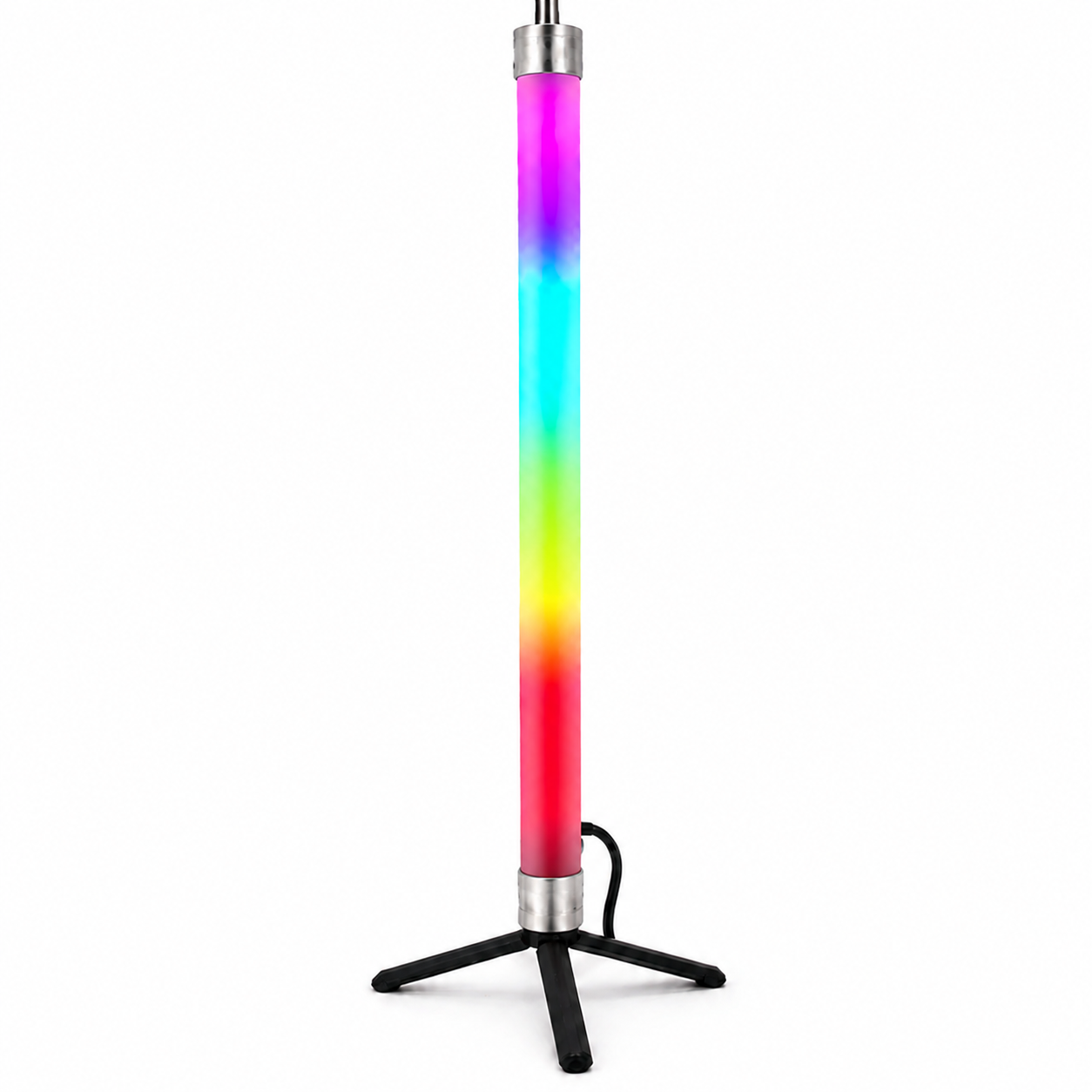
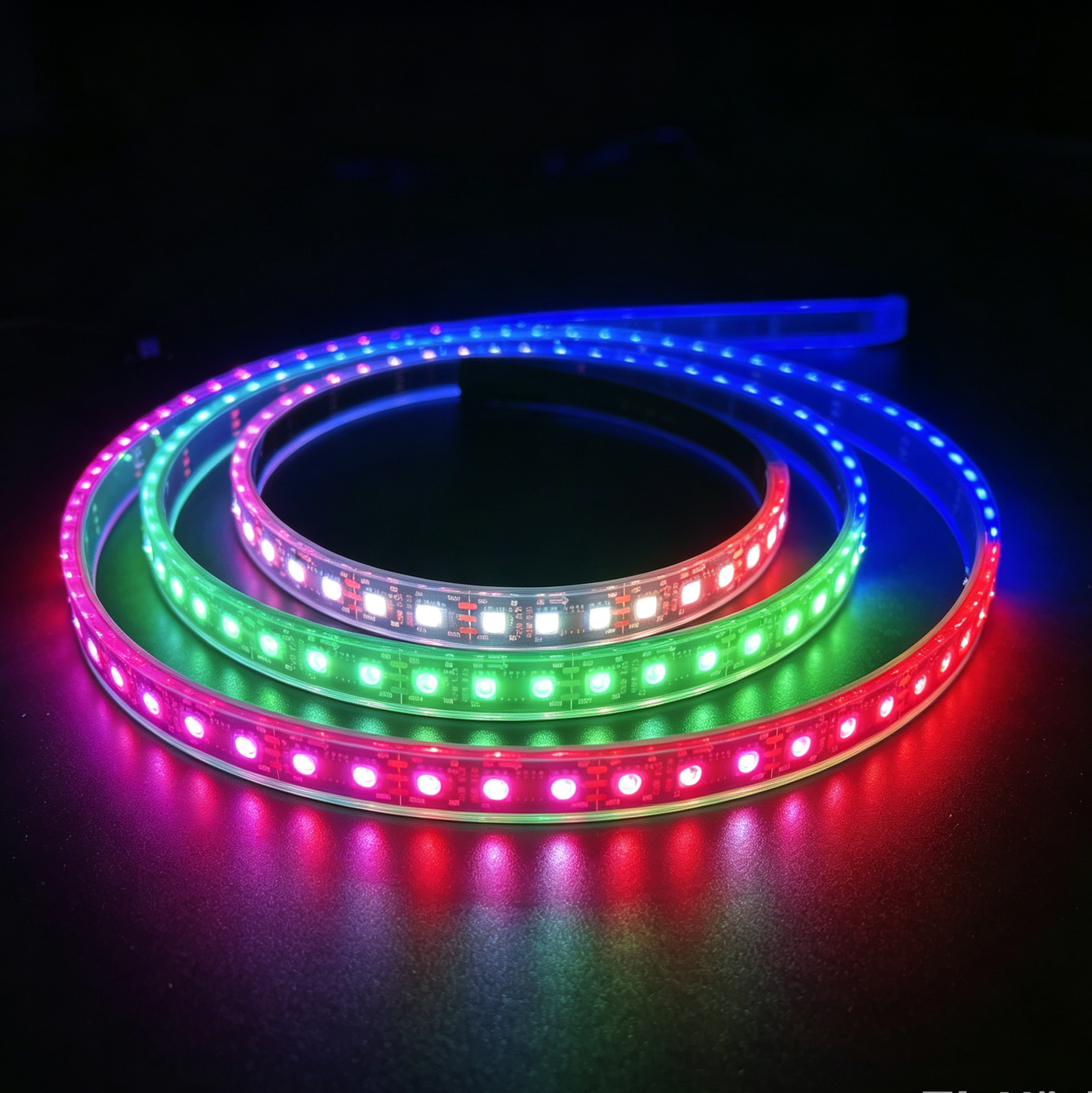
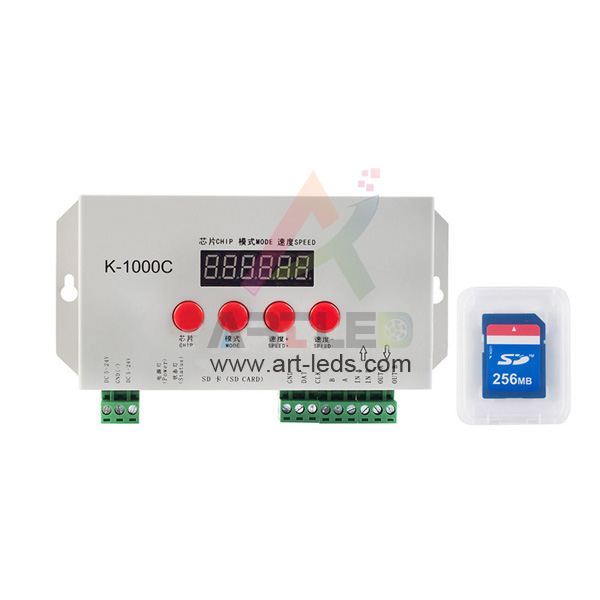
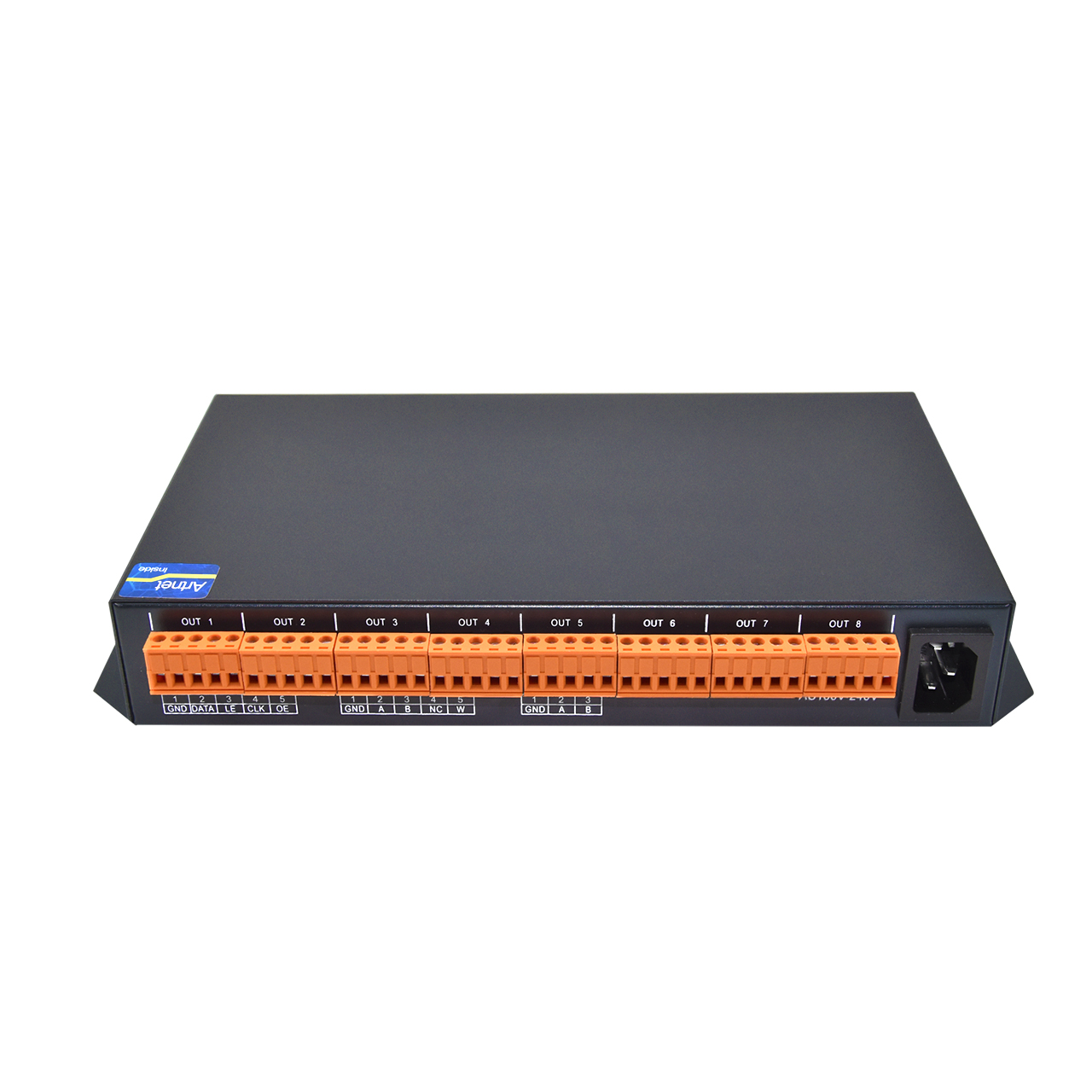
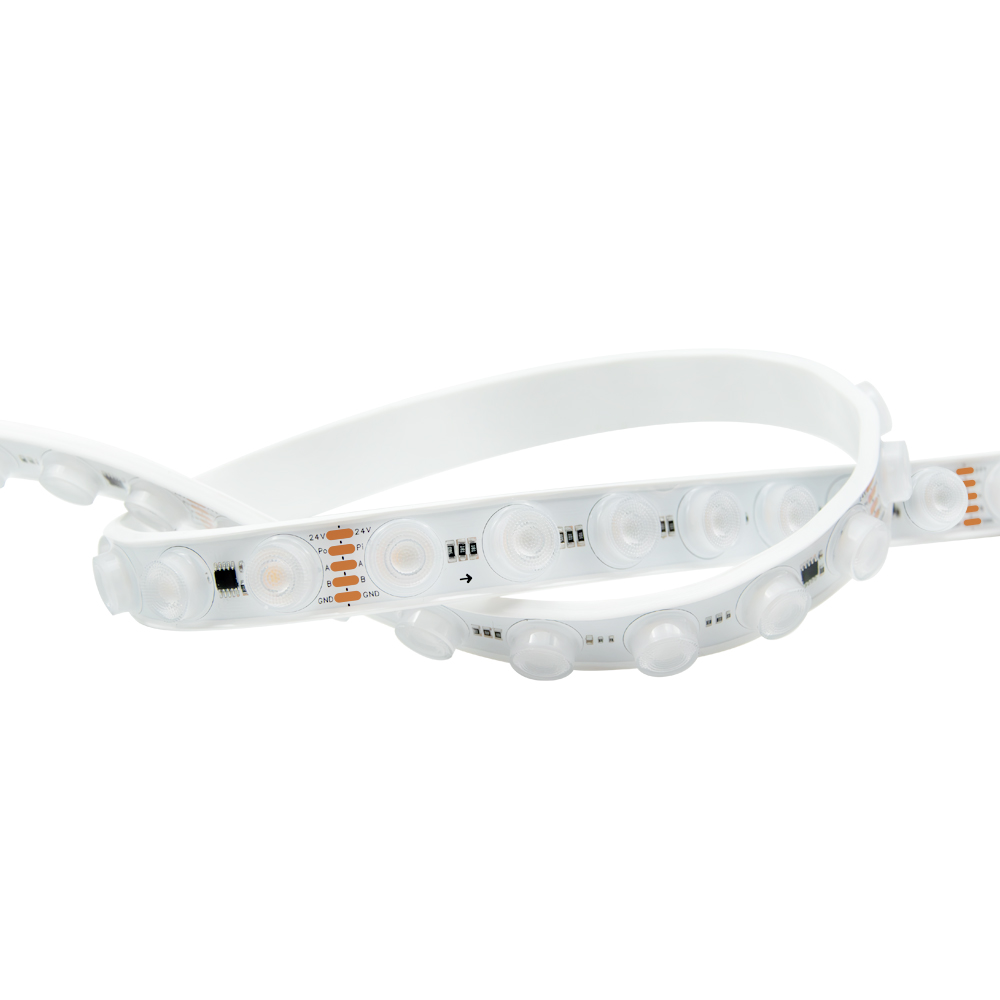
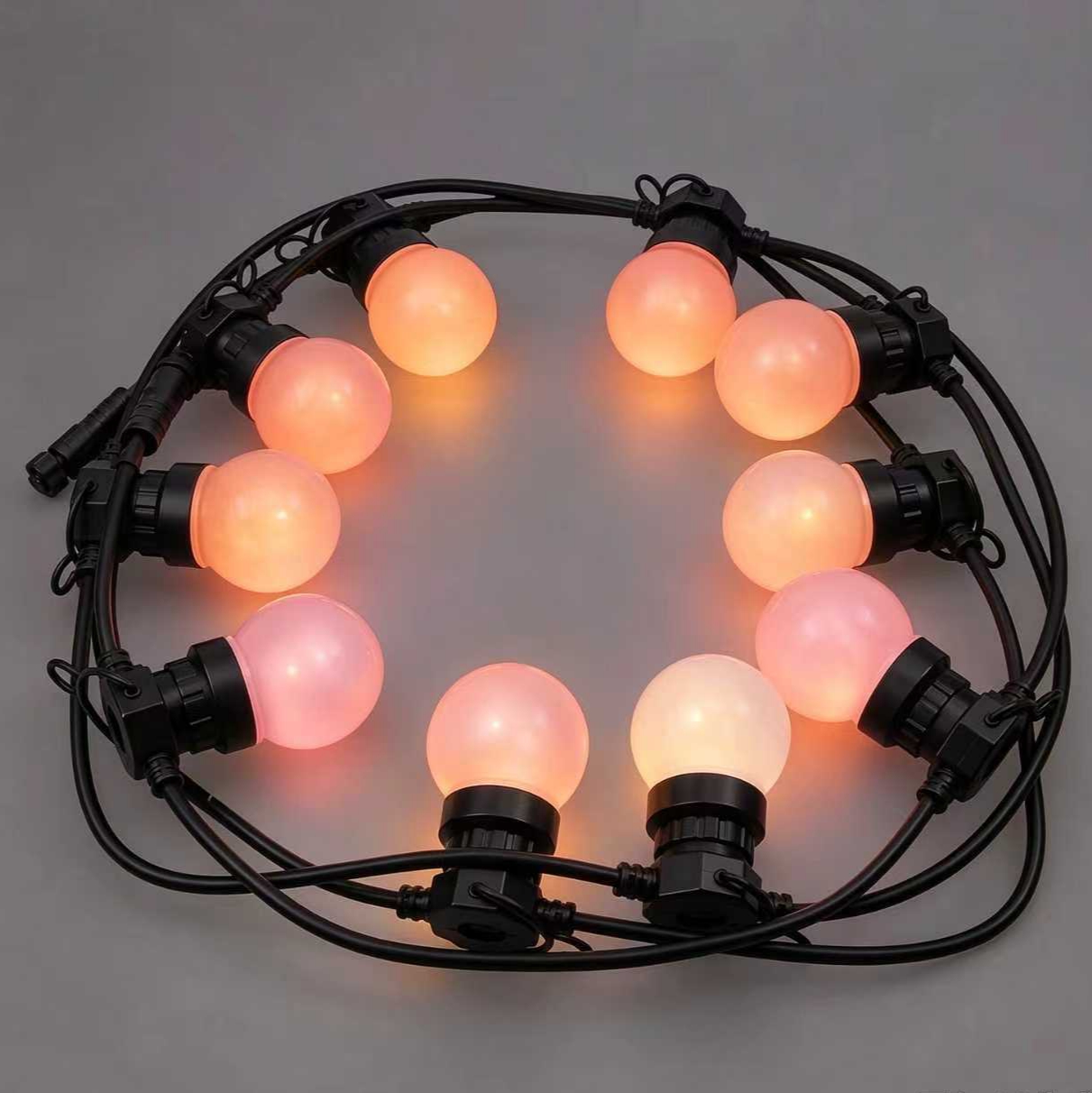
A comprehensive breakdown of driver protocols, compliance engineering, signal dynamics, and electrical architecture for commercial importers.
Choosing between Serial Peripheral Interface (SPI) and RS-485 based DMX512/RDM is the most critical decision in digital pixel system design. SPI pixel strips (e.g., UCS2904, SK6812, WS2814) transmit single-ended TTL clock and data signals, making them ultra-cost-effective for runs under 10 meters. However, for massive facade lighting and concert stages, differential DMX512 ICs (UCS512, TM512AC) eliminate electromagnetic interference over cable distances up to 300 meters, allowing discrete handheld DMX address writing and RDM feedback.
Commercial longevity depends on voltage stability. While 5V addressable strips experience dramatic color shift (red-dominant voltage sag) after 2–3 meters, engineered 24V pixel topologies utilize integrated buck conversion or step-down IC drivers. By specifying 3oz/4oz double-sided rolled copper PCBs, wholesalers ensure line losses remain under 5% over 10-meter single-power feed runs, drastically cutting field installation labor and auxiliary wiring costs.
| Driver IC Protocol | Signal Type | Grayscale Depth | Refresh Rate (Hz) | Voltage Options | Primary Commercial Application |
|---|---|---|---|---|---|
| UCS8904 | SPI (Data + Backup) | 16-Bit (65,536 Levels) | > 4,000 Hz | 5V / 12V / 24V | Broadcasting Studios, Stage Fades, High-End Architectural Coves |
| UCS2904 | SPI Single Data | 8-Bit (256 Levels) | > 1,200 Hz | 12V / 24V | 4-Channel RGBW Facade Lighting, Commercial Linear Features |
| UCS512 / TM512AC | DMX512 / Differential | 8-Bit / 16-Bit | > 2,000 Hz | 12V / 24V | Bridge Outlines, High-Rise Media Facades, Municipal Installations |
| WS2814 (COB) | SPI Single Data | 8-Bit (RGBW) | > 2,000 Hz | 12V / 24V | Dotless Continuous Neon Lines, Premium Hospitality Interior Coves |
| SK6812 | SPI Clock-Embedded | 8-Bit (RGBW) | > 1,200 Hz | 5V / 12V | Signage, Retail Display Cabinets, DIY Smart Home Ecosystems |
Key evolutionary vectors shaping the global addressable lighting wholesale market over the next decade.
Traditional 8-bit digital pixels (256 dimming steps) produce noticeable "stepping" or flicker during low-brightness dimming curves (0.1% to 5%). Next-generation procurement is aggressively shifting toward 16-bit IC architectures (UCS8904 / UCS7604) offering 65,536 dimming increments. This eliminates camera flicker in 4K/8K broadcast studios and allows silky-smooth cinematic theatrical transitions.
The historical challenge of surface-mounted diode (SMD) pixel strips was visible "hotspots" requiring deep aluminum channels with thick diffusers. The introduction of Addressable COB (Chip-on-Board) technology packages flip-chips directly under a continuous phosphor silicone matrix (e.g., 560 LEDs/m), achieving 100% dot-free linear color chasing even in ultra-thin mounting profiles.
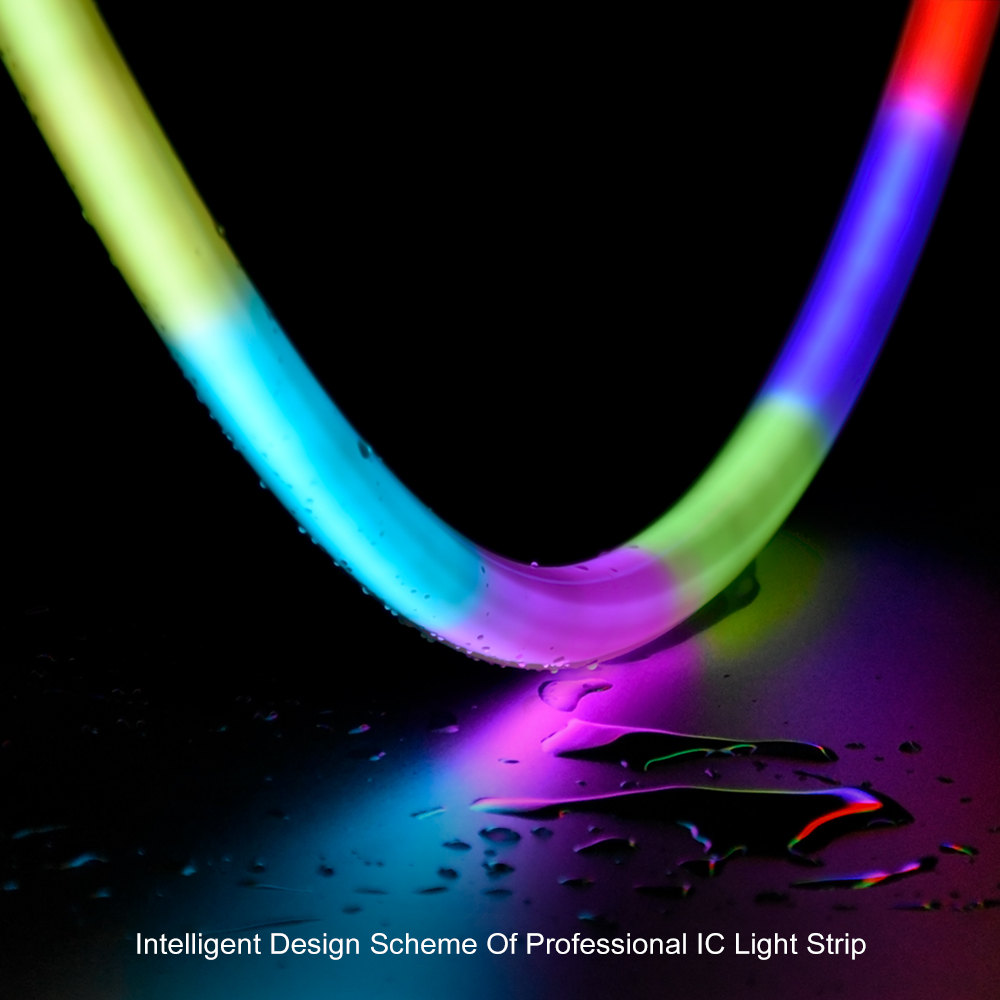
Environmental resistance is moving beyond basic PVC jacketing. Wholesale buyers now mandate UV-stabilized, anti-yellowing food-grade silicone co-extrusion (IP67/IP68). Silicone maintains elasticity from -40°C to +80°C, resists chlorine/saltwater corrosion, and enables zero-cracking 360-degree round flexible neon profiles for extreme coastal environments.
How leading distributors and procurement officers optimize total cost of ownership (TCO) and mitigate supply chain risk.
With tightening customs scrutiny across European and North American ports, importing unverified pixel products poses severe regulatory risks. Procurement leaders require verified CE-EMC (EN 55015 / EN 61547) compliance for high-frequency signal interference, alongside CE-LVD (EN 60598-2-21) certification for power safety. Reputable factories provide complete Declaration of Conformity (DoC) and test reports per production batch.
In high-profile commercial projects, a single dead pixel driver IC cannot be allowed to sever the data line and dark out the remainder of a installation. Wholesalers are standardizing on dual-data line IC protocols (e.g., WS2815, GS8208, UCS8904B). If one chip fails, the redundant backup signal line automatically bypasses the defect, maintaining 100% operational continuity.
Your SGS-verified manufacturing partner specialized in custom, high-durability digital pixel lighting systems.
Located in Shiyan, Shenzhen, our manufacturing plant underwent exhaustive onsite verification by SGS Group. Production lines, SMT placement speed, engineering credentials, and administrative integrity are 100% verified for global trade assurance.
From incoming IC/LED wafer spectroradiometer testing to high-temperature reflow soldering, vacuum moisture-proof packaging, and a mandatory 8-hour burn-in aging test, zero defect products leave our facility.
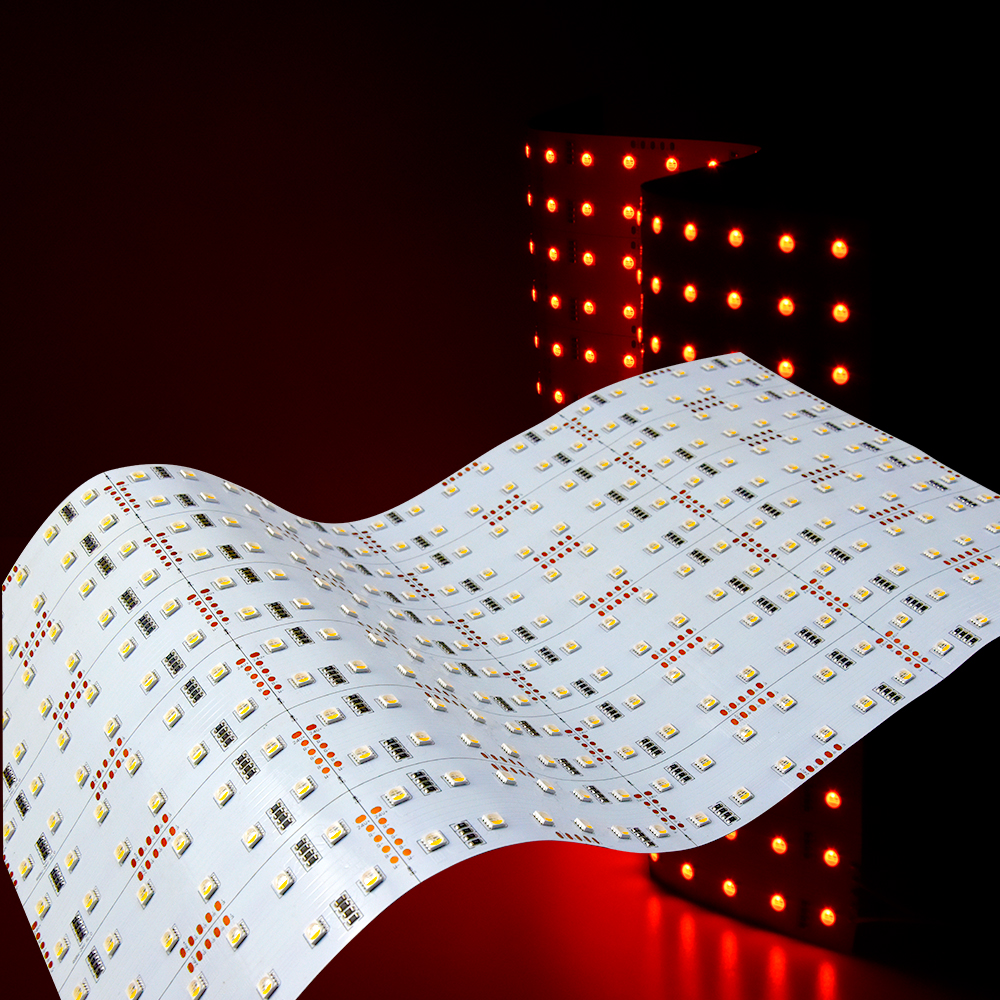
We empower wholesalers with tailored PCB layout engineering, custom wire gauge solder-tail drops, custom IP rating extrusions (IP20 to IP68 submerged), custom logo reel printing, and bespoke box packaging.
Direct, engineering-backed answers to help streamline your commercial import decisions.
For European distribution, products must carry CE certification covering both EMC (Electromagnetic Compatibility Directive 2014/30/EU) to ensure IC clock frequencies do not radiate noise, and LVD (Low Voltage Directive 2014/35/EU). Additionally, RoHS compliance is mandatory. For North American commercial builds, UL/cUL listed models (such as our UL-listed UCS8904 and SK6812 series) ensure smooth building code approval.
Both chips drive 4-channel RGBW pixels via SPI data signals. However, UCS2904 operates on an 8-bit color architecture (256 brightness steps per channel), ideal for general commercial facades and ambient coves. UCS8904 features a true 16-bit internal processing engine (65,536 dimming levels per channel), allowing ultra-smooth fade-ins from 0.01% without step jumps—crucial for broadcast TV, theater, and premium architectural dimming.
SPI strips utilize single-ended TTL signals that suffer signal attenuation beyond 5-10 meters without signal amplifiers. DMX512 pixel strips utilize RS-485 differential signals capable of traversing up to 300 meters between nodes without degradation. Furthermore, DMX512 ICs allow address writer programming, meaning each fixture section can be assigned a specific Universe and Start Channel for enterprise ArtNet/sACN console integration.
24V system topology drastically reduces electric current (Amperes) for the equivalent wattage. Lower current results in significantly less heat generation and minimizes line voltage drop. While a 5V strip requires power injection every 2.5 to 5 meters, a properly engineered 24V pixel strip can run 10 meters continuously with zero visible color shifting across the reel.
Yes. As an SGS-verified custom manufacturer, we provide end-to-end OEM/ODM services. We custom-produce white, black, or clear copper PCBs, adjust LED densities (e.g., 30, 60, 84, 120, 144 LEDs/m), customize cutting increments, and offer IP20, IP65 nano-coating, IP67 silicone tube, or IP68 full solid silicone injection waterproofing.
Request customized engineering samples, detailed CE/UL test reports, or factory-direct B2B price lists for your upcoming architectural or stage lighting projects.
 Shenzhen, Guangdong, China