Direct Factory Solutions Verified for CE, RoHS, and UL Compliance for Global Commercial & Architectural Projects
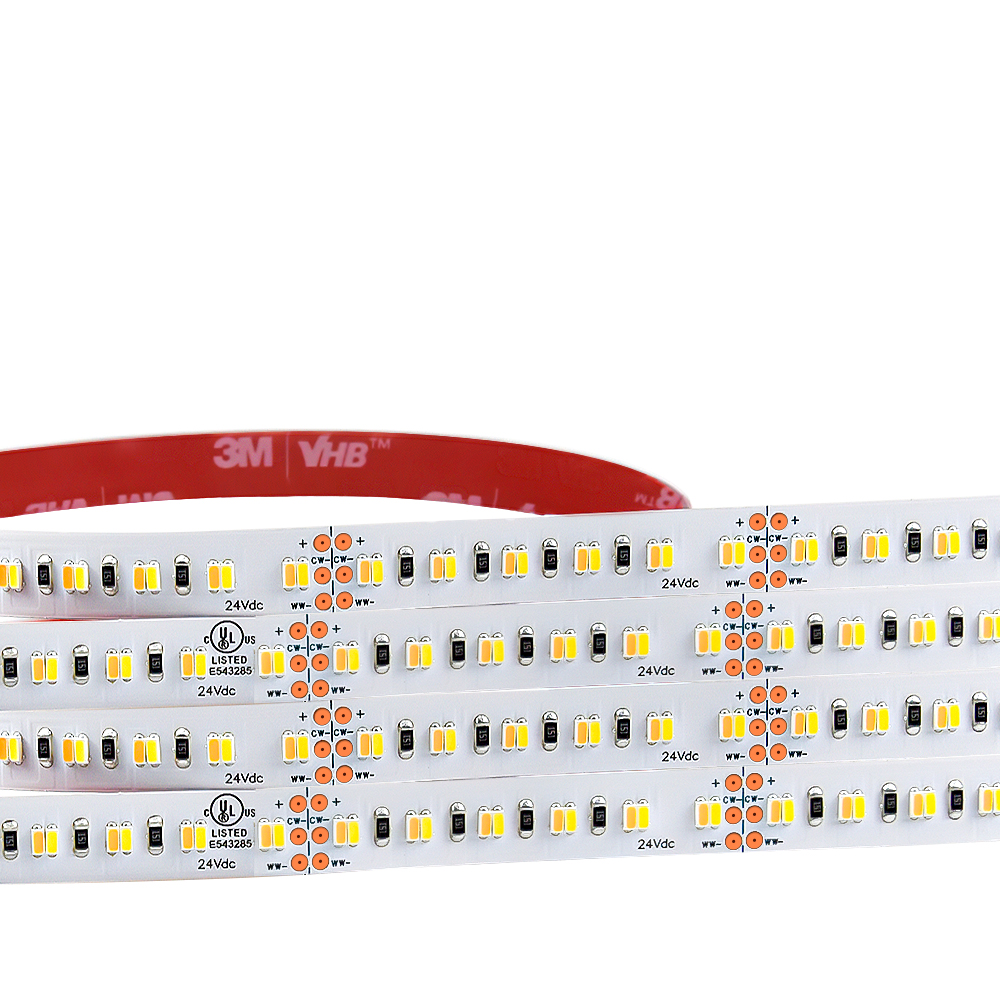
In global B2B procurement for commercial, stage, and architectural illumination, sourcing from verified CE Certified Digital RGB LED Strip Factories is a baseline imperative to guarantee electrical safety, electromagnetic compatibility (EMC), and operational longevity. CE marking is not merely a border-entry stamp; for engineering specifiers and lighting wholesalers, it reflects rigorous adherence to European Union Directives, specifically the Low Voltage Directive (LVD 2014/35/EU) and the Electromagnetic Compatibility Directive (EMC 2014/30/EU).
Digital RGB LED strips—frequently embedded with integrated circuits (ICs) such as UCS2904, UCS8904, SK6812, WS2814, and DMX512 protocols—operate at elevated high-frequency pulse-width modulation (PWM) rates. Non-compliant digital strips produced by unverified factories often emit high levels of electromagnetic interference (EMI), leading to signal distortion over extended signal runs, flickering on HD video cameras, and failure during field EMC spectrum testing. Premium OEM manufacturers like Shenzhen Fuvin Led Technology Co., Ltd. integrate multi-layer printed circuit boards (PCBs) with 3oz to 4oz rolled copper paths and high-grade decoupling capacitors adjacent to every pixel node to filter transient voltage spikes and suppress EMI noise.
Ensures that high-speed SPI and DMX digital control data signals do not create radio frequency harmonics or disrupt surrounding audiovisual equipment in live stage setups.
Strict evaluation of insulation resistance, creepage distances, and PCB trace copper density under 100% full-load continuous current stress test conditions.
Guarantees total absence of hazardous heavy metals, polybrominated biphenyls (PBBs), and phthalates in the silicone encapsulation and solder joints.
Understanding the semantic differences between various addressable pixel protocols is crucial when evaluating supply proposals from a CE Certified Digital RGB LED Strip Factory. The choice of driver IC directly influences control channel density, dimming resolution, refresh rates, transmission distance, and system budget.
| Protocol / IC Type | Color Channels | Grayscale Depth | Operating Voltage | Max PWM Refresh Rate | Typical B2B Applications |
|---|---|---|---|---|---|
| UCS8904 | RGBW / 4-Channel | 16-Bit (65,536 Levels) | DC5V / DC12V / DC24V | >4,000 Hz | Broadcast TV, High-End Stage, Ultra-Smooth Low-End Dimming |
| UCS2904 | RGBW / 4-Channel | 8-Bit (256 Levels) | DC12V / DC24V | 1,200 Hz | Commercial Architectural Lighting, Facades, Media Signs |
| DMX512 (UCS512) | RGB / RGBW | 8-Bit / 16-Bit | DC12V / DC24V | RS-485 Differential | Long-Distance Outdoor Facades, Bridges, Stadium Illumination |
| SK6812 / WS2812B | RGB / RGBW | 8-Bit (256 Levels) | DC5V / DC12V | 800 Hz | Short-Run Indoor Accent, Custom Displays, Wearable Pixel Tech |
| WS2814 COB | RGBW Dot-Free | 8-Bit (256 Levels) | DC12V / DC24V | 1,000 Hz | Linear Seamless Cove Lighting, Premium Retail Showcases |
For live broadcast stages and high-definition filming studios, 8-bit grayscale driver ICs cause visible stepping and horizontal rolling band artifacts on camera sensors during low-brightness dimming. Sourcing UCS8904 or UCS7604 16-bit digital LED strips from certified manufacturers provides 65,536 micro-steps of linear dimming, delivering flawless performance under high-speed camera shutter speeds exceeding 1/8000s.
Headquartered in Shiyan, Shenzhen—the world's capital for advanced LED optoelectronics manufacturing—Shenzhen Fuvin Led Technology Co., Ltd. stands as a benchmark custom manufacturer verified onsite by the SGS Group. Established in 2016, Fuvin LED operates state-of-the-art high-speed Yamaha SMT placement lines, high-precision automated soldering stations, and environmental testing laboratories.
Failure in field deployments for outdoor media facades or stage rentals results in massive repair and downtime costs. Fuvin LED enforces an uncompromising 12-step quality assurance workflow across all digital RGB LED strip production lines:
Spectroradiometer binning of SMD LED chips (CRI > 95, 3-step MacAdam ellipse) and resistance checks on 3oz double-sided flexible copper PCBs.
100% of manufactured digital strip reels undergo a continuous 24-hour burn-in aging test at elevated voltage to detect early component failures.
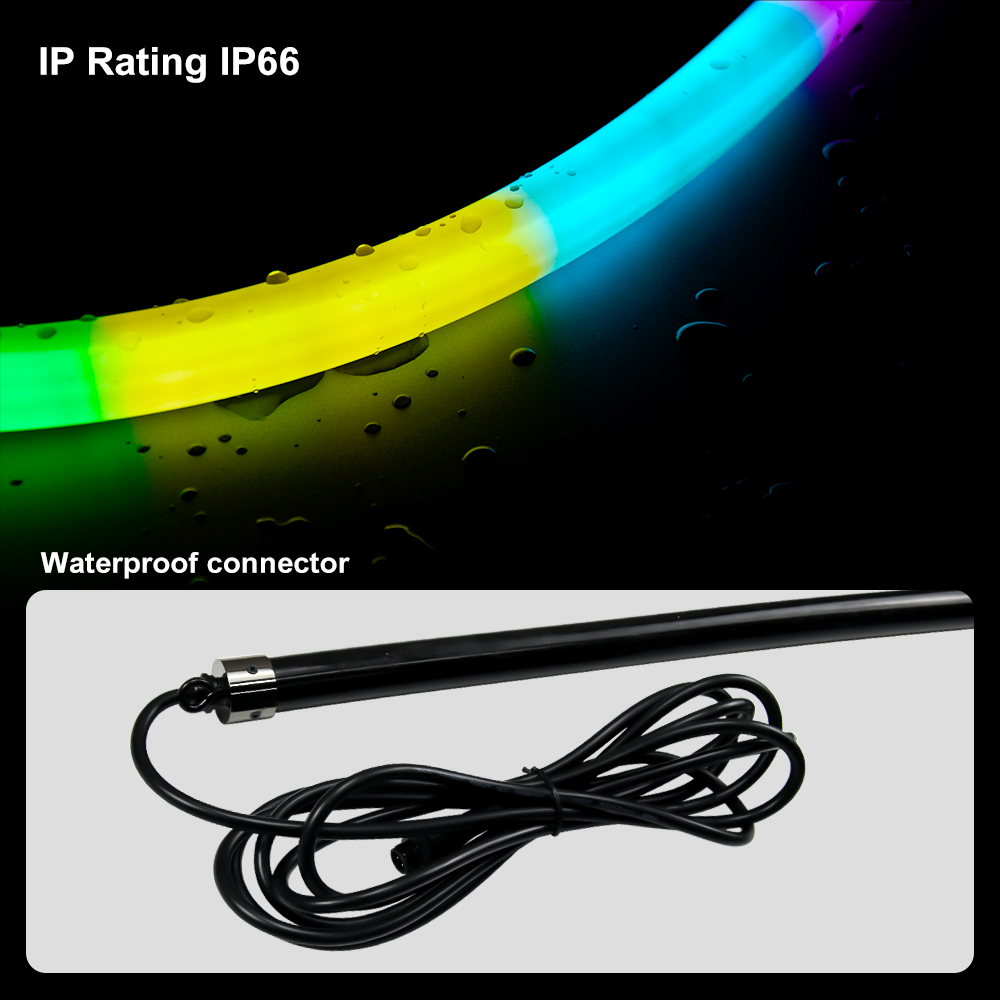
Utilizing anti-UV, salt-mist resistant liquid silicone co-extrusion technology reaching solid IP67 and IP68 submersible waterproof ratings.
As smart city infrastructure, immersive themed environments, and virtual production studios expand rapidly worldwide, the procurement parameters for digital LED lighting systems are shifting significantly. B2B buyers and system integrators must align their sourcing strategies with four core macro trends projected for 2025–2030:
Traditional SPI pixel tapes operating on 8-bit depth are increasingly restricted to basic decorative uses. Sourcing managers are shifting orders toward true 16-bit ICs (UCS8904 / UCS7604) and DMX512 strips integrated with Remote Device Management (RDM). RDM enables two-way telemetry—allowing console technicians to remotely query voltage status, temperature, and pixel diagnostics across miles of architectural installation without manual cable tracing.
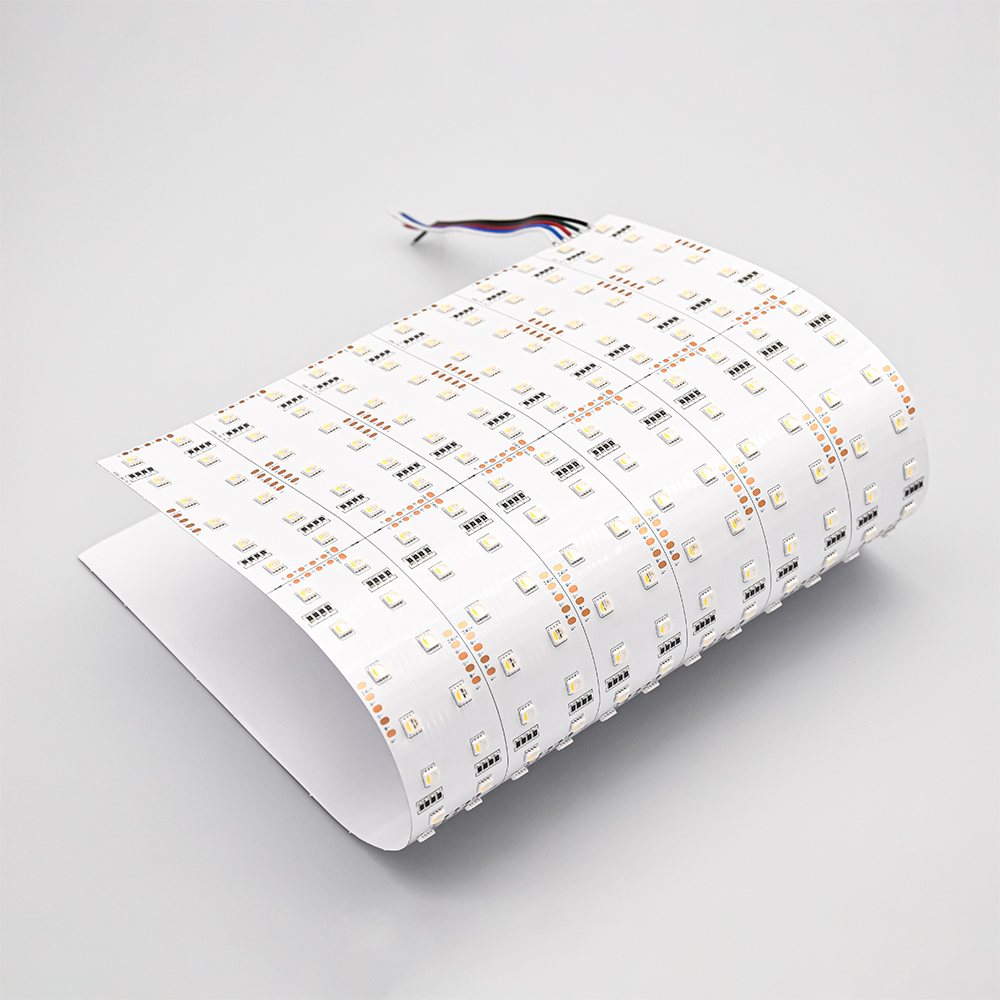
Individual SMD LED pixel spots are giving way to digital Chip-on-Board (COB) technologies. Products like the WS2814 RGBW COB strip deliver continuous linear light bands with zero dark spots, even when installed in shallow aluminum profiles. Future commercial procurement specifications prioritize high chip density (over 560 chips/m) combined with addressable pixel grouping.
Legacy PVC encapsulation yellows, cracks, and degrades rapidly under UV exposure and extreme cold. Procurement standards in Europe and North America now demand 100% food-grade, high-transmittance silicone co-extrusion. Silicone maintains flex elasticity from -40°C to +80°C, offering superior anti-corrosion protection against chlorine in swimming pools and saline coastal atmospheres.
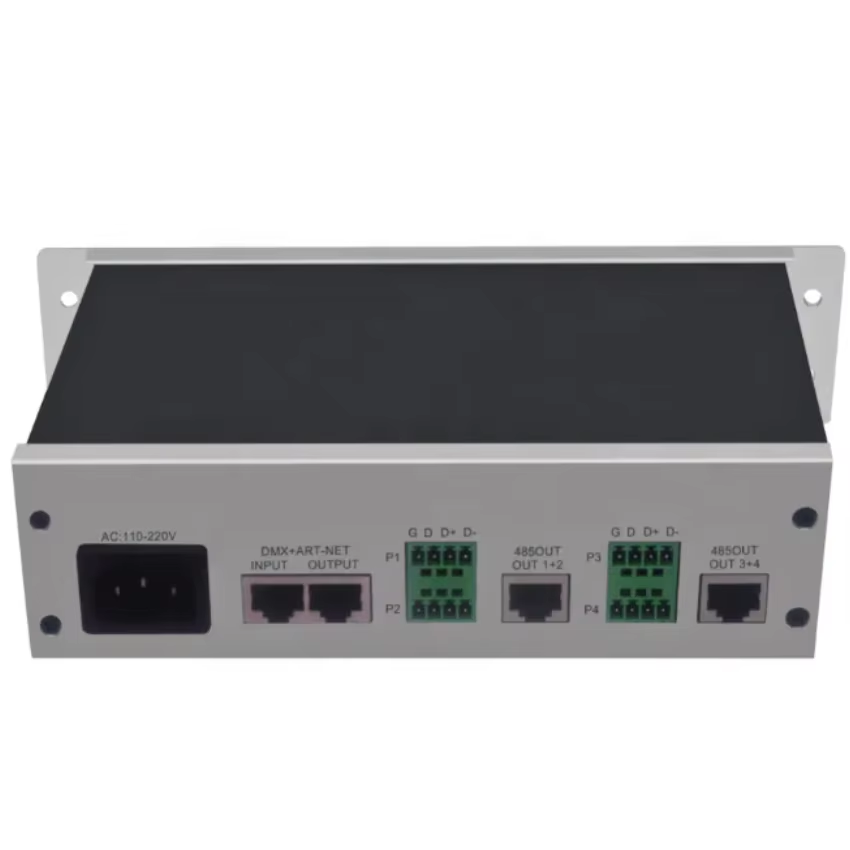
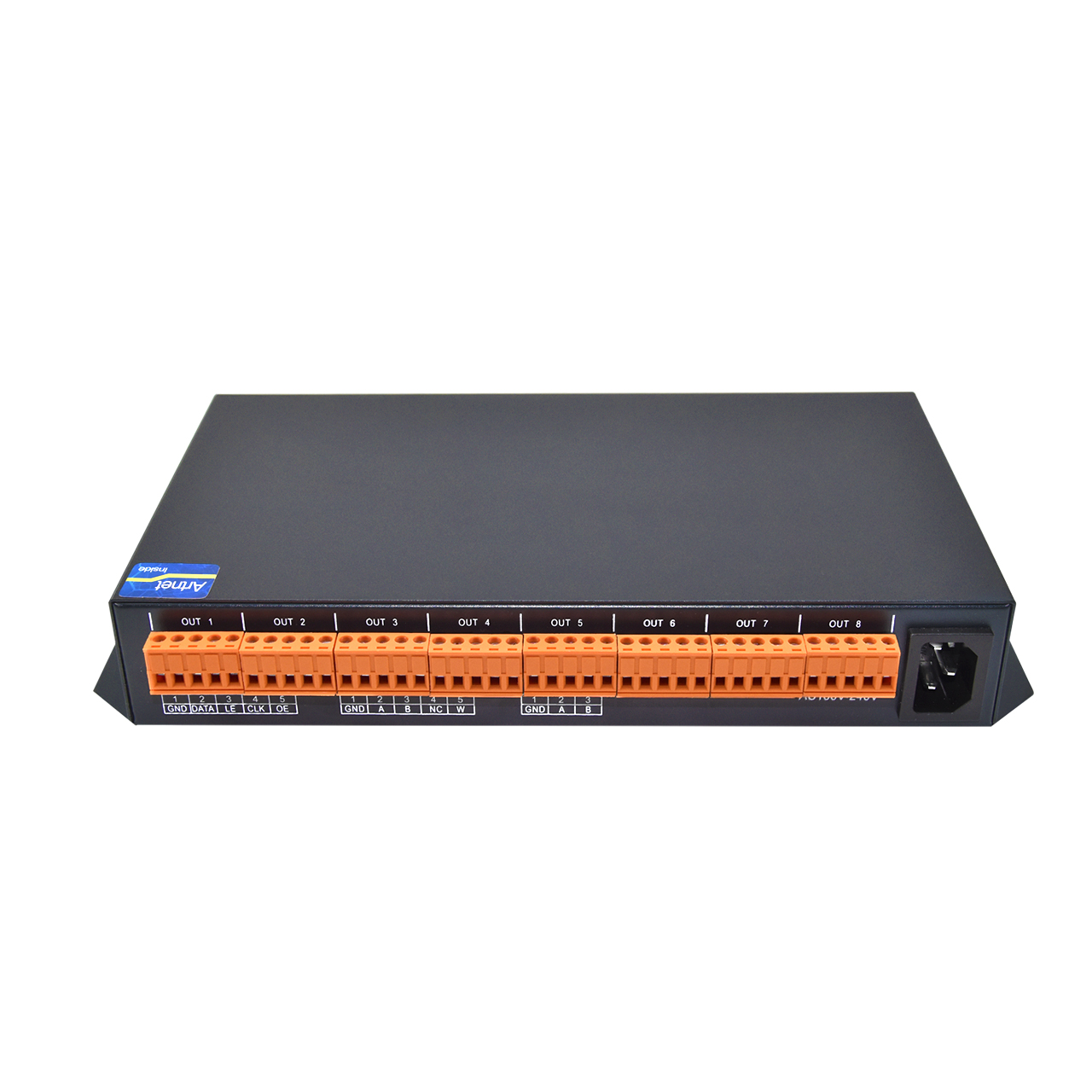
Complex 3D pixel mapping installations require massive channel capacity. Modern procurement contracts bundle custom digital LED strips directly with multi-universe ArtNet or sACN controllers (e.g., A28A 64 Universe Controller), simplifying installation by eliminating standalone DMX-to-SPI signal converters.
Leading CE Certified Digital RGB LED Strip Factories are investing heavily in R&D to solve systemic job-site challenges. Key product engineering innovations include:
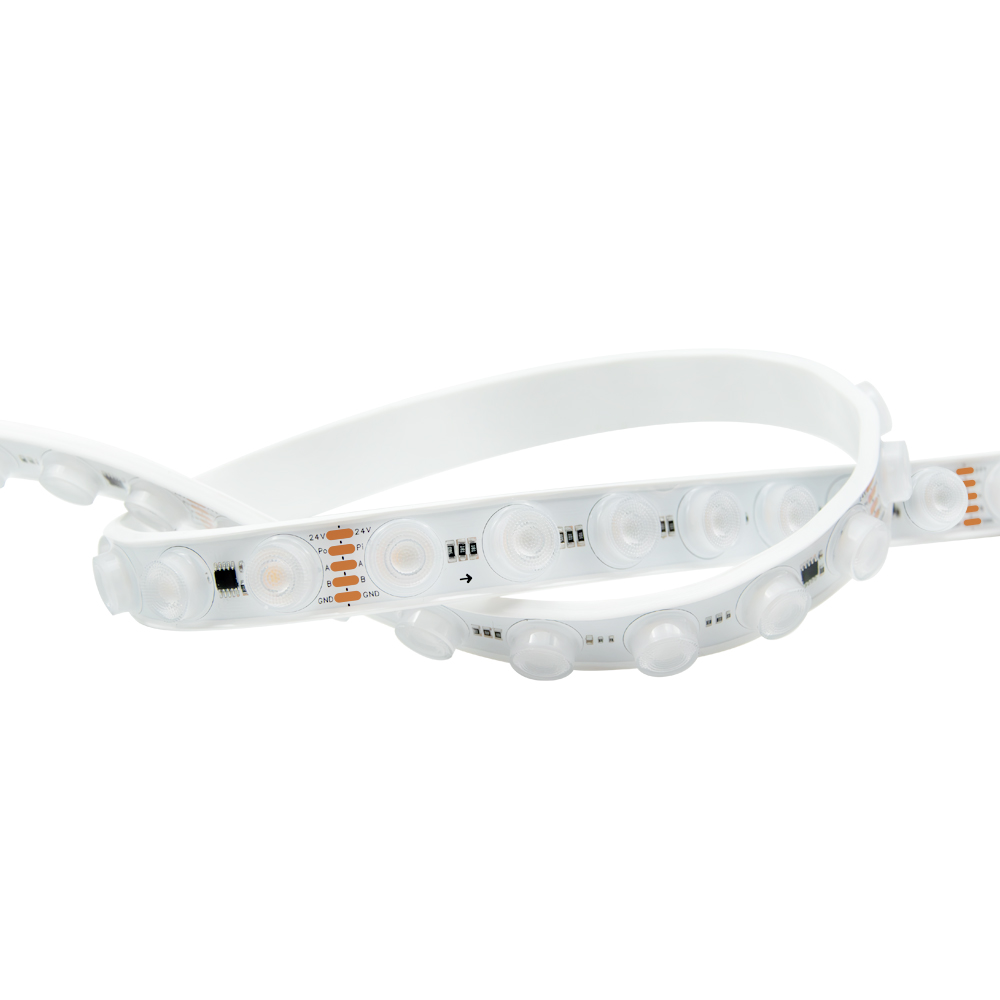
Single-data line ICs (like WS2812B) suffer total chain failure if a single pixel dies. Next-generation strips feature dual-data backup channels (e.g., WS2815, GS8208, UCS2904-Backup). If one pixel fails, signal automatically bypasses it to keep the remainder of the reel operating uninterrupted.
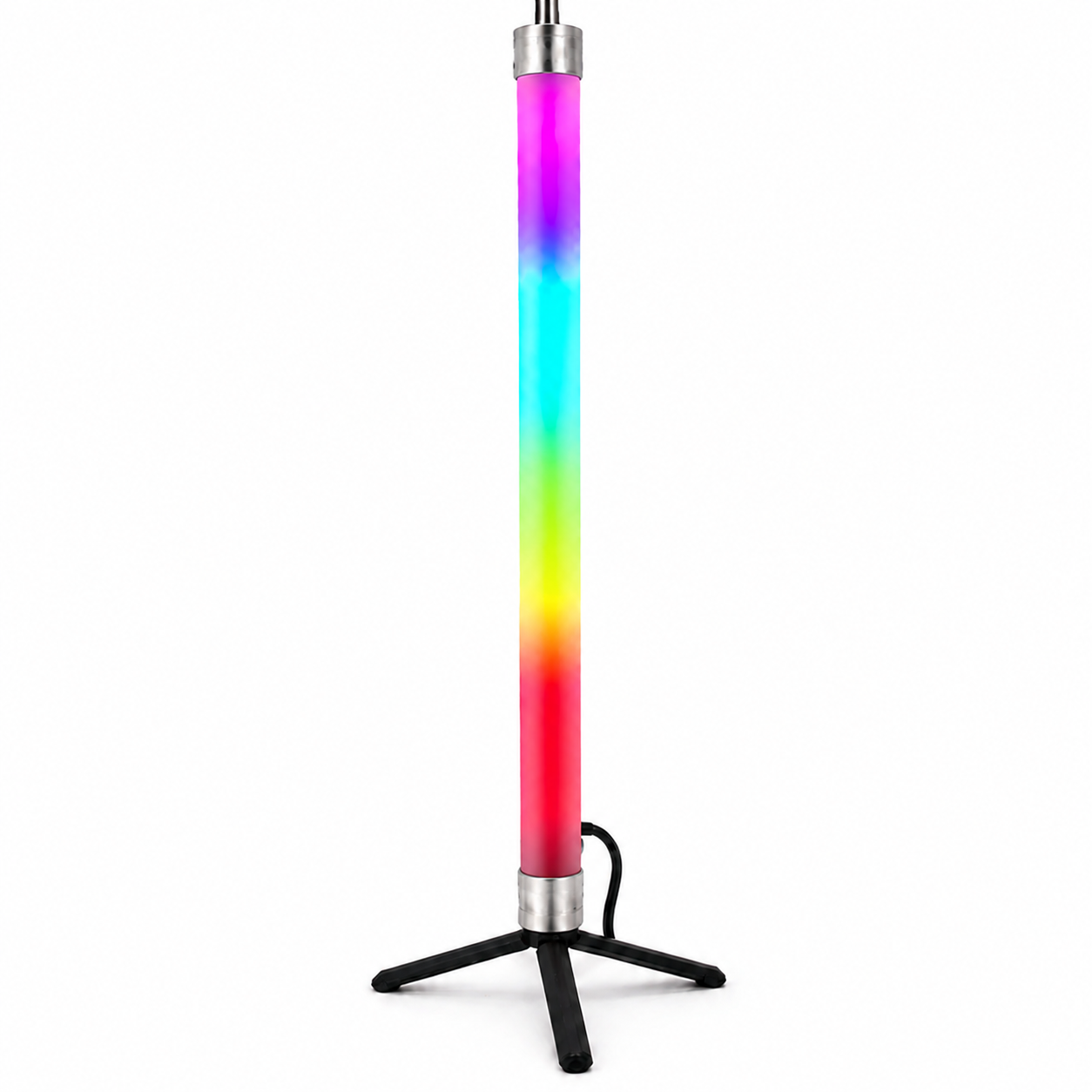
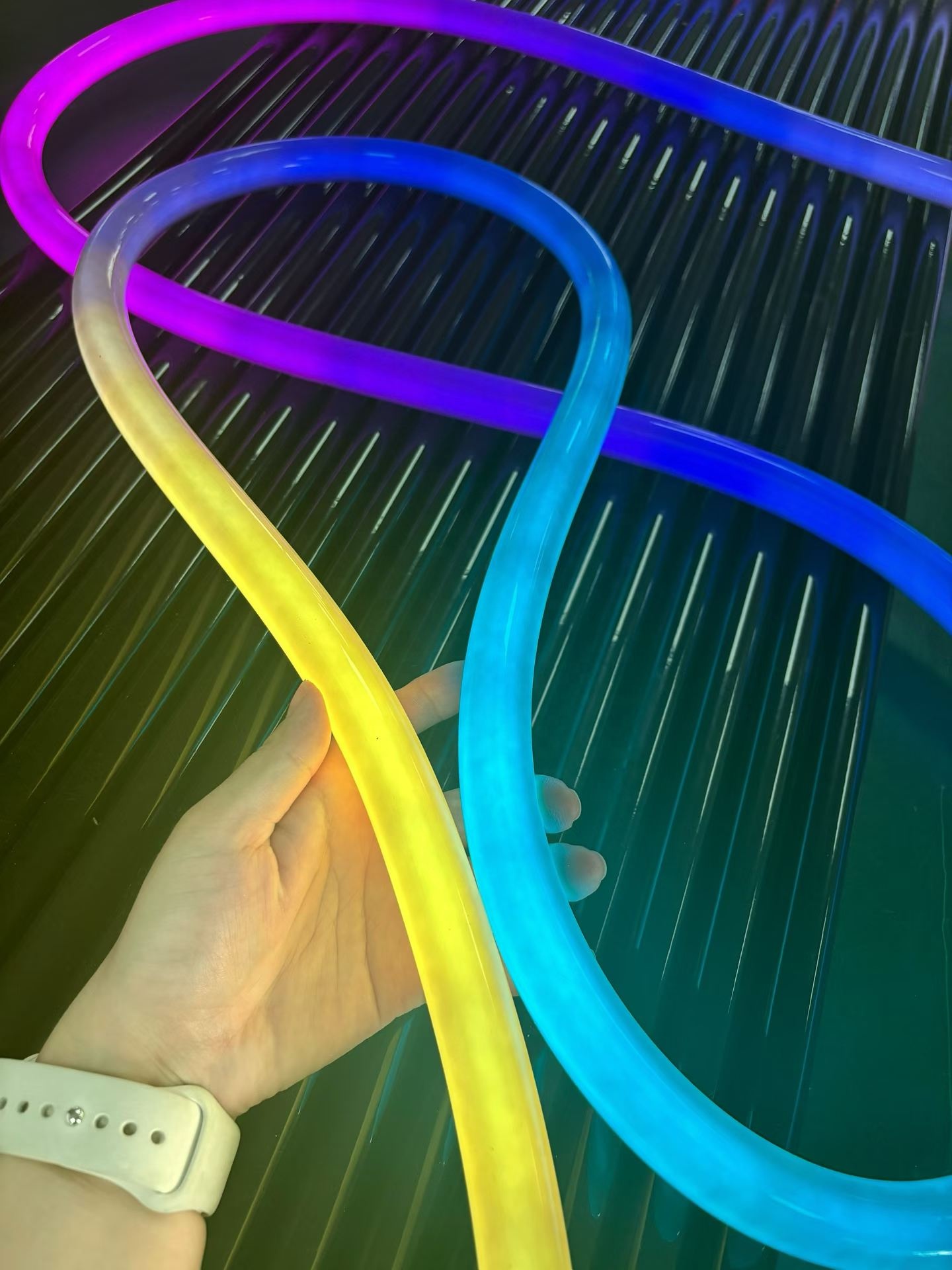
Moving beyond flat flex strips, silicone 360-degree round pixel neon tubes (such as the D22 series) allow lighting designers to create kinetic hanging sculptures, 3D spatial grids, and curved overhead chandeliers without structural shadows.
Voltage drop across 10-meter runs traditionally causes severe color shifting at the tail end. Development in 24V constant-current IC integration maintains uniform color temperature and brightness from pixel 1 to pixel 200 without mid-strip power injection.
Submit your project specification, schematic drawings, or required protocol details. Our senior optoelectronic engineering team will provide custom quotation proposals, technical data sheets, and sample reels within 24 hours.
Send an Inquiry Shenzhen, Guangdong, China