 Shenzhen, Guangdong, China
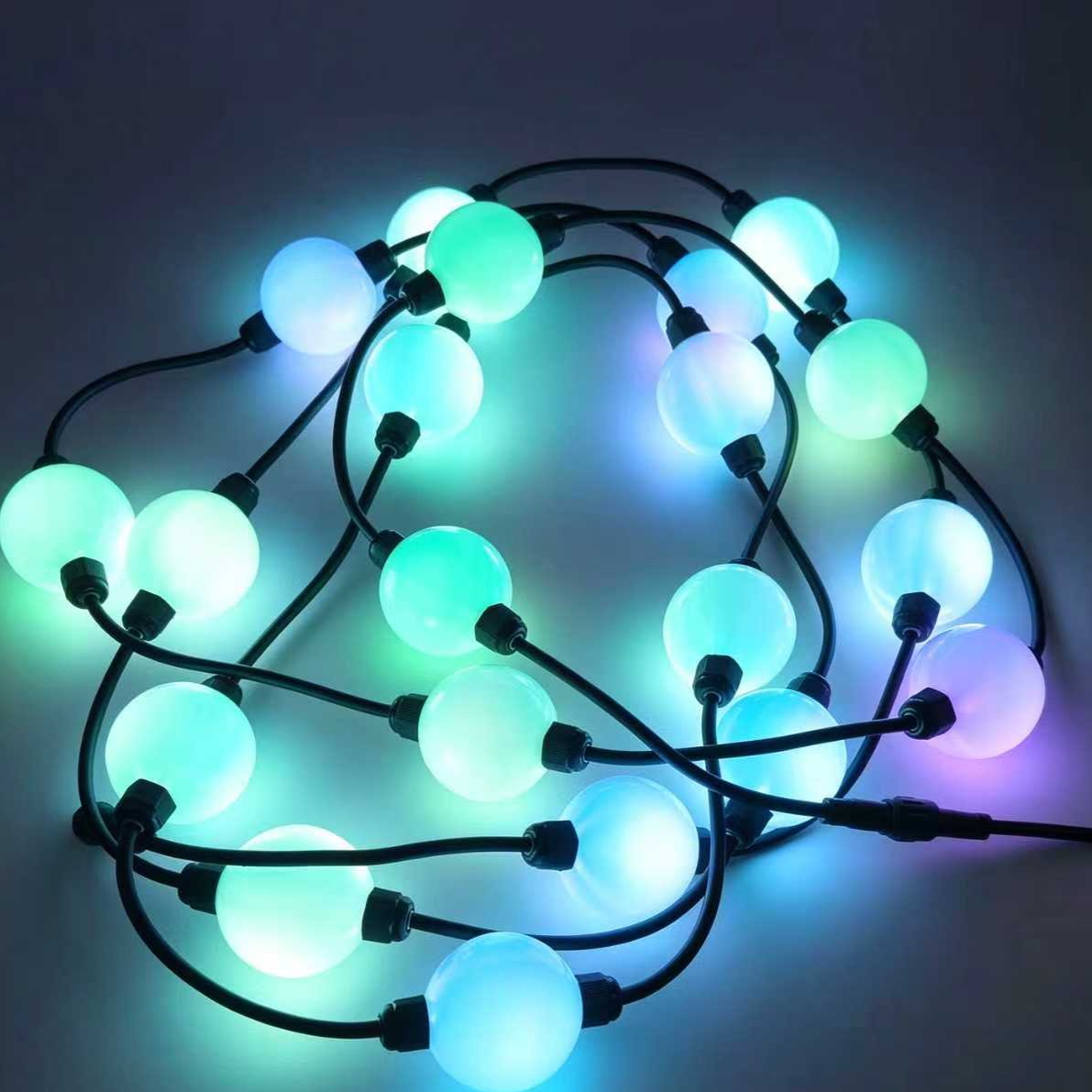
As global lighting designers, commercial contractors, and stage rental businesses transition toward dynamic pixel mapping, sourcing high-grade addressable running LED strip lights (digital chasing tape) direct from China manufacturers has become a strategic priority. Based in Shiyan, Shenzhen, Shenzhen Fuvin Led Technology Co., Ltd. (Fuvin LED) operates as an SGS-inspected OEM/ODM factory equipped with automated high-speed SMT lines, high-precision silica gel co-extrusion systems, and rigorous 100% powered aging procedures. This engineering whitepaper outlines critical procurement standards, protocol benchmarks, and future manufacturing trajectories for enterprise B2B buyers worldwide.
Explore our high-performance digital lighting inventory engineered for stage production, architectural facade integration, outdoor Christmas installations, and dot-free linear cove lighting.
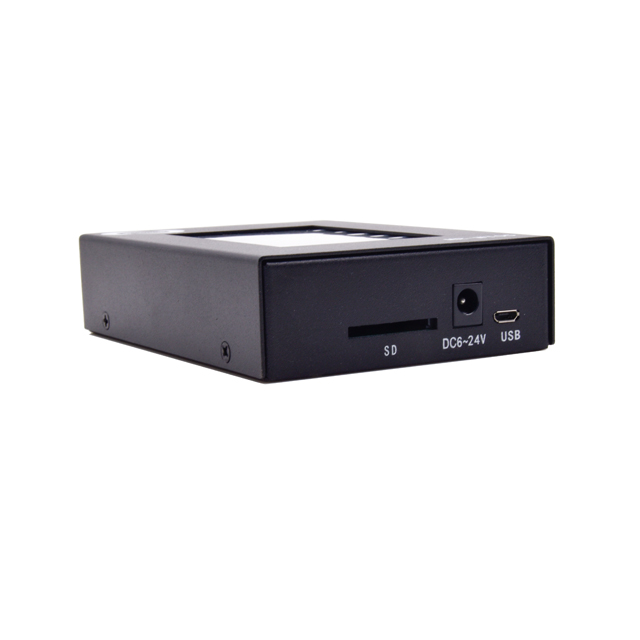
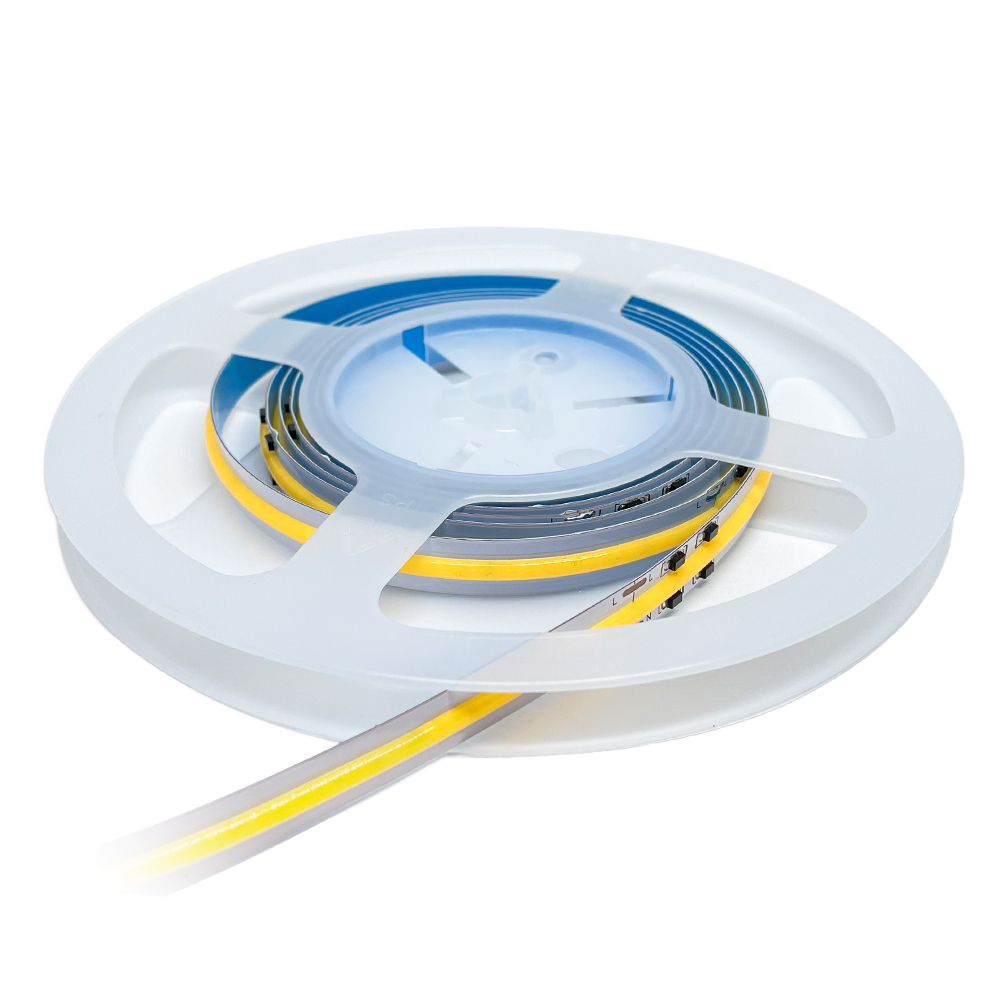
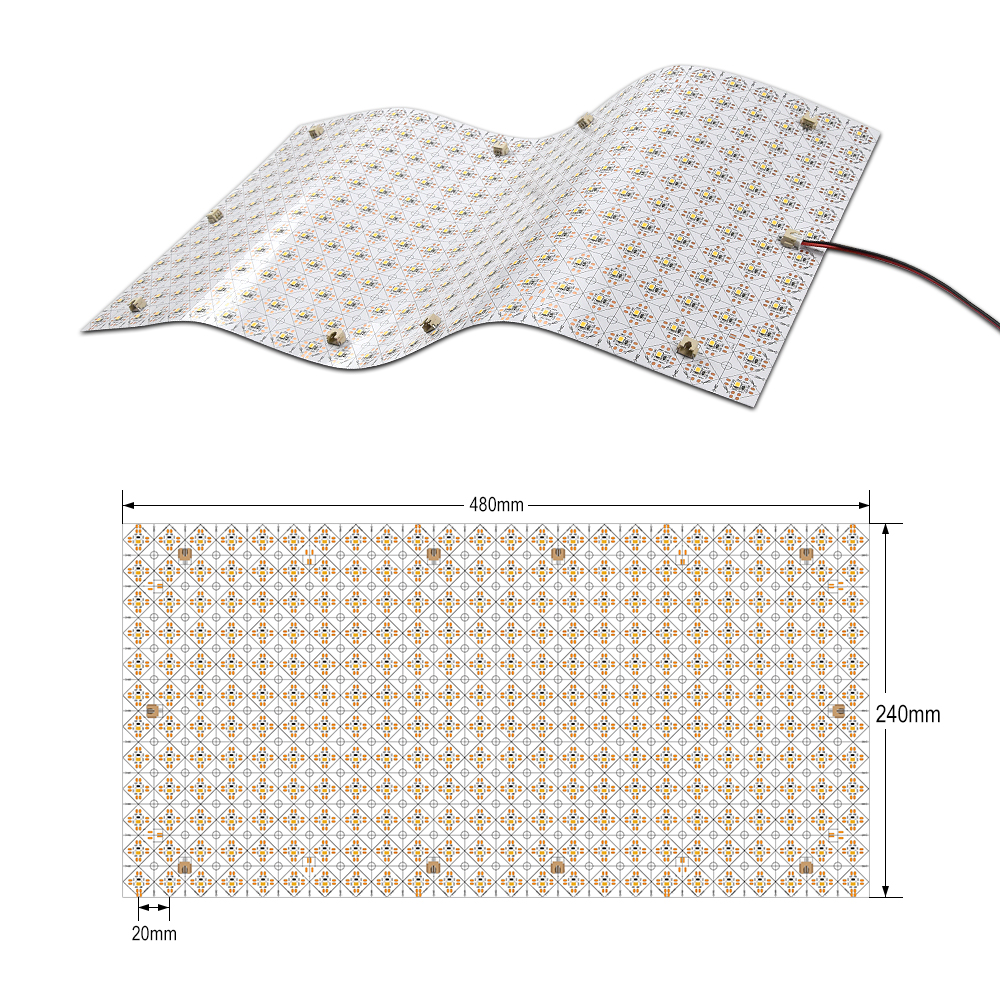
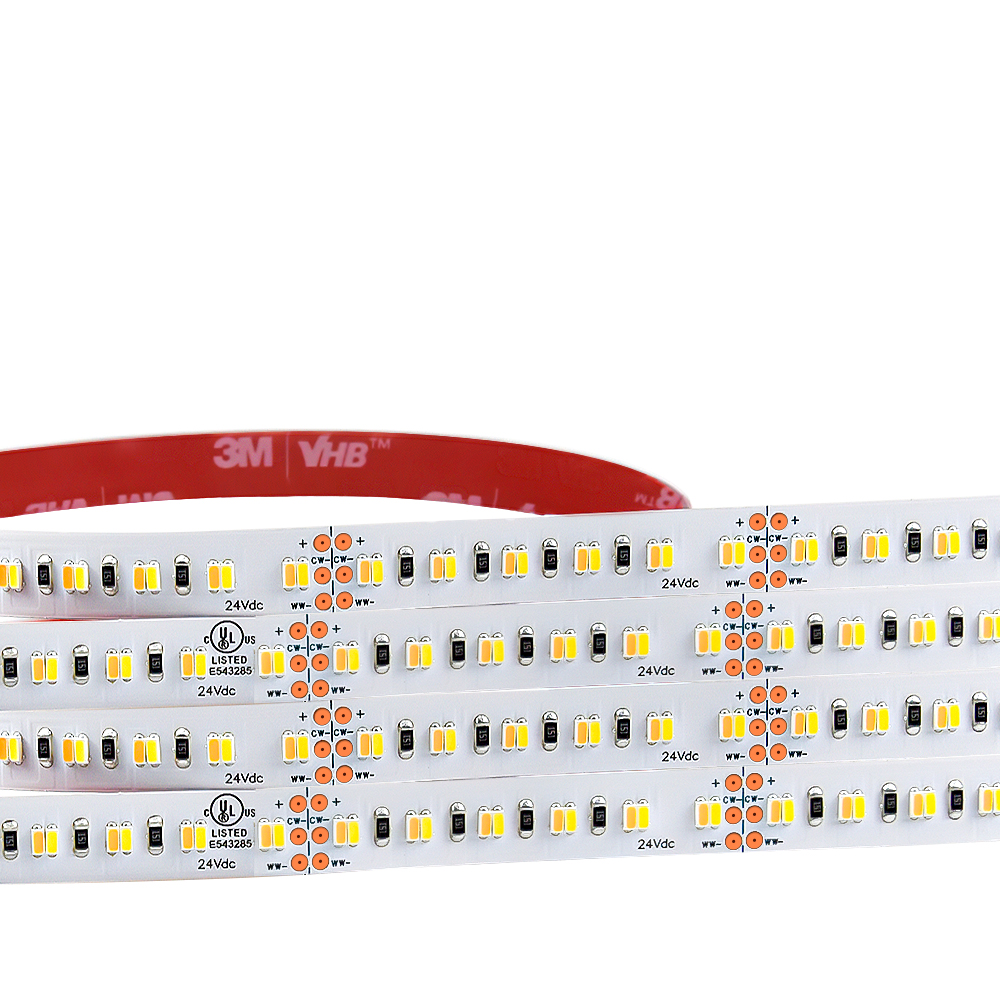
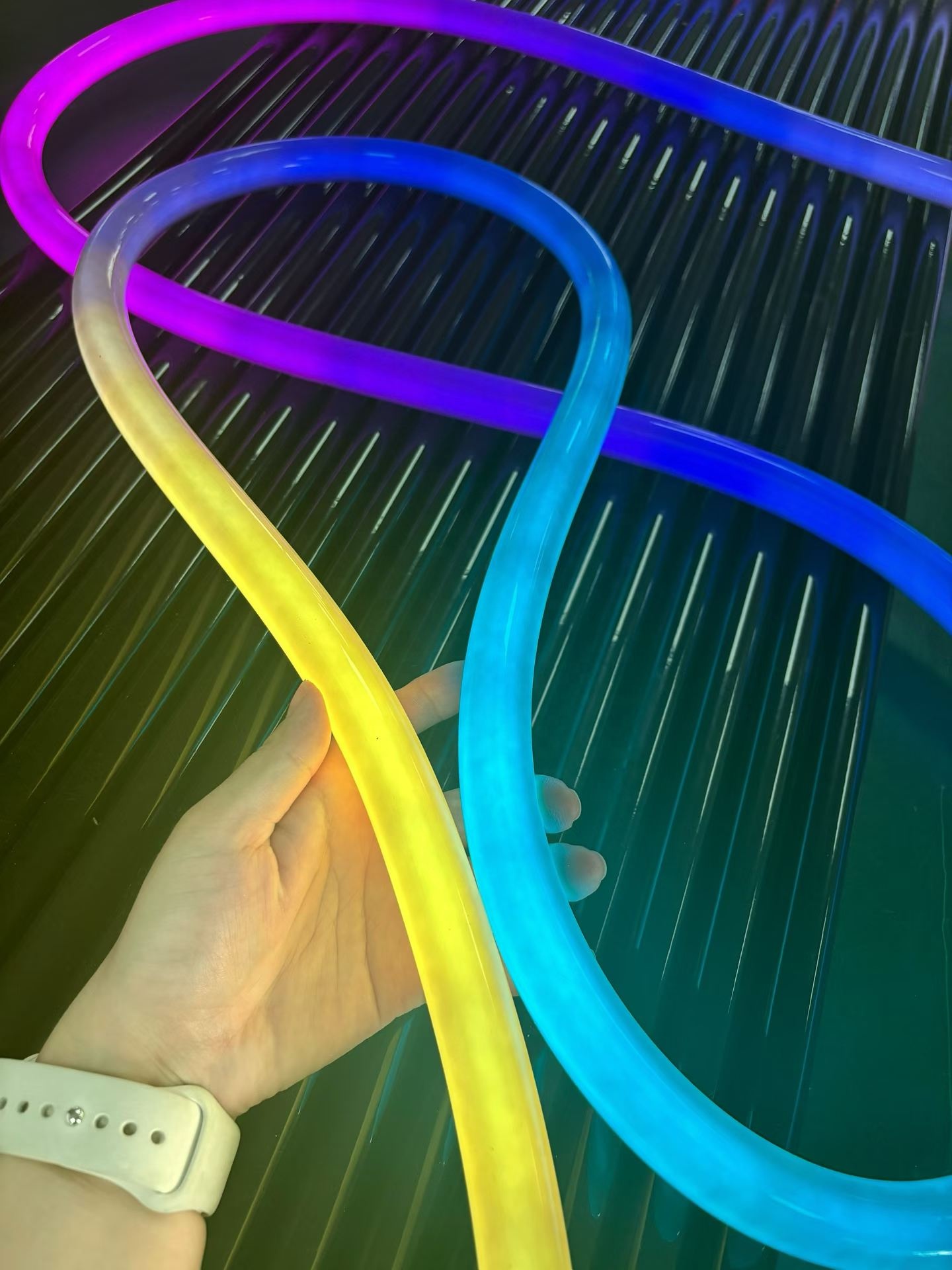
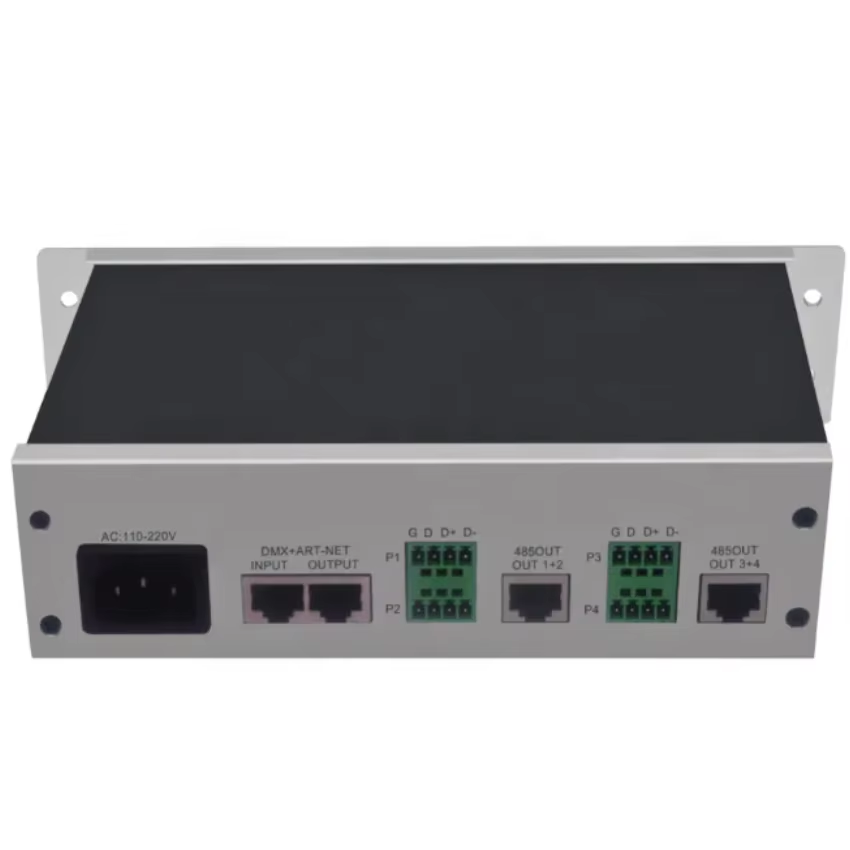
"Running LED Strips" (also known as chasing LED tape, addressable LED flex, or digital magic color strips) rely on microcontrollers integrated either on the PCB or inside the LED package itself. Selecting the optimal driver IC architecture dictates signal transmission stability, color depth, camera flicker behavior, and overall project cost.
For short-to-medium runs (under 10 meters per signal drop) in architectural coves and decorative setups, SPI (Serial Peripheral Interface) protocols such as UCS2904, SK6812, and WS2814 offer exceptional pixel density and cost efficiency. However, for large-scale outdoor visual facades, stage rigs, and long-distance cabling, professional integrators favor DMX512 / RS-485 differential signaling (e.g., UCS512, TM512AC). DMX512 eliminates signal degradation caused by electromagnetic interference and allows handheld address programming via RDM tools like the MR-WT35 writer.
| IC Model / Protocol | Signal Type | Grayscale Depth | Working Voltage | Break-Continue Function | Primary B2B Application |
|---|---|---|---|---|---|
| UCS2904 | SPI (Data) | 8-Bit (256 levels) | DC12V / DC24V | Available in dual-data series | Architectural chasing lines & RGBW neon |
| UCS8904 | SPI (Data + Clock) | 16-Bit (65,536 levels) | DC5V / DC12V / DC24V | High-speed refresh | Studio broadcast & flicker-free stage fill |
| WS2814 (COB) | SPI Single Data | 8-Bit RGBW | DC12V / DC24V | Integrated circuit in COB | Dot-free high-density running ribbon |
| UCS512 / TM512AC | DMX512 / RS-485 | 8-Bit to 16-Bit | DC12V / DC24V | Parallel bus (No single point fail) | Building outlines, bridges & mega facades |
| SK6812 | SPI Single Wire | 8-Bit RGBW | DC5V / DC12V | Optional backup data line | Custom signage, displays & props |
China's LED strip manufacturing sector is vast, but true engineering consistency requires rigorous supply chain control. Here is how Fuvin LED safeguards your procurement investments.
Verified manufacturing plant in Shiyan, Shenzhen. Fully audited workshop space, legal compliance, and export qualification records.
Pioneering true 16-bit grayscale driver integration (UCS8904 / UCS7604) for silky-smooth low-end dimming curves on camera setups.
We utilize double-sided rolled 2oz/3oz copper flexible printed circuits to minimize voltage drop and withstand thermal stress over prolonged operations.
Integrated solid silicone extrusion technology replaces fragile PVC sleeves, providing anti-UV, anti-yellowing, and saltwater-resistant IP67/IP68 neon flex.
Custom PCB color width, LED chip binning (SDCM < 3), customized wire gauge length, waterproof IP ratings, and laser-etched buyer logos.
Every meter of running tape undergoes 4–8 hours of uninterrupted powered aging test, visual dead-pixel inspection, and moisture-proof vacuum packaging.
The commercial landscape for dynamic LED lighting is experiencing a fast shift toward higher integration, superior optical diffusion, and smart control protocols. Buyers sourcing running LED strips from Chinese exporters should prepare for five macro trends:
Traditional SMD addressable strips (like WS2811 or SK6812 5050) present visible hot spots unless recessed into deep aluminum profiles. The fast market adoption of WS2814 RGBW COB running strips delivers seamless, continuous linear glow with zero dark spots even when installed directly under reflective surfaces or inside ultra-slim profiles. Expect COB pixel tech to capture over 45% of commercial cove projects by 2026.
Standard 8-bit digital strips (256 grayscale levels per channel) often generate step-banding during slow fading effects, especially under low-light conditions. High-end hospitality venues, virtual production studios, and television stages now explicitly require 16-bit dimming ICs (such as UCS8904 and UCS7604). This provides 65,536 dimming steps, maintaining ultra-smooth transitions without camera flicker.
To combat voltage drop over extended architectural runs, global importers are replacing legacy DC5V and DC12V digital tapes with DC24V and DC48V addressable configurations. Higher voltage reduces line current, allowing continuous running strip drops up to 10–15 meters without mid-line power injection, lowering field installation labor by 30%.
Rigid aluminum pixel bars are increasingly being augmented by flexible 360-degree round silicone neon tubes (such as 22mm diameter digital neon flex). Made from food-grade, anti-corrosive silicone resin, these 360° running tubes permit 3D spatial installations, festive motif designs, and durable outdoor bridge lighting capable of surviving extreme thermal expansion.
As pixel counts per project scale into tens of thousands of DMX channels, manual chip addressing is no longer viable. Procurement managers are prioritizing RDM (Remote Device Management) compatible DMX strips and handheld touch writers (MR-WT35) that support auto-addressing, real-time diagnostic feedback, and seamless sync with ArtNet / SACN media servers.
Key technical, logistical, and customization questions answered by our senior engineering team to assist global purchasing managers.
Standard analog LED strips change color across the entire roll simultaneously. Running (addressable) LED strips contain micro driver ICs (e.g., UCS2904, WS2814, TM512) attached to individual LEDs or LED clusters. This allows each pixel group to be controlled independently, enabling dynamic chasing, flowing, rainbow running, and video mapping effects.
Choose SPI (Serial) running strips for shorter indoor runs, decorative projects, and budget-conscious applications controlled by SD-card or small SPI controllers. Choose DMX512 strips for long cable distances, commercial facades, and professional stage consoles—DMX512 uses differential RS-485 signals that resist interference, and a single dead chip will not cut signal to subsequent LEDs.
WS2814 COB running strips integrate the addressable driver IC directly with high-density flip-chip COB LEDs (e.g., 720 LEDs/m). This creates a completely dot-free continuous running light effect without needing thick frosted diffusers, while providing dedicated white light channels (RGBW) for functional ambient illumination.
We engineer our running strips using double-sided 2oz or 3oz heavy-copper FPC tracks. For extended runs beyond 5 meters (DC12V) or 10 meters (DC24V), we supply customized dual-end power lead tails or integrated power injection cables to ensure uniform brightness and color accuracy from start to end.
Yes. We offer multiple IP ratings: IP20 (Indoor dry), IP65 (Silicone spray coat), IP67 (Silicone tube enclosure), and IP68 (Solid silicone co-extrusion filled with glue). Our IP68 co-extruded running neon tubes are tested against UV exposure, saltwater corrosion, and temperatures ranging from -25°C to +60°C.
Fuvin LED factory is verified onsite by SGS Group. Our main product series are compliant with CE (EMC & LVD), RoHS, and Declaration of Conformity standards. Selected high-density running tape lines and commercial drivers carry official UL / cUL listing marks for North American compliance.
Standard running LED strip models have low MOQs (often starting from 10–50 meters for testing). For custom OEM PCB design, specific IC integration, or buyer-labeled packaging, production lead time is typically 7 to 12 working days following sample approval.
Whether you require high-resolution 16-bit pixel strips, DMX512 silicone neon tubes, or complete ArtNet controller setups, Fuvin LED’s engineering team is ready to support your B2B project.
Inquire Now