In the rapidly expanding global solid-state lighting (SSL) market, procurement teams, architectural specifiers, and stage lighting integrators face increasing complexity when sourcing high-brightness linear LED solutions. China remains the center of high-efficiency LED tape manufacturing, yet significant variance exists between standard decorative tapes and OEM-grade, high-brightness commercial linear engines. This whitepaper provides a comprehensive technical audit of high-brightness LED strip engineering, thermal dissipation dynamics, driver IC protocols, binning tolerances, and manufacturing quality control—empowering B2B buyers to make informed sourcing decisions directly from Shenzhen OEM/ODM manufacturing facilities.
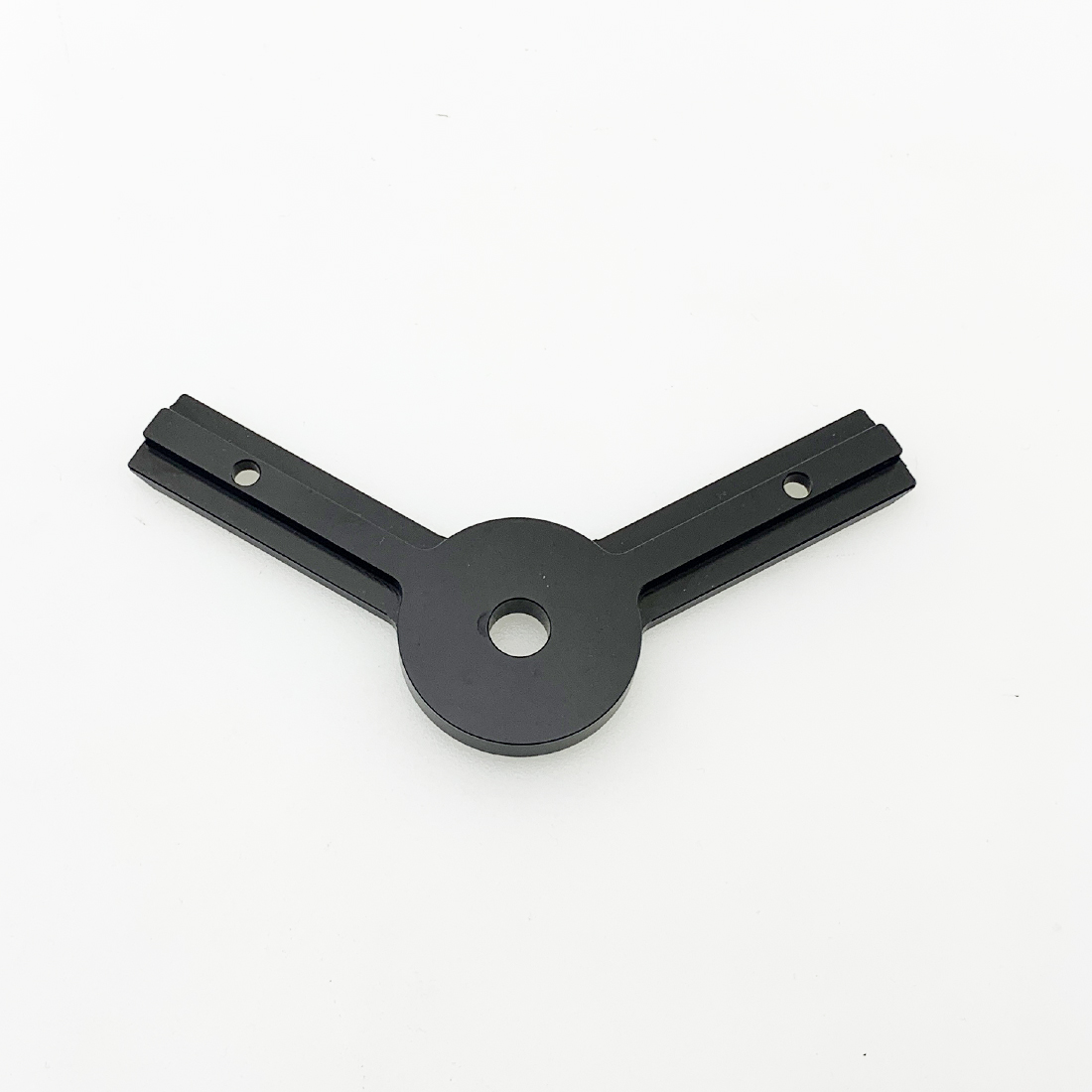
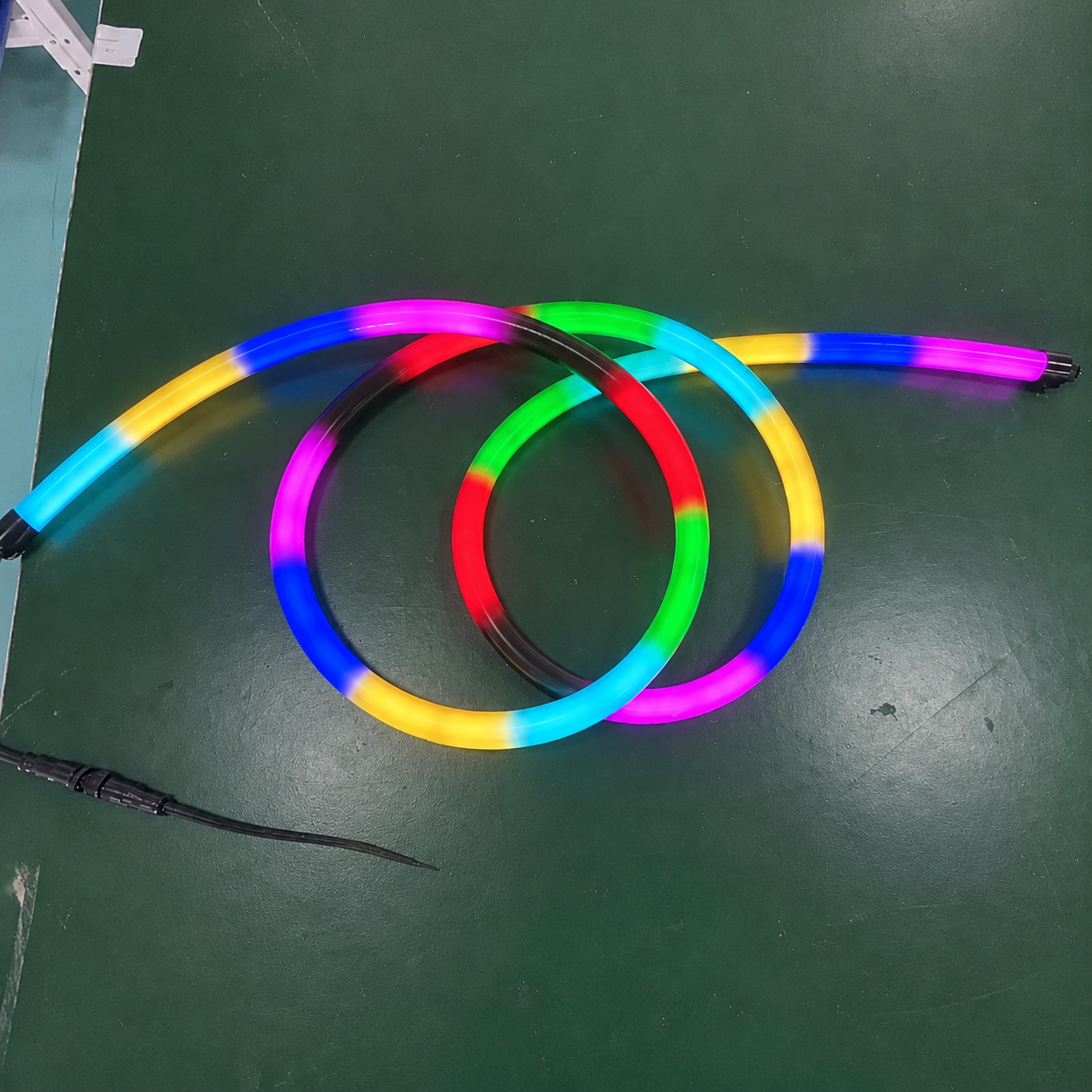
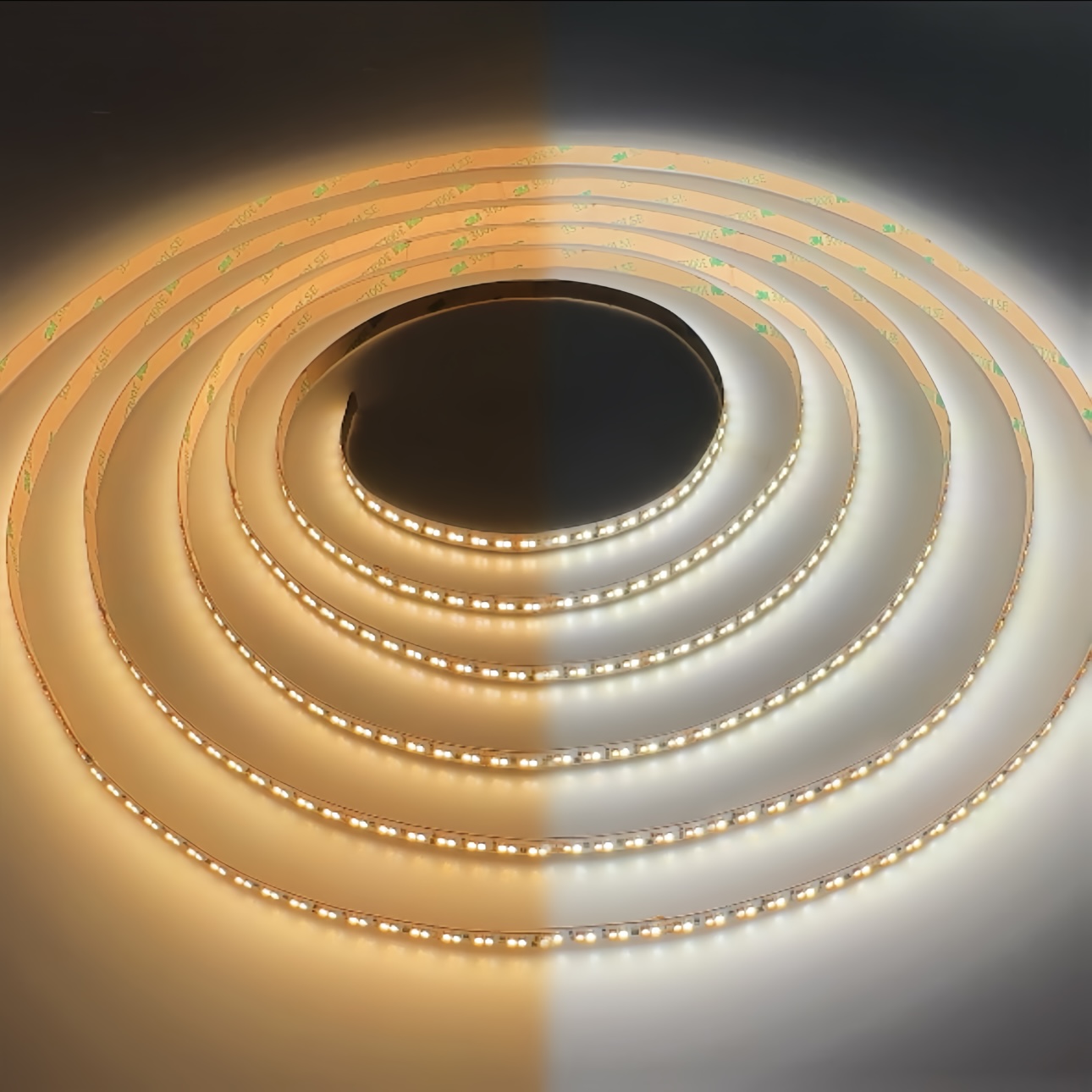
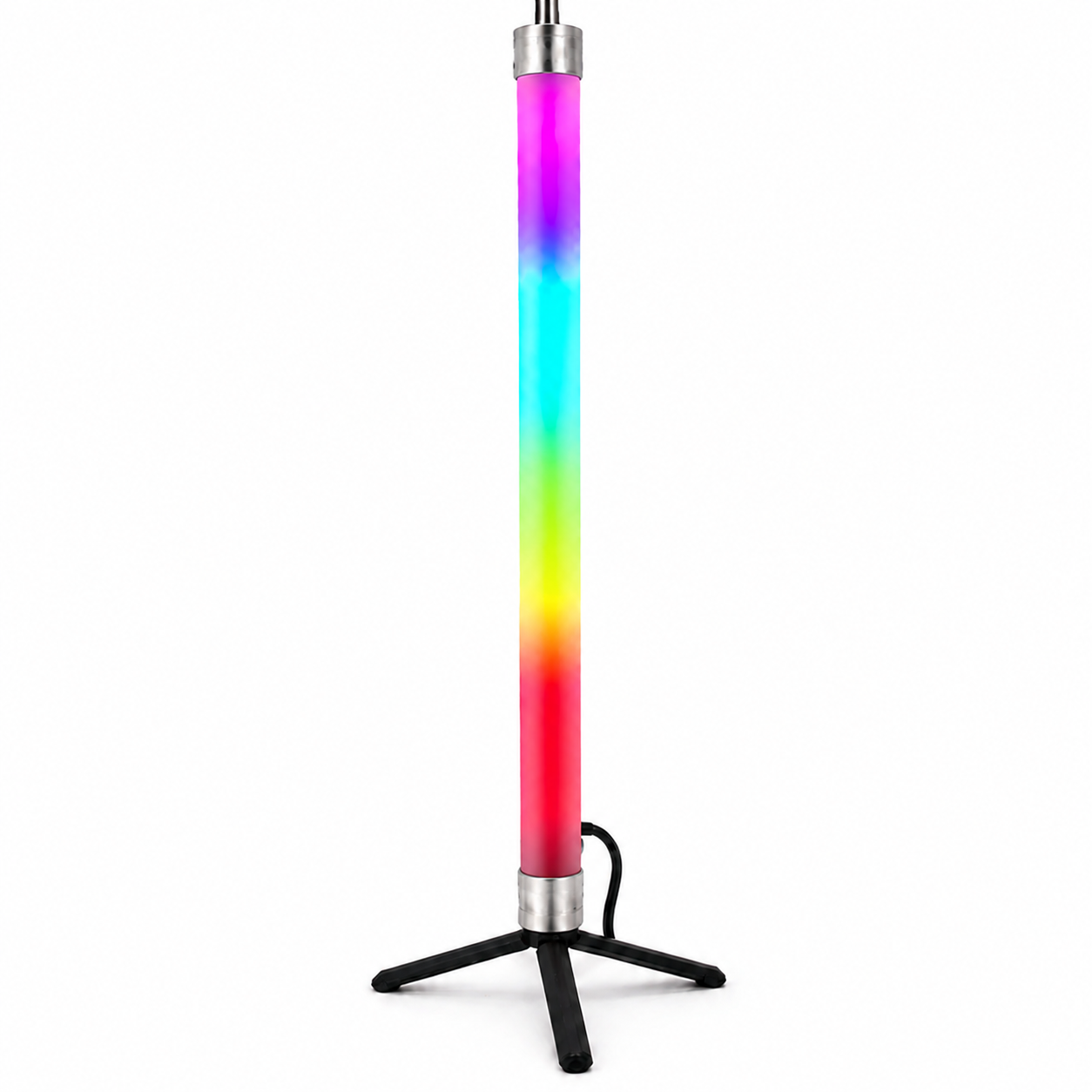
Explore our factory's primary product lines engineered for stage production, exterior facade illumination, high-CRI architectural accenting, and dynamic DMX pixel mapping.
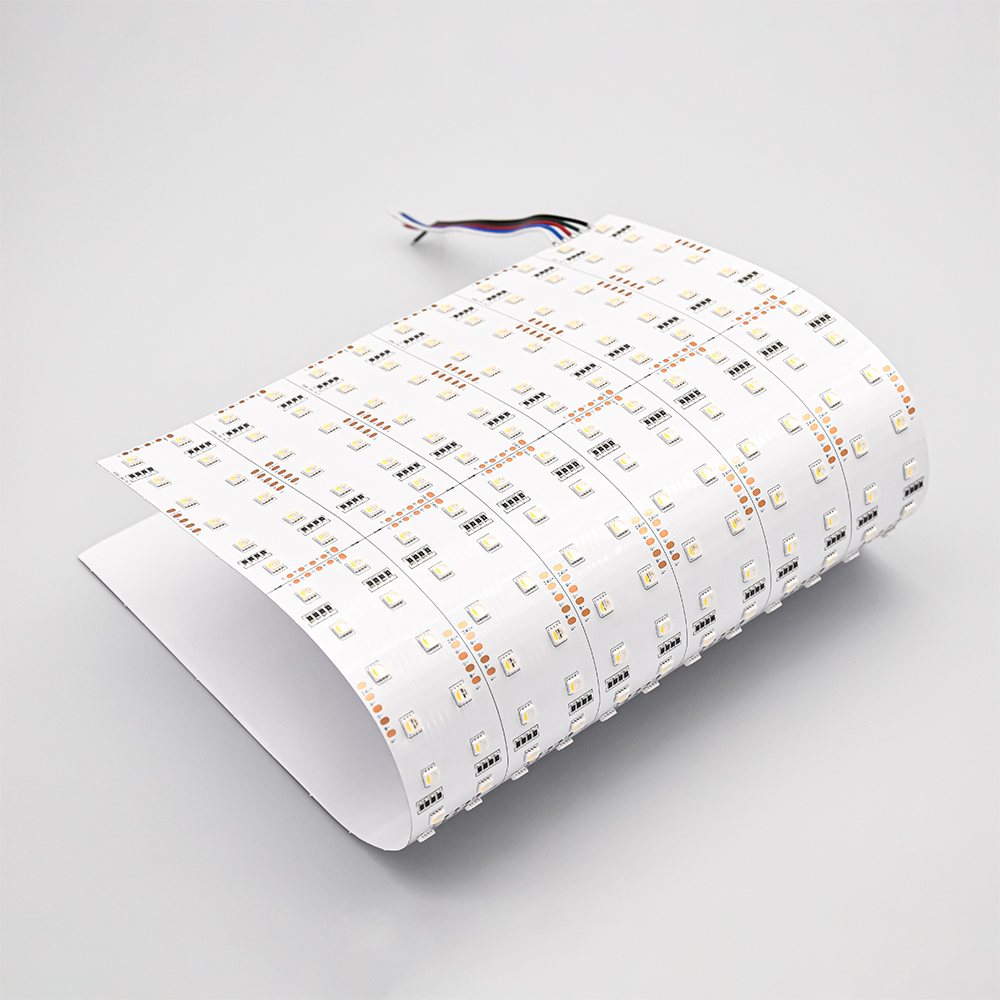
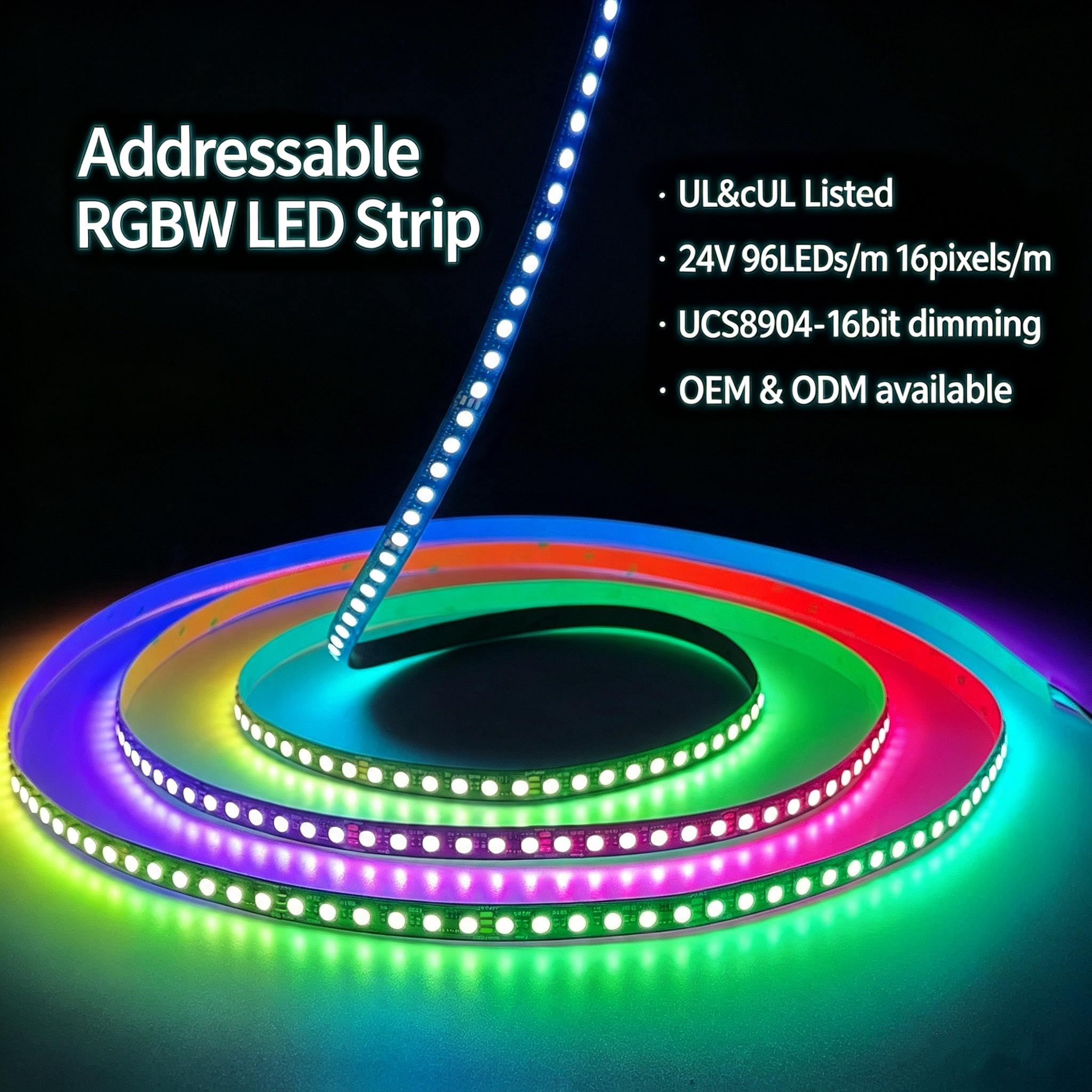
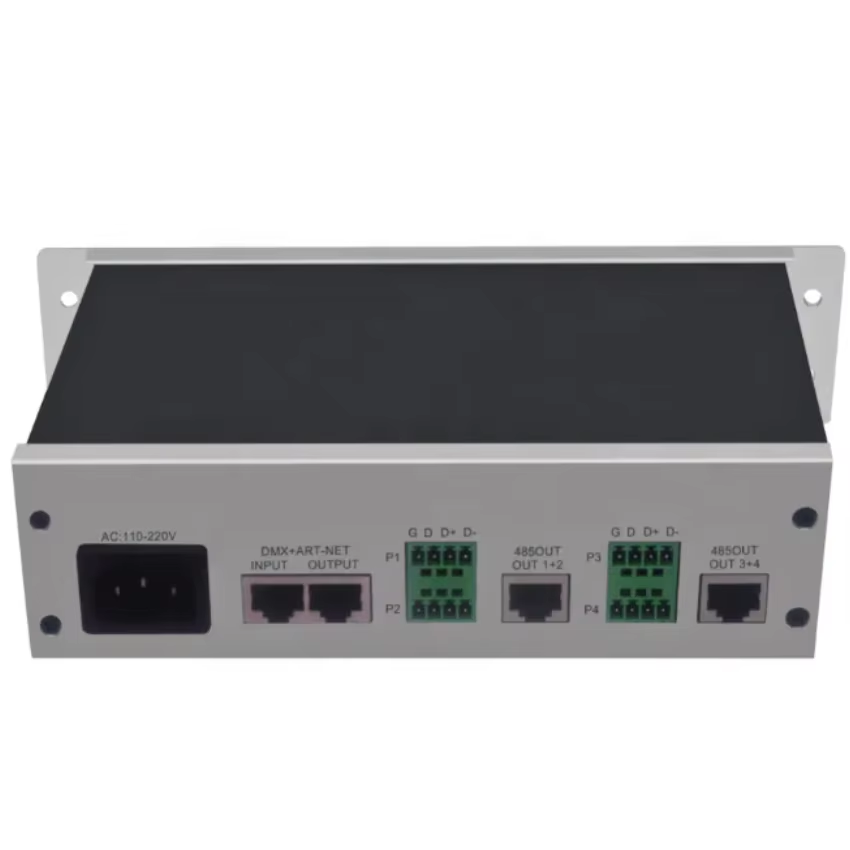
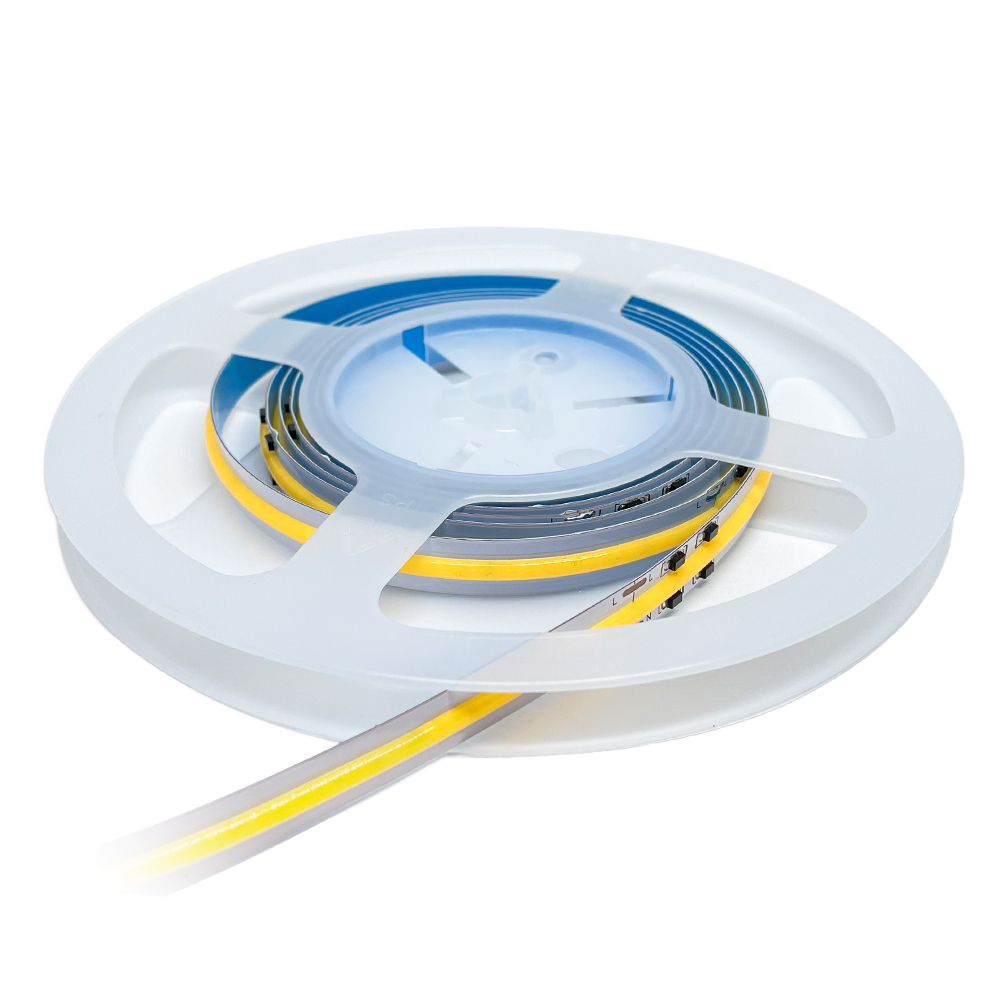
The linear solid-state lighting sector is experiencing a paradigm shift driven by high-density packaging, advanced IC integration, thermal dynamic optimization, and spectral fidelity.
While standard SMD5050 chips dominated historical strip designs, modern OEM production prioritizes SMD2835 high-brightness chips featuring larger heat sink pads, lower thermal resistance (Rth < 15°C/W), and lumen efficacies reaching up to 180–200 lm/W. Concurrently, Chip-on-Board (COB) technology places flip-chip dies directly onto flexible printed circuits under a continuous phosphor silicone matrix, achieving uniform light emitting surfaces without visible diode pixelation.
Traditional SPI pixel ICs (WS2812B, SK6812) operate on 8-bit pulse-width modulation (PWM), offering 256 brightness levels per color channel (16.7 million colors). For camera broadcast and high-end theatre, 8-bit dimming produces noticeable visual "stepping" at low light levels (0.1% to 5%). Modern high-brightness strip factories now integrate UCS8904 and UCS7604 driver ICs offering true 16-bit PWM (65,536 grayscale steps) and PWM refresh rates exceeding 4kHz to prevent rolling shutter camera flicker.
High-brightness LED strips operating at 18W/m to 28W/m generate significant heat density and electrical resistance. Low-quality manufacturers utilize thin 1oz single-layer electrolytic copper, resulting in severe voltage drop (color shifting and brightness fade along a 5-meter run) and premature LED degradation. Leading China manufacturers utilize rolled-annealed (RA) 3oz or 4oz dual-layer copper PCBs paired with internal constant-current IC drivers to maintain uniform lumen output across extended 10m–20m continuous runs.
To assist technical procurement directors in choosing the correct strip architecture, the table below compares core performance parameters across leading linear IC engines manufactured in our factory:
| IC Model / Protocol | Signal Type | Grayscale Depth | Refresh Rate (Hz) | Operating Voltage | Primary B2B Target Application |
|---|---|---|---|---|---|
| UCS8904 | SPI Data + Clock | 16-Bit (65,536 levels) | > 4,000 Hz | DC 12V / 24V | TV Broadcast Studios, Theatrical Stages, Luxury Retail |
| UCS512 / TM512AC | DMX512 (RS-485) | 8-Bit / 16-Bit Selectable | > 2,000 Hz | DC 24V | Building Facades, Bridges, Long-Distance Urban Run |
| WS2814 | Single Wire SPI | 8-Bit (256 levels) | > 1,200 Hz | DC 24V | Dotless RGBW COB Strips, Decorative Cove Lighting |
| UCS2904 | Single Wire SPI | 8-Bit (256 levels) | > 800 Hz | DC 12V / 24V | Commercial Dynamic Signage, Nightclub Displays |
| SMD2835 Analog CCT | Dual PWM Channel | Analog Stepless | N/A (Driver Dependent) | DC 24V / 48V | High-CRI Architectural Cove & Task Lighting |
As regulatory standards evolve and commercial lighting buyers demand higher spectral quality and smarter control, strategic B2B sourcing must align with key upcoming industry benchmarks.
To reduce copper cable gauge requirements and eliminate power feed injection points every 5 meters, enterprise buyers are rapidly shifting from 12V and 24V systems to 48V constant-current LED strip systems. A 48V linear circuit cuts line current in half relative to 24V, allowing single-ended continuous runs up to 30 meters without lumen attenuation.
Traditional Color Rendering Index (CRI Ra) is being superseded in enterprise tenders by the IES TM-30-18 vector metric (Fidelity Rf > 95, Gamut Rg > 100). Procurement specs increasingly demand high saturated red values (R9 > 90) and cyan gap filling (470nm-490nm wavelength enrichment) to optimize human circadian response and natural color reproduction in commercial spaces.
Traditional PVC and low-grade TPU waterproofing jackets yellow, crack, and harbor moisture within 12-18 months of UV exposure. Future procurement mandates integrated silicone co-extrusion technology where the flexible PCB and liquid silicone jacket are cured simultaneously under high temperature, achieving true IP68 chemical resilience, anti-corrosion, and anti-yellowing performance (-40°C to +80°C).
Shenzhen Fuvin Led Technology Co., Ltd. operates a fully integrated, SGS-verified LED strip manufacturing facility in Shiyan, Shenzhen—providing robust OEM/ODM production lines for global B2B buyers.
Inspected onsite by SGS Group. Verified manufacturing equipment, legal standing, strict 5S cleanroom production management, and operational capacity.
High-speed Yamaha SMT placement lines ensuring precision mounting of tiny SMD dies and micro-driver ICs with zero cold-solder joint defects.
Every production batch undergoes continuous 48-hour powered thermal stress burn-in to eliminate early component mortality prior to vacuum packaging.
Complete regulatory compliance documentation for European and North American customs, including CE EMC/LVD reports, RoHS 3.0, and UL-listed models.
Direct answers from our engineering team addressing common questions regarding IC selection, thermal management, protocol compatibility, and OEM ordering terms.
 Shenzhen, Guangdong, China