Featured Addressable Pixel Lighting Products
Explore our SGS-verified custom pixel LED strip engines, DMX controllers, and interactive accessories designed for professional architectural, stage, and commercial lighting installations.
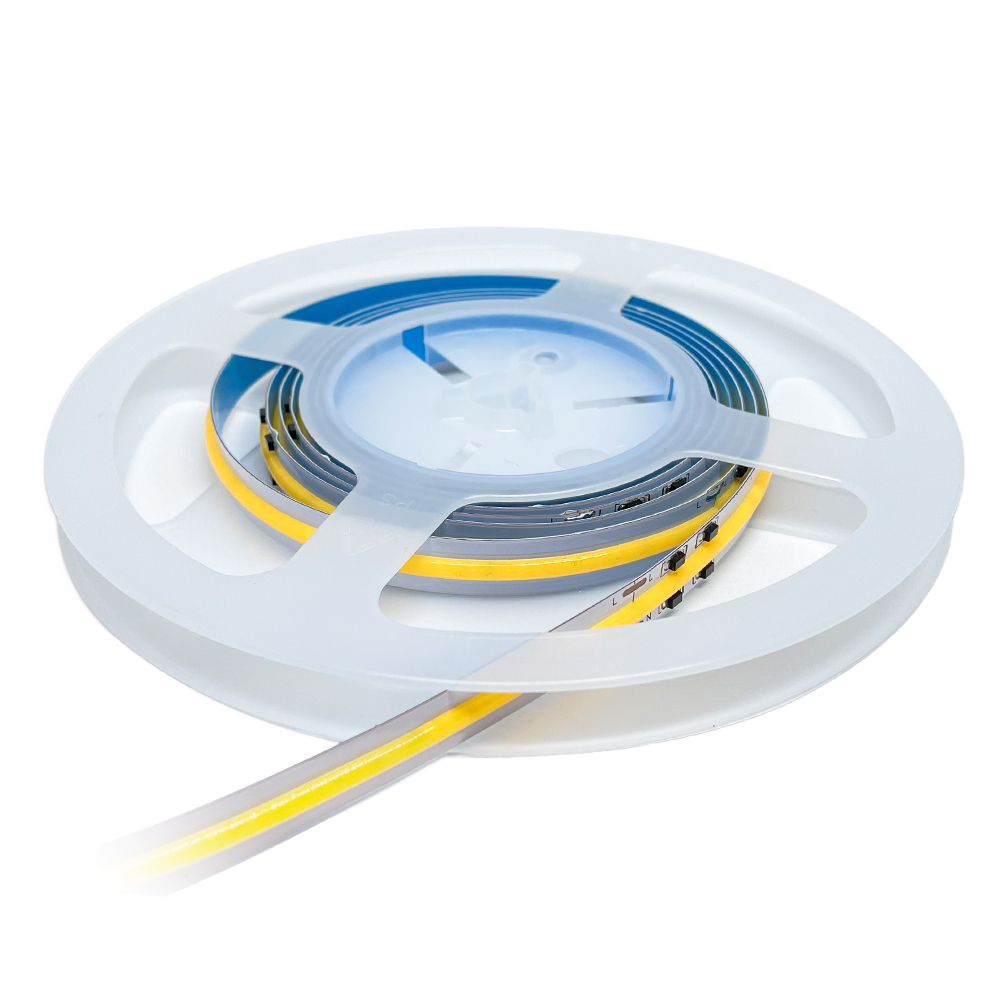
Ws2814 RGBW Pixels COB Flexible LED Strip 720/784LEDs/m White 24V Tape Ribbon
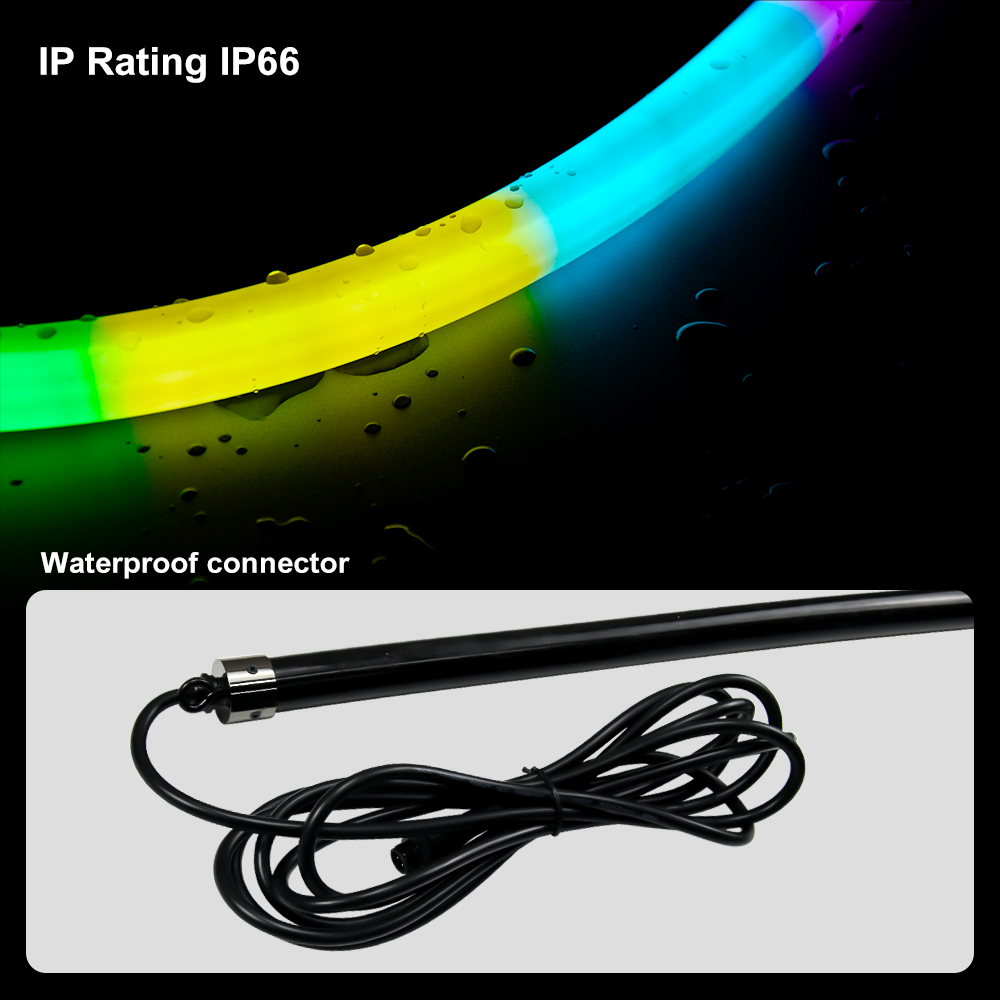
Color Change D22 360 Round Luminous 12V/24V Black Silicone Flexible Neon Tube
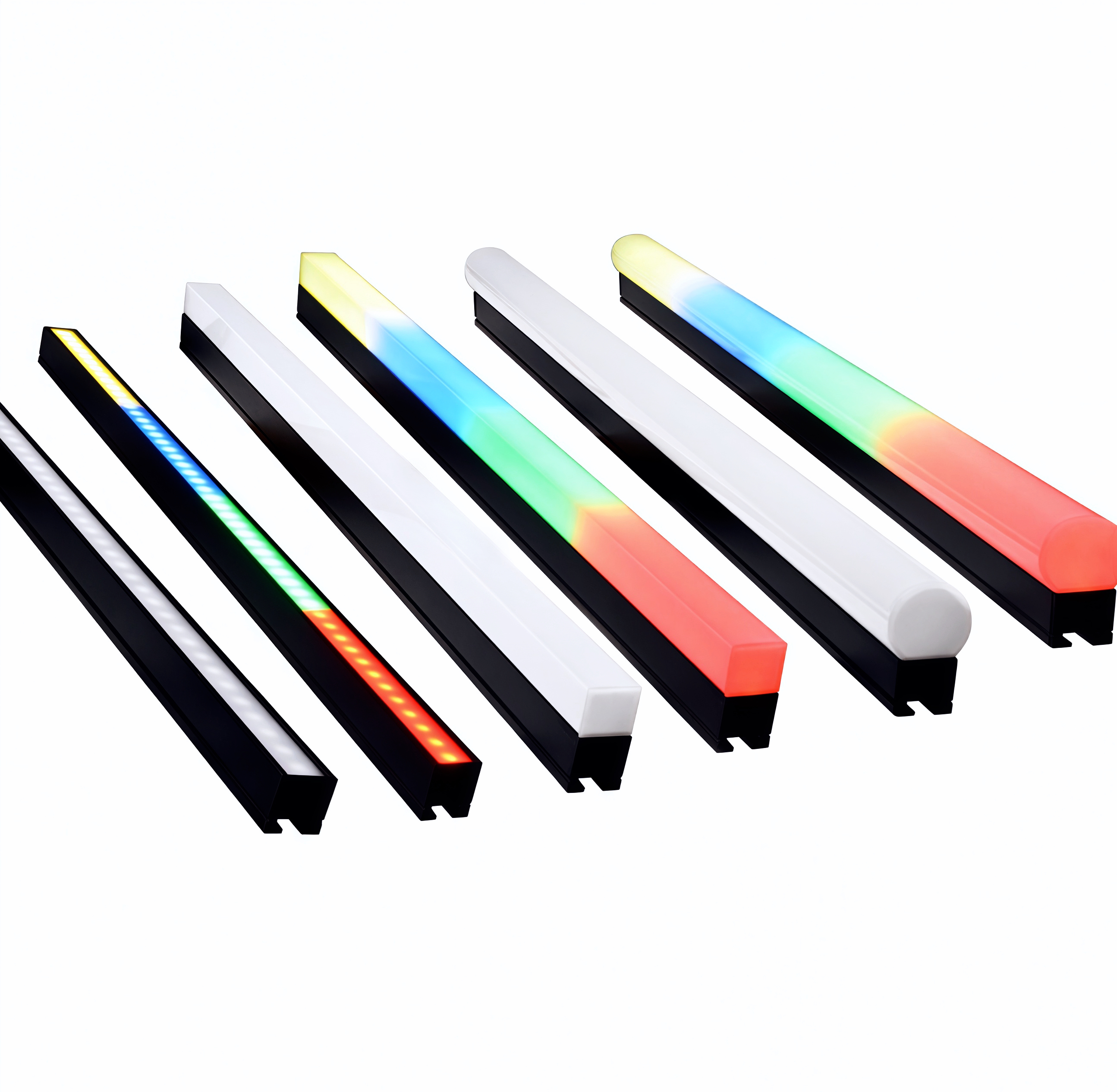
Honeycomb Hexagon Lighting UCS2904 RGBW DMX512 SPI Pixel LED Video Bar
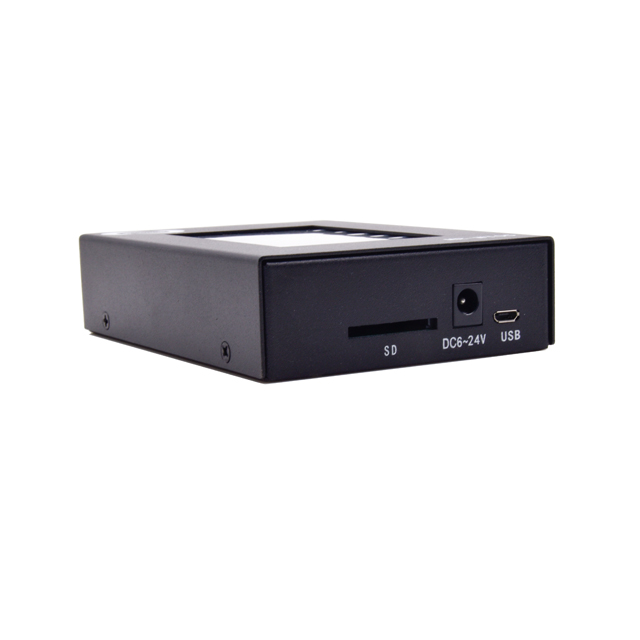
6144Channel RDM Touch Screen Handheld DMX Address Writer MR-WT35
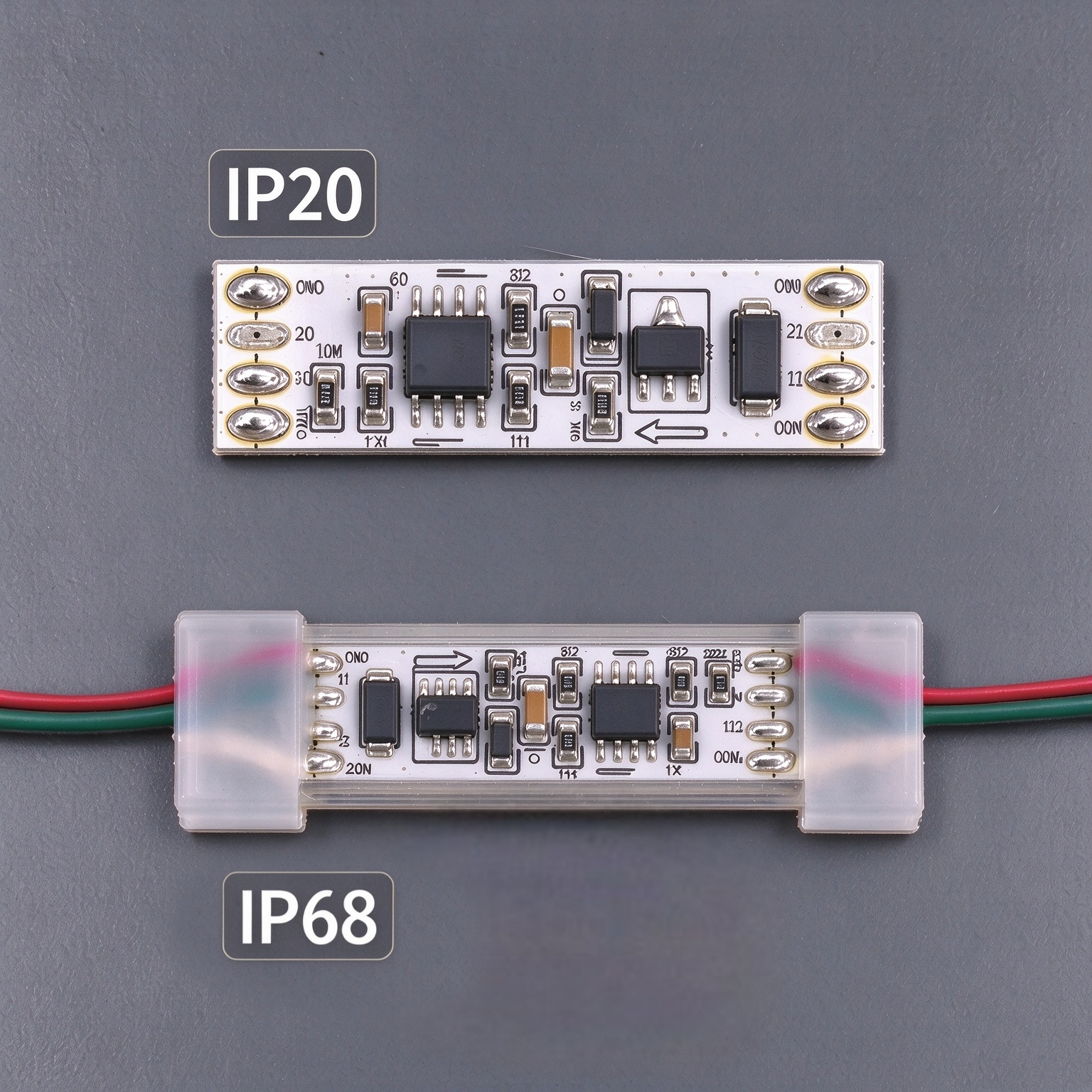
Programmable Mini TTL SPI Amplifier Signal Booster for WS2811 SK6812 UCS2904
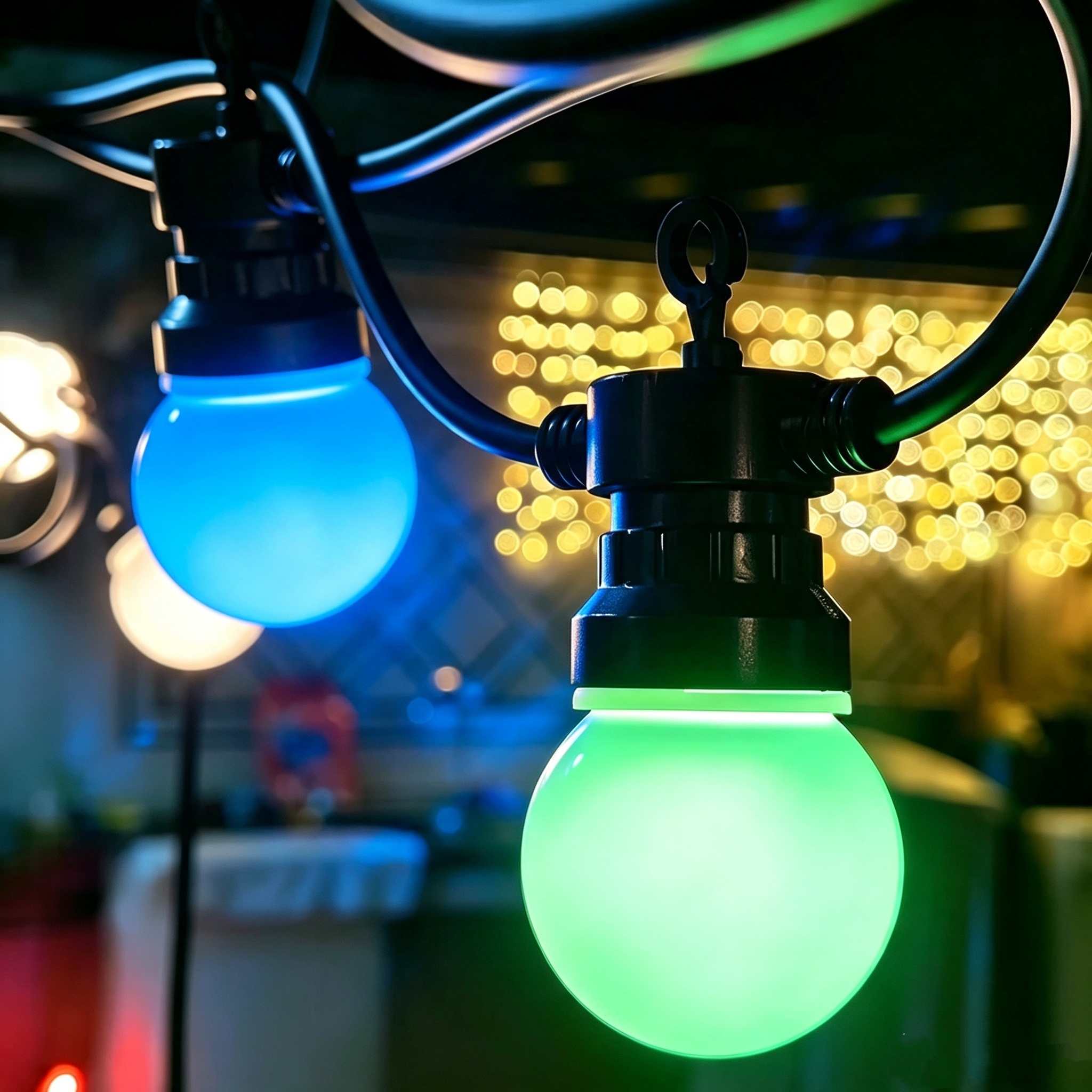
12V/24V 6LEDs UCS2904 RGBW Garland Outdoor Waterproof Pixel String Lights
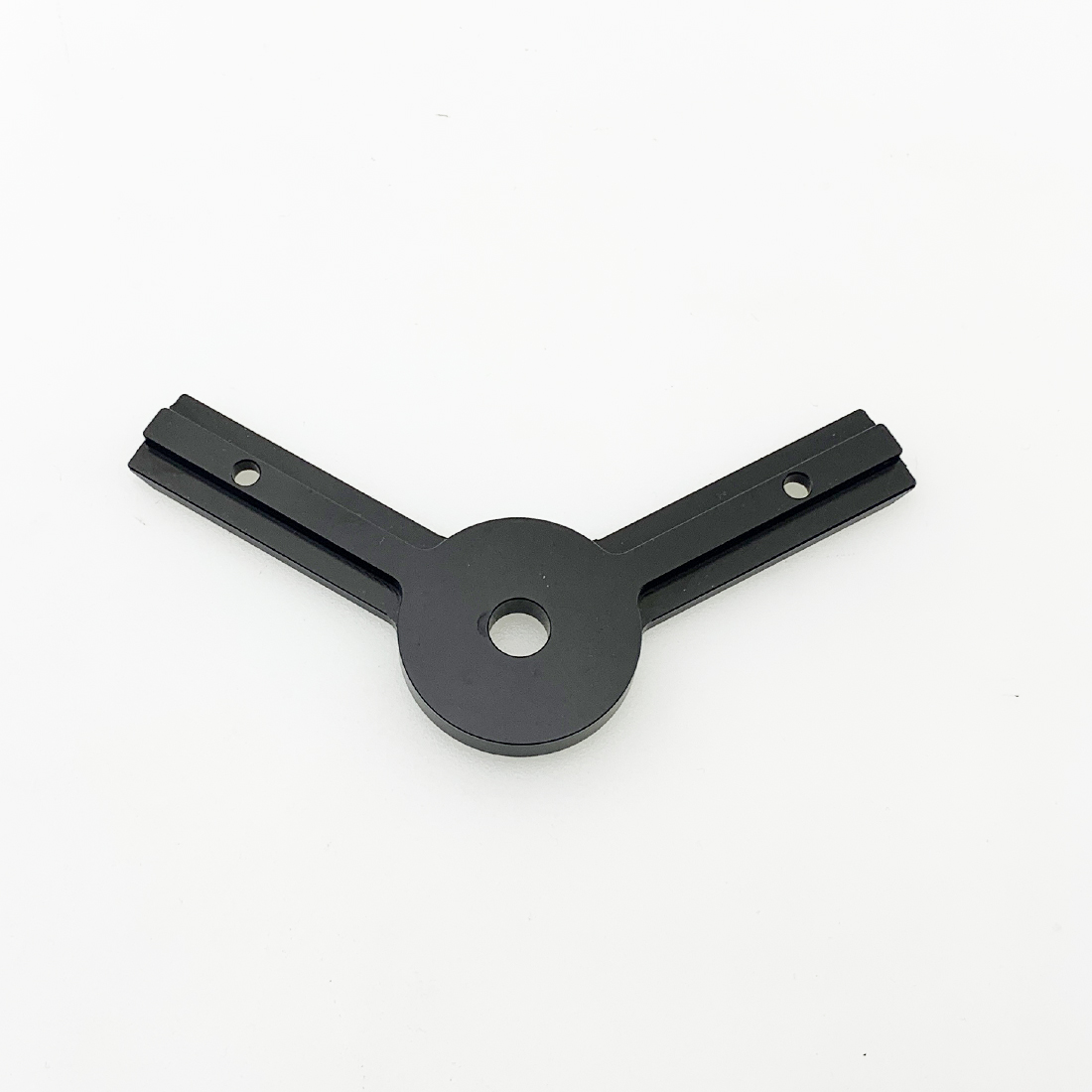
120 Degree V Model Joiner Profile Surface Connector for Hexagon LED Pixel Bar
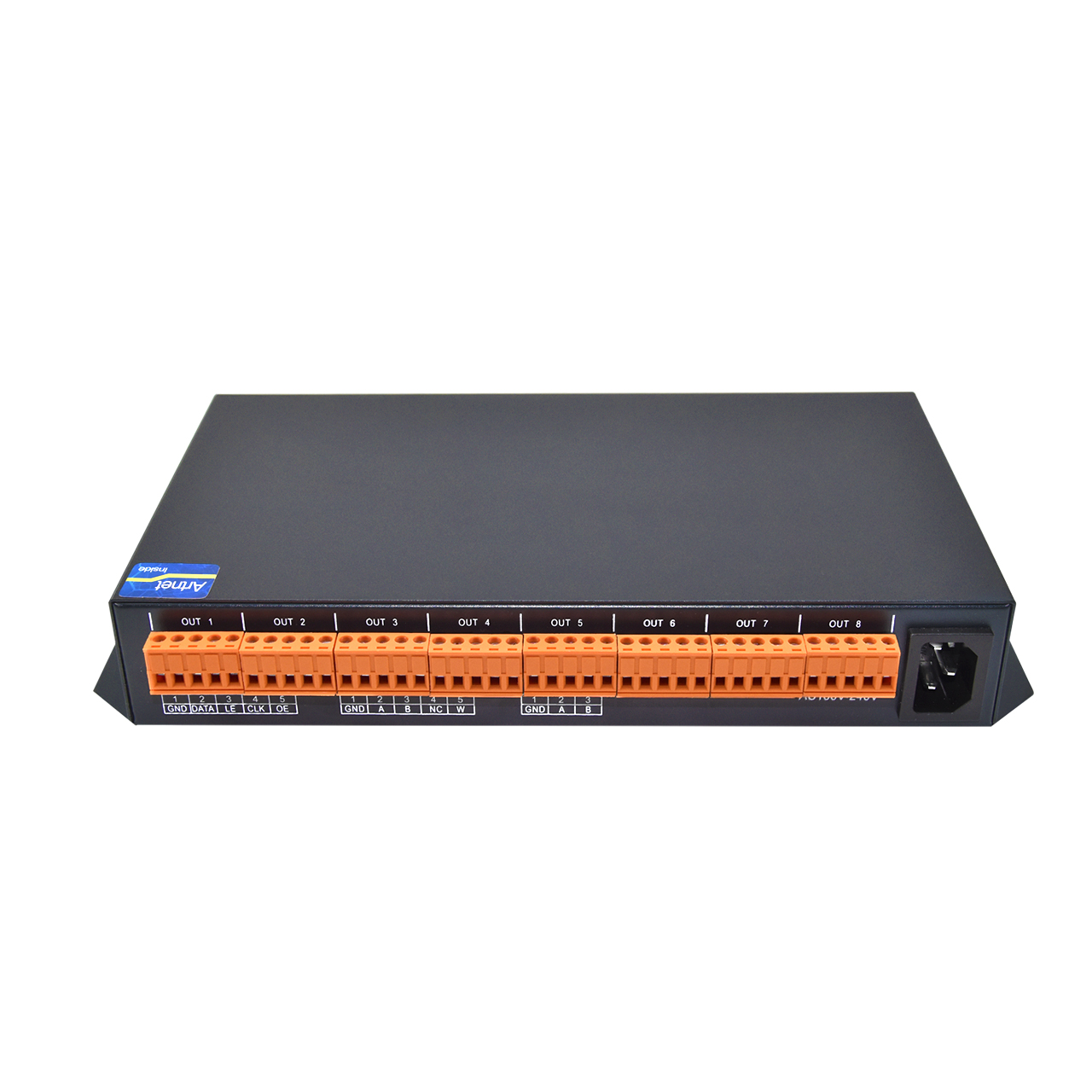
A28A ArtNet 4096CH 64 Universe DMX512 WS2812 UCS2904 Pixel LED Controller
SGS Verified
Onsite Factory Inspection
16-Bit PWM
65,536 Grayscale Levels
10+ Years
B2B Custom OEM Export
99.31%
On-Time Fulfillment Rate
The Technical Evolution of Custom Addressable RGB/RGBW LED Strip Manufacturing
The global demand for high-density, dynamically controlled addressable RGB and RGBW LED strips has transitioned from rudimentary decorative lighting to complex, camera-critical architectural lighting, live stage visuals, and media facade integration. As a premier custom OEM addressable RGB LED strip manufacturer located in Shiyan, Shenzhen, Shenzhen Fuvin Led Technology Co., Ltd. leads this shift by engineering state-of-the-art pixel technologies. Modern addressable LED manufacturing requires a meticulous synthesis of semiconductor-grade IC integration, thermal management dynamics, signal conditioning, and custom silicone co-extrusion.
Traditional analog PWM lighting lacks individual diode addressability, forcing entire circuits to display unified chromaticity. Conversely, digitally addressable LED strips embed dedicated Integrated Circuits (ICs)—either mounted adjacent to the SMD package (external ICs like UCS2904, UCS512, WS2811) or directly encapsulated within the 5050/3535/2020 LED frame (internal ICs like SK6812, WS2812B). This allows lighting designers to control chromaticity, luminescence, and strobe frequencies down to individual pixels or tailored sub-clusters across thousands of universes using ArtNet, sACN, or direct DMX512 protocols.
Engineering Information Gain: When sourcing addressable LED strips for high-end applications, standard 8-bit color resolution (256 steps per channel) causes visible "stepping" or banding during ultra-low dimming curves. Our OEM production lines integrate true 16-bit grayscale driver ICs (such as UCS8904 and UCS7604), delivering 65,536 smooth dimming levels per channel. This eliminates camera flicker on HD broadcasts, film sets, and virtual production studios operating at high refresh rates (>4,000Hz).
Protocol Architecture: SPI Data Transmission vs. RS-485 DMX512 Differential Signal
Understanding the operational trade-offs between Serial Peripheral Interface (SPI) protocols and RS-485 based DMX512 standards is crucial for B2B procurement teams and lighting system integrators:
- SPI Digital Tapes (UCS2904, WS2814, SK6812): SPI protocols utilize single or dual Data/Clock signal lines (TTL voltage levels). Dual-data IC topologies (such as GS8208 or WS2815) feature continuous transmission breakpoint backup, ensuring that if a single pixel fails, signal flow is maintained down the line. SPI strips offer high frame rate transmission over short-to-medium runs, ideal for interior cove lighting, customized gaming hardware, and stage bars.
- DMX512 / RDM Tapes (UCS512, TM512AC): Utilizing differential RS-485 physical layer signaling, DMX512 addressable LED strips excel in noise-heavy industrial environments, long physical runs, and outdoor building facade projects. Each pixel is addressed via a hardware writer (like the MR-WT35). DMX512 systems allow parallel wiring configurations, preventing a single damaged fixture from disrupting downstream communication.
Detailed Protocol & IC Performance Benchmark Matrix
This technical matrix provides engineering procurement teams with actionable data to select the optimal driver IC based on dimming performance, voltage stability, and signal integrity.
| Driver IC Chip |
Protocol Type |
Color Channels |
Grayscale Depth |
Operating Voltage |
Primary Target Application |
| UCS2904 |
SPI (Single Data) |
RGBW (4 Channels) |
8-Bit (256 Levels) |
DC12V / DC24V |
Commercial Coves, Festoon Bulbs, Christmas Strings |
| UCS8904 |
SPI (Single Data) |
RGBW (4 Channels) |
16-Bit (65,536 Levels) |
DC5V / 12V / 24V |
Stage Performance, Broadcast Studios, Premium Facades |
| WS2814 |
SPI (Single Data) |
RGBW (COB Density) |
8-Bit (256 Levels) |
DC24V |
Continuous Linear Dot-Free Cove Lighting |
| SK6812 |
SPI (Single Data) |
RGBW / WWA |
8-Bit (256 Levels) |
DC5V / DC12V |
Custom Architectural Displays, Accent Joinery |
| UCS512 / TM512 |
DMX512 / RDM |
RGB / RGBW |
8-Bit / 16-Bit |
DC12V / DC24V |
Bridge Lighting, Skyscrapers, Heavy Industrial Facades |
Future Procurement & Technological Trends in Pixel LED Manufacturing (2025–2030)
To maintain a competitive edge, wholesale importers, lighting specifiers, and OEM clients must align their procurement strategies with emerging industry trends. The addressable LED industry is undergoing a structural transition driven by four key technical advancements:
1. High-Density Chip-on-Board (COB) Pixelation
Traditional SMD flex strips create visible spot lighting without bulky diffusers. The future belongs to COB addressable strips (such as the WS2814 720/784 LEDs/m), where phosphor-encapsulated flip-chips create continuous, dot-free linear light even in ultra-slim profiles.
2. High Voltage (DC24V/DC48V) Addressable Architectures
Voltage drop is the primary cause of color shifting (red-shift) on long LED tape runs. Modern OEM engineering favors DC24V and DC48V step-down IC topologies, allowing continuous power runs up to 10–15 meters without mid-line power injection.
3. Co-Extruded Silicone & 360° Round Neon Tubes
PVC materials yellow and crack under UV exposure. Advanced manufacturing uses liquid silicone rubber (LSR) co-extrusion to produce IP68-rated, UV-resistant, flame-retardant 360-degree round neon tubes (e.g., D22 flex tubes) capable of withstanding extreme thermal environments (-40°C to +60°C).
Enterprise Manufacturing Advantage: Shenzhen Fuvin Led Technology Co., Ltd.
Rooted in the world's lighting innovation hub—Shiyan Street, Shenzhen—Shenzhen Fuvin Led Technology Co., Ltd. operates as an SGS-verified custom manufacturer specializing in high-reliability addressable pixel systems. Our facility bridges the gap between boutique custom prototyping and high-volume industrial manufacturing.
Rigorous 12-Step Quality Assurance Workflow
Every meter of pixel tape, neon flex, and linear bar manufactured in our facility undergoes a standardized 12-step production and quality control protocol:
- Raw Material Incoming Inspection (IQC): Automated spectrometer verification of LED binning, copper PCB thickness testing (minimum 2oz/3oz rolled copper), and driver IC qualification.
- Precision SMT Placement: High-speed Surface Mount Technology lines ensuring ±0.05mm component placement accuracy for micro-ICs and passives.
- Reflow Soldering with Nitrogen Purge: Optimized temperature zone profiling to eliminate cold solder joints and oxidation.
- Initial Optical & Circuit Testing: Automating electrical continuity and pixel signal integrity testing prior to lamination.
- Silicone Extrusion / Encapsulation: Precision co-extrusion for IP65, IP67, and IP68 waterproof ratings.
- 100% Powered Burn-in / Aging Test: Every batch undergoes 8 to 24 hours of continuous thermal stress and dynamic color-cycling tests to screen early component mortality.
- Final Multimeter & High-Voltage Inspection: Rigorous dielectric strength and isolation resistance testing.
- Vacuum-Sealed Anti-Static Packaging: Moisture-barrier reel packaging to prevent ESD damage during international transit.
Frequently Asked Procurement & Technical Questions (FAQ)
Designed for engineering buyers, importers, and project integrators seeking quick clarity on custom manufacturing parameters.
1. What is the minimum order quantity (MOQ) for custom OEM addressable LED PCB designs?
For standard addressable LED strips, our MOQ is flexible (as low as 10 to 50 meters). For custom PCB layouts, proprietary IC integration, or unique copper FPC widths, our standard OEM tooling threshold starts at 1,000 meters. Sample prototypes can be produced within 3–5 working days.
2. How does UCS2904 differ from UCS8904 in practical stage and architectural projects?
While both ICs drive 4-channel RGBW configurations via SPI, UCS2904 provides standard 8-bit color resolution suitable for general commercial coves, holiday strings, and displays. UCS8904 features native 16-bit dimming performance (65,536 grayscale steps), eliminating step-wise brightness jumps during subtle fade-ins/fade-outs. This makes UCS8904 essential for theatrical stages, film studios, and luxury architectural facades.
3. Can your factory supply custom pre-cut lengths with factory-sealed IP68 connectors?
Yes. We provide complete turnkey OEM customization including custom lead wire lengths, IP68 overmolded waterproof connectors, laser-etched buyer logos, custom reel packaging, and pre-programmed DMX address assignment prior to export.
4. How do you prevent voltage drop on long-distance addressable RGBW strip installations?
We mitigate voltage drop through three primary engineering methods: (1) Utilizing thick 3oz heavy-copper double-sided FPC substrates; (2) Designing strips on DC24V step-down circuit architectures; and (3) Recommending integrated parallel power injection cabling paths calculated by our engineering team for your specific project length.
5. What certifications are available for European and North American customs clearance?
Our factory is audited onsite by SGS Group. Our products carry CE marks, RoHS compliance reports, Declaration of Conformity (DoC) documentation, and select product series are UL / cUL listed for North American market compliance.
Accelerate Your Pixel Lighting Project Today
Connect with our engineering team to request custom OEM samples, complete product catalogs, photometric IES files, or factory-direct B2B wholesale quotations.
 Shenzhen, Guangdong, China