Explore our flagship verified production lines featuring advanced IC drivers (UCS2904, UCS8904 16-Bit, WS2814 COB, DMX512), continuous silicone extrusion, and commercial-grade CCT dim-to-warm LED strips directly from our Shenzhen manufacturing facility.
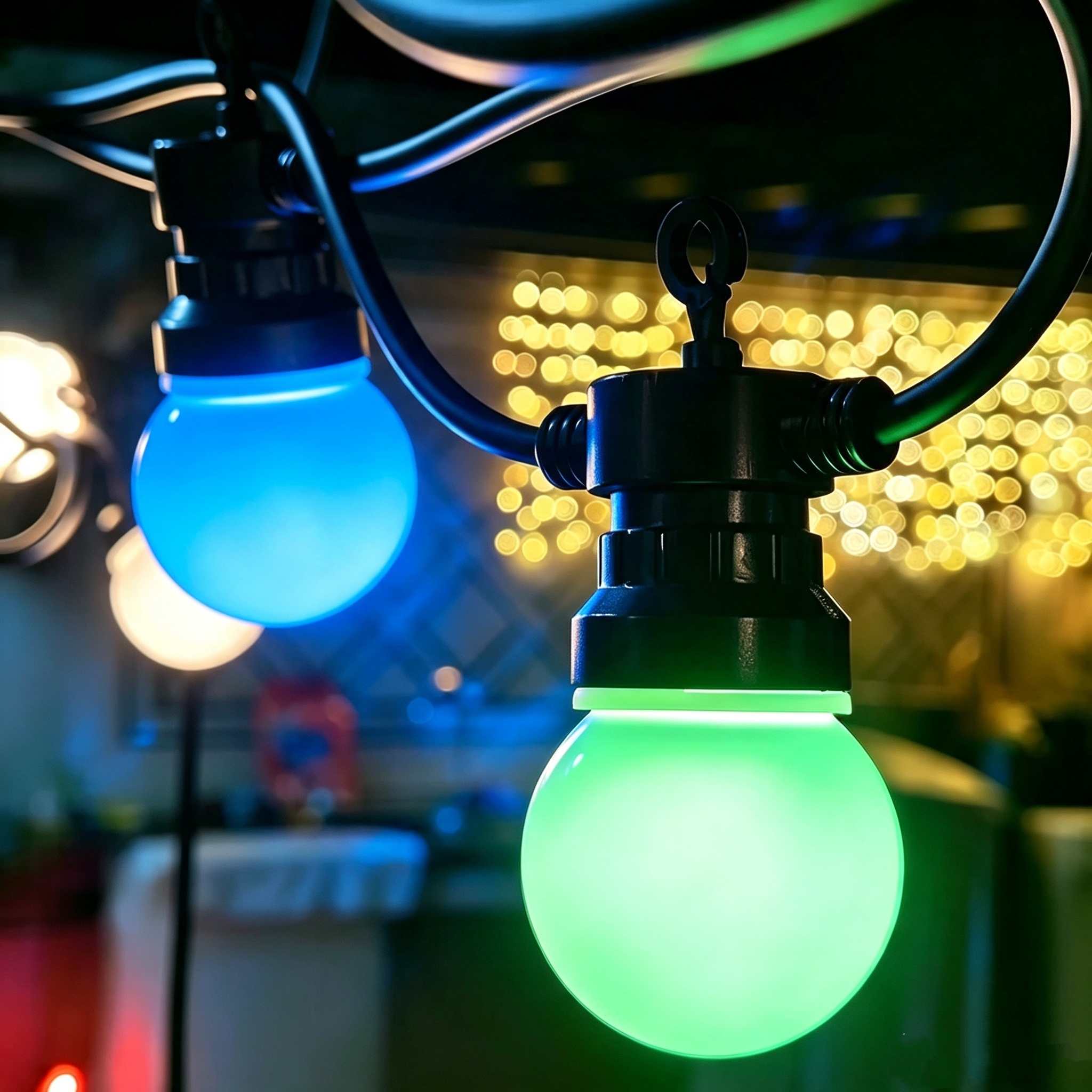
In professional architectural lighting, live performance stages, and commercial facade engineering, specifying the correct pixel IC protocol and printed circuit board (PCB) design is paramount. As a specialized custom OEM multicolor LED strip factory based in Shenzhen, China, Shenzhen Fuvin Led Technology Co., Ltd. bridges the gap between raw semiconductor engineering and project-level reliability.
Multicolor addressable LED tapes allow individual control over light-emitting diode clusters or single chips. Modern digital linear lights utilize specific Integrated Circuits (ICs) embedded either inside the 5050/3535 package or placed adjacent on the flexible printed circuit board (FPCB). Understanding the performance trade-offs between Single-Wire SPI (Serial Peripheral Interface), Dual-Wire SPI, and Differential RS-485 DMX512 protocols is critical for procurement managers and system integrators.
The UCS2904 IC is the industry workhorse for 8-bit, 256-grayscale RGBW control. Operating at DC12V or DC24V, it provides built-in constant current regulation, allowing up to 6 LEDs per pixel cuttable segment. Ideal for cost-effective architectural cove lighting, festive decorations, and IP67 landscape installations.
Engineered specifically for camera broadcast, theater, and high-end interior spaces, 16-bit ICs expand dimming steps from 256 levels to 65,536 levels per channel. This completely eliminates visible stepping and flickering during low-brightness dimming curves and high-speed camera shutter recording.
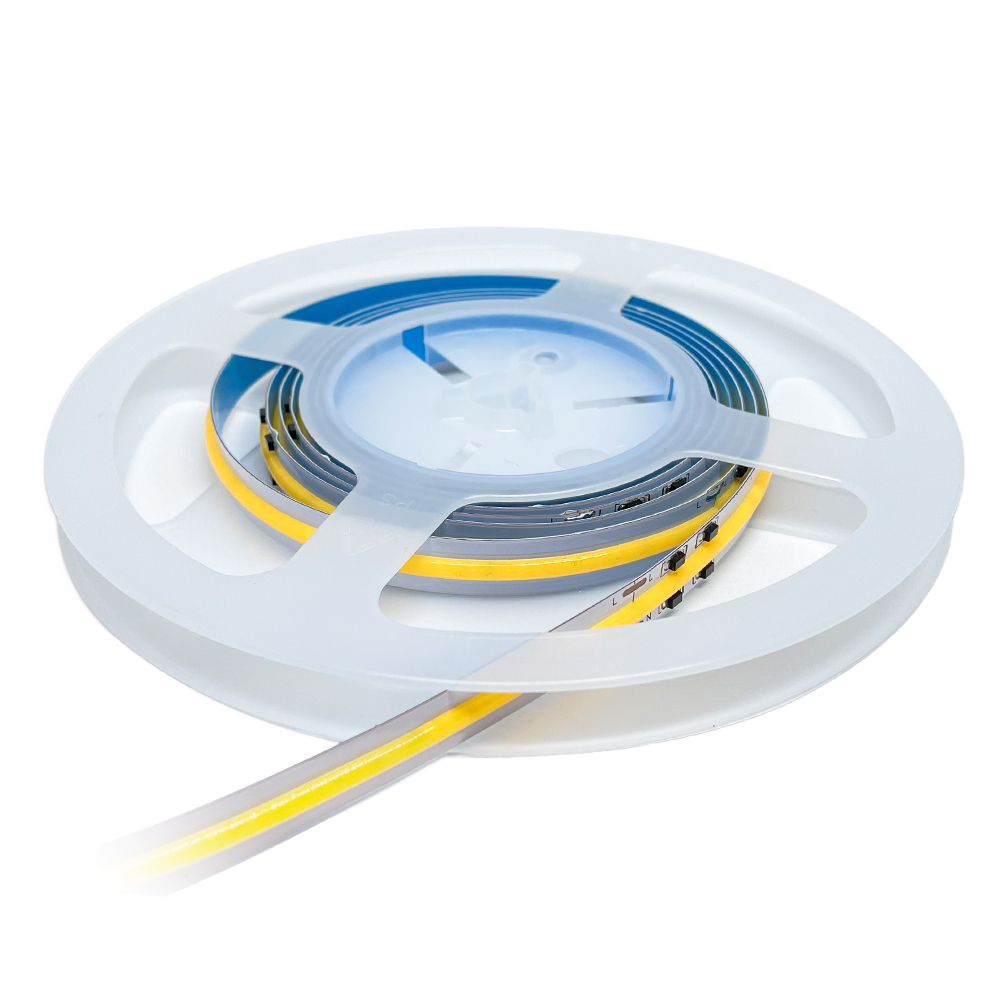
COB (Chip-on-Board) flexible tapes integrate up to 784 LEDs per meter under a continuous silicone phosphor matrix. Driven by WS2814 SPI ICs, they deliver a perfectly seamless, dot-free linear light ribbon even when installed inside shallow aluminum profiles without diffusion covers.
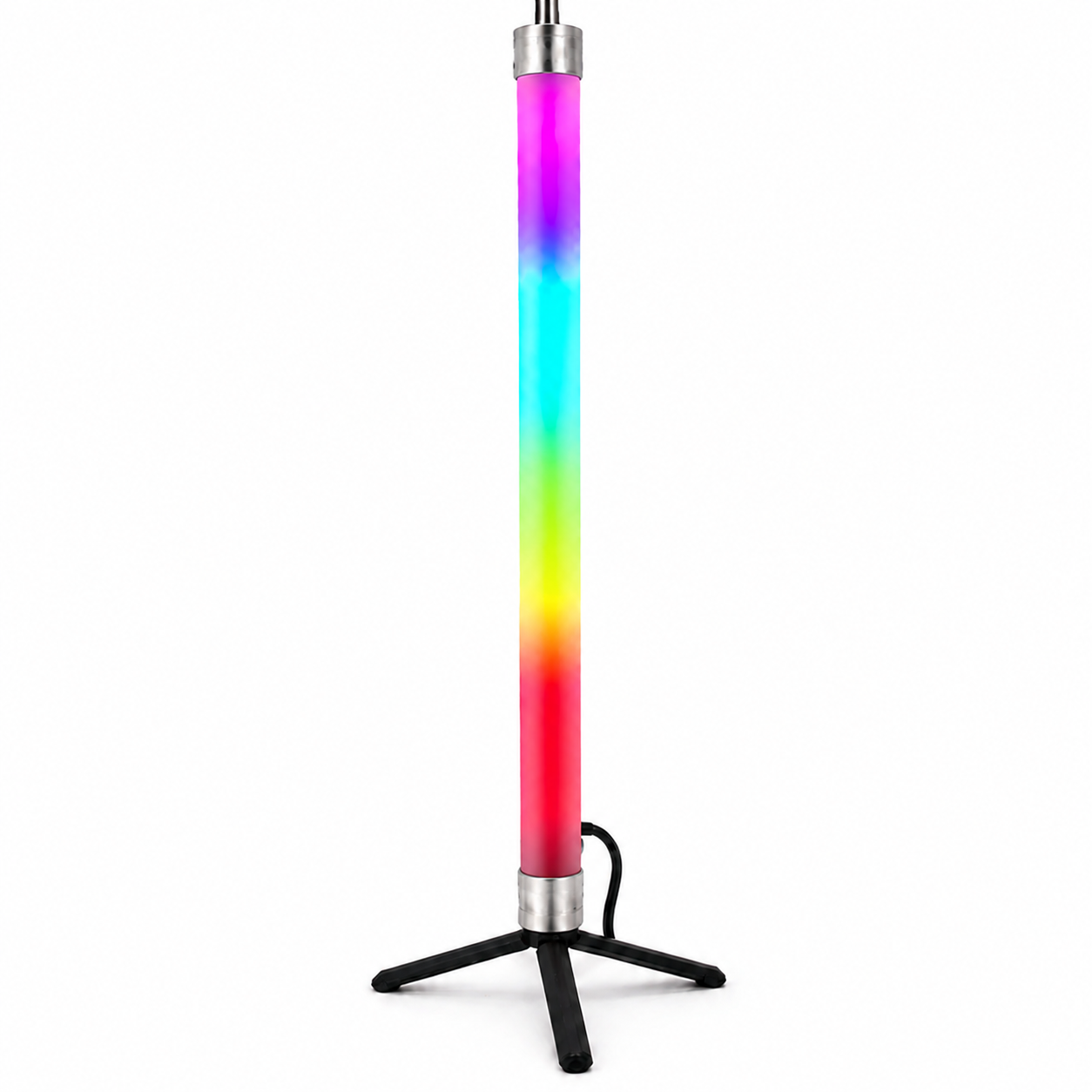
Unlike single-ended SPI signals that suffer from electromagnetic interference over long distances, DMX512 uses RS-485 differential signaling. Featuring parallel data lines, a single dead IC on a DMX strip will not disrupt downstream pixels. Fully addressable with handheld RDM address writers.
| Protocol / IC Model | Color Channel | Grayscale Resolution | Operating Voltage | Signal Transmission Type | Recommended Max Distance | Primary Application Field |
|---|---|---|---|---|---|---|
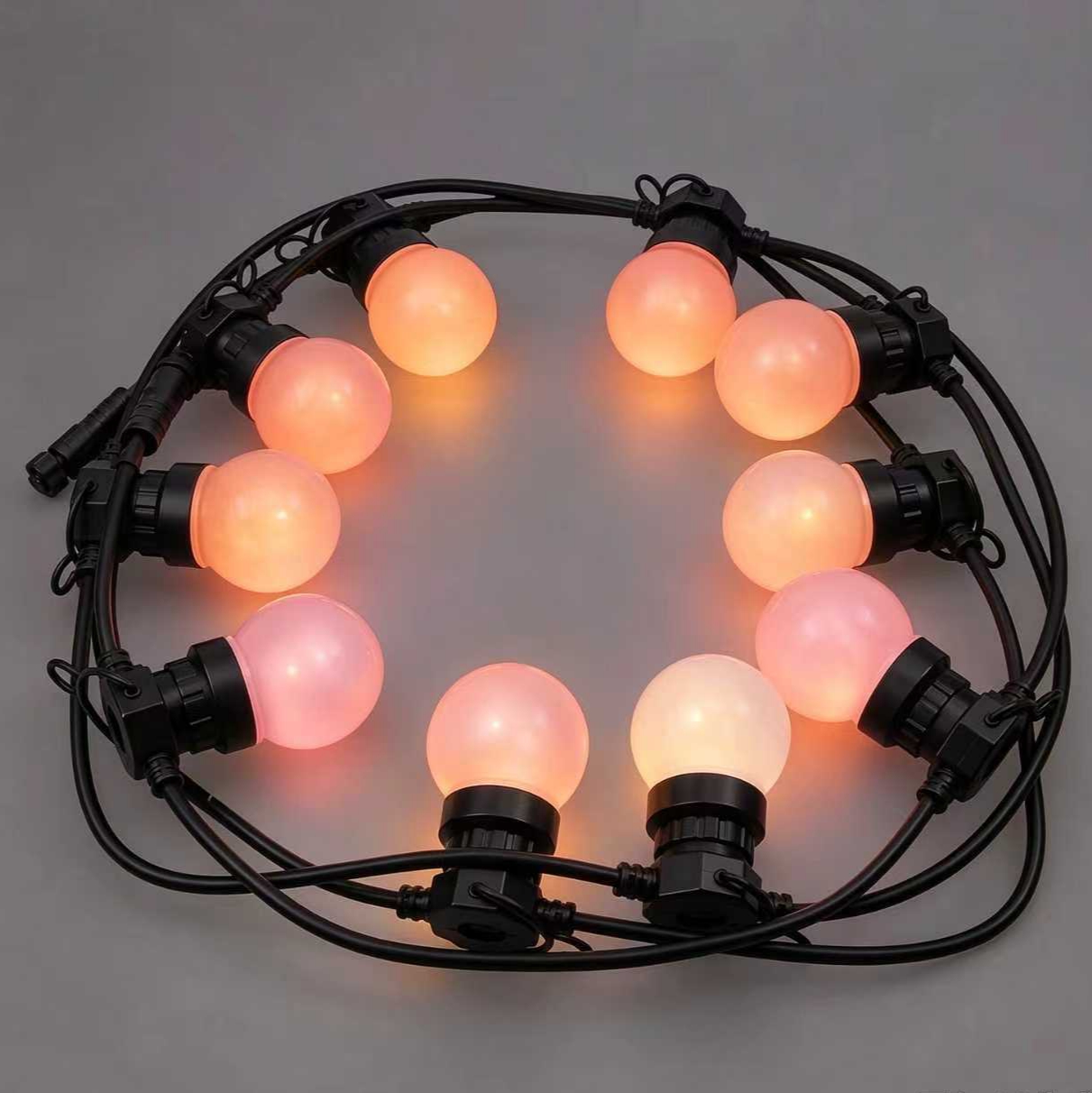
| UCS2904 | RGBW (4-CH) | 8-Bit (256 levels) | DC12V / DC24V | Single-wire SPI | < 10 Meters (Controller to strip) | Commercial decor, outdoor string lights |
| UCS8904 | RGBW (4-CH) | 16-Bit (65,536 levels) | DC5V / DC12V / DC24V | Clocked & Data SPI | < 15 Meters | Stage lighting, studio broadcast, luxury hospitality |
| WS2814 COB | RGBW (4-CH) | 8-Bit (256 levels) | DC24V | Single-wire SPI | < 10 Meters | Seamless dot-free cove ribbon, architectural profile |
| DMX512 / TM512AC | RGB / RGBW | 8-Bit / 16-Bit | DC12V / DC24V | RS-485 Differential Parallel | Up to 300 Meters (DMX line) | Building facade, bridges, stadium, kinetic stage bars |
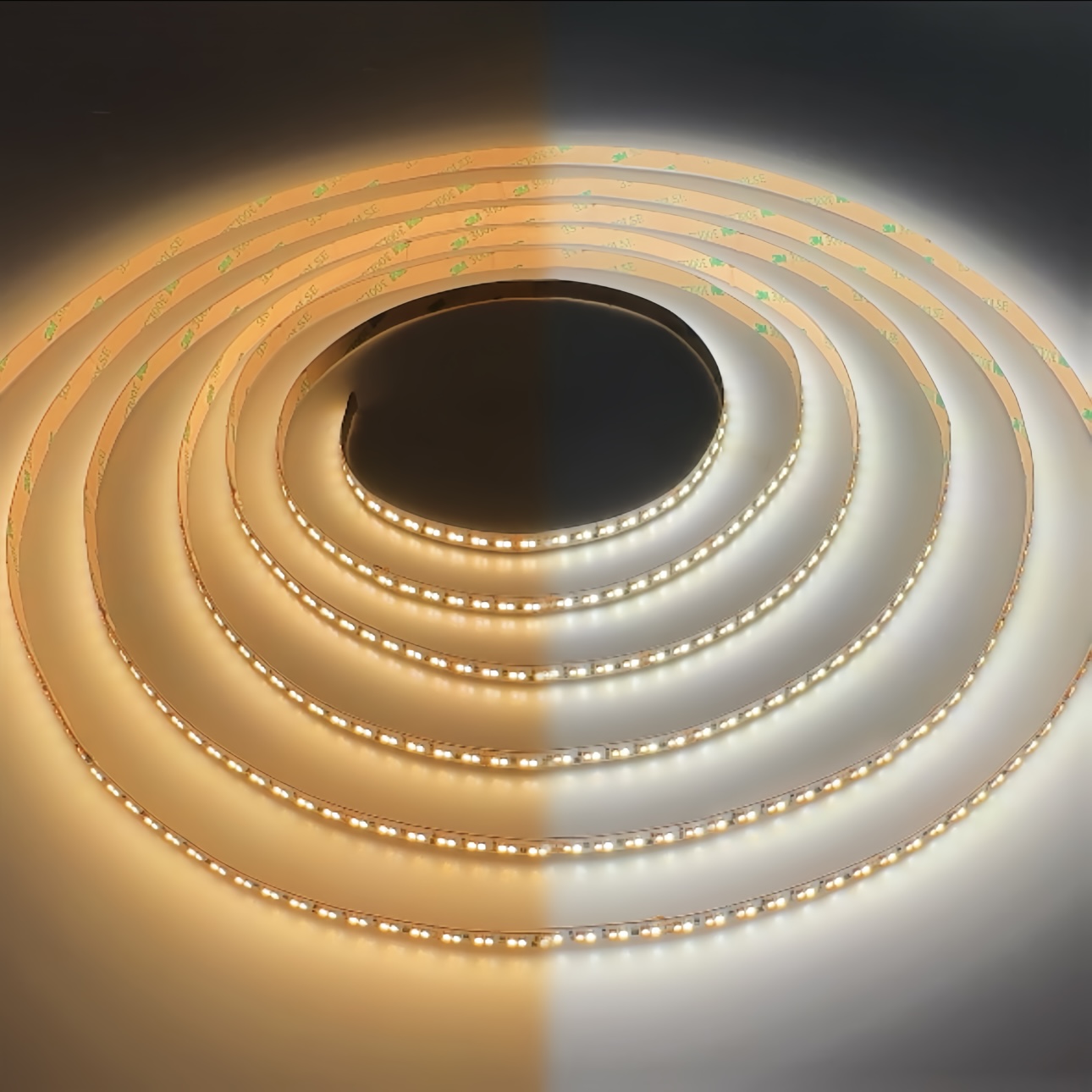
| CRI>90 Dim-to-Warm | CCT (Dual White) | Analog / PWM | DC24V | 2-Wire PWM Dimming | Depends on power injection | High-end residential ceiling, hotel ambiance, museum |
As global energy regulations tighten and lighting control systems converge toward unified IP-based networks, procurement managers for commercial, industrial, and entertainment lighting projects face shifting market demands. When sourcing from a custom OEM multicolor LED strip factory, B2B buyers must align their technical specifications with several key macro trends:
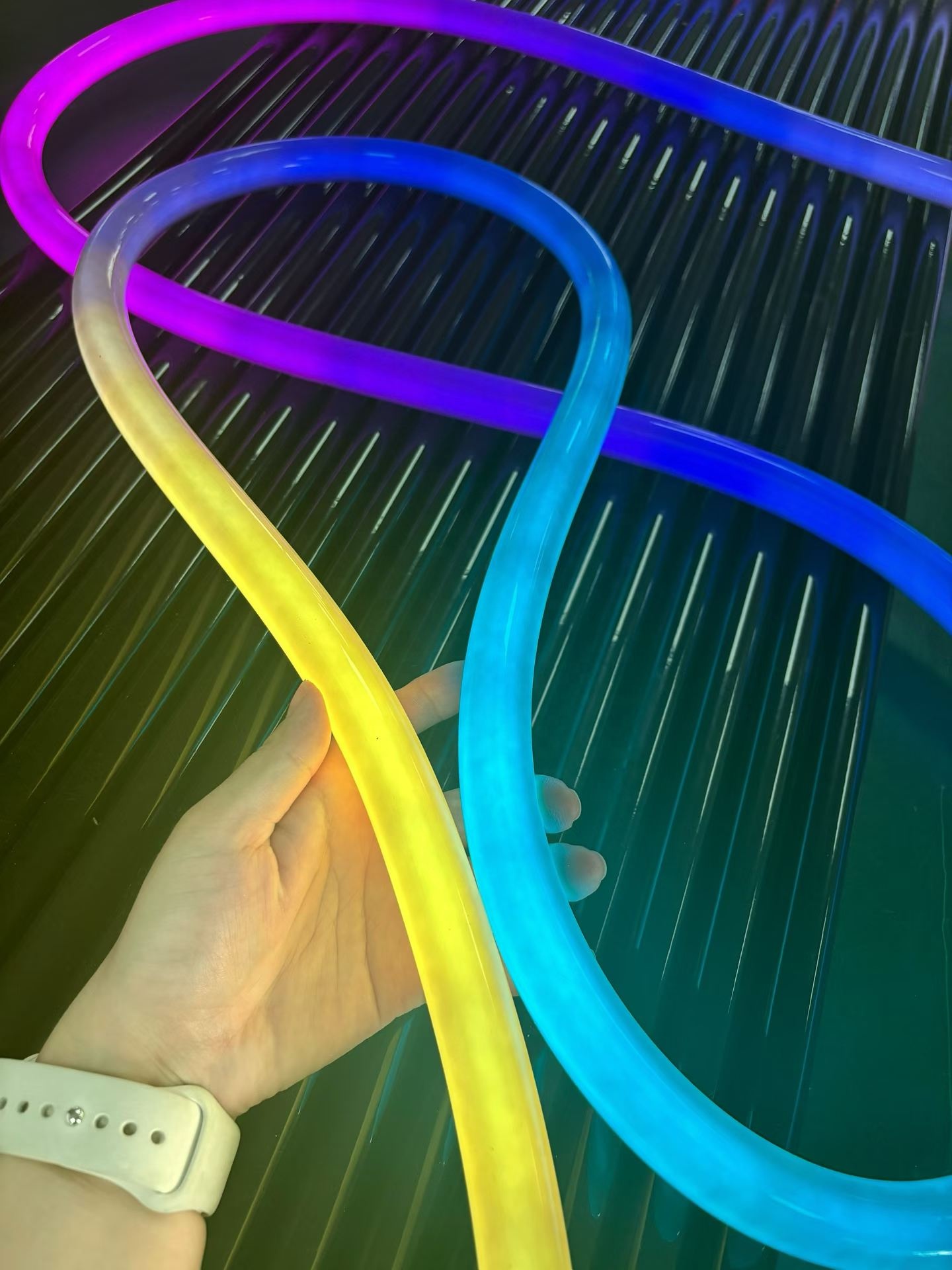
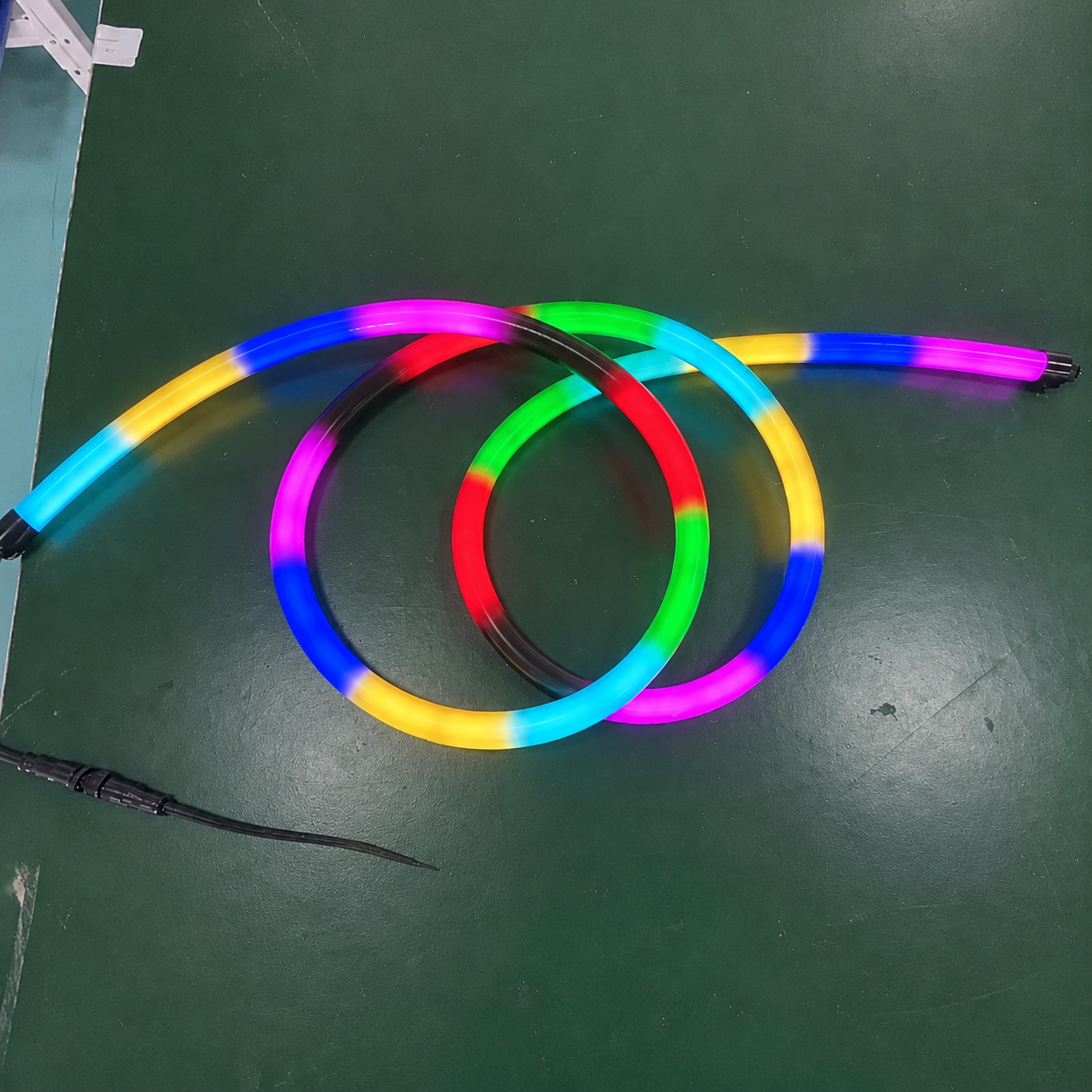
Traditional PVC casing and epoxy resin potting are rapidly being phased out due to yellowing, cracking under UV exposure, and environmental toxicity. Advanced continuous silicone co-extrusion provides superior thermal conductivity, anti-UV endurance (-40°C to +80°C operation), and long-term optical clarity for 360° round neon tubes and linear strips.
To combat voltage drop across long linear runs, project engineers are shifting away from 5V/12V strips toward 24V and 48V architectures. Incorporating micro constant-current ICs inside each segment ensures uniform luminosity from the power input origin all the way to the end of a 10-meter single-feed strip.
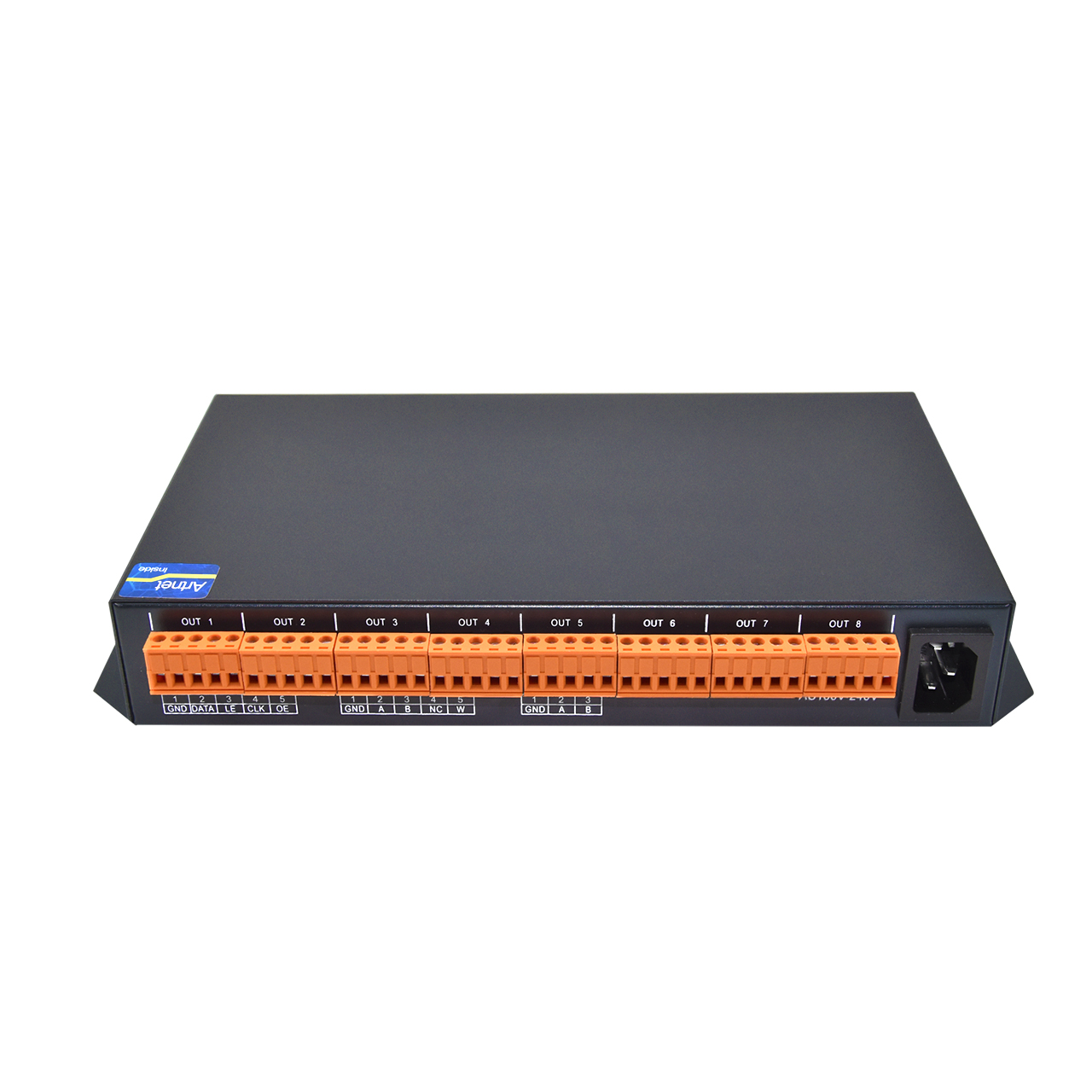
Modern event venues and architectural facades demand thousands of pixel universes. Integrators are specifying direct ArtNet/sACN controllers capable of handling 64+ DMX universes (such as our A28A ArtNet Controller), driving addressable pixel arrays seamlessly via standardized RJ45 Gigabit network infrastructure.
RGB color mixing often lacks spectral quality for human skin tones. Modern RGBW and Dim-to-Warm (1800K-6000K) strips now enforce high Color Rendering Index standards (CRI>90/95), ensuring vivid pure white rendering alongside dynamic full-color dynamic light shows.
The manufacturing process of flexible LED tapes has transformed from manual assembly to high-speed SMT (Surface Mount Technology) automated production. Key technological breakthroughs driving product development include:
Shenzhen Fuvin Led Technology Co., Ltd. operates a state-of-the-art production facility in Shiyan, Shenzhen. Verified onsite by SGS Group, our facility adheres to strict ISO9001 quality management workflows, supporting global lighting brands, distributors, and engineering contractors.
To maintain a zero-defect rate for export shipments to North America, Western Europe, Oceania, and the Middle East, every order follows our documented 12-stage manufacturing protocol:
Spectrophotometer testing for LED binning, copper thickness verification, IC pin integrity checks.
High-speed automated chip mounters place SMDs and micro ICs onto continuous copper substrate lengths.
Multi-zone temperature reflow followed by Automated Optical Inspection (AOI) to detect cold solder joints.
Automated wire bonding machines solder high-temp silicone lead wires or IP67 quick-connectors.
100% of finished strip reels undergo 24 to 48 hours of continuous full-brightness powered burn-in aging.
Automated RGBW sequence pulsing verifies individual IC data routing, PWM dimming, and color uniformity.
High-pressure silicone encapsulation for IP67/IP68 waterproof rating (for outdoor neon & string models).
IP68 submersible pressure tank verification to ensure zero water ingress at end caps and solder junctions.
Resistance and voltage drop measurements across full 5m/10m continuous roll lengths.
Precision ultrasonic bonding creates an impermeable seal between silicone neon sleeves and injection caps.
Moisture-proof ESD vacuum sealing with desiccant packs protects copper pads during oceanic transit.
Random sampling verification of packaging labels, barcode scan, certificate matching, and outer carton drop test.
Whether you are engineering a high-profile architectural facade, a touring stage light rig, or expanding your wholesale lighting catalog, our engineering team provides complete technical support, IES photometric files, and factory-direct pricing.
 Shenzhen, Guangdong, China