Curated addressable LED strips, flex panels, DMX address writers, and 360-degree silicone neon tubes for architectural specifiers and lighting integrators.
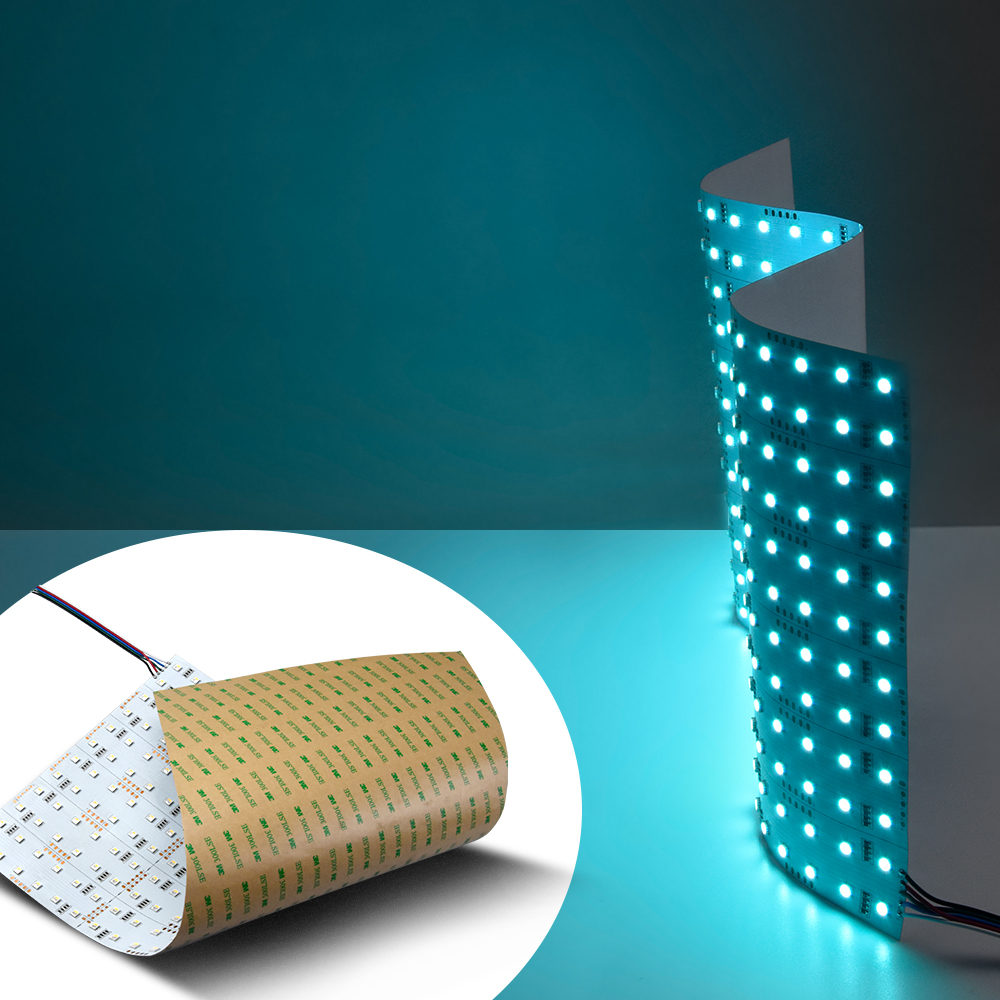
Cuttable per 12 LEDs, bendable matrix sheet for backlit signage, trade show booths, and curved architectural walls.
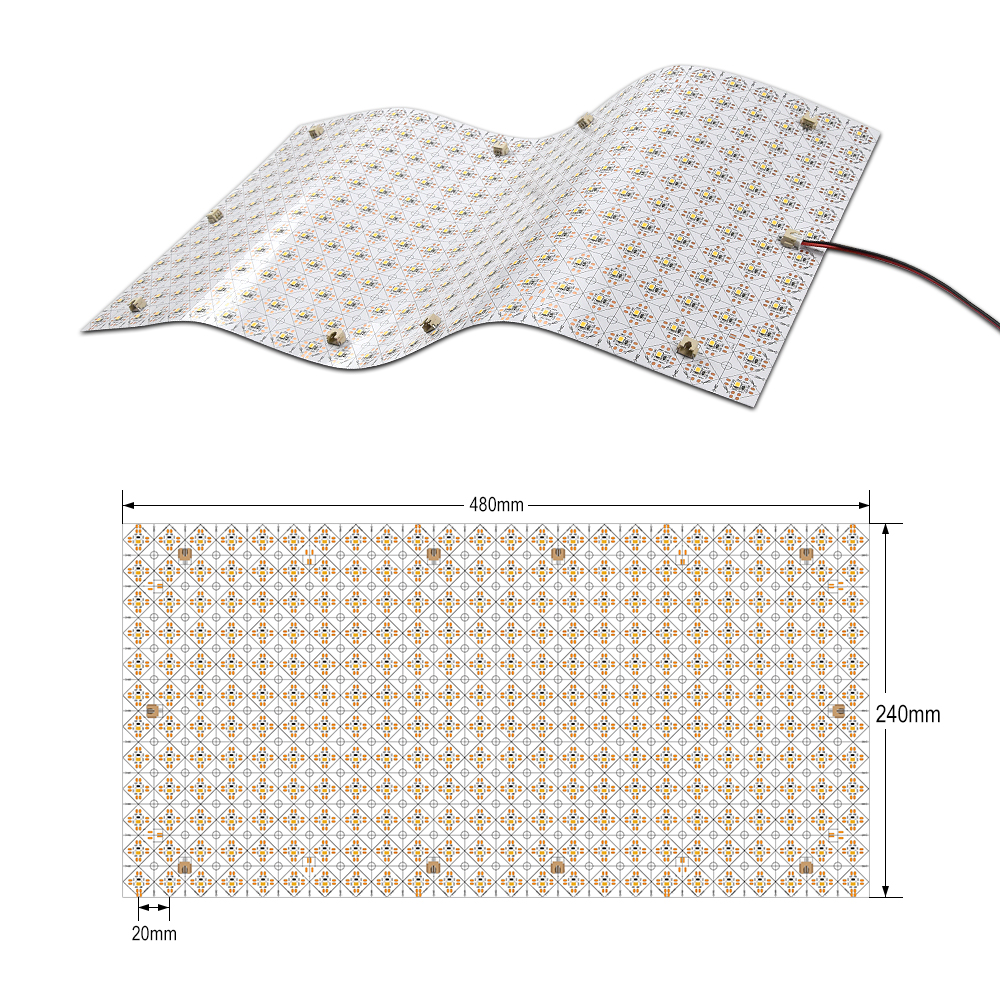
Tunable white 2300K-6500K backlighting panel with ultra-thin profile and seamless illumination uniformity.
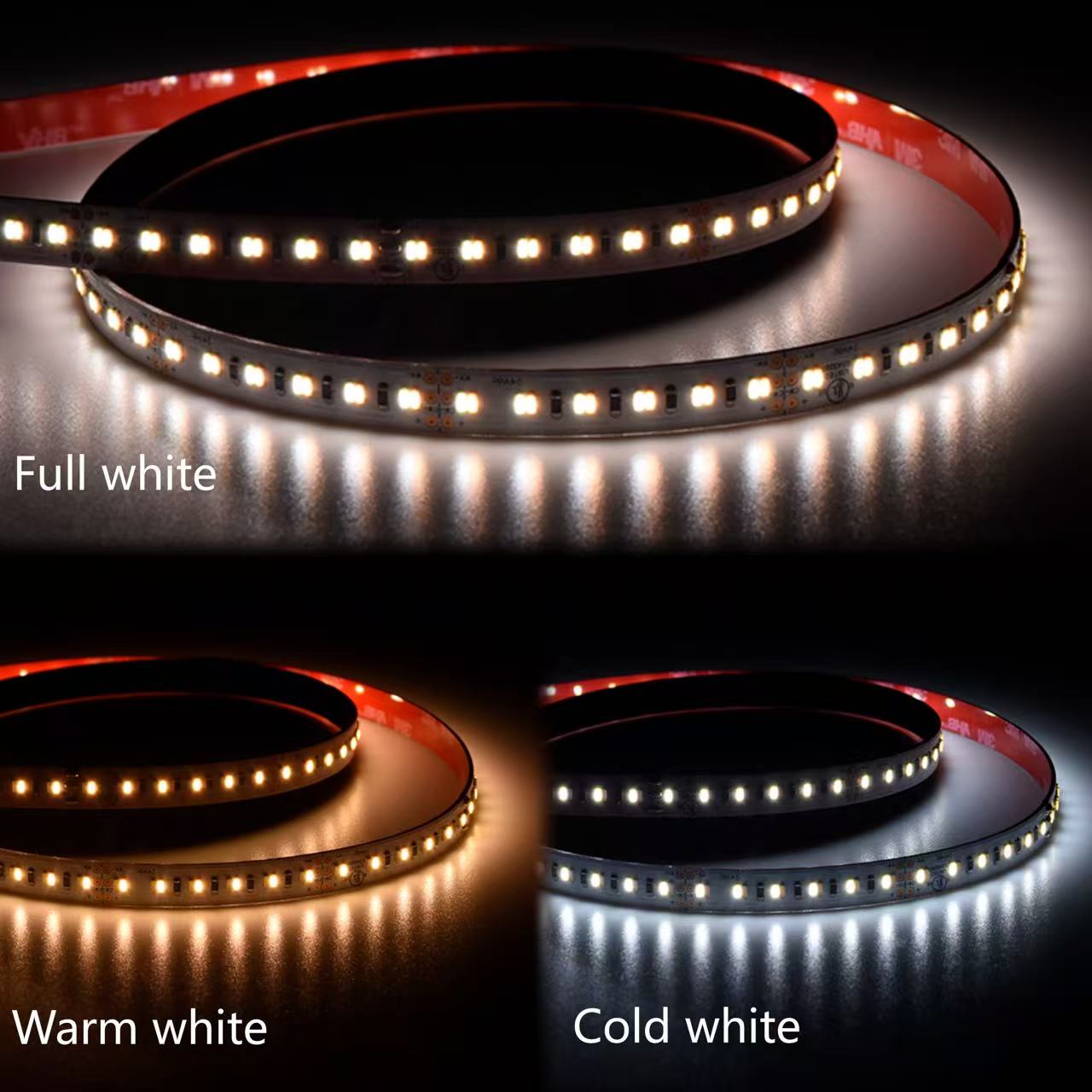
Commercial grade dual-white SMD3014 linear tape for luxury retail displays, accent coves, and high-CRI linear fixtures.
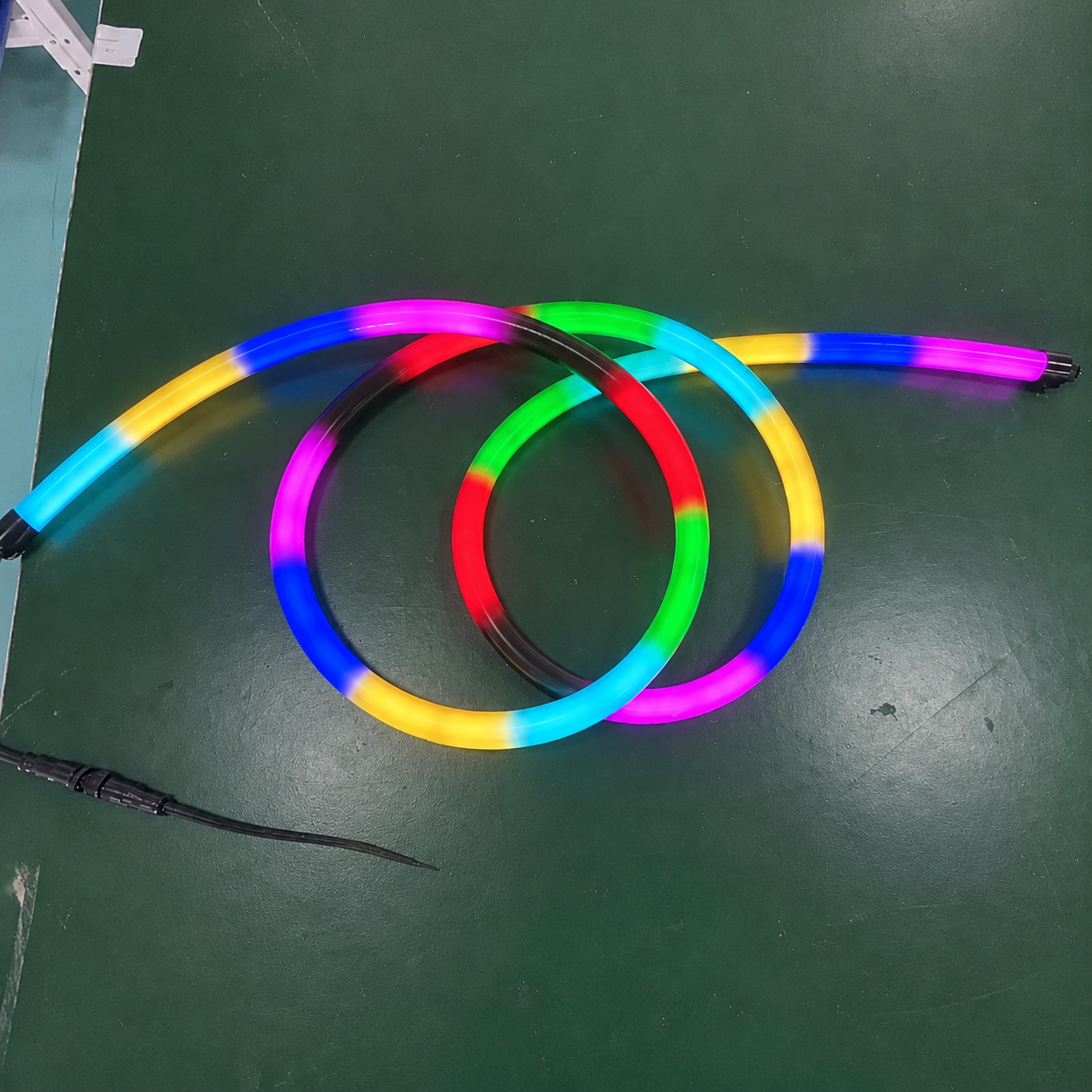
Full 360° cylindrical illumination flex tube for stage suspended light sculptures, landscape art, and outdoor venues.
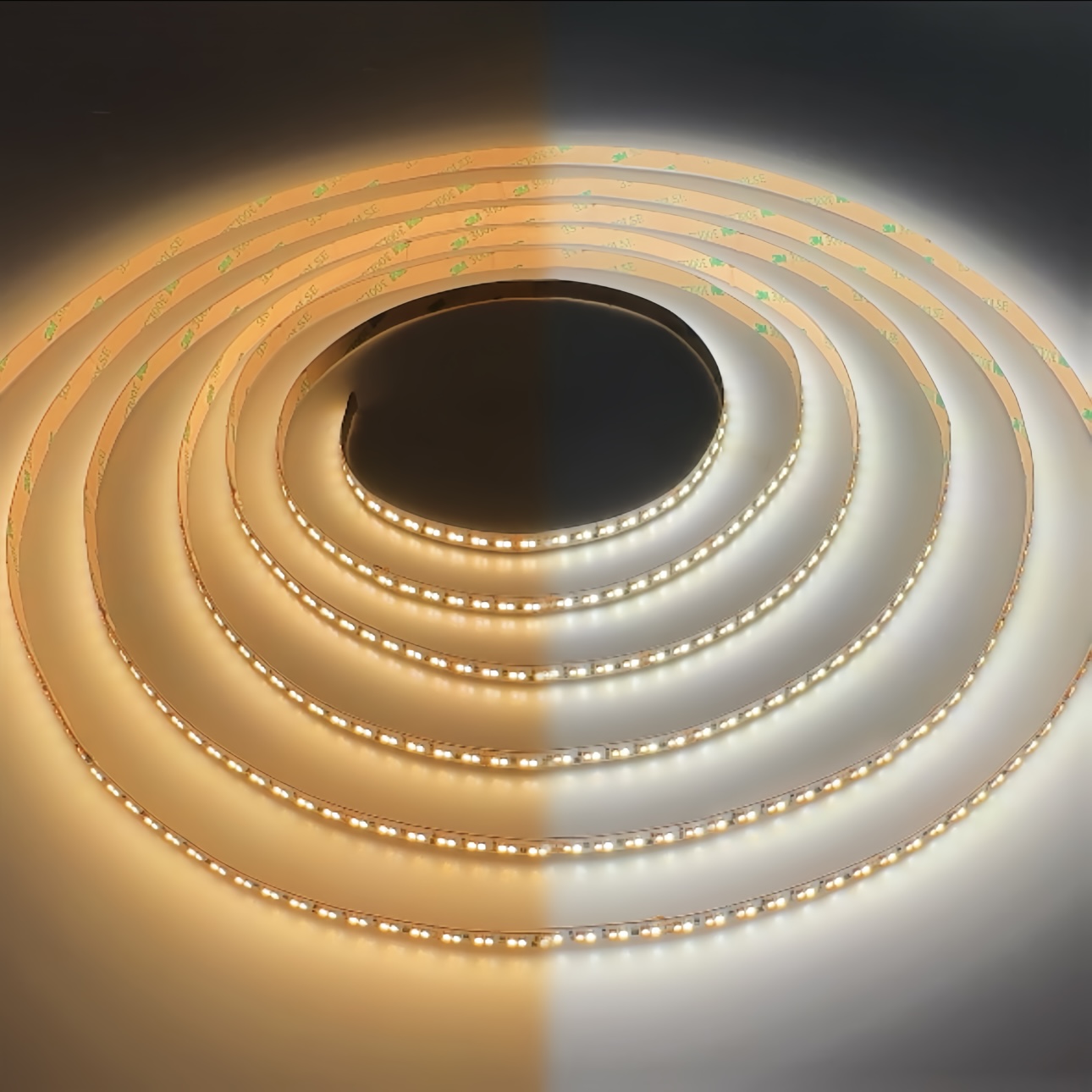
Smooth dim-to-warm technology mimicking halogen incandescent ambiance for high-end hospitality and ceiling architectural coves.

WS2811 / UCS1903 side-emitting pixel neon flex for tight recessing, contour outline lighting, and furniture integration.
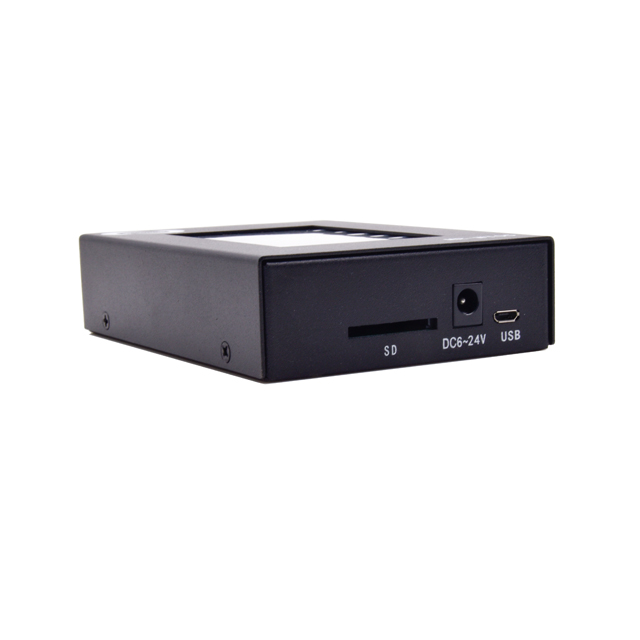
Professional handheld programmer with Type-C & High-Speed SD card for field programming DMX512/RDM pixel chips.
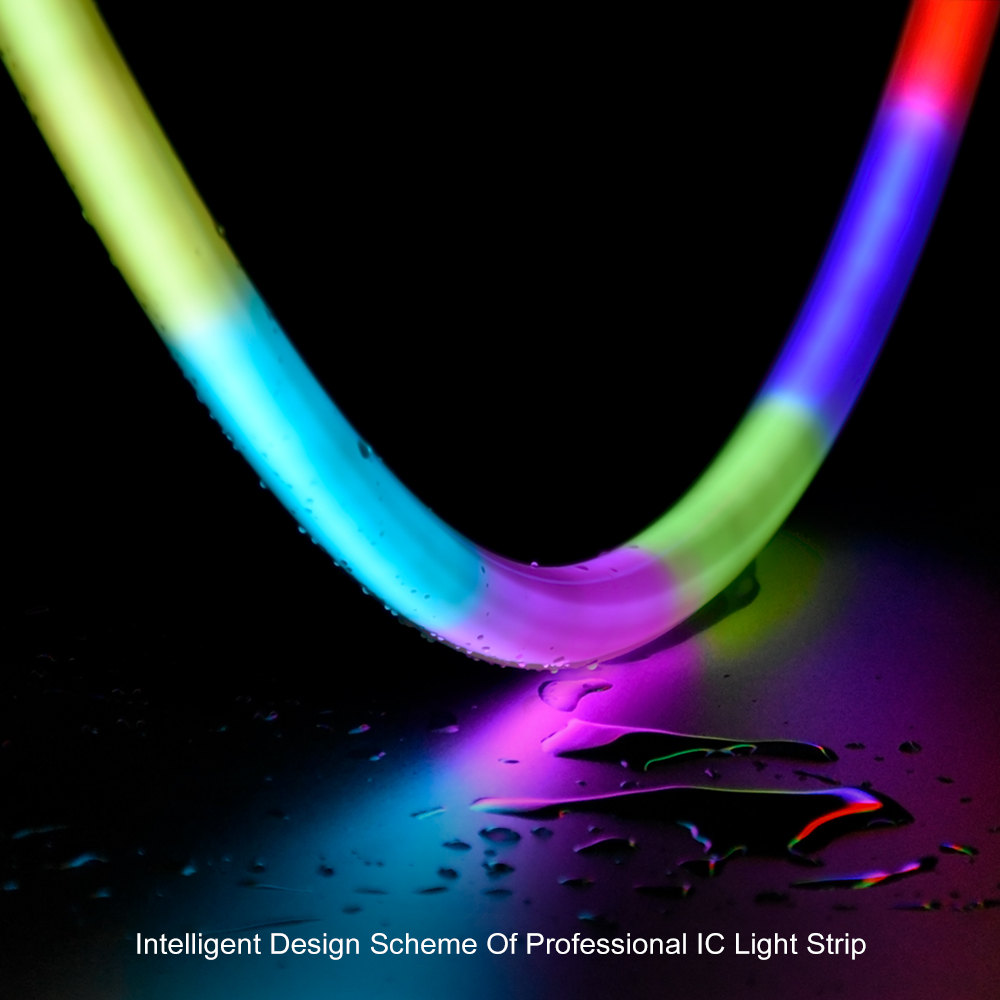
Discreet black silicone jacketed 360° pixel neon tube for stealth concert setups, nightclub trusses, and immersive art.
A comprehensive technical deep-dive into IC protocols, signal integrity, power distribution, and thermal management for wholesale buyers and system integrators.
Selecting the optimal control protocol is the foundation of any digital pixel installation. SPI (Serial Peripheral Interface) pixel tapes (such as UCS2904, SK6812, WS2814) utilize Data and Clock lines to push data downstream. While SPI is cost-effective and highly efficient for compact runs (under 10 meters per data output), it is vulnerable to electromagnetic interference (EMI) over extended wiring distances.
Conversely, DMX512 / RDM (RS-485 differential signaling) addressable strips (using chips like UCS512 or TM512AC) transmit balanced differential signals (+/−) capable of running up to 300 meters without signal degradation. For large-scale architectural facades, bridge illumination, and concert touring rigs, direct DMX512 pixel strips eliminate external SPI-to-DMX decoders, allowing direct routing from lighting consoles (GrandMA, Avolites) or ArtNet/sACN nodes.
One of the primary failure modes in addressable LED installations is uncompensated voltage drop, leading to color shift (e.g., RGB turning pink/red at strip ends) and IC rebooting. Operating voltage selection directly dictates total run length:
| IC Chip Type | Protocol Signal | Grayscale Depth | Refresh Rate | Break-Continuity | Primary Target Applications |
|---|---|---|---|---|---|
| UCS2904 | SPI (Single Data) | 8-Bit (256 Levels) | >800 Hz | No | Commercial Backlighting, Architectural RGBW Coves |
| UCS8904 | SPI (High-Speed) | 16-Bit (65,536 Levels) | >4,000 Hz | No | Broadcast Studios, TV Sets, Camera-Critical Stage Rigging |
| DMX512 (UCS512) | RS-485 Differential | 8-Bit / 16-Bit Configurable | >2,000 Hz | Yes (Parallel Signal) | Media Facades, Stadium Lighting, Long-Run Building Outlines |
| SK6812 / WS2812B | SPI (Single Data) | 8-Bit (256 Levels) | >1,200 Hz | No | Custom OEM Gadgets, Gaming Gear, Interior Accent Lighting |
| WS2814 (COB) | SPI (RGBW COB) | 8-Bit (256 Levels) | >2,000 Hz | No | Dotless Continuous Linear Lighting, Museum Wall Washing |
As smart lighting environments become more sophisticated, several key technological breakthroughs are redefining performance standards across the global market.
Traditional 8-bit digital LED strips provide 256 dimming steps per channel (R, G, B, W), resulting in noticeable stepping or flickering during low-brightness fades (0.1% to 5%). Next-generation ICs, such as the UCS8904 and UCS7604, deliver 16-bit dimming resolution (65,536 grayscale levels per channel). Combined with High-PWM frequencies (>4,000Hz), these strips achieve camera broadcast compliance (flicker-free performance under ultra-high-speed camera shutter speeds) for high-end virtual production studios and theatrical sets.
Historically, addressable LED strips suffered from visible diode hot-spots when mounted inside shallow aluminum channels. The shift toward Addressable COB (Chip-on-Board) technology (e.g., WS2814 RGBW COB) packages hundreds of micro-chips under a continuous silicone phosphor matrix (up to 560 chips/meter). This produces a smooth, dot-free line of light with integrated pixel addressability, drastically reducing diffuser depth requirements.
In high-stakes installations (e.g., commercial skyscraper facades or permanent entertainment venues), a single dead pixel IC in a series SPI tape can disrupt downstream data, turning the remainder of the strip dark. Technological evolution has driven mass adoption of dual-data signal ICs (WS2813, CS8812) and parallel DMX512 wiring. If a single pixel suffers physical damage or thermal failure, the backup data channel bypasses the damaged IC, keeping the rest of the installation fully operational.
Older PVC-based waterproof sleeves yellowed, cracked under UV exposure, and trapped moisture through condensation. Modern OEM manufacturing utilizes integrated gas-phase silicone extrusion co-curing. Silicone neon tubes (such as the D22 360-degree round and 06*12mm slim side-view series) feature salt-spray resistance, UV-600hr anti-yellowing compliance, and extreme thermal resilience (-40°C to +80°C), making them ideal for harsh outdoor marine environment installation.
Insights for international lighting brand managers, wholesalers, and project buyers navigating supply chain shifts, regulatory changes, and custom specifications.
B2B buyers are moving away from proprietary closed-loop controllers toward open-protocol architecture. Procuring DMX512/RDM addressable strips allows engineers to use standard handheld RDM address writers (like the MR-WT35) to dynamically assign DMX start addresses on site, drastically reducing pre-sorting overhead and field installation hours.
Historically, addressable RGB/RGBW strips sacrificed efficiency due to constant-current IC parasitic power draw. Future procurement frameworks require high-efficiency pixel architectures (>100 lm/W for RGBW) utilizing optimized copper PCBs (3oz/4oz double-sided rolled copper) to minimize heat dissipation and lower overall operating costs for large-scale installations.
Customs authorities in Europe, North America, and Australia are tightening compliance checks for digital lighting equipment. Sourcing managers must prioritize manufacturers providing verified SGS Onsite Inspection Reports, UL2108 / UL8750 certification listings, CE-EMC/LVD documentation, and full RoHS / REACH material safety compliance to prevent port holds and project penalties.
Headquartered in Shiyan, Shenzhen—the core hub of global LED innovation—we operate a specialized production facility dedicated exclusively to high-reliability addressable pixel lighting.
Our manufacturing operations are verified onsite by SGS Group. Located on the 4th Floor, Building B, No. 44 Kengwei Avenue, Shangwu Community, Shiyan Street, Shenzhen, our facility operates strictly under ISO9001 quality management guidelines. We provide international buyers with full transparency into production workflows, trade history, and factory audits.
We don't just supply standard off-the-shelf reels; we provide bespoke engineering solutions designed around your project requirements:
Every meter of pixel strip leaves our facility only after passing our stringent 12-step manufacturing and QC protocol:
While both ICs drive 4-channel RGBW pixels via SPI protocols, the primary difference lies in grayscale depth and dimming smoothness. The UCS2904 operates on an 8-bit architecture (256 brightness steps per channel), making it an economical choice for general commercial backlighting, landscape accent lighting, and decorative installations. The UCS8904 is a true 16-bit IC (65,536 dimming levels per channel) running at ultra-high PWM refresh rates. This eliminates low-end dimming stepping and camera flicker, making the UCS8904 mandatory for broadcast television studios, stage lighting, and high-end architectural fixtures.
Specify DMX512 (e.g., UCS512 / TM512AC chips) when working on large-scale building exteriors, media facades, or installations where control data must travel long distances across electromagnetic noise environments. DMX512 uses RS-485 differential signaling, supporting cable runs up to 300 meters between nodes. Additionally, DMX addressable strips connect directly to professional DMX lighting consoles and allow field address setting using an RDM writer. SPI strips are ideal for compact, high-density installations, interior displays, and budget-conscious projects controlled via ArtNet-to-SPI controllers.
Shenzhen Fuvin Led Technology Co., Ltd. offers comprehensive private-label OEM/ODM services. We can customize the PCB trace layout, copper thickness (2oz, 3oz, 4oz), PCB substrate color, LED density per meter (e.g., 30, 60, 96, 120, 240 LEDs/m), custom color temperatures (1800K to 6500K CCT + RGBW), silicone jacket profiles, custom cable lengths, pre-soldered waterproof connectors, and branded reel packaging with your company logos and barcode labels.
Power calculation requires factoring in max operational wattage + 20% to 25% safety overhead. For instance, a 24V RGBW strip drawing 19.2W/meter running a total of 10 meters consumes 192W max. Applying a 20% safety margin yields a minimum 240W DC power supply rating. For 5V strips, inject power every 2.5–3m; for 12V strips, inject power every 5m; for 24V strips, power injection is typically required every 10m to prevent color shift from voltage drop.
Our manufacturing facility is audited and verified onsite by SGS Group. Products are manufactured to meet global compliance criteria: CE-EMC and CE-LVD certificates, Declarations of Conformity (DoC), full RoHS compliance, and selected addressable LED strip models carry official UL / cUL listings for the North American market. Certificate copies and test reports are provided upon request during project quoting.
Standard sample orders and stock evaluation reels are available with low MOQs (from 10 meters). Custom OEM production runs (custom PCB layouts, unique silicone neon extrusions, or custom wire harnesses) typically start at an MOQ of 100 to 500 meters depending on specification complexity. Standard manufacturing lead time is 7 to 12 working days post-deposit and artwork approval.
Ready to elevate your architectural or entertainment lighting project? Connect directly with our pixel engineering team in Shenzhen for technical drawings, customized quotation matrices, and fast-track evaluation samples.
 Shenzhen, Guangdong, China