Verified wholesale LED solutions engineered for stage rental, architectural facades, hospitality ambiance, and high-density commercial displays.

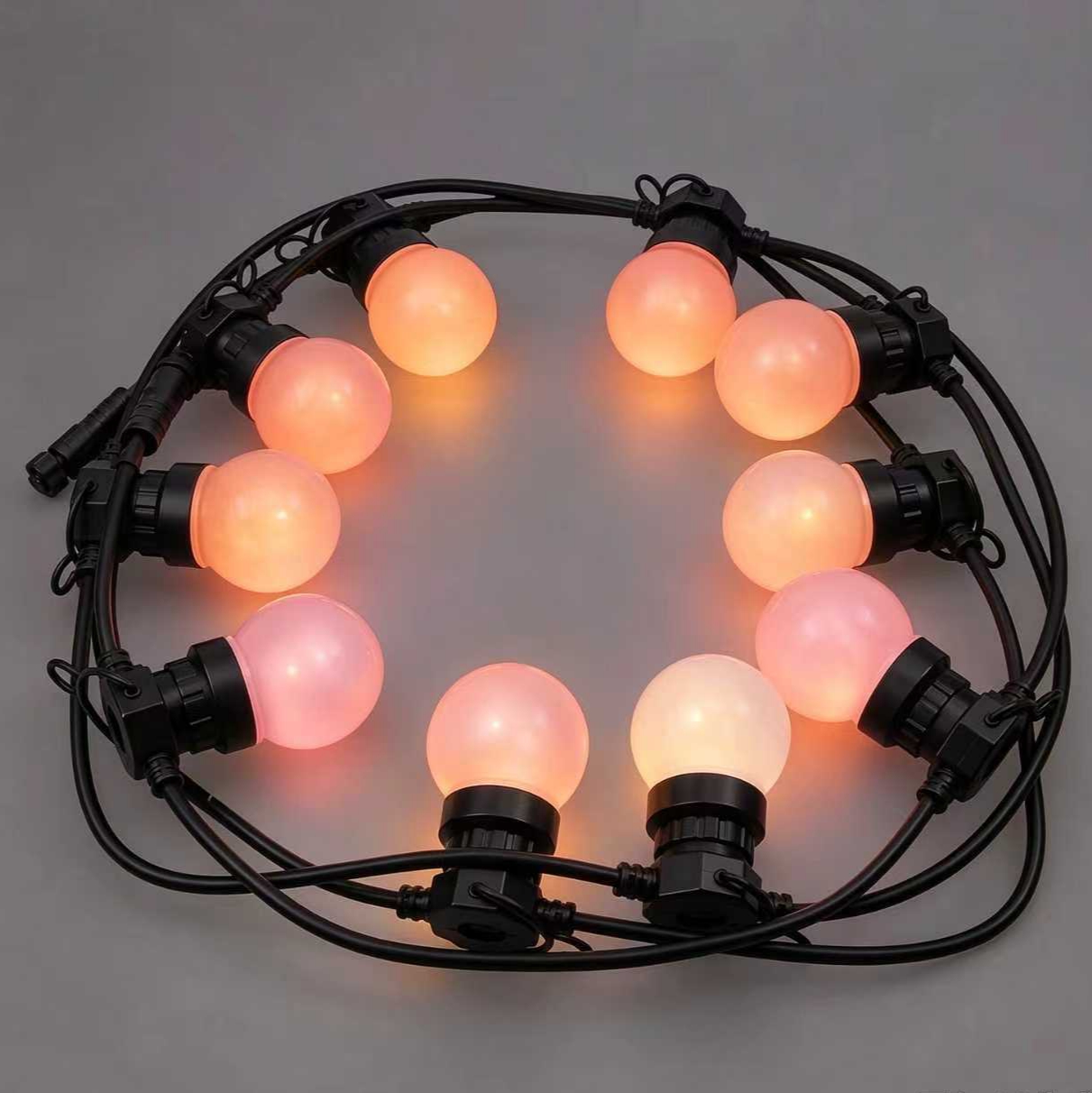
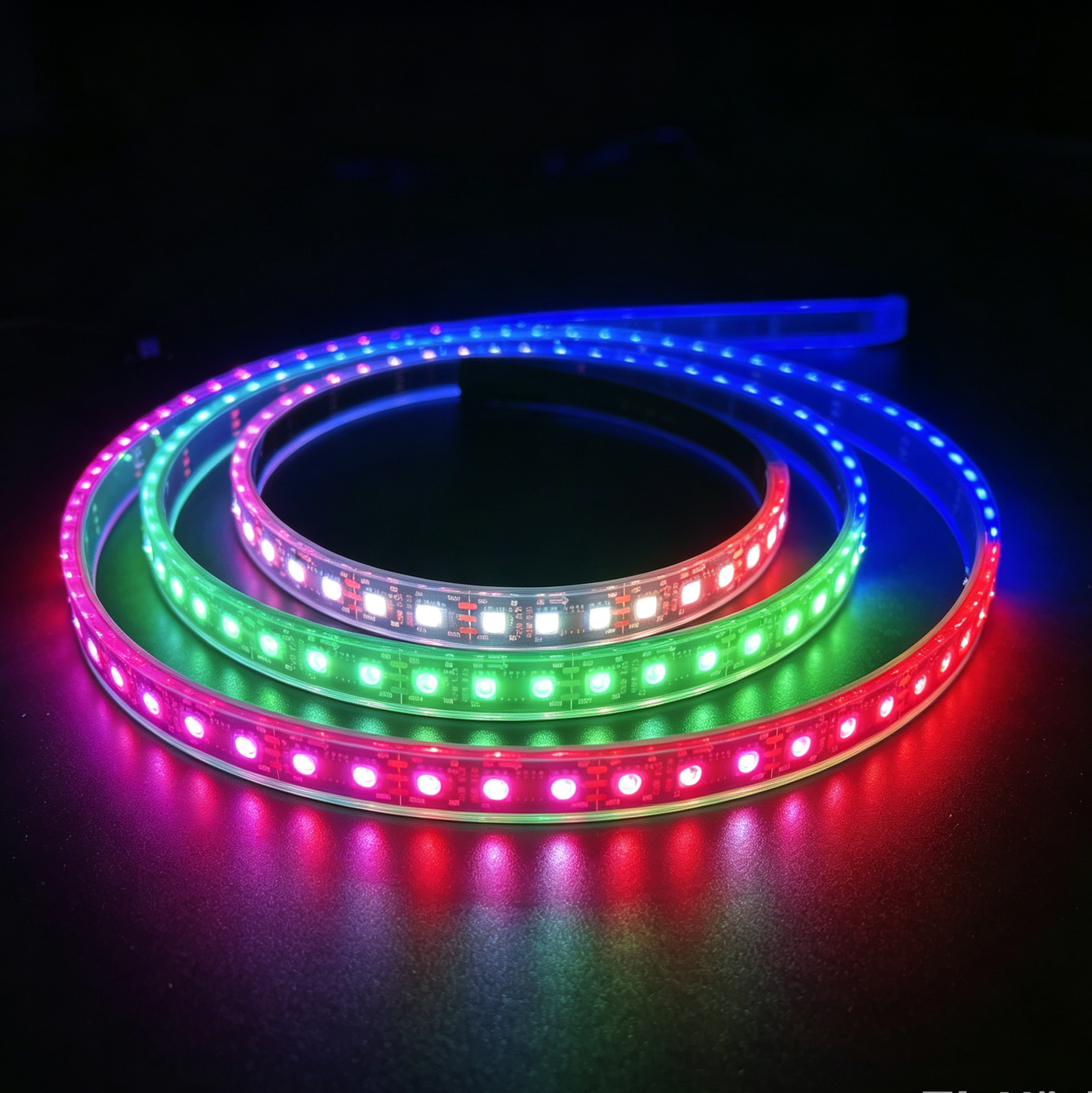
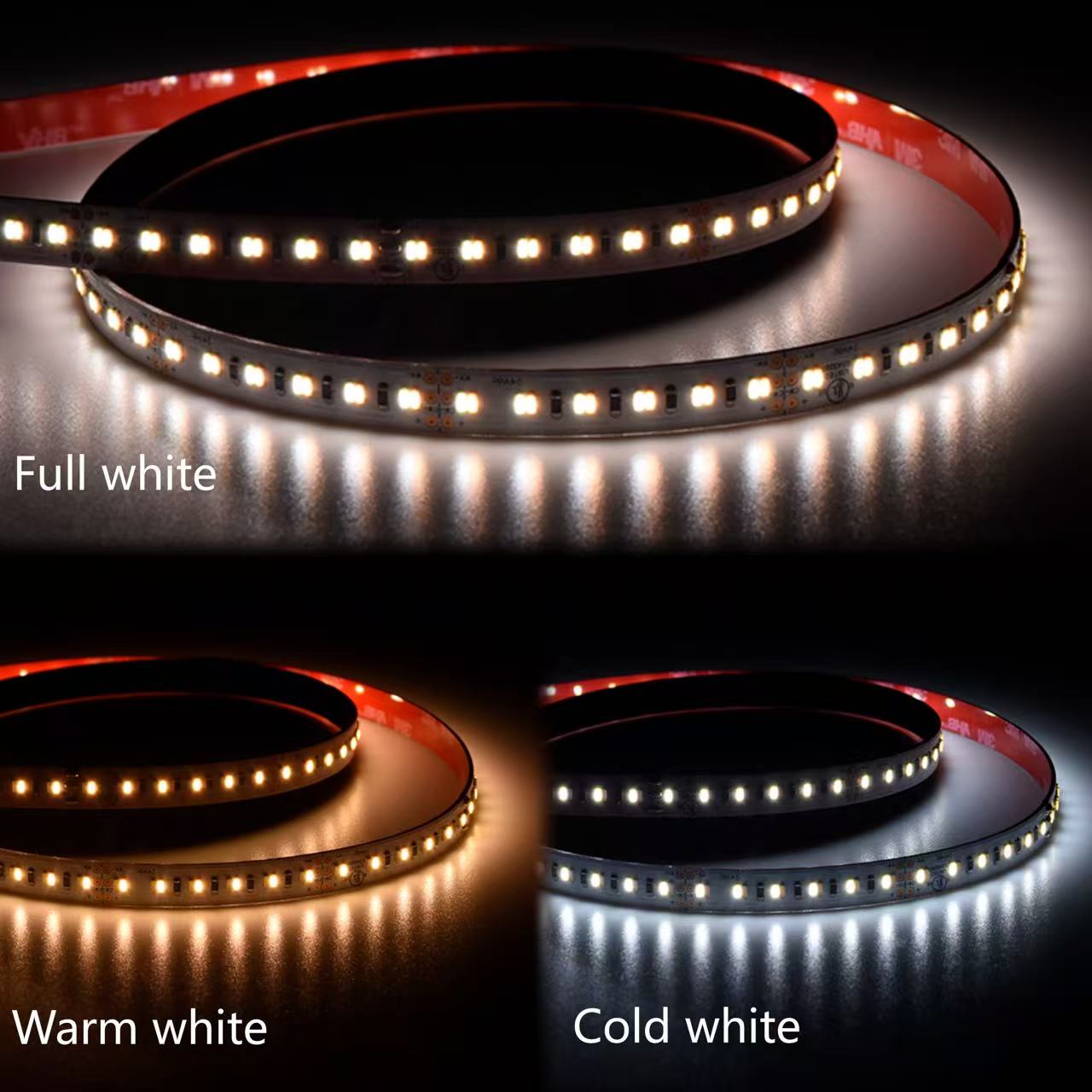
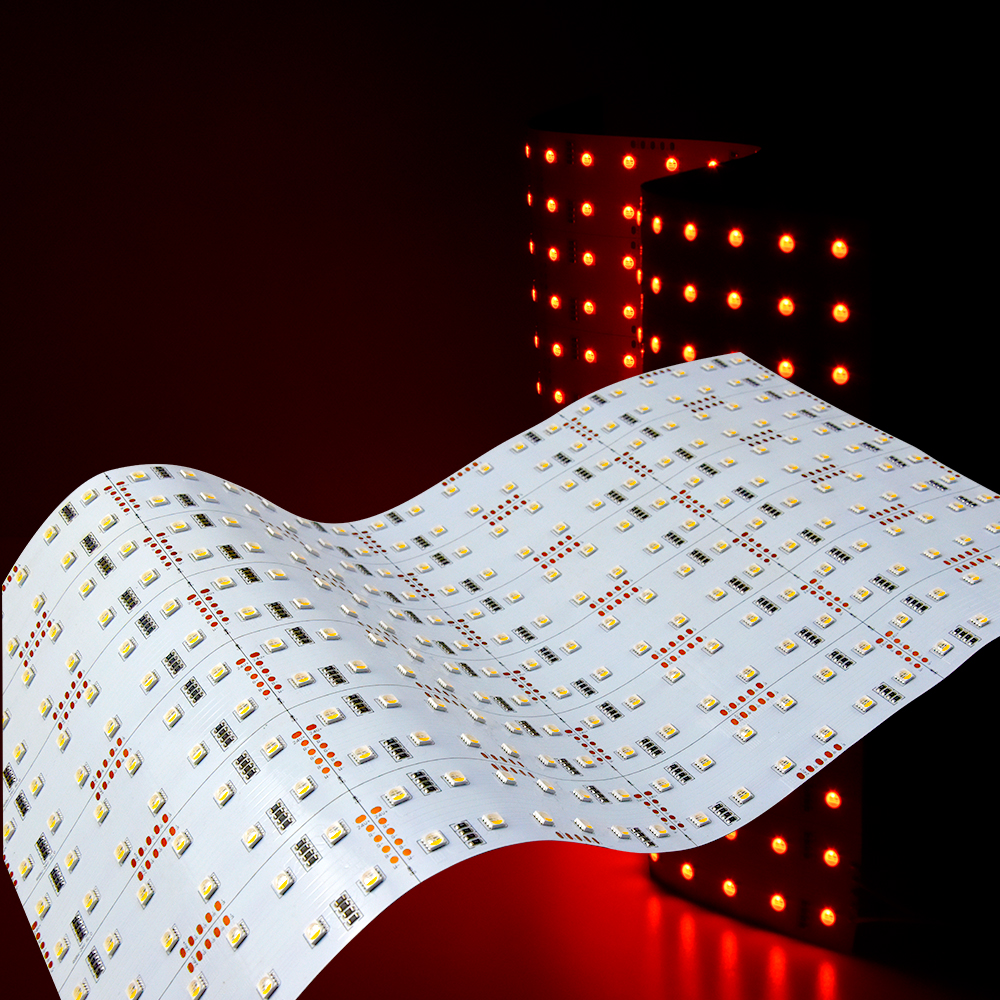
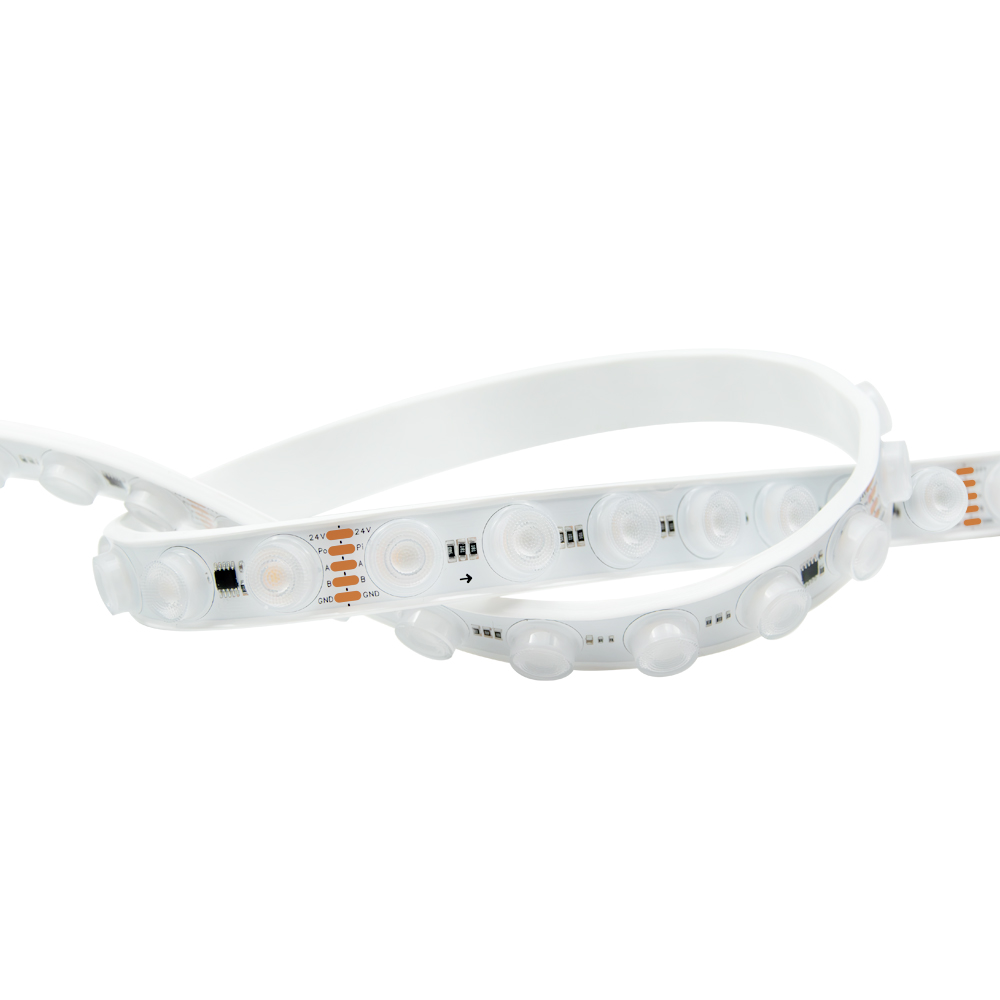
In modern architectural lighting, entertainment production, and facade engineering, selecting the correct digital addressable LED tape involves far more than simply comparing LED counts per meter. As an experienced OEM/ODM DMX RGB LED Strip Exporter & Wholesaler based in Shenzhen, China, Shenzhen Fuvin Led Technology Co., Ltd. provides complete technical clarity for project engineers, procurement managers, and system integrators worldwide.
Dynamic pixel lighting systems rely on two distinct control philosophies, each engineered for specific structural demands:
UCS8904 & UCS7604 offer 65,536 grayscale levels per channel, eliminating low-end step artifacts in HD camera broadcasts and high-end theater stages.
Seamlessly integrate physical DMX512 and SPI strips into Ethernet-based lighting networks for complex media mapping and 3D volumetric effects.
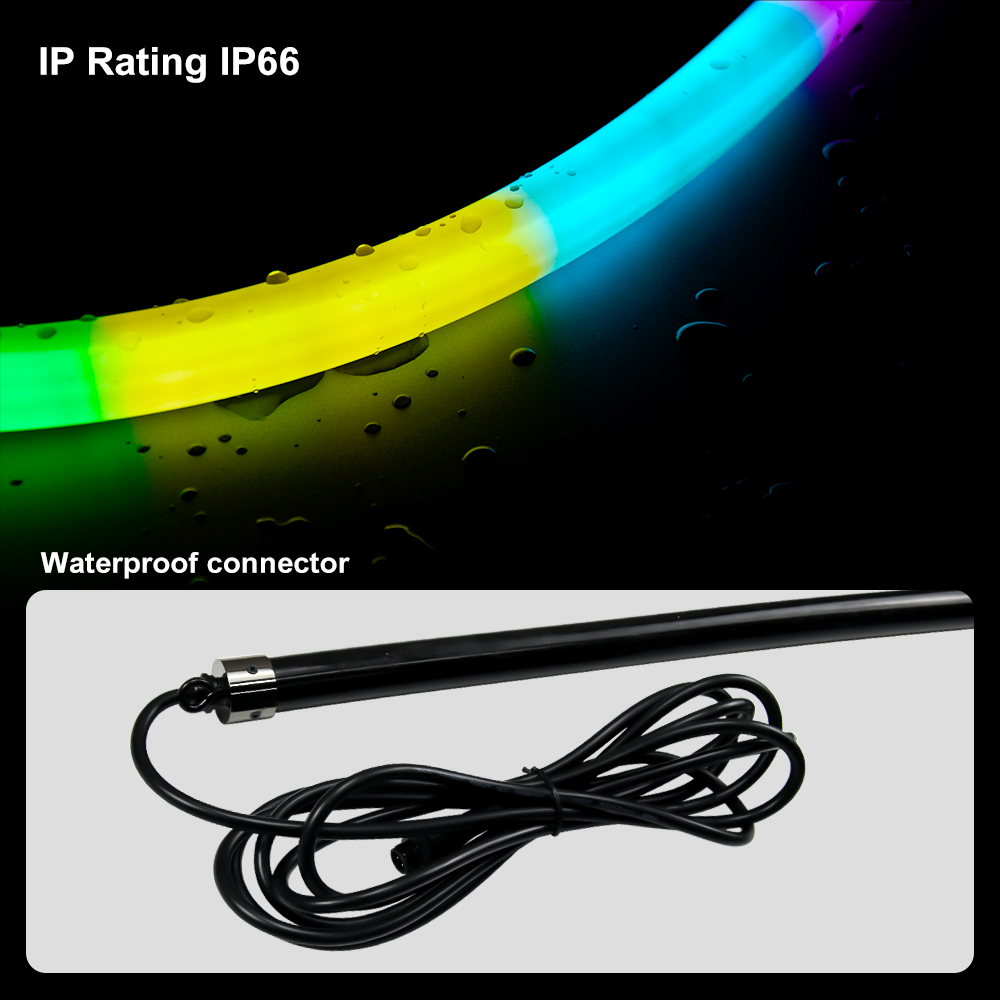
Integrated solid silicone extrusion guarantees UV resistance, salt-spray durability, and zero yellowing in extreme outdoor ambient temperatures (-40°C to +60°C).
The following engineering comparison highlights key parameters across our primary wholesale pixel tape series:
| IC Protocol | Color Channels | Grayscale Depth | Data Rate / Refresh | Operating Voltage | Signal Topology | Primary B2B Application |
|---|---|---|---|---|---|---|
| UCS2904 | RGBW (4 Ch) | 8-Bit (256) | 800 KHz / 3840Hz | DC12V / DC24V | Single Data (SPI) | Commercial coves, retail displays, ambient lighting |
| UCS8904 | RGBW (4 Ch) | 16-Bit (65,536) | 800 KHz / 4000Hz+ | DC5V / 12V / 24V | Single Data (SPI) | TV studios, virtual production, luxury architecture |
| UCS512 / TM512AC | RGB / RGBW | 8-Bit / 16-Bit | 250 Kbps (DMX512) | DC12V / DC24V | RS-485 Differential | Building facades, bridges, exterior landmark outlines |
| WS2814 | RGBW COB | 8-Bit (256) | 800 KHz / 2000Hz | DC12V / DC24V | Single Data (SPI) | Dot-free linear coves, architectural soffits |
| SK6812 | RGBW (4 Ch) | 8-Bit (256) | 800 KHz / 1200Hz | DC5V / DC12V | Single Data (SPI) | Signage, custom OEM devices, gaming hardware |
As global demand shifts from static illumination to immersive visual storytelling, wholesale buyers and OEMs must adapt to key technology evolutions driving the professional lighting market:
Standard 8-bit driver ICs provide 256 brightness steps per color channel. At low dimming levels (0.1% to 5%), 8-bit ICs produce visible "stepping" or jumping artifacts. In broadcast television studios, film sets, and virtual production volume stages (LED walls), cameras operating at high shutter speeds capture this step flicker. The industry standard is rapidly moving to 16-bit ICs like UCS8904 and UCS7604, which deliver 65,536 brightness increments per channel, guaranteeing silky-smooth ultra-low fades and flicker-free camera performance up to 4000Hz PWM.
Traditional SMD pixel strips rely on discrete surface-mount chips (SMD5050 or SMD3538) spaced at specific intervals. Even with frosted diffusers, pixel dots remain visible unless deep mounting profiles are used. The integration of WS2814 and SK6812 into COB flex tape places 480 to 728 micro-chips directly under a continuous phosphor silicone strip. This creates a completely seamless, dot-free line of addressable color, allowing ultra-slim architectural recessing with zero hot-spots.
Voltage drop is a major installation friction point for DC5V and DC12V addressable strips, requiring power injection every 5 meters to avoid color shift (browning/reddening at strip ends). Future-proof sourcing emphasizes DC24V and emerging DC48V step-down IC designs. By operating at higher voltages, electrical current (Amperage) is cut by half or more, enabling continuous 10m to 15m single-ended power runs without visible light degradation, substantially reducing field wiring and power supply costs.
Environmental durability requirements have rendered older PVC hollow-tube and epoxy-glue (IP65) methods obsolete. Modern outdoor procurement demands solid silicone co-extrusion (IP67/IP68). Silicone remains flexible in arctic cold (-40°C), resists UV degradation and salt corrosion, and does not crack or turn yellow over time. Furthermore, engineering-grade strips feature 3oz or 4oz heavy rolled copper PCBs to optimize heat dissipation, extending LED lifespan beyond 50,000 operational hours.
How OEM/ODM buyers ensure binning consistency, certified compliance, and zero field failures.
Importing custom LED products involves critical quality checkpoints. Importers and distributors must demand rigorous verification at every stage of manufacture:
Prevent color mismatch across batch re-orders. We enforce strict single-binning protocols for CCT and RGB wavelength, ensuring color uniformity across multi-year phase deliveries.
Our export items are accompanied by official CE, RoHS, Declaration of Conformity (DoC), and selected UL/cUL listed documentation for seamless European and North American customs clearance.
Every meter of flex tape undergoes 100% automated high-speed SMT assembly, followed by a mandatory 8-hour powered continuous aging test prior to moisture-proof vacuum packing.
From customized PCB layout, custom IC integration, and specific wire gauge connectors to private label reel branding and drop-ship packaging.
Shenzhen Fuvin Led Technology Co., Ltd. is an SGS-verified custom manufacturer of 8-bit and 16-bit pixel LED strips, DMX512 lighting systems, 360° pixel neon tubes, and ArtNet linear pixel bars. Established in 2016 in Shiyan, Shenzhen, our enterprise combines dedicated R&D, advanced surface-mount assembly (SMT), and comprehensive photometric testing under one roof.
We specialize in supporting international B2B clients — including stage equipment rental houses, facade integrators, lighting designers, and regional wholesalers across Western Europe, North America, Oceania, and the Middle East.
Strict incoming IQC for chips and copper PCBs, automatic high-speed SMT placement, and precision reflow soldering.
100% powered 8-hour thermal aging test, full RGBW function testing, and automatic precision cutting to customer length.
Ultrasonic end-cap welding, IP68 silicone co-extrusion, multimeter QC verification, and anti-static vacuum sealing.
Clear technical and commercial answers to streamline your procurement decisions.
Need custom PCB engineering, tailored driver IC integration, or bulk wholesale pricing for your upcoming architectural or entertainment project? Send us your drawing, project bill of quantities (BOQ), or target specifications today.
Contact Us Shenzhen, Guangdong, China