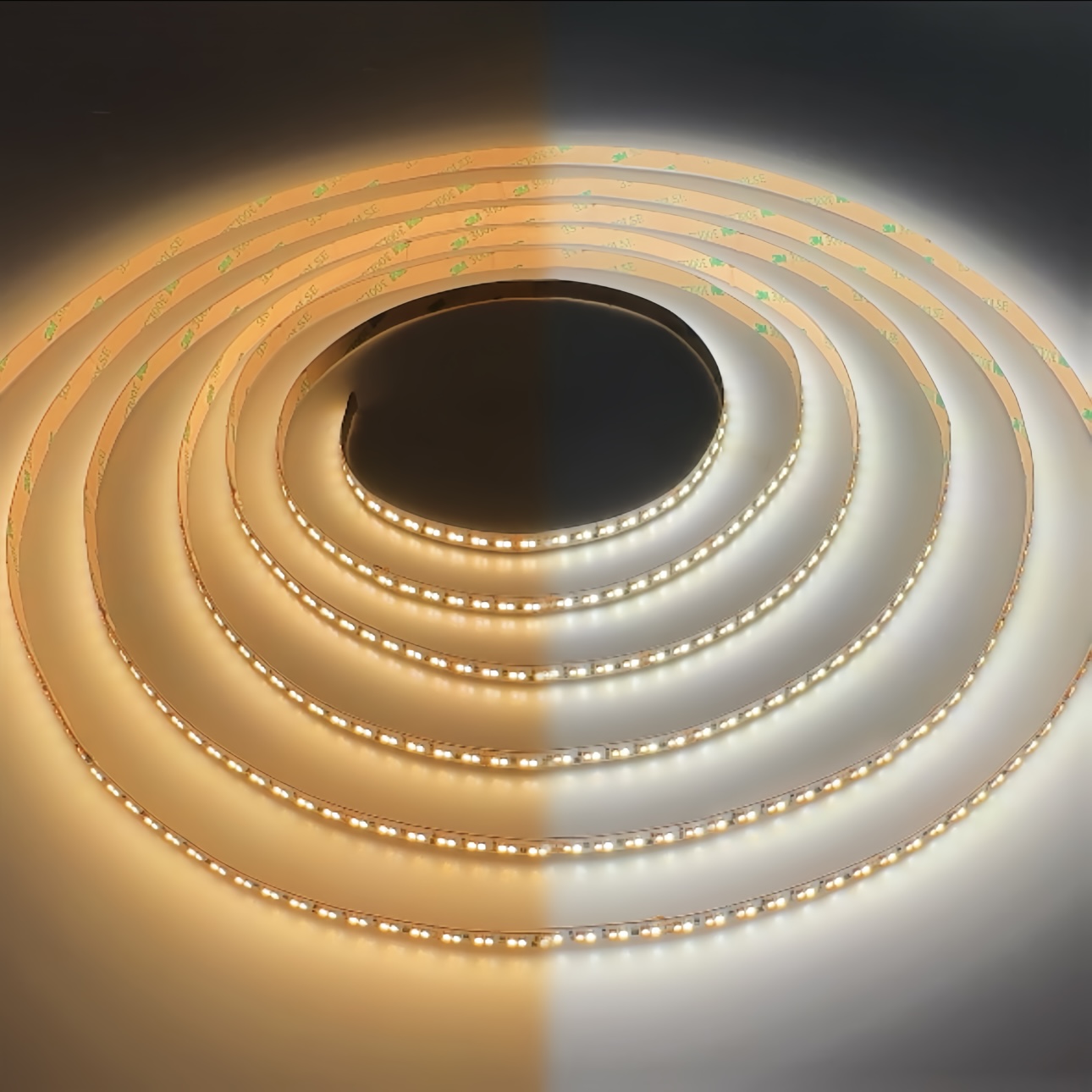
Precision-engineered linear LED engines manufactured under strict ISO9001 and SGS-verified QA/QC protocols for international B2B buyers.
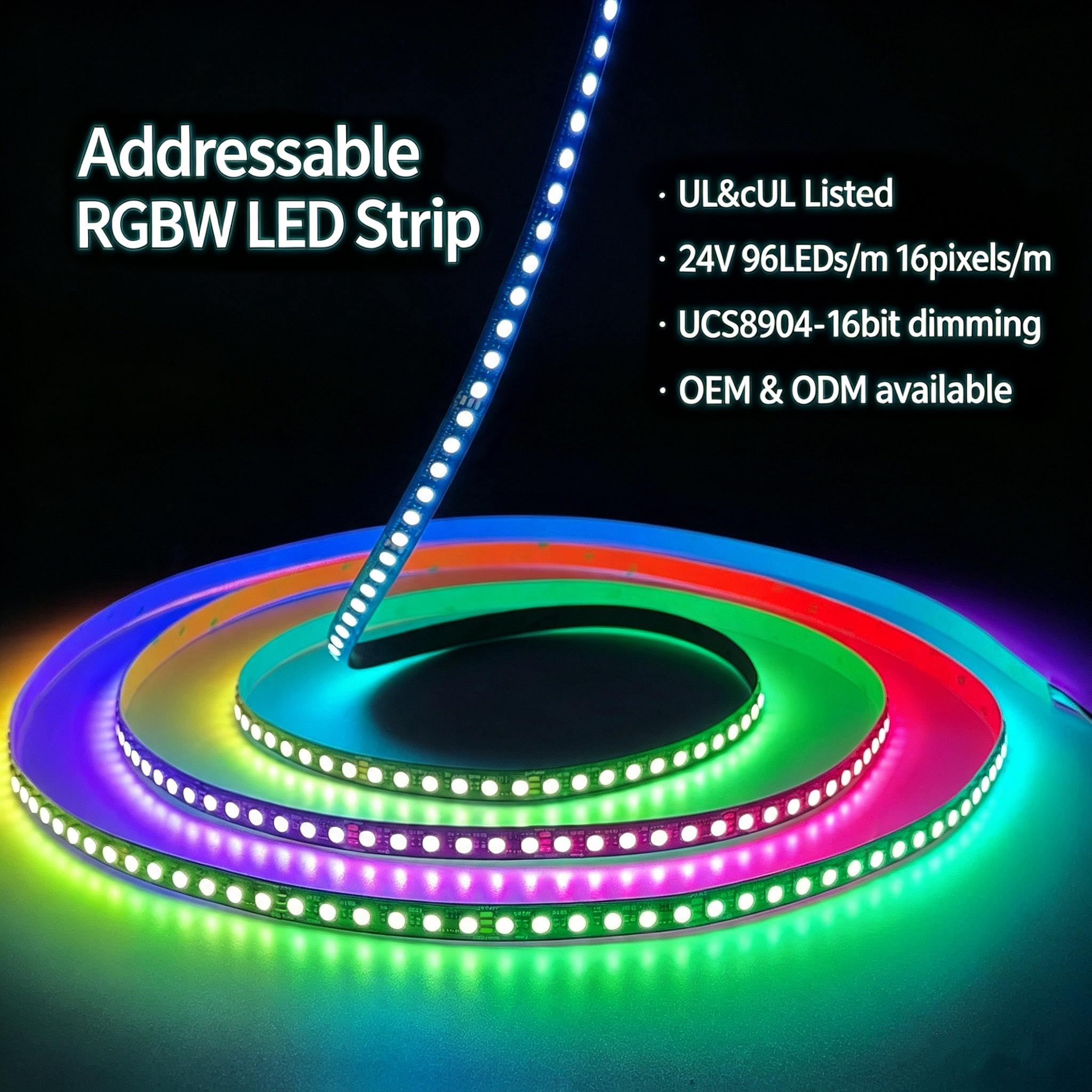

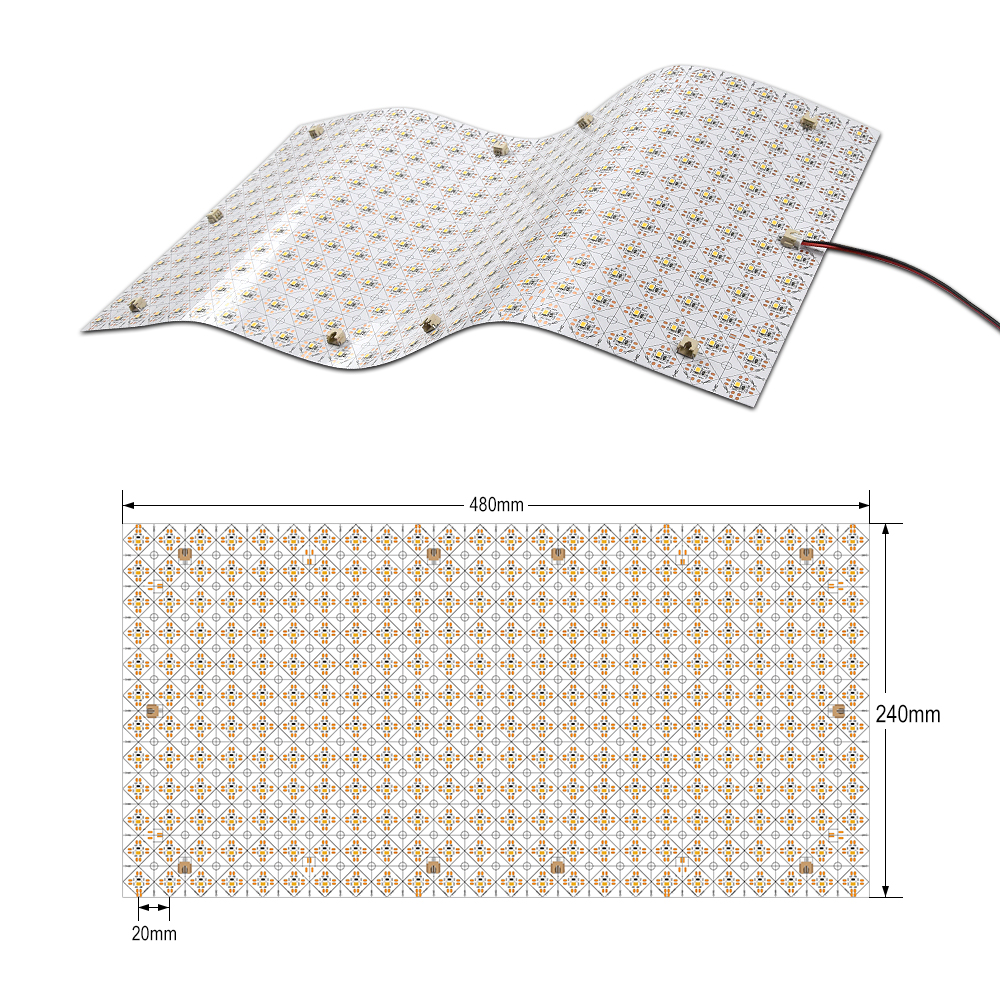
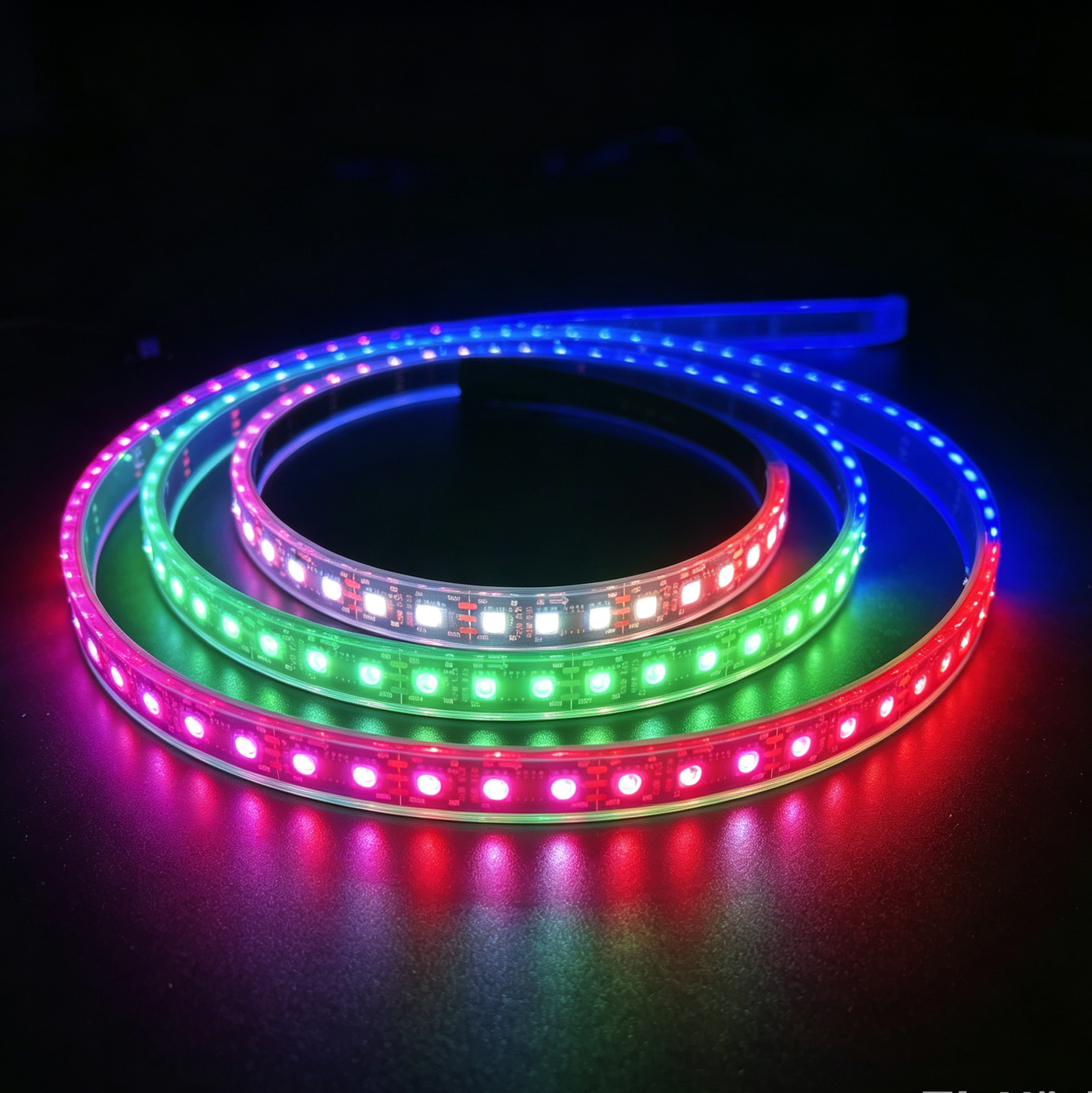
SGS-verified onsite manufacturing facility engineered specifically for OEM brand customization, strict MacAdam binning, and high-volume linear output.
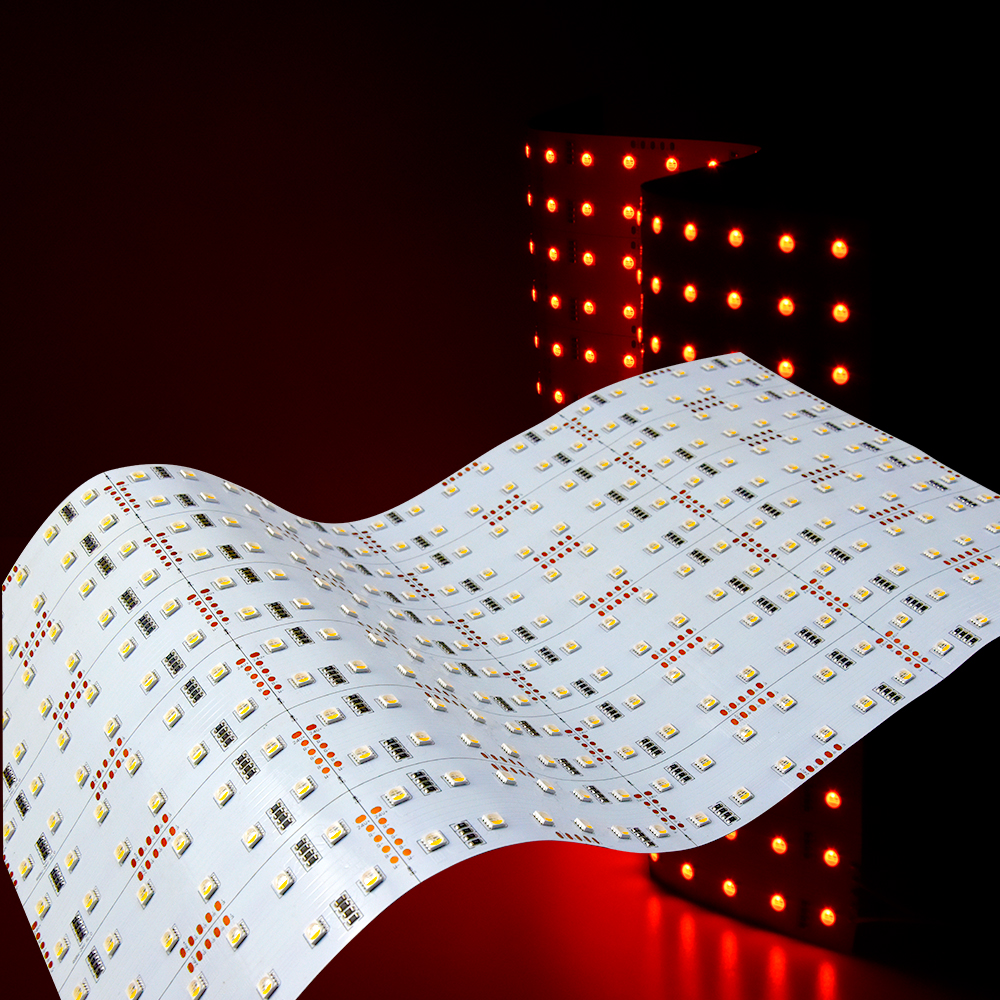
Full design-based customization including custom copper weight (2oz/3oz/4oz RA rolled copper), rigid-flexible substrates, customized cut lengths, white/black/custom solder masks, and bespoke PCB widths (from 3mm ultra-slim to 50mm wide backlight panels).
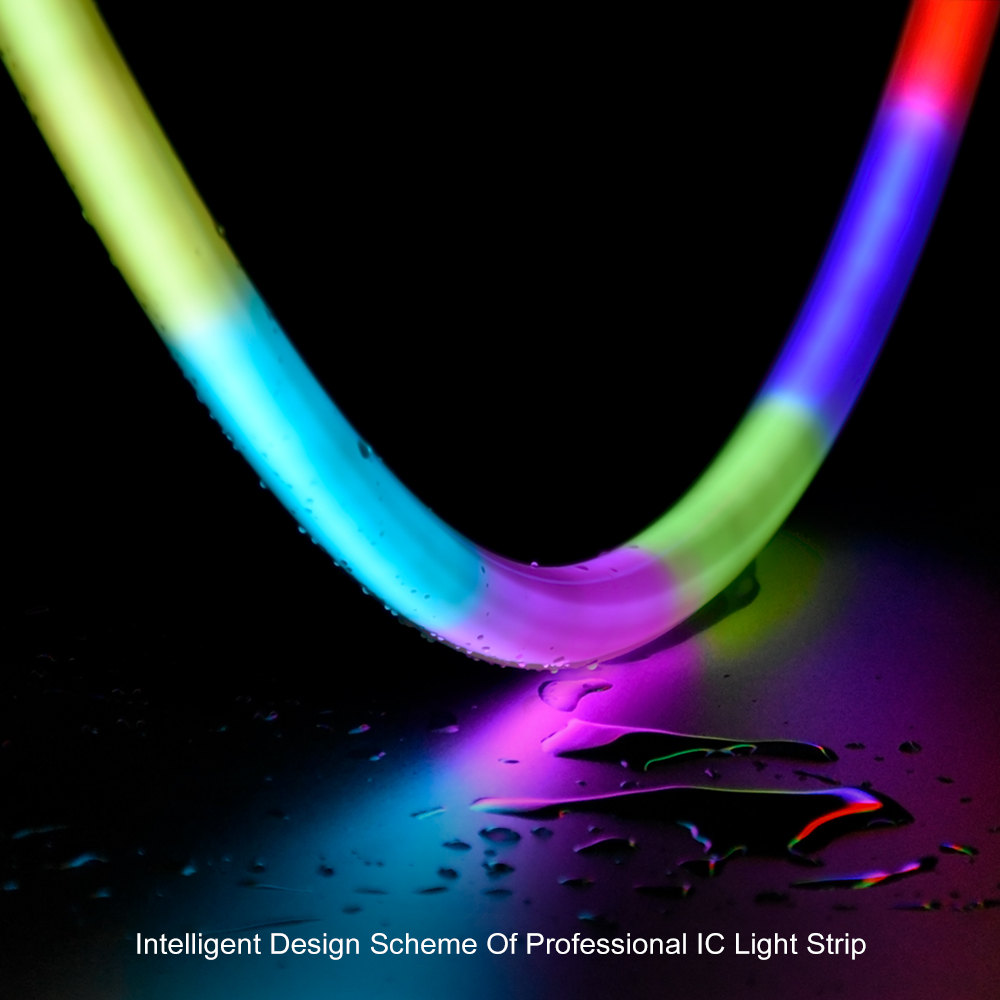
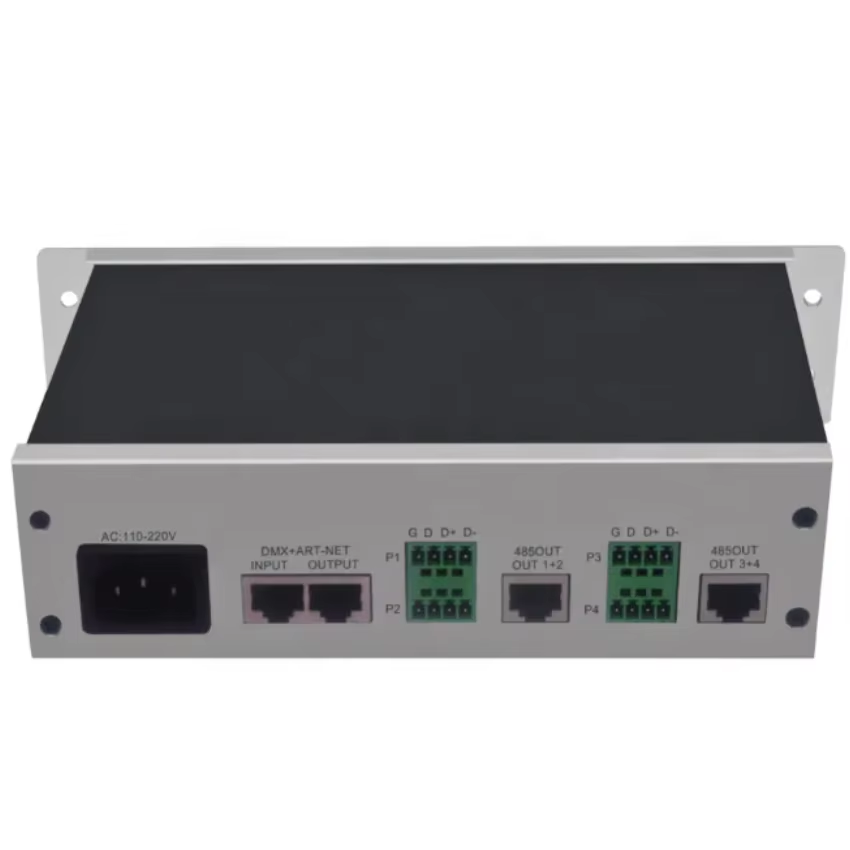
Pioneering integration of advanced driving ICs such as UCS8904, UCS7604, and DMX512 protocols yielding 65,536 levels of true 16-bit dimming for zero-flicker broadcast studio, architectural stage, and ambient theatrical applications.
SGS verified production line audited to European and North American market standards. Certified compliance across CE, RoHS, Declaration of Conformity (DoC), and selected UL/cUL Listed models (UL2108 / UL8750 standard verification).
A Comprehensive Analysis of Thermal Management, Binning Tolerances, Voltage Drop Mitigation, and Digital Protocol Architecture for Architectural Integrators.
In modern commercial, residential, and hospitality lighting architectural design, indoor LED strips have evolved from auxiliary accent elements into primary functional light engines. However, for B2B procurement managers, electrical engineers, and lighting brand owners, sourcing from China's extensive manufacturing landscape requires an understanding that goes far beyond nominal power ratings and surface-level price comparisons. Selecting an enterprise-grade OEM/ODM indoor LED strip manufacturer requires rigorous evaluation of LED chip binning, copper trace substrate thickness, thermal dissipation efficiency, driver IC protocols, and long-term lumen maintenance (L70/B10 metrics).
Information Gain Key Takeaway: Low-cost LED tapes frequently compromise on PCB copper weight (using 1oz or electro-deposited copper instead of 3oz Rolled-Annealed copper) and utilize broad MacAdam 5-Step binning. This results in severe voltage drop over 5 meters, visible color shift (ΔE > 3.0), and premature thermal degradation within 12 to 18 months of continuous commercial operation.
The longevity and photometric consistency of linear indoor LED systems depend directly on three foundational component choices made during the OEM ODM engineering phase:
Indoor LED strips operated continuously in coves, linear extrusions, or under-cabinet millwork generate concentrated thermal energy along the flexible printed circuit board (FPCB). Standard commercial-grade strips utilize 1oz Electro-Deposited (ED) copper, which is brittle and exhibits high electrical resistance. In contrast, enterprise OEM/ODM manufacturing standards specify 2oz, 3oz, or even 4oz Rolled-Annealed (RA) double-sided pure copper. RA copper provides superior mechanical flexibility during installation and acts as an integrated thermal spreader, reducing junction temperatures by up to 15°C and maintaining uniform current distribution across extended linear runs.
Color variation along a continuous architectural wall washer or cove light degrades architectural integrity. Qualified OEM/ODM factories utilize automated SMT lines equipped with single-bin LED sorting. Guaranteeing a 3-Step MacAdam Ellipse (SDCM < 3) ensures that human eyes cannot perceive chromaticity variations between adjacent reels or across separate project shipments delivered months apart.
When engineering customized LED strips for commercial projects, choosing the correct dynamic control protocol determines system scaling, refresh rate compatibility, and controller integration costs.
| Protocol Type | Signal Architecture | Grayscale Depth | Max Signal Distance | Ideal Application Scenarios |
|---|---|---|---|---|
| Analog PWM | 2-Wire to 6-Wire Common Anode | 8-Bit (256 levels via Dimmer) | < 10 Meters (Voltage Drop Limited) | Static CCT, Dim-to-Warm, Basic RGB Accent Lighting |
| SPI Pixel (e.g., UCS2904, WS2814) | Single Data / Data + Clock TTL | 8-Bit to 16-Bit (256 - 65,536 levels) | < 15 Meters Controller-to-First-Pixel | Custom Hospitality Ceilings, Media Walls, Dynamic FX |
| DMX512 (e.g., UCS512, TM512AC) | RS-485 Differential Balanced Line | 8-Bit / 16-Bit Native DMX | Up to 300 Meters (Without Repeater) | Building Facades, Concert Stages, Large-Scale Venues |
| 16-Bit High Grayscale (UCS8904) | High-Speed SPI / Extended TTL | 16-Bit (65,536 Precise Step Levels) | < 15 Meters (Requires Shielded Cable) | Broadcasting TV Studios, Film Sets, Ultra-Smooth Fades |
As global building codes enforce stricter energy efficiency targets and human-centric lighting (HCL) gains widespread adoption, OEM/ODM buyers must align their product development roadmaps with key emerging trends:
Standard CRI 80 lighting is rapidly being phased out in high-end indoor procurement. Global buyers are demanding full-spectrum spectral power distribution (SPD) that mimics natural sunlight. High-fidelity spectrums with R9 (red rendering) values exceeding 95 are mandatory for high-end retail, art galleries, luxury residential spaces, and medical facilities where accurate color perception is non-negotiable.
Traditional 12V strip light designs suffer from substantial voltage drop, requiring frequent power injection points every 5 meters. Modern OEM/ODM engineering favors 24V DC and 48V DC constant-current (CC) linear circuit designs. Integrated CC micro-ICs maintain uniform current to every LED die, enabling continuous single-end power feed lengths up to 20 meters without visible dimming or thermal imbalance at the far end.
Driven by the integration of Smart Building systems (DALI-2 DT8, Matter, and Zigbee 3.0), dual-channel CCT adjustable LED strips and single-channel Dim-to-Warm (DTW) strips—which automatically drop color temperature from 3000K down to a warm 1800K candle-light glow during dimming—are experiencing exponential annual growth in B2B hospitality procurement.
Innovation in indoor LED manufacturing is accelerating through advanced material science and automated manufacturing techniques:
Eliminate supply chain friction, ensure rigorous quality compliance, and accelerate your custom product development timeline.
We support emerging brands and custom architectural projects with flexible initial order volumes for bespoke prototypes, scaling rapidly into automated multi-line mass production.
Customized reel printing, branded ESD anti-static moisture-proof packaging, custom outer carton master labeling, laser-etched PCB logos, and tailored installation guides.
In-house CAD electrical engineers and automated SMT sampling lines enable customized PCB circuit design, Gerber file validation, and physical sample delivery within 5 to 7 business days.
Clear technical and commercial answers tailored for importers, lighting designers, and original equipment manufacturers.
Partner directly with a verified manufacturer. Contact our engineering sales team for custom sample development, OEM price sheets, or technical project consultations.
Get a Quote Shenzhen, Guangdong, China