Architectural Whitepaper & Industrial Engineering Manual for Custom Pixel, Digital, and High-CRI Linear LED Systems
10+ Yrs
SGS-Verified Manufacturing
16-Bit
Ultra-Smooth Dimming Grayscale
100%
Full-Load Powered Aging QC
UL / CE
Global Trade Compliance
Engineering Product Matrix: Flagship Linear Solutions
High-reliability addressable pixel tapes, signal amplifiers, DMX512 controllers, and silicone neon flex engineered for commercial, stage, and facade lighting projects.
Engineering Overview: B2B Procurement Standards for OEM/ODM Flexible LED Tapes
As digital architecture, broadcast studios, and commercial real estate demand increasingly complex linear illumination, selecting an experienced OEM/ODM LED Tape Light Manufacturer becomes a core technical decision. Shenzhen Fuvin Led Technology Co., Ltd. serves international engineering clients, system integrators, and OEM distributors by maintaining rigorous SMT production standards, precise binning management, and customized driver IC integration.
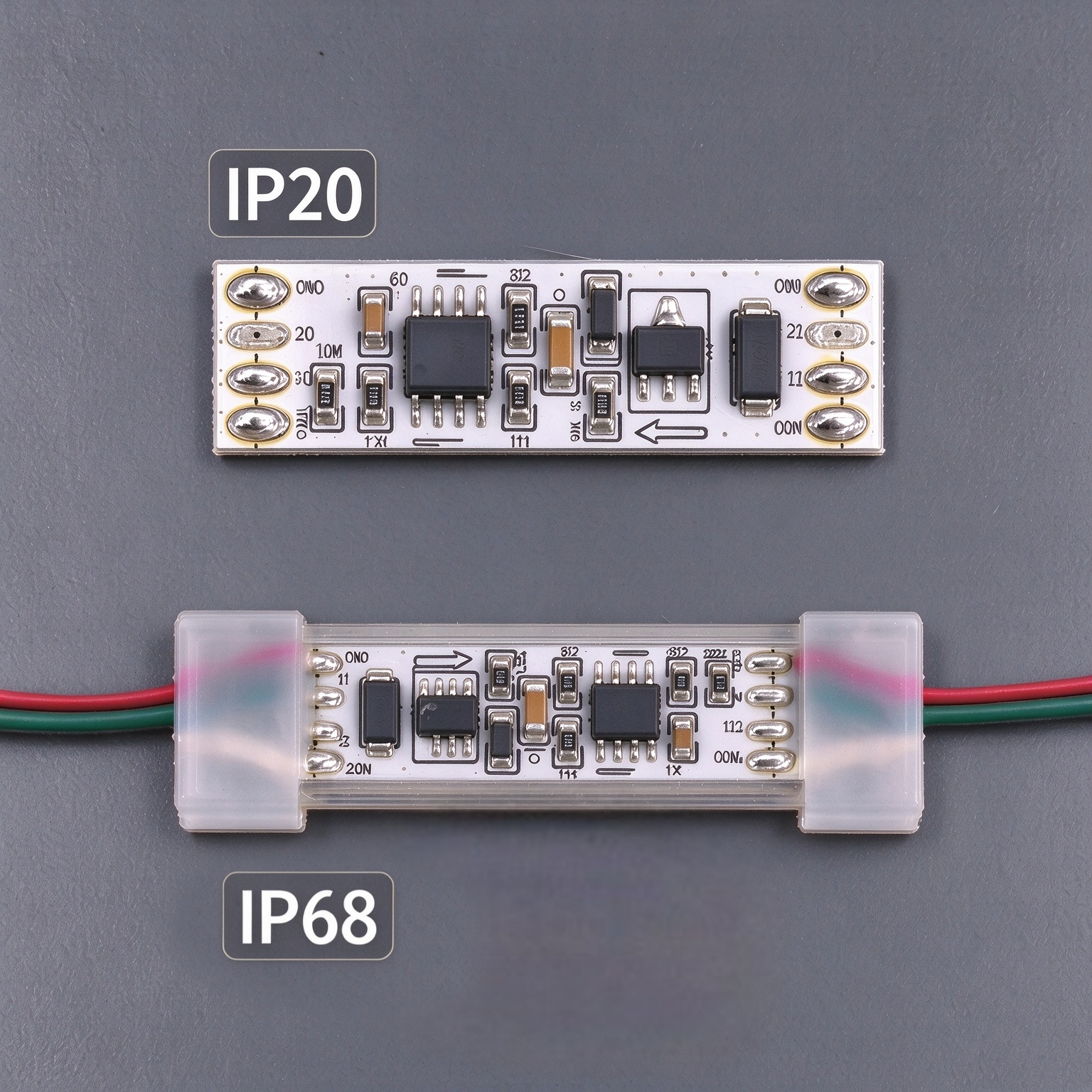
Modern flexible LED tape light engineering encompasses far more than soldering surface-mount diodes onto a flexible printed circuit (FPCB). High-performance linear lighting requires deep thermodynamic optimization, signal integrity preservation across long data runs, precise chromaticity control (3-step MacAdam ellipses), and certified ingress protection (IP20 to IP68 co-extruded silicone).
Comparative Analysis: Addressable Driver IC Protocols (SPI vs. DMX512)
System designers frequently evaluate the technical trade-offs between Serial Peripheral Interface (SPI) pixel protocols and differential RS-485 DMX512 protocols. The engineering selection depends on data refresh rate demands, total universe counts, distance from driver to fixture, and redundancy requirements.
Driver IC Model
Signal Protocol
Grayscale Depth
Operating Voltage
Data Transmission Speed
Primary OEM Application
UCS2904
SPI (Data + Clock Sync)
8-Bit (256 Levels/Ch)
DC 12V / 24V
800 Kbps
Commercial RGBW Dynamic Accent Tapes
UCS8904
SPI Differential / Single
16-Bit (65,536 Levels/Ch)
DC 5V / 12V / 24V
1.2 Mbps
Studio Broadcast, Theater & Camera-Critical Fades
UCS7604
SPI Data Stream
16-Bit High Refresh
DC 12V / 24V
1.0 Mbps
Architectural Ambient Lighting without Flicker
TM512AC / UCS512
DMX512 (RS-485 Differential)
8-Bit / 16-Bit Configurable
DC 12V / 24V
250 Kbps (Standard DMX)
Large Building Facades, Bridges, Long Signal Runs
WS2814
SPI Single Wire
8-Bit RGBW
DC 12V / 24V
800 Kbps
Continuous Dot-Free RGBW COB Tapes
Future Procurement Trends in OEM/ODM Flexible Lighting (2025–2030)
Global procurement metrics indicate a structural transition in how commercial lighting specifiers source linear products. Sourcing officers no longer evaluate tape lights solely on dollar-per-meter metrics; instead, total cost of ownership (TCO), material compliance, and control compatibility dominate procurement specs.
1. Transition to 16-Bit Dimming Grayscale
Standard 8-bit pulse-width modulation (PWM) exhibits visible "stepping" at low lumen levels (< 5% brightness). Future architectural specs mandate 16-bit dimming (65,536 discrete steps) to deliver velvet-smooth fades in luxury hospitality and TV production environments.
2. COB Flip-Chip & Dot-Free Optics
Traditional SMD LED tapes with visible hotspots require bulky aluminum profiles with deep diffusers. Chip-on-Board (COB) flip-chip packaging enables 480 to 840 dies per meter, achieving perfectly continuous linear illumination even in shallow recessed tracks.
3. UV-Stabilized Silicone Co-Extrusion
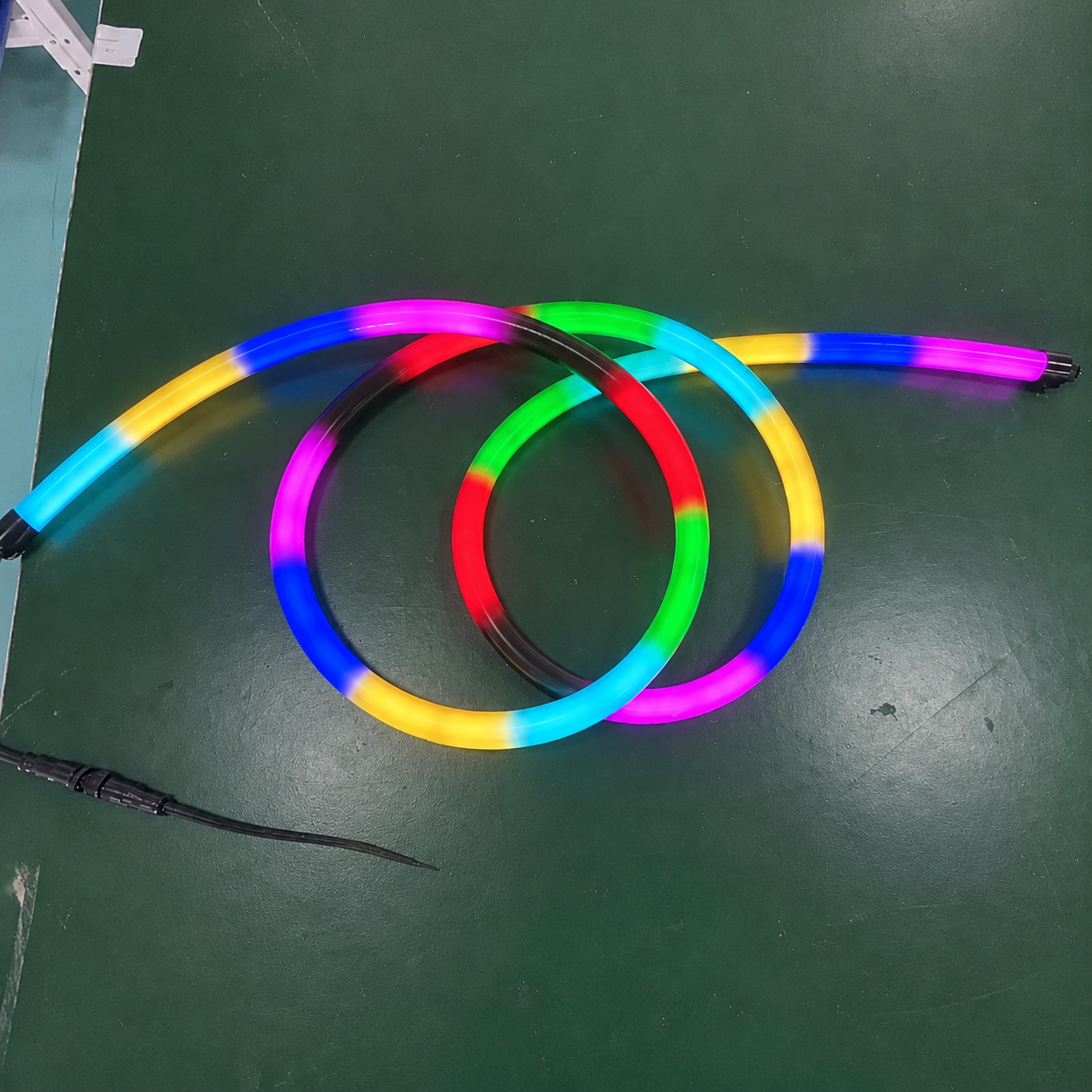
Legacy PVC tubing suffers from yellowing, micro-cracking, and plasticizer migration when exposed to outdoor UV and ambient thermal cycling. Integrated silicone co-extrusion offers chemical inertness, IP68 waterproofing, and operation from -40°C to +80°C.
4. Higher DC Voltage Architectures
To minimize line-loss voltage drop and lower installation labor costs (reducing power injection points), OEM designs are migrating from DC 5V/12V to DC 24V, 36V, and 48V constant-current IC architectures, doubling allowable single-feed run lengths.
Located in the high-tech Shiyan lighting hub of Shenzhen, China, Shenzhen Fuvin Led Technology Co., Ltd. operates state-of-the-art SMT lines, automated optical inspection (AOI) stations, and environmental testing labs. Verified onsite by SGS Group, our production lines follow ISO9001-certified operational procedures from raw material IQC to vacuum anti-static final packaging.
Key OEM/ODM Customization Parameters
Flexible PCB Engineering: 2oz, 3oz, and 4oz double-sided rolled copper substrate options for superior thermal dissipation and high current-carrying capacity without trace burnout.
Custom Binning & Color Rendering: Spectral matching to MacAdam Ellipse 3-Step tolerance. High color fidelity options up to CRI Ra>98, R9>90, and Television Lighting Consistency Index (TLCI) >97 for film/broadcast.
Tailored Encapsulation Optics: Integrated silicone extrusion with 360-degree round profiles (D22, D40), top-bend 16x16mm, side-bend 10x10mm, and ultra-slim architectural channels.
Essential technical answers for lighting engineers, importers, and procurement directors evaluating OEM factory partnerships.
What is the technical difference between UCS2904 and UCS8904 pixel LED tape lights?
Both ICs drive 4-channel (RGBW) digital LED systems over SPI protocols. However, UCS2904 operates at 8-bit grayscale depth (256 brightness levels per channel), which is ideal for general commercial dynamic accents. UCS8904 features true 16-bit internal processing (65,536 grayscale steps per channel), providing ultra-smooth low-brightness dimming without flicker—essential for television studios, theaters, and luxury architectural installations.
How does Fuvin LED address voltage drop across long linear tape installations?
We engineer our OEM LED tapes using 3oz/4oz heavy copper rolled FPCBs, increasing trace cross-sectional area to lower internal resistance. Furthermore, we offer 24V step-down integrated constant-current ICs that keep current uniform across distances up to 10–15 meters from a single power feed point.
When should an engineering project specify DMX512 over standard TTL/SPI pixel strip lights?
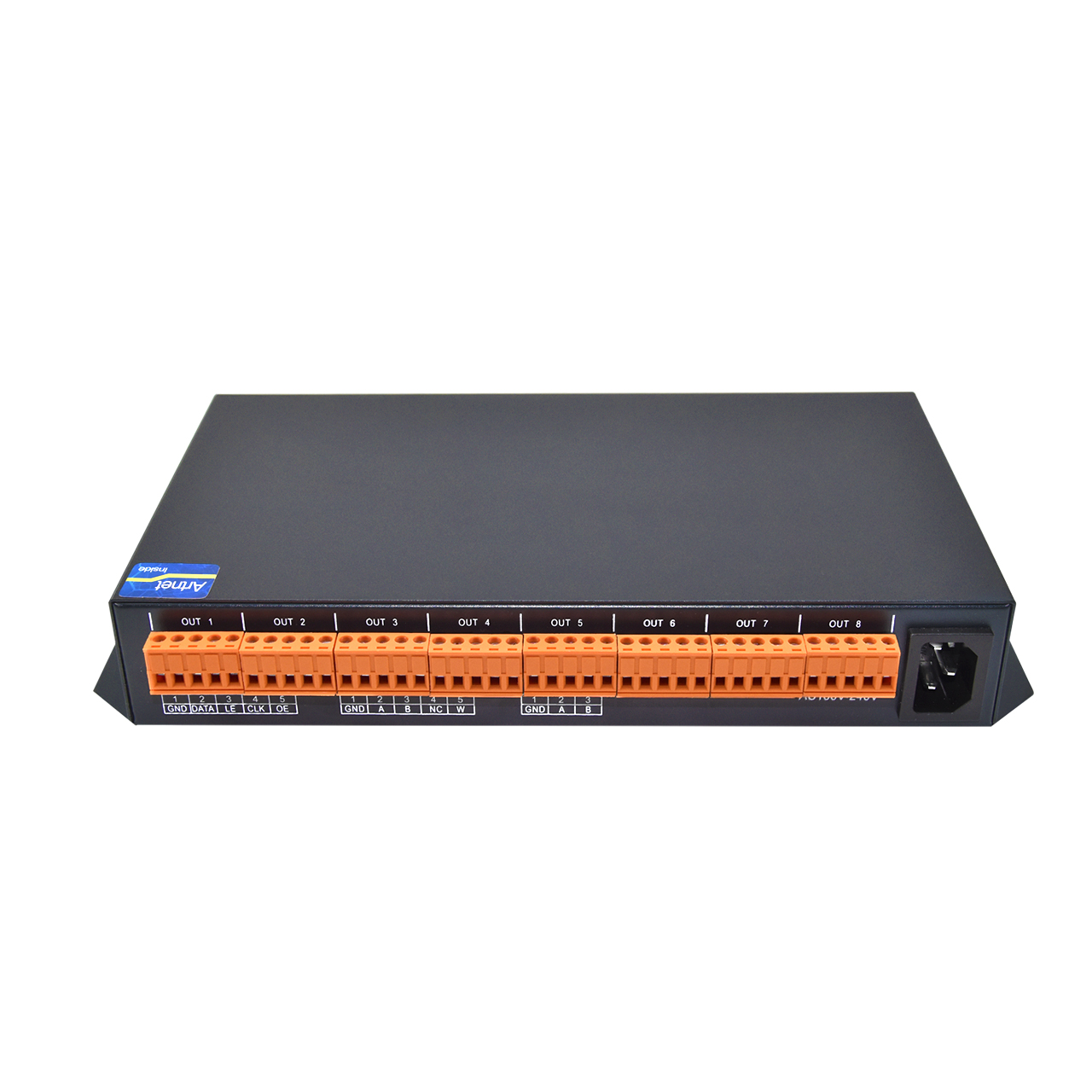
DMX512 (utilizing ICs such as TM512AC or UCS512) is recommended when data cable distances between the controller and the fixture exceed 15 meters, or when the system must interface directly with professional lighting consoles (e.g., grandMA, Avolites). DMX512 uses differential RS-485 signaling, providing superior noise immunity in electro-magnetically noisy exterior facade environments.
What certifications and trade compliance reports are provided with OEM shipments?
All products shipped from our Shenzhen facility are backed by SGS Onsite Audit documentation, CE (EMC & LVD directives), Declaration of Conformity (DoC), and RoHS 2.0 test reports. Specific high-density and tunable white strip series carry UL/cUL listing numbers for North American building code compliance.
What is the standard production lead time and minimum order quantity (MOQ) for custom ODM designs?
For standard production runs, our lead time is 7 to 12 working days. Custom ODM requests—such as customized FPCB layout widths, proprietary IC integration, or specialized silicone extrusion profiles—typically take 10 to 15 days for tooling and sample validation. MOQs for standard reels start at 10 meters, while custom FPCB copper runs typically start at 500 to 1,000 meters.
Partner with a Verified LED Tape Light Factory
Request our full product engineering catalog, complete photometric IES files, pricing matrix, and custom OEM sample kits today.
 IP67 Waterproof
 Signal Integrity
 Magic Color
 64 Universes
 UCS2904 RGBW
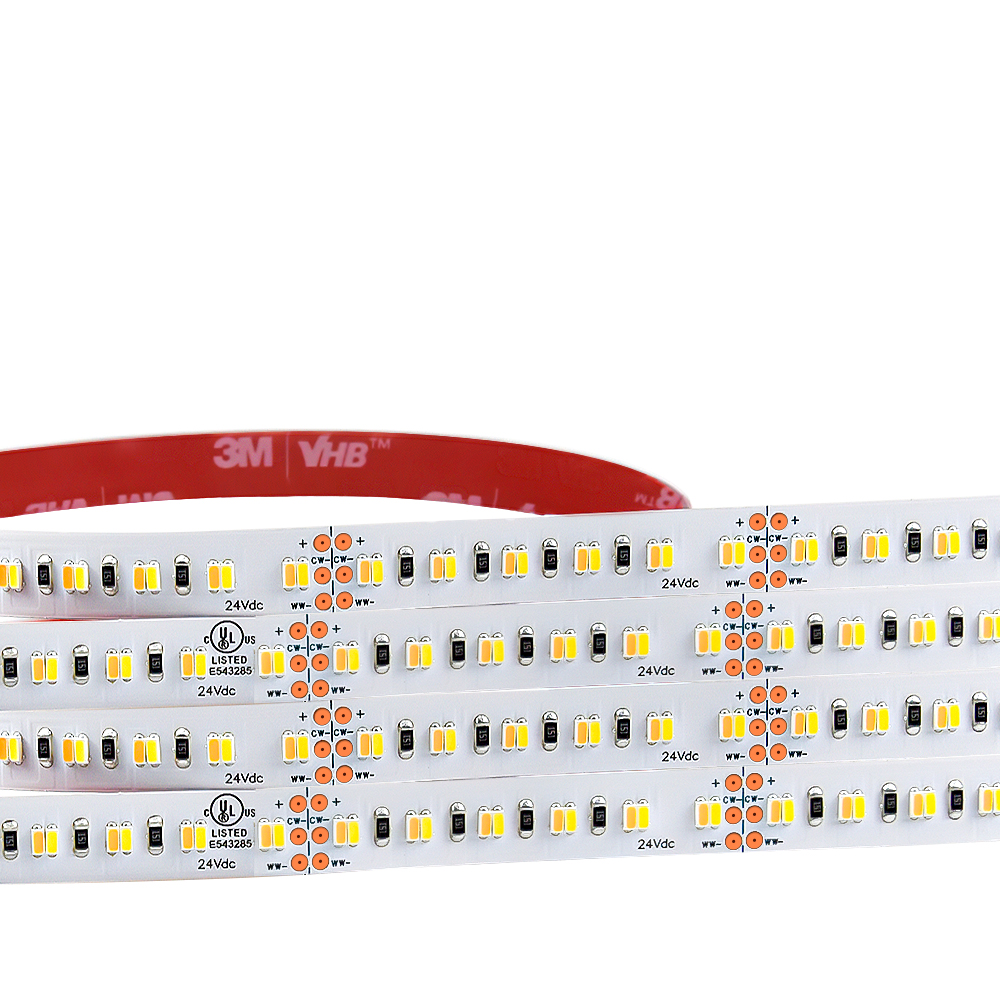 UL/cUL Listed
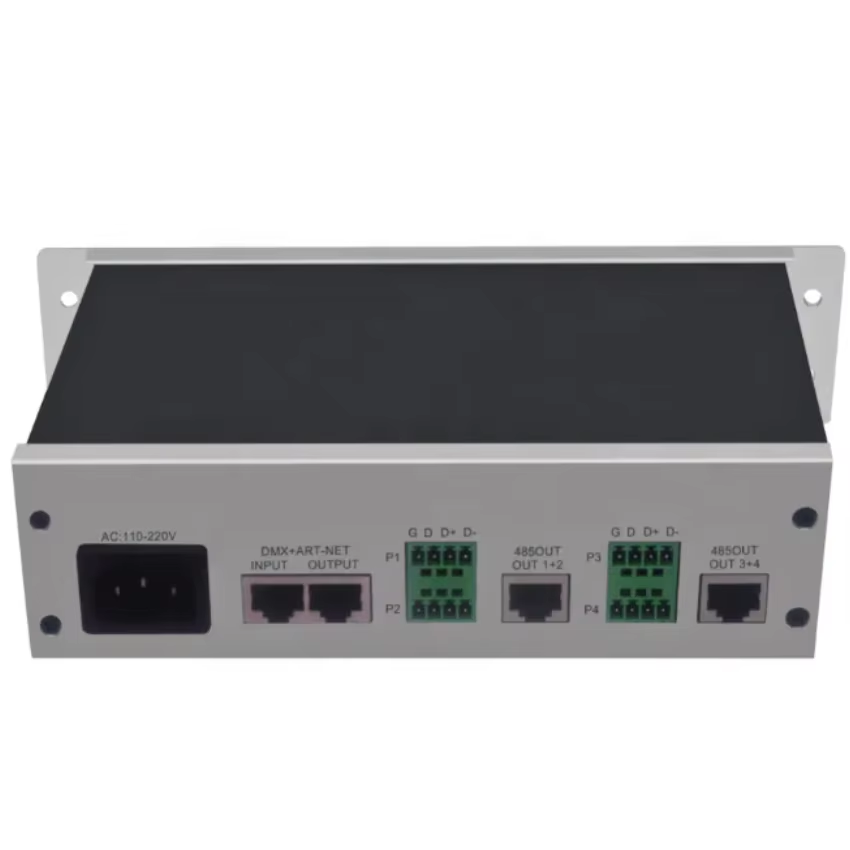 SD Card Offline
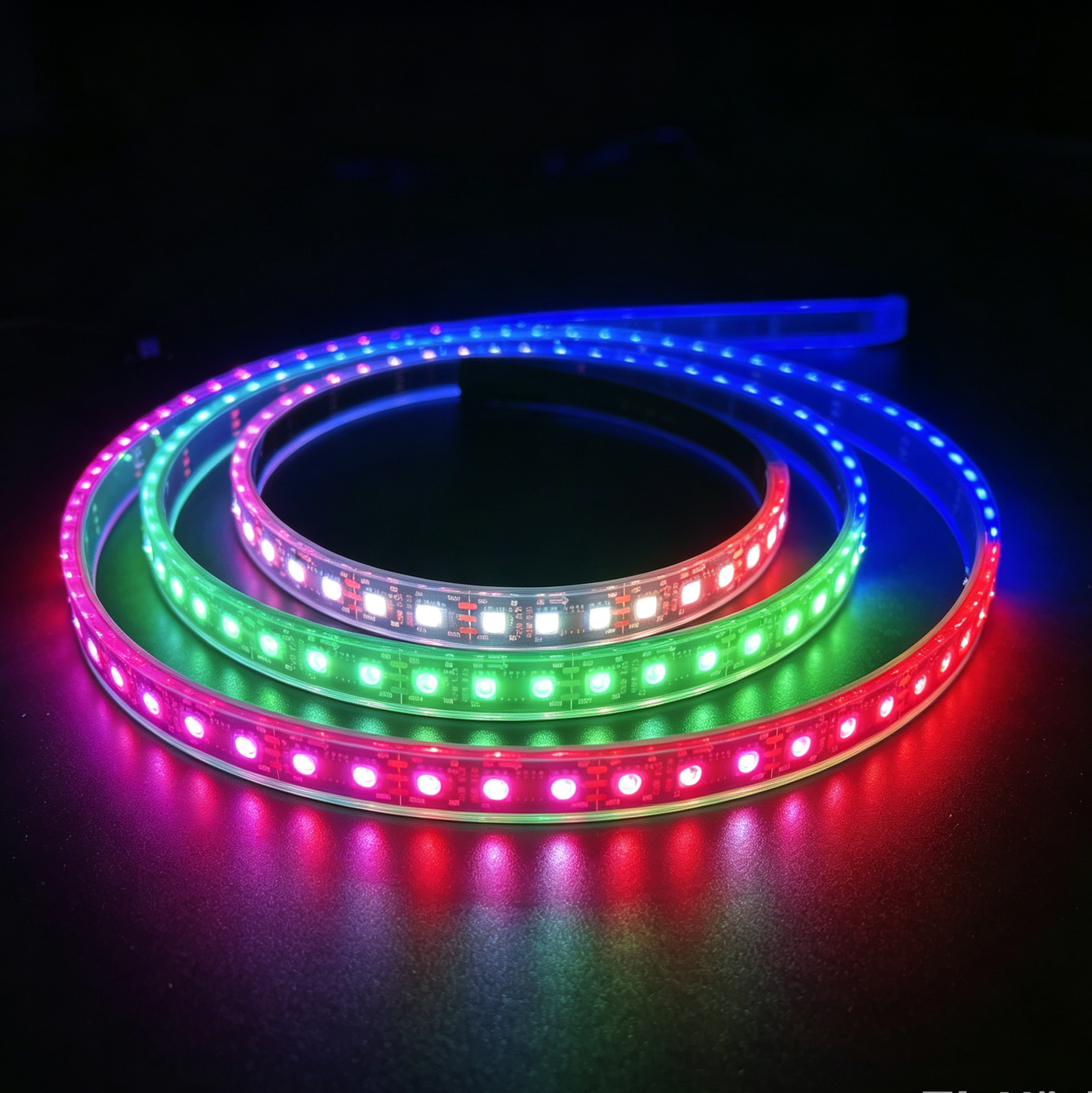 High Brightness
 Shenzhen, Guangdong, China