Engineered by Shenzhen Fuvin Led Technology Co., Ltd. — Tested and certified for professional global procurement.
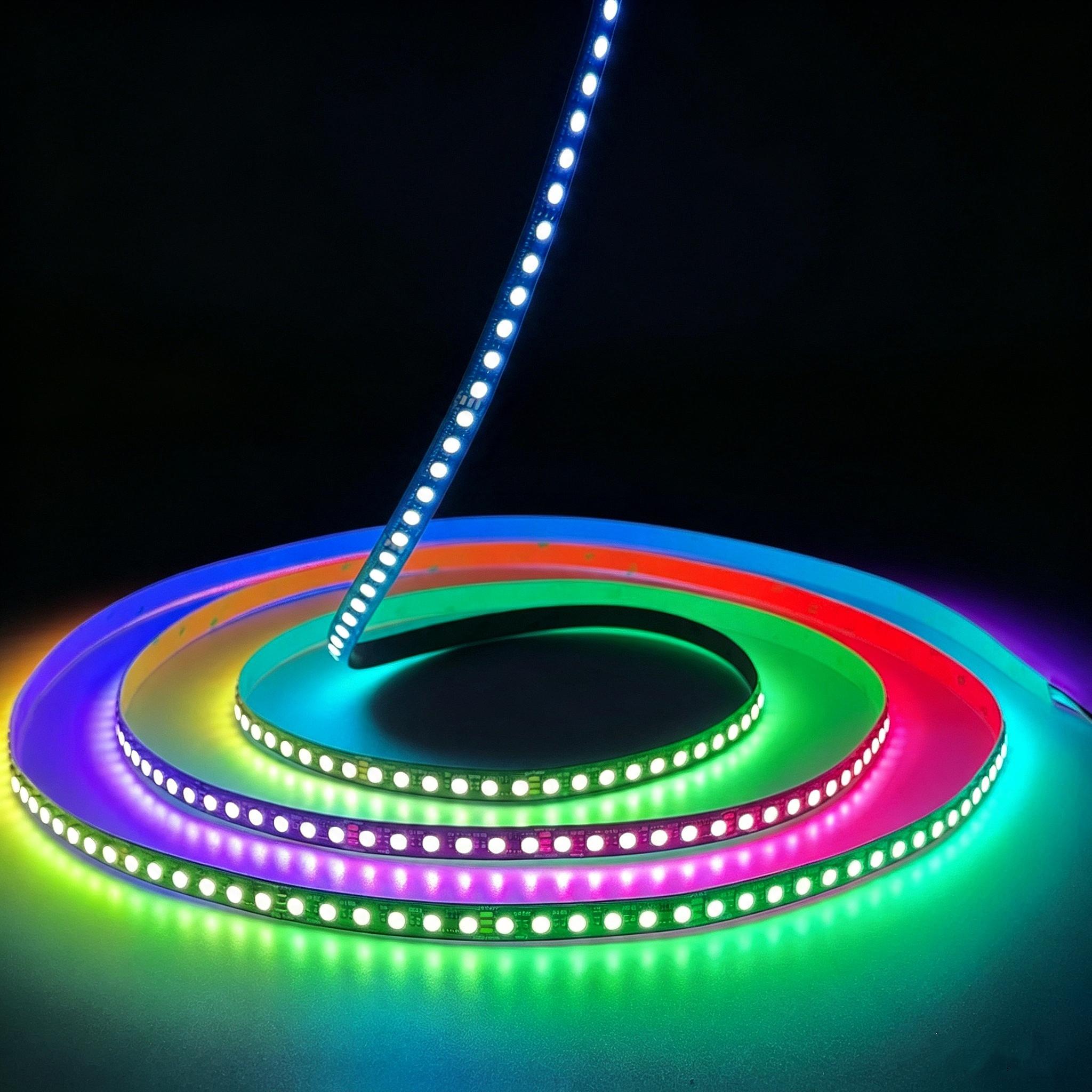
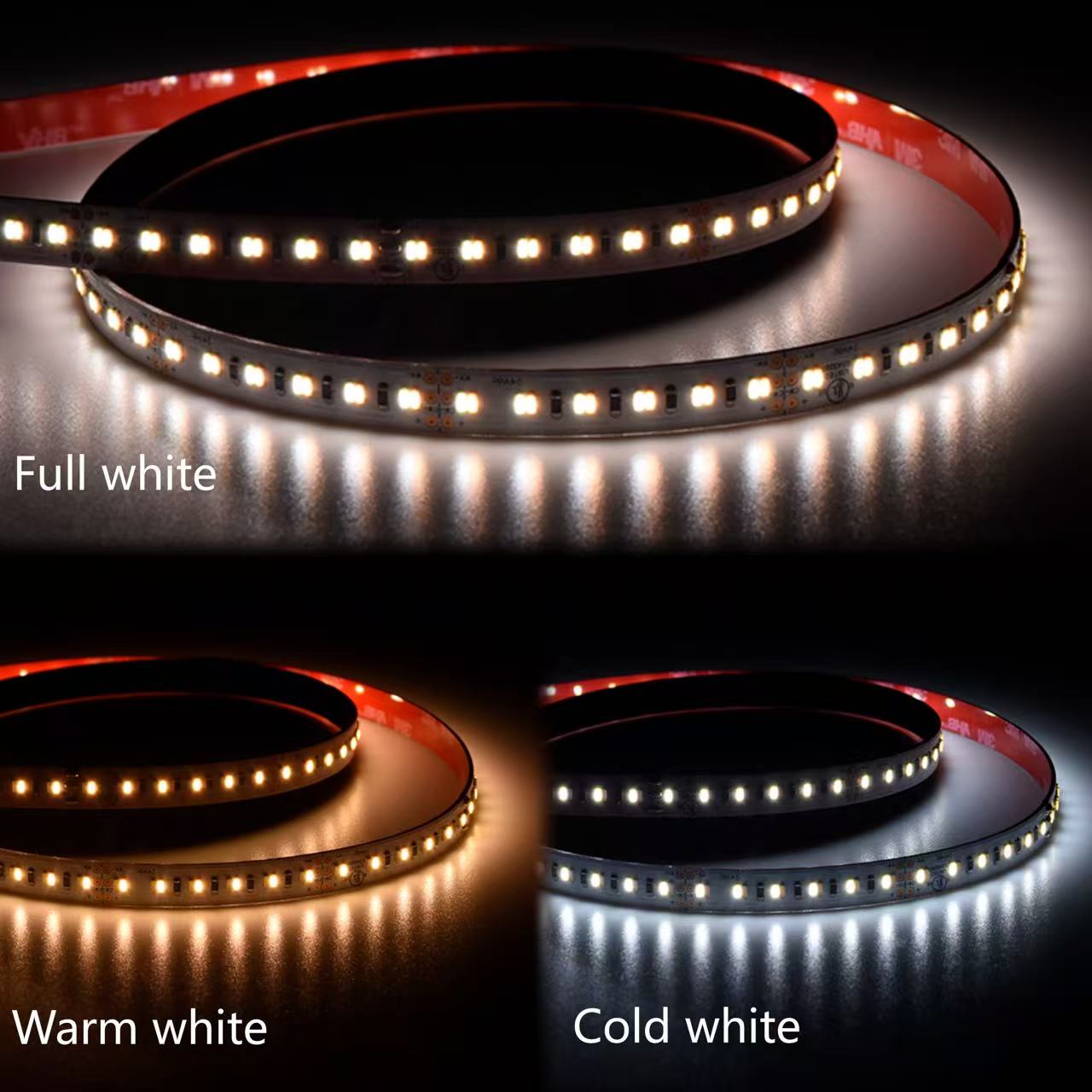
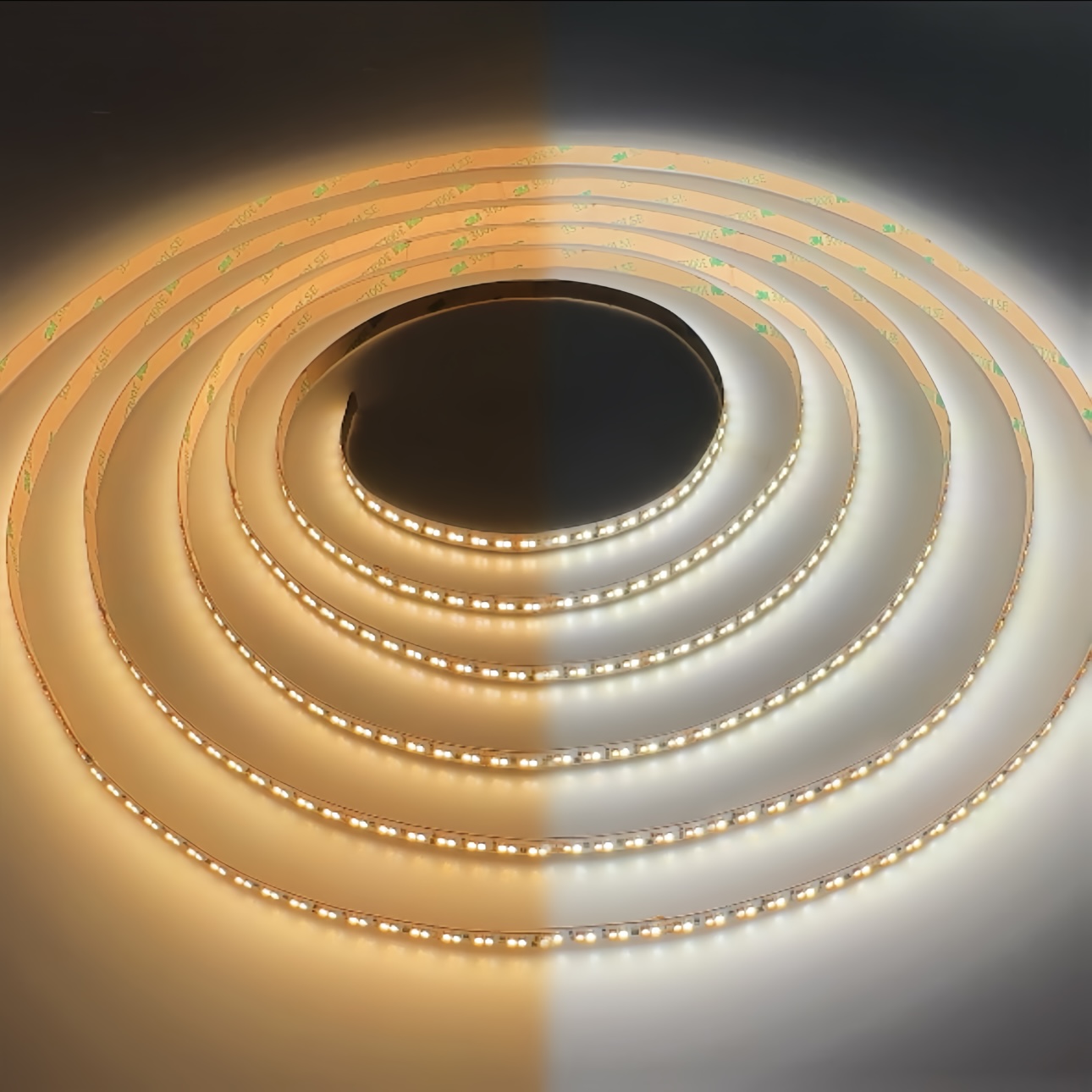
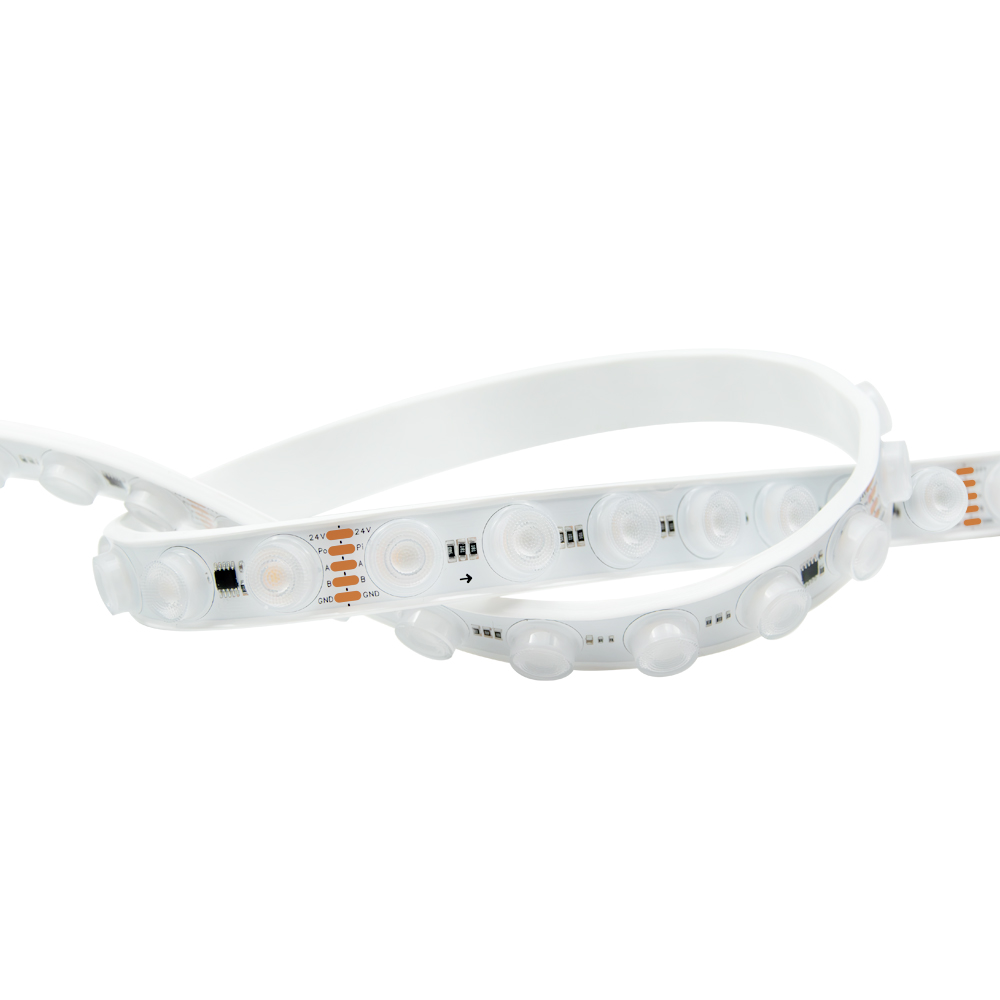
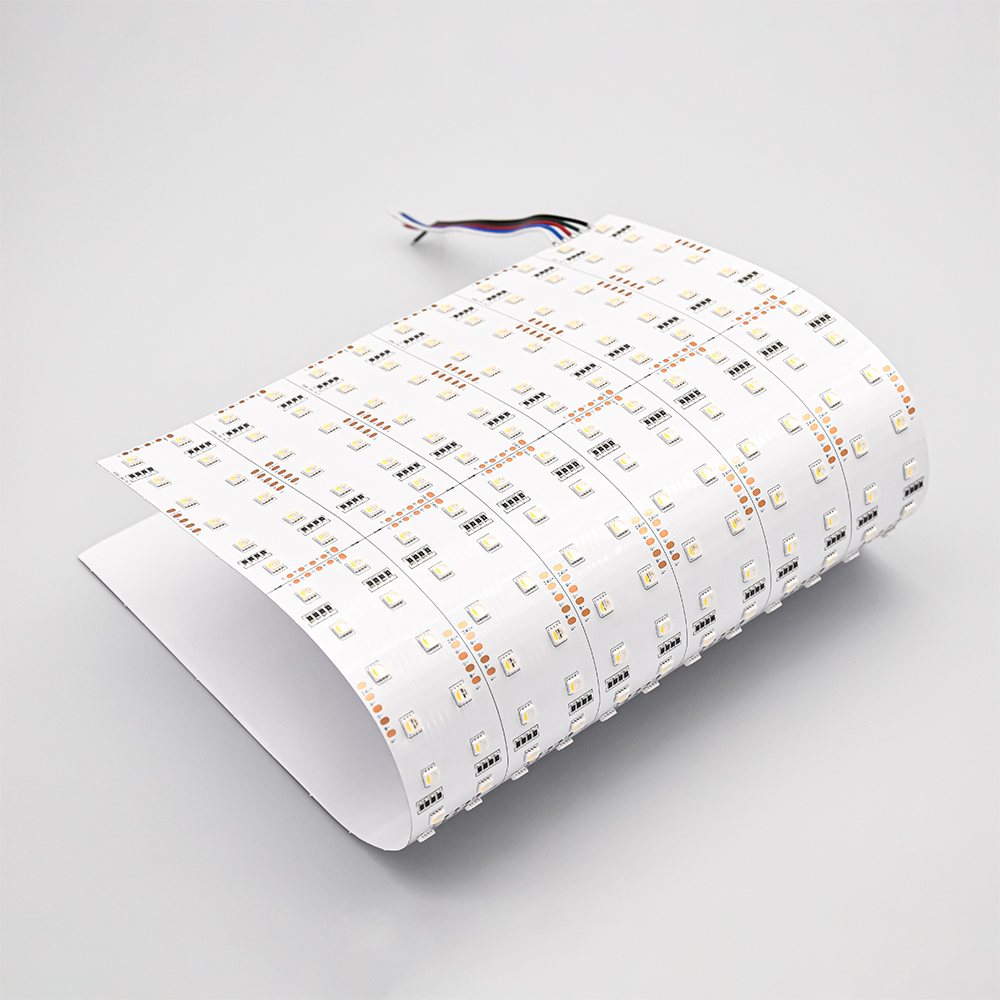
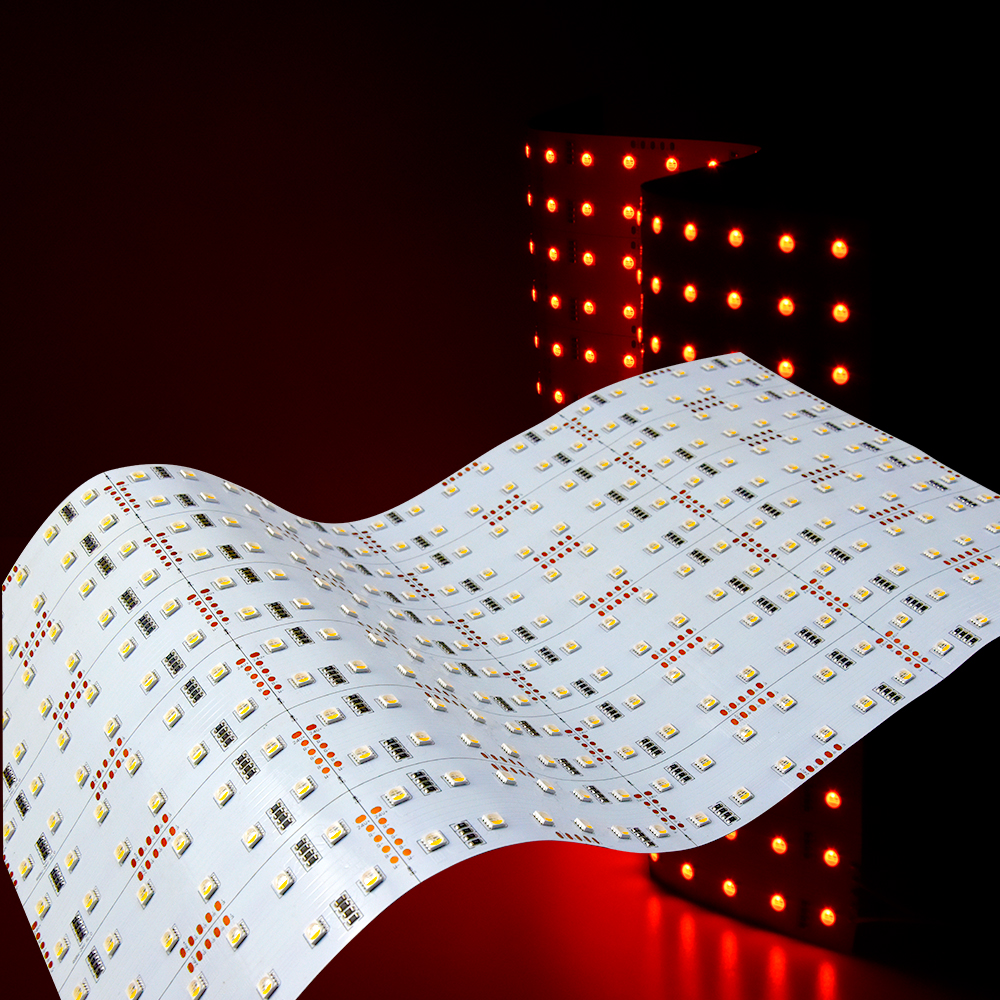
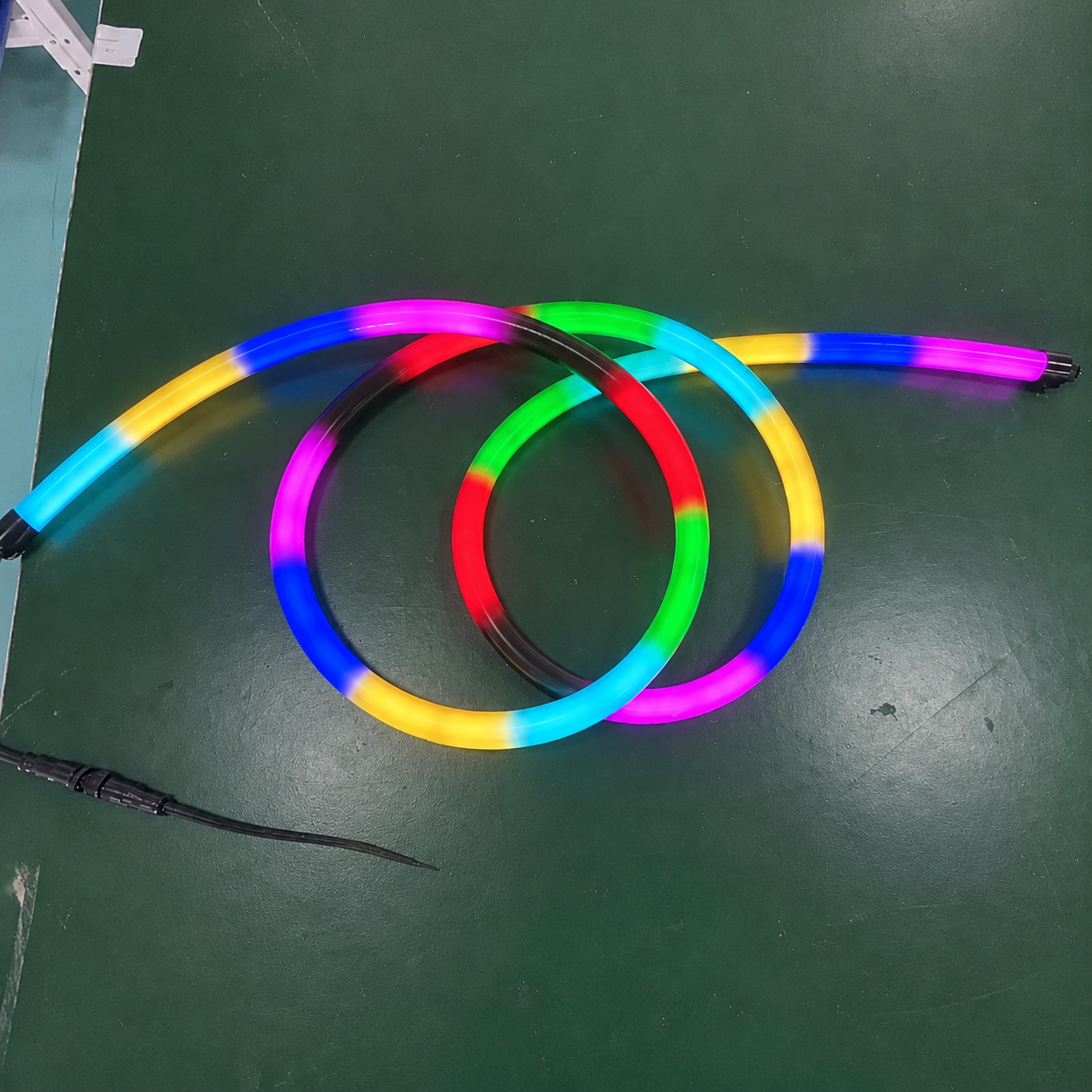
An engineering guide to selecting driver IC protocols, thermal management systems, and high-density packaging for stage, broadcast, and architectural projects.
The global solid-state lighting market is undergoing a structural transition from static single-color and analog PWM strip lights to dynamic, addressable digital pixel tape systems. Modern architectural installations, live performance touring stages, media facades, and commercial immersive environments no longer accept uniform color washes. Procurement teams now require pixel-level addressability, high PWM refresh frequencies to eliminate camera flickering, extended voltage drop tolerances, and true color rendering fidelity (CRI>90, TLCI>95).
As a specialized OEM/ODM manufacturer located in Shiyan, Shenzhen, Shenzhen Fuvin Led Technology Co., Ltd. bridges the gap between complex digital lighting protocols and scalable factory production. Sourcing pixel tape light systems requires evaluating far more than raw LED count per meter; buyers must audit integrated circuit (IC) architecture, PCB copper thickness, encapsulation polymer chemistry, signal transmission integrity over distance, and thermal dissipation limits.
| Protocol / IC Driver | Color Channels | Grayscale Depth | Signal Type | Input Voltage | Primary B2B Target Application |
|---|---|---|---|---|---|
| UCS8904B | RGBW (4 Channels) | 16-Bit (65,536 Levels) | SPI Dual Data / Clock | DC12V / DC24V | Professional Stage, Broadcast TV Studios, Fine Dimming |
| UCS2904 | RGBW (4 Channels) | 8-Bit (256 Levels) | SPI Data + Break Resume | DC12V / DC24V | Commercial Architectural Coves, Hospitality, Facades |
| DMX512 (UCS512/TM512) | RGB / RGBW | 8-Bit / 16-Bit | Differential RS-485 | DC24V | Building Outlines, Long-Distance Outdoor Linear Fixtures |
| WS2814 COB | RGBW Dot-Free | 8-Bit (256 Levels) | SPI Single Data Line | DC24V | Continuous Linear Cove Lighting, Direct-View Neon Flex |
| SK6812 / WS2812B | RGB / RGBW | 8-Bit (256 Levels) | SPI Single Data Line | DC5V / DC12V | Signage, Custom Matrix Displays, Embedded Electronics |
| Tunable White / DTW | CCT / Dim-to-Warm | Analog / PWM | 2-Wire / 3-Wire PWM | DC24V | Luxury Retail, Residential Ceiling, High-CRI Spotlights |
Standard 8-bit digital pixel ICs (like WS2811 or SK6812) offer only 256 dimming steps per channel. At lower intensity levels (<10%), 8-bit strips exhibit visible stepping and harsh color jumps. High-end stage lighting specifies UCS8904B or UCS7604 16-bit ICs, which deliver 65,536 micro-steps per channel for ultra-smooth fade-to-black performance under broadcast cameras.
SPI (Serial Peripheral Interface) pixel tape uses single or dual data lines, ideal for short-to-medium runs up to 10 meters before requiring signal repeaters. RS-485 DMX512 pixel tape uses differential wiring, making it impervious to electromagnetic interference over long cable runs. OEM projects for exterior facade lighting heavily favor custom DMX512 tapes with handheld address writers.
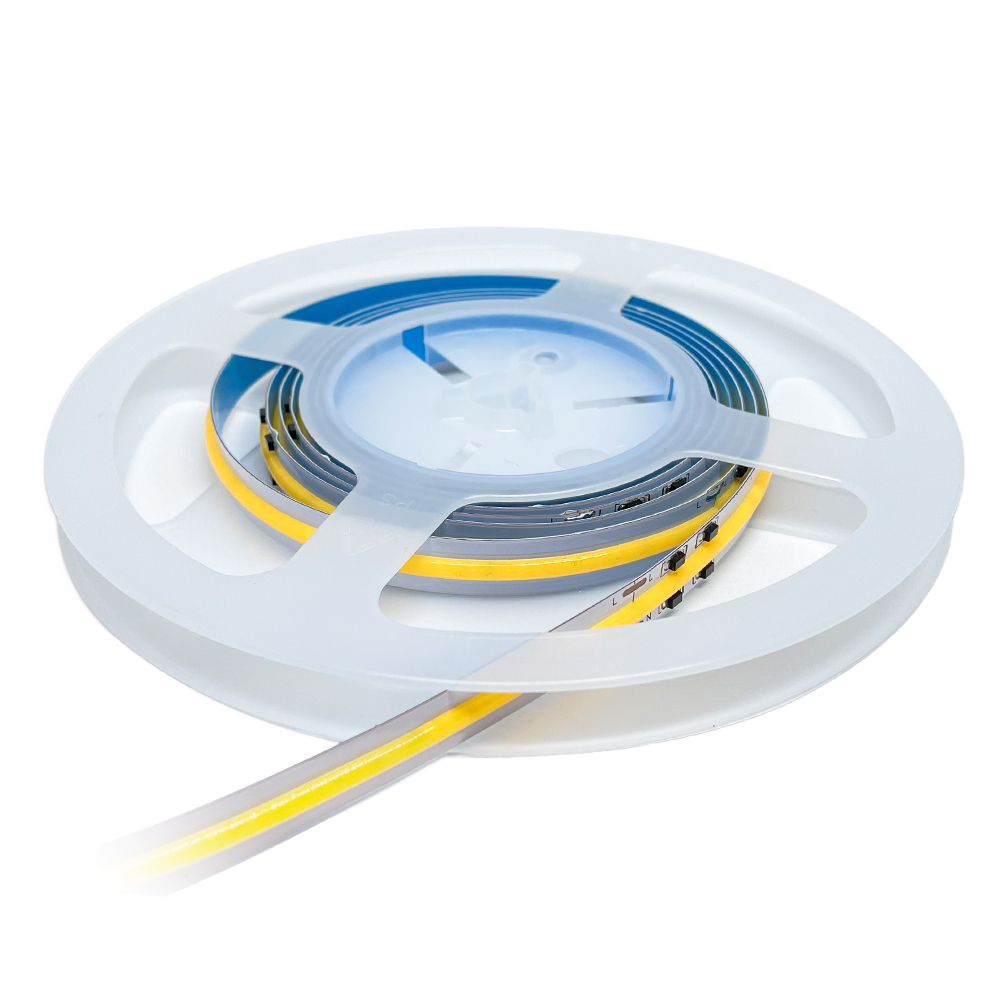
Traditional SMD pixel strips (SMD5050/SMD3838) leave visible hotspot gaps. Chip-on-Board (COB) technology packages hundreds of micro-chips beneath a continuous phosphor extrusion silicone resin. When paired with integrated pixel ICs like WS2814, COB tapes provide seamless, dot-free addressable lines even inside shallow aluminum channels.
Understanding PCB copper mass, voltage drop calculations, and ingress encapsulation dynamics for procurement risk reduction.
A primary failure mode in low-quality pixel tape is severe voltage drop along the run, causing color shift (e.g., pure white shifting to yellow or pink at the end of a 5-meter strip). Voltage drop is dictated by Ohm’s Law:
Where A represents the cross-sectional area of the copper trace. Shenzhen Fuvin Led Technology mandates 3oz (105µm) or 4oz rolled-annealed copper PCBs for all high-power OEM orders, compared to the industry standard 1.5oz. Double-sided 3oz copper reduces trace resistance by over 50%, enabling continuous 10-meter runs from a single power injection point without visible brightness degradation.
Outdoor pixel installations require rigorous ingress protection against moisture, UV radiation, and temperature cycling. Traditional PVC neon sleeves turn yellow, crack, and lose flexibility within 12 months under solar UV exposure.
Direct manufacturer operating in Shiyan Street, Shenzhen — Delivering fully traceable, certified pixel lighting assemblies.
Our manufacturing facility (4th Floor, Building B, No. 44 Kengwei Avenue, Shangwu Community, Shiyan Street, Shenzhen) has been audited onsite by SGS Group. Production lines, SMT placement capacity, testing equipment, and legal registration are independently verified.
Global project compliance is guaranteed. Selected tape models carry UL and cUL listings (E-file documentation available), CE LVD/EMC compliance, and full RoHS environmental standard verification for European, North American, and Australasian markets.
We support full-spectrum customization: custom PCB trace width, specified IC integration (UCS, WS, SK, TM, GS series), tailored LED binning (1-Step / 3-Step MacAdam), custom wire harness leads, buyer brand labeling, and specialized reel lengths.
Strategic guidance for OEM buyers, lighting designers, and importers preparing next-generation product lines.
The pixel lighting industry is rapidly shifting away from discrete SMD chips toward ultra-high-density COB pixel arrays. Future procurement cycles will favor 720-LED/m and 784-LED/m COB addressable ribbons. By embedding IC driver micro-dies directly inside the COB substrate under shared phosphor channels, manufacturers eliminate pixel pixellation entirely, producing fluid liquid-light aesthetics ideal for low-clearance architectural slots and direct-view artistic light sculptures.
As media facades scale to tens of thousands of individual pixels, diagnosing signal broken links becomes cost-prohibitive. Next-generation OEM pixel tapes integrate bi-directional telemetry protocols. Advanced ICs transmit real-time thermal readings, voltage drop status, and exact pixel failure locations back to central ArtNet / DMX controllers, enabling predictive maintenance before total fixture outage occurs on stage or building exteriors.
Commercial architectural design demands hybrid fixtures capable of delivering crisp functional task light during the daytime and energetic dynamic pixel effects at night. Sourcing demand is surging for 5-in-1 integrated LEDs (RGB + Warm White + Cool White) governed by 5-channel addressable ICs. This architecture eliminates the need to install separate white and RGB strips inside the same profile channel.
Environmental legislation in Europe (RoHS 3, REACH, halogen-free mandates) is tightening. Future OEM supplier evaluations will require halogen-free silicone extrusions that produce non-toxic, low-smoke emissions in the event of building fire scenarios. Fuvin LED is at the forefront of adopting platinum-cured silicone polymers meeting strict EN 45545-2 fire safety benchmarks for public transit and high-occupancy venues.
Direct technical and commercial answers from our engineering team to streamline your procurement process.
 Shenzhen, Guangdong, China