Verified industrial-grade smart LED tapes, flexible wall washers, linear pixel bars, and 360° neon solutions engineered in Shenzhen.
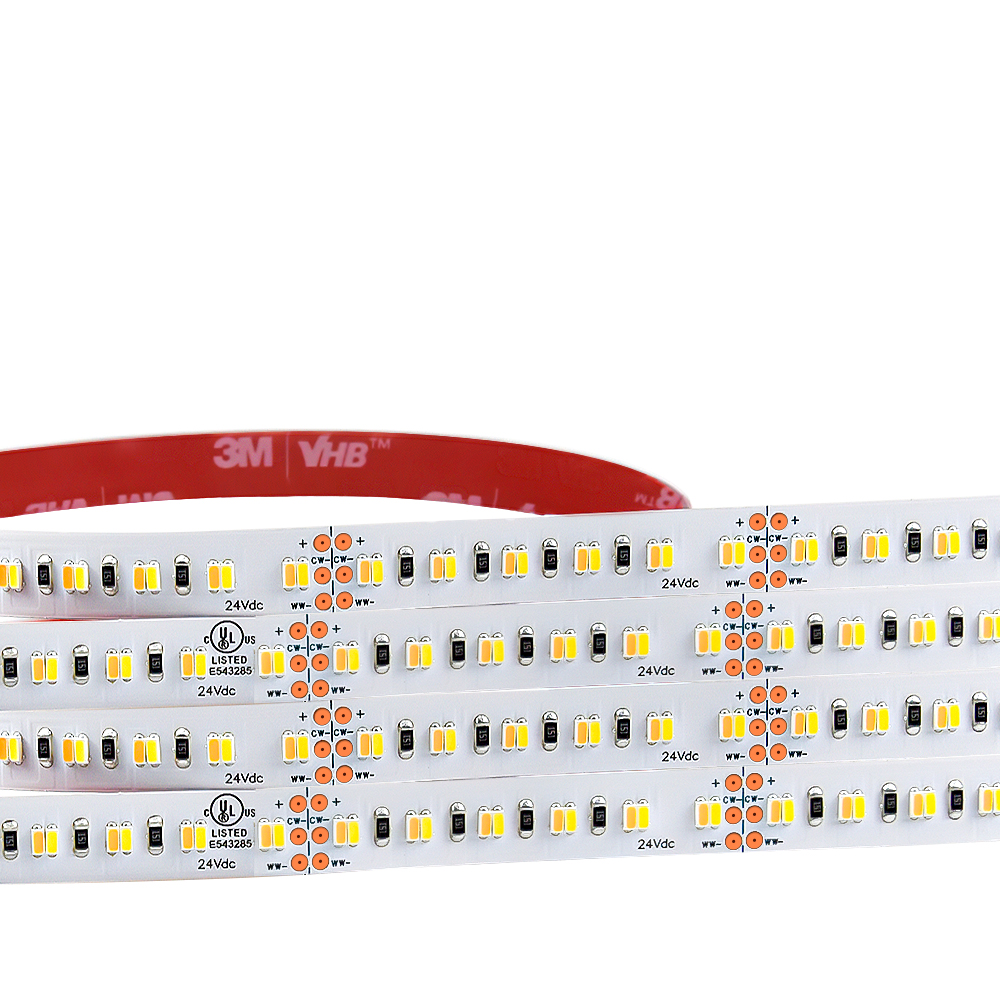
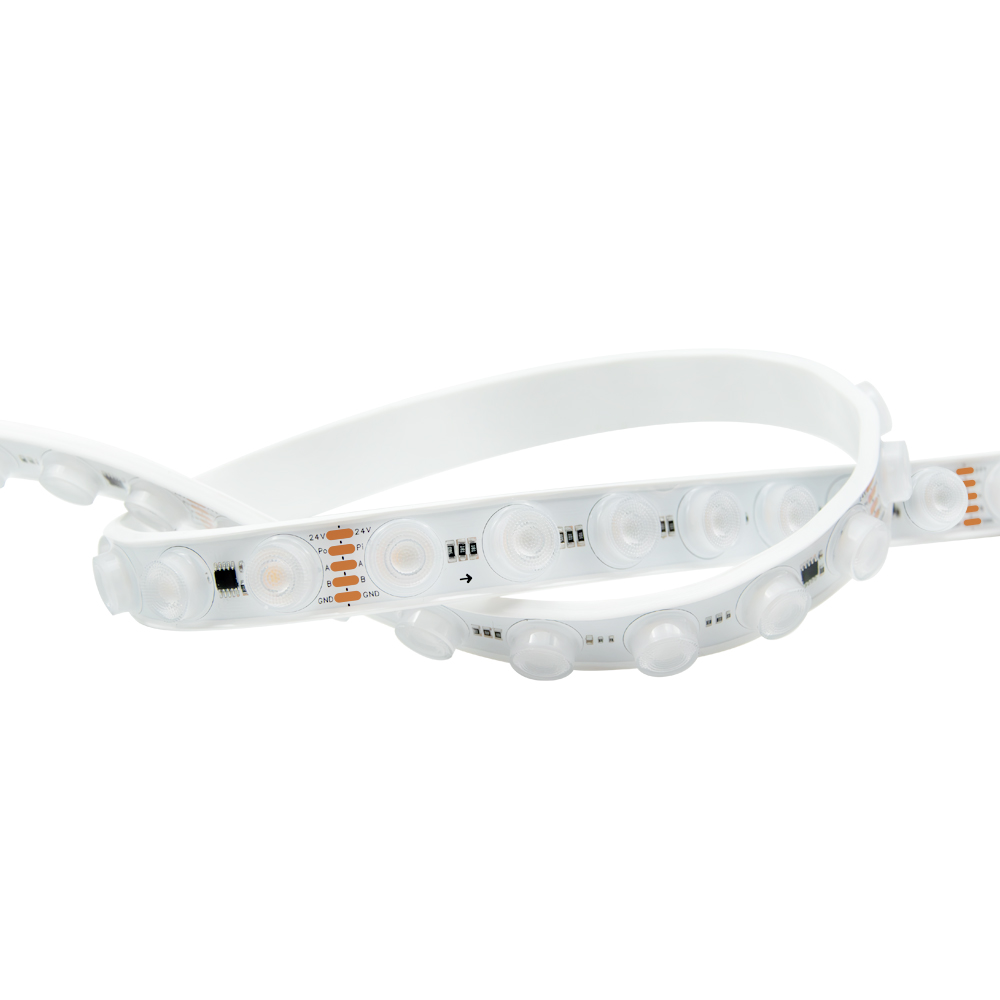
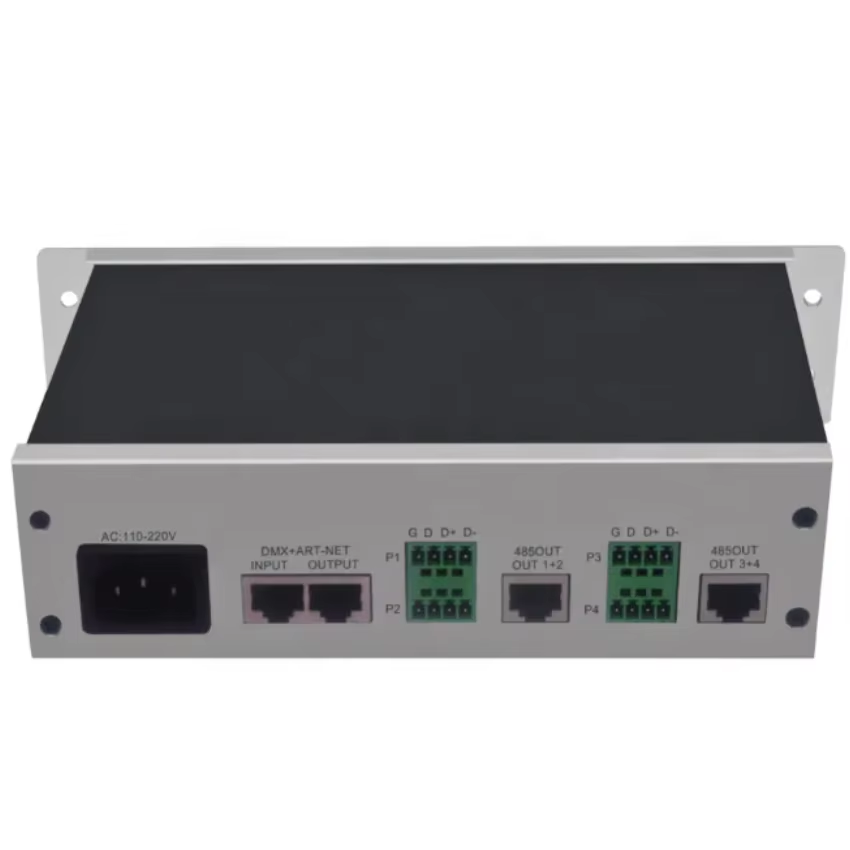
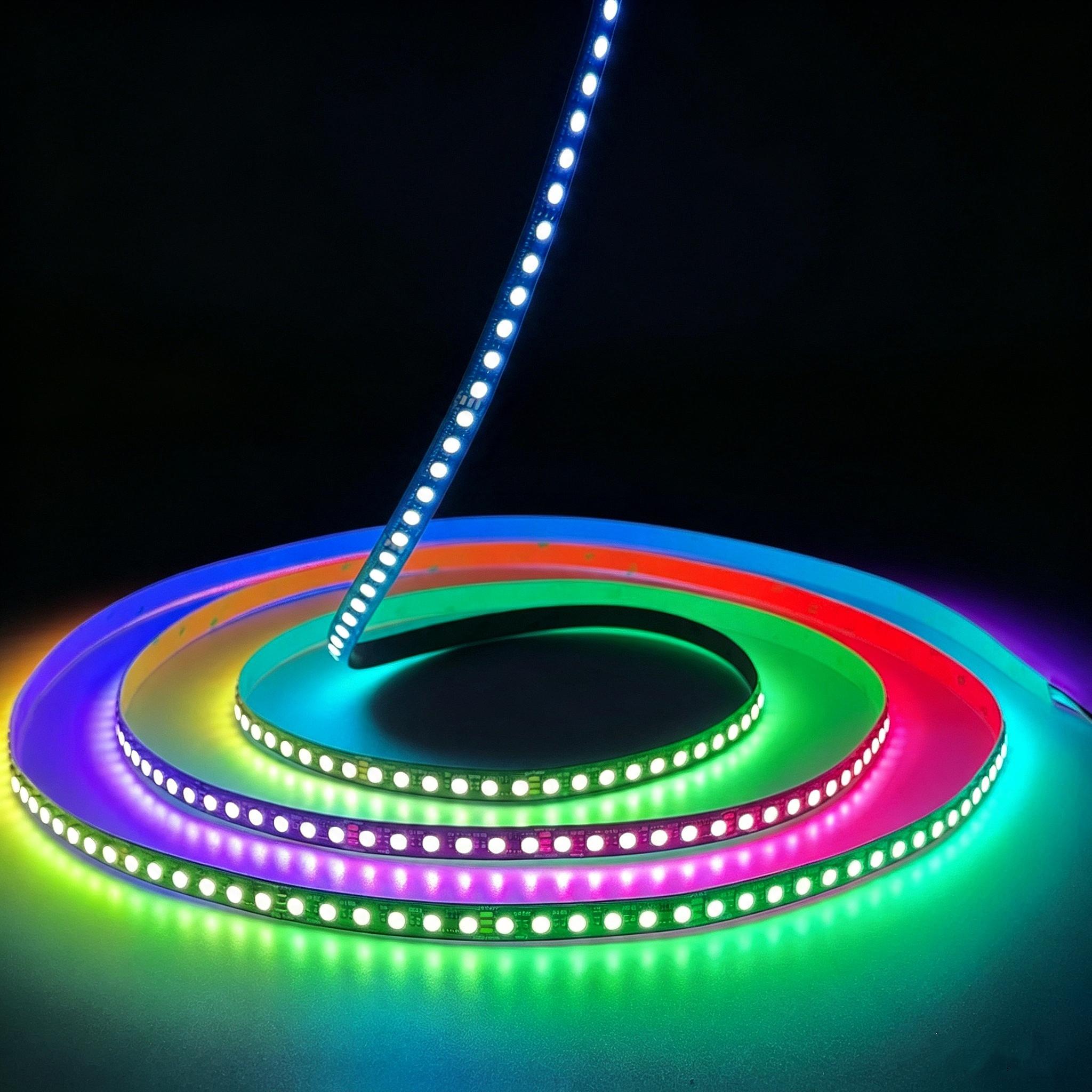
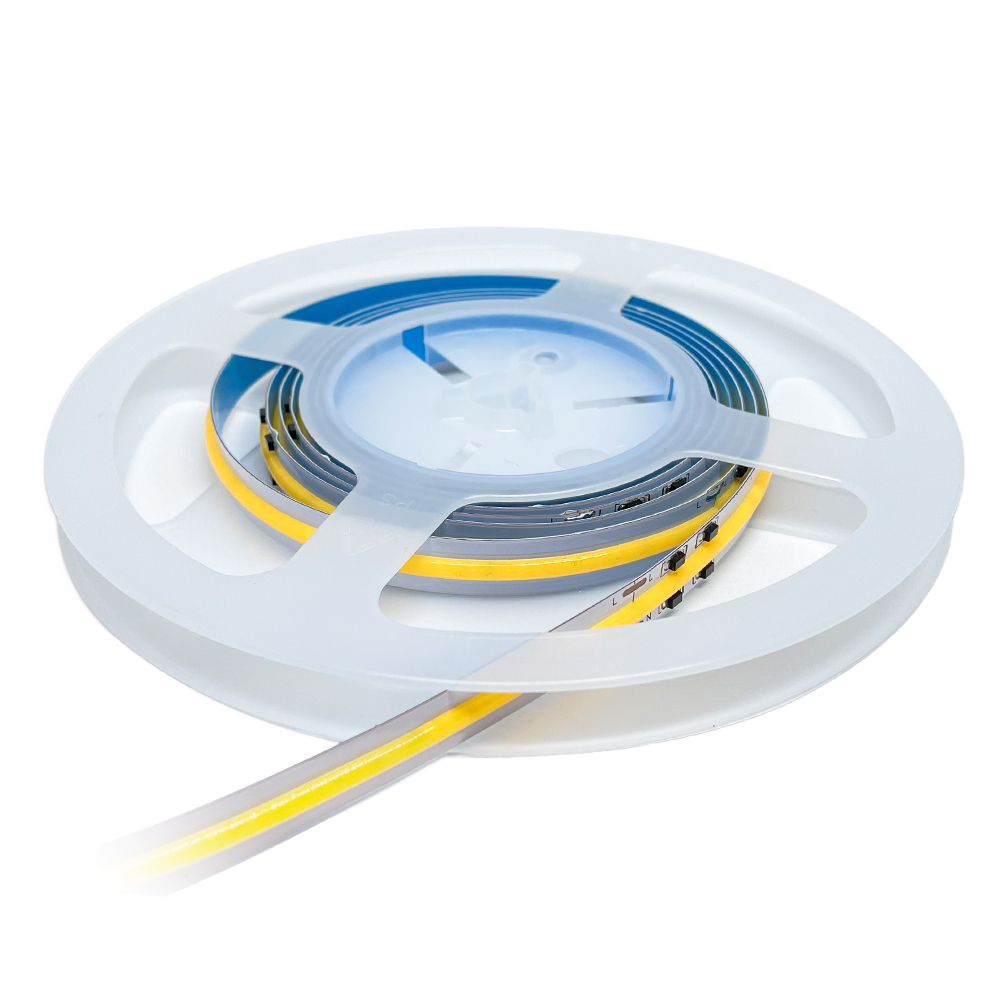
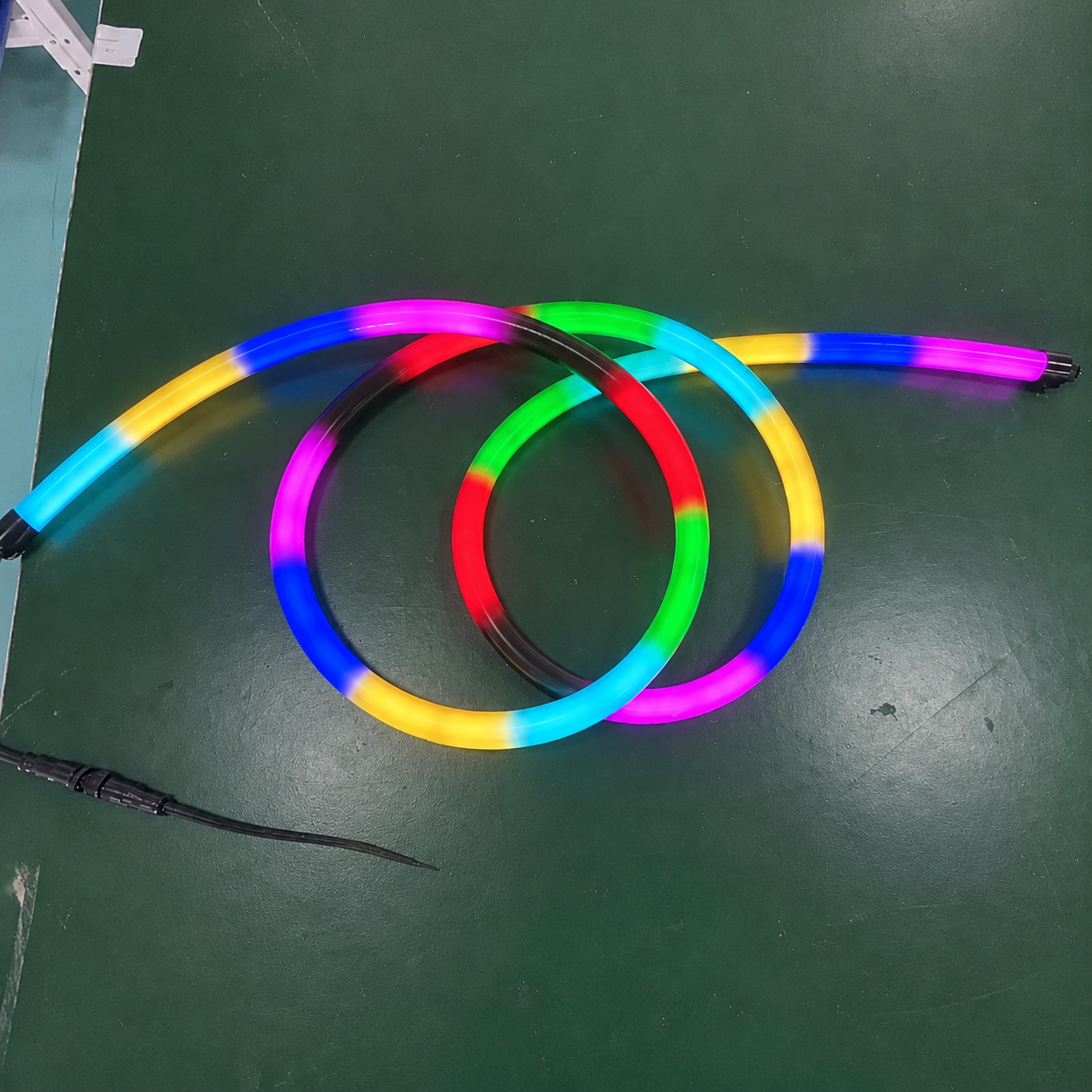
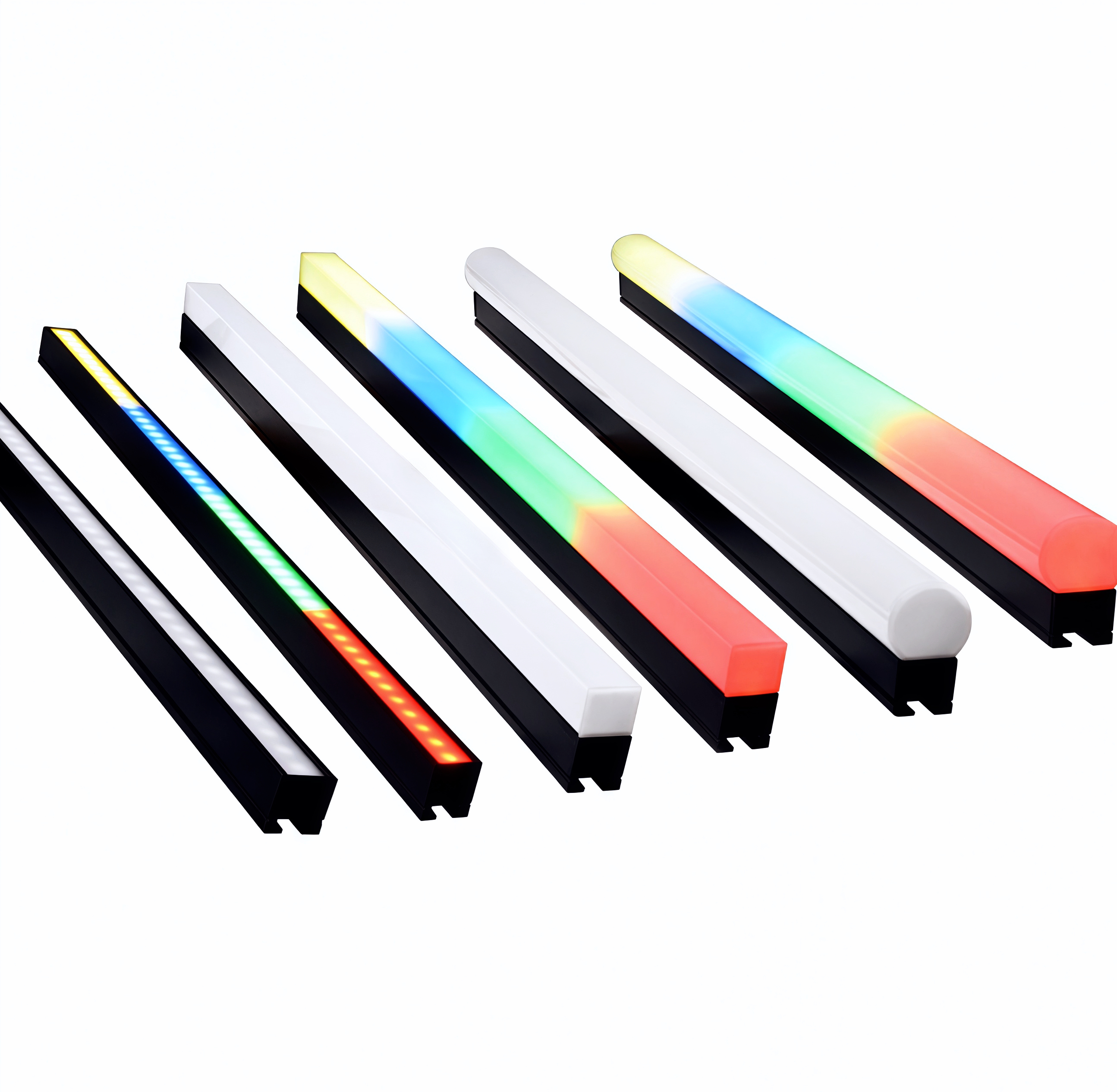
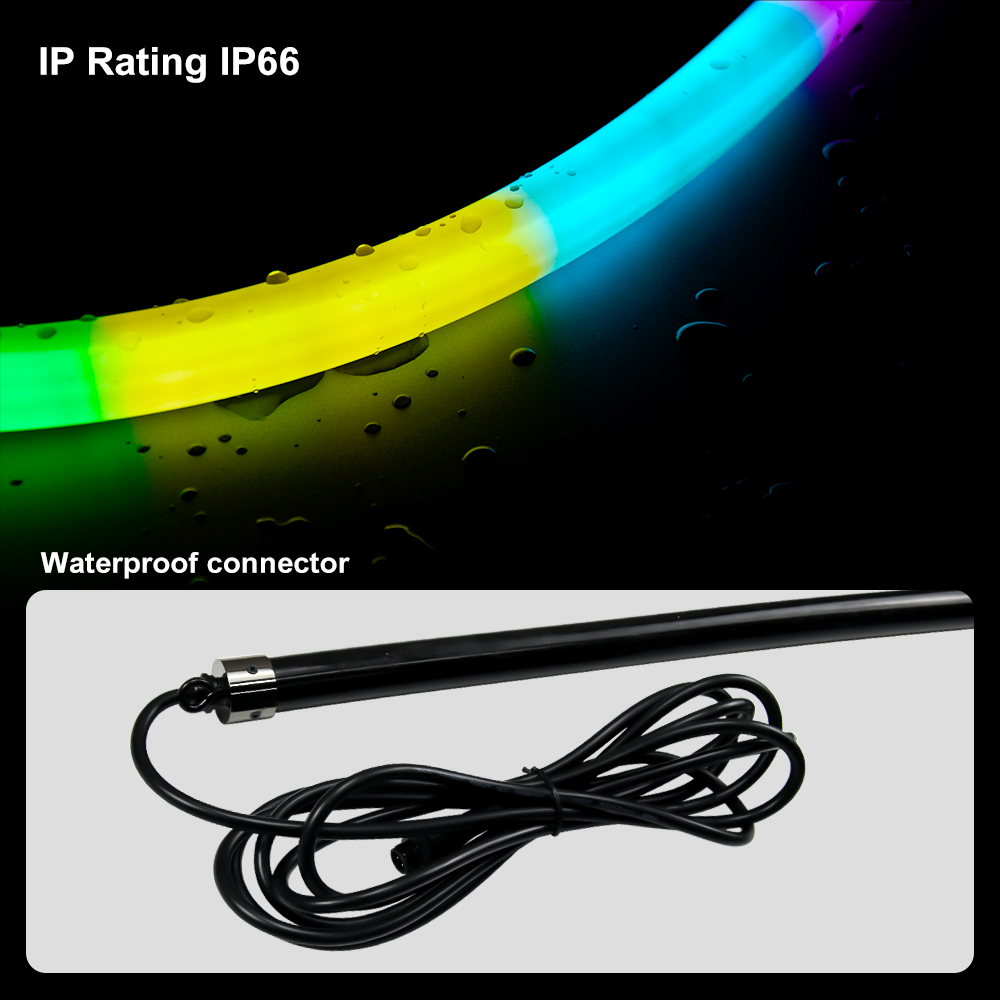
Shenzhen Fuvin Led Technology Co., Ltd. operates state-of-the-art automated SMT lines, advanced optical testing labs, and strict quality assurance protocols inspected onsite by SGS Group.
Information Gain Insight for Lighting Specifiers: Unlike standard static LED tapes, SPI (Serial Peripheral Interface) and DMX512 addressable LED strips integrate integrated micro-circuits (ICs) directly onto flexible printed circuit boards (FPC). This enables individually controllable LED pixels, empowering lighting designers to map dynamic video patterns, volumetric lighting effects, and seamless color fades across complex architectural geometries.
As global lighting design transitions toward immersive digital experiences, selecting the correct Serial Peripheral Interface (SPI) driver IC and physical layer standard is paramount for commercial integrators. OEM/ODM customization allows lighting engineers to specify exact PCB copper thickness, driver timing, binning tolerances, and ingress protection (IP) structures to ensure long-term operational reliability.
Different commercial applications require specific integrated circuit (IC) protocols depending on pixel density, signal transmission distance, camera flicker resistance, and grayscale depth. The matrix below illustrates technical parameters essential for procurement due diligence:
| Driver IC Protocol | Signal Type | Color Channels | Grayscale Depth | PWM Frequency | Break-Continuity | Primary Application |
|---|---|---|---|---|---|---|
| UCS8904B | Single SPI Data | RGBW (4-Ch) | 16-Bit (65,536) | ~4.0 kHz | No | Stage Lighting, Broadcast Studios |
| UCS2904 | Single SPI Data | RGBW (4-Ch) | 8-Bit (256) | ~1.2 kHz | No | Commercial Facades, Architectural Coves |
| WS2814 | Single SPI Data | RGBW COB | 8-Bit (256) | ~2.0 kHz | No | Dotless Continuous Pixel Lines |
| GS8208 / WS2815 | Dual Data (Data + Backup) | RGB (3-Ch) | 8-Bit (256) | ~8.0 kHz | Yes (Dual Line) | High-Reliability Theme Park & Display Walls |
| DMX512 (UCS512 / TM512) | Differential RS-485 | RGB / RGBW | 8 to 16-Bit | Up to 16 kHz | Yes (Parallel RS485) | Large Exterior Building Outlines & Bridges |
Traditional SPI pixel LED strips operate on an 8-bit depth per channel, delivering 256 distinct brightness steps (256 R × 256 G × 256 B = 16.7 million colors). While sufficient for standard decorative installations, 8-bit dimming displays visible step-flicker or "stepping artifacts" at low dimming levels (0.1% to 5%).
For professional stage performance, theater, and HD broadcast environments, UCS8904B real 16-bit dimming technology expands resolution to 65,536 grayscale steps per channel. This guarantees ultra-smooth logarithmic dimming curves, eliminating harsh step transitions when fading to black, and preventing camera banding during high-framerate filming.
Direct current (DC) power attenuation along the flexible copper traces is a primary cause of color shifting (where white turns pinkish-red at the end of a run). To optimize high-power SPI LED strip installations, our engineering team enforces strict design guidelines:
Key architectural and engineering shifts driving wholesale purchasing strategies for international lighting contractors.
Traditional Surface Mount Devices (SMD2835, SMD5050) leave visible hot spots when installed in shallow profile extrusions. The market is rapidly shifting toward WS2814 and UCS2904 COB (Chip-on-Board) addressable tapes. Delivering over 720 LEDs per meter beneath a continuous phosphor silicone matrix, COB SPI strips produce flawless, spot-free linear illumination without heavy diffuser lenses.
While SPI signals excel at high-density pixel mapping over short PCB distances, their TTL signals deteriorate beyond 10 meters without signal repeaters. Emerging projects leverage hybrid topologies: ArtNet/sACN ethernet protocols convert to SPI locally near the fixture, or utilize differential RS-485 line drivers (such as UCS512 DMX512 wall washers) for exterior architectural facades spanning hundreds of meters.
Legacy PVC and low-grade TPU neon extrusions yellow, crack, and lose flexibility within 12–18 months under harsh sunlight. Future-proof procurement demands 100% food-grade liquid silicone co-extrusion (IP67/IP68). Silicone neon tubes maintain optical clarity from -40°C to +80°C and offer superior resistance to salt spray, chlorine, and UV radiation.
Your SGS-verified original equipment manufacturer offering full OEM/ODM customization from PCB layout to certified export packaging.
Our manufacturing facility located in Shiyan Street, Shenzhen, undergoes rigorous third-party auditing by SGS Group. Production capabilities, legal compliance, workshop conditions, and QA/QC records are fully verified for global B2B buyers.
Products are manufactured in alignment with global regulatory standards. Selected SPI and analog tape series hold UL/cUL certifications, CE, RoHS, and Declarations of Conformity (DoC), streamlining custom clearance in North America and Western Europe.
Every reel undergoes raw material incoming inspection, automatic SMT placement, high-precision reflow soldering, 100% 8-hour powered aging test, sphere photometer color-binning verification, and vacuum moisture-proof packaging prior to dispatch.
OEM/ODM Customization Services Available: Custom FPC width (4mm to 50mm), customized copper thickness (2oz–4oz), specific white color temperature binning (2200K, 2700K, 3000K, 4000K, 6500K, Tunable White, RGBW), private buyer labeling, custom packaging reels, and pre-soldered waterproof IP68 connector assemblies.
Essential answers for lighting designers, electrical contractors, wholesalers, and system integrators.
Submit your project specifications, CAD drawings, or engineering requirements. Our technical sales engineers respond within 12 hours with detailed bill-of-materials (BOM) estimates, sample kits, and wholesale quotation pricing.
 Shenzhen, Guangdong, China