China flagShenzhen, Guangdong, China Onsite Verified by SGS Group [email protected]

OEM/ODM SPI Pixel Strip Manufacturer & Factories

Engineering-Grade Addressable LED Solutions, Real 16-Bit Dimming, Custom IC Protocols & High-Density Architectural Encapsulation

Featured OEM/ODM Addressable Pixel Products

Direct-from-factory SPI and DMX512 pixel products engineered for architectural facades, stage production, commercial displays, and custom OEM system integration.
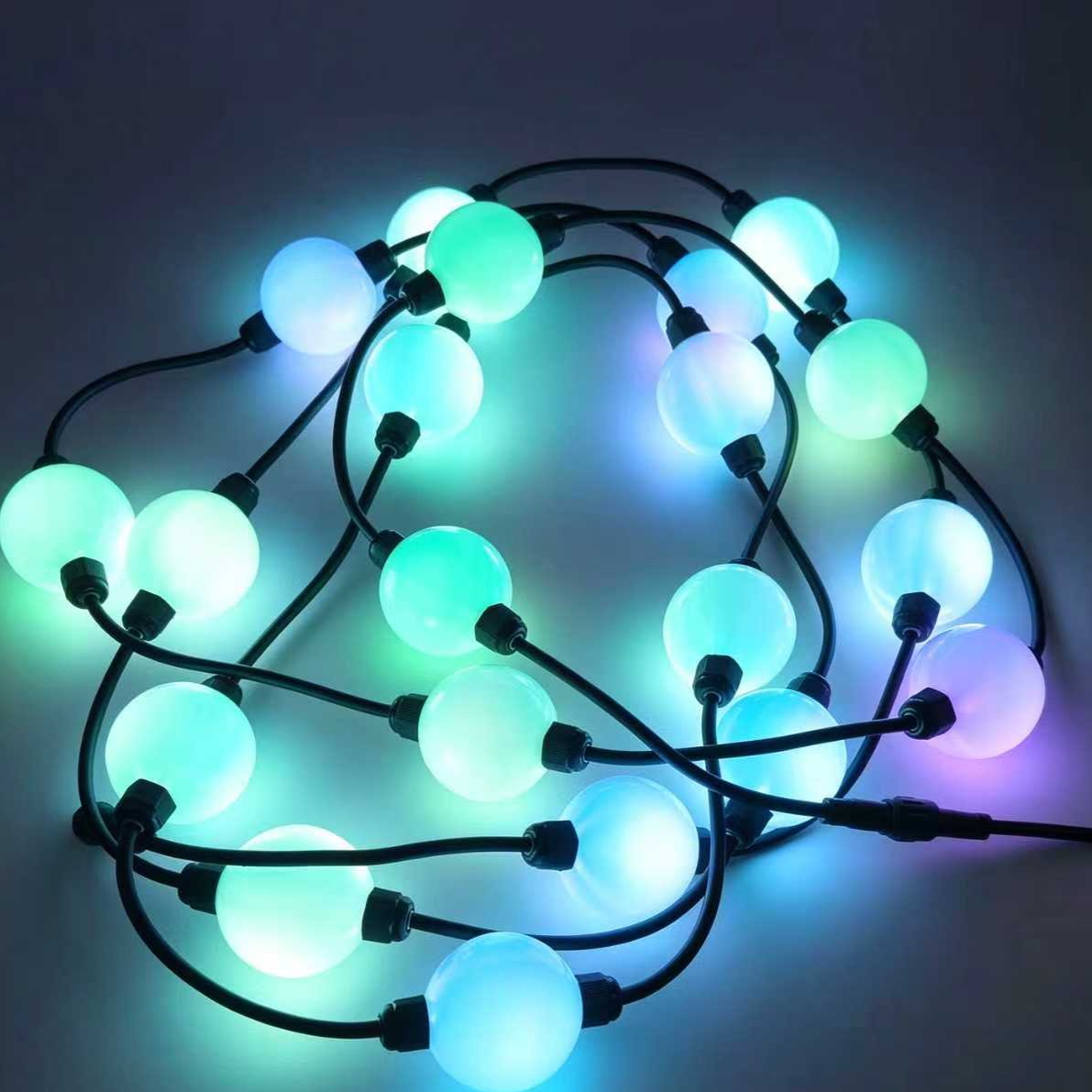
24v Programmable Digital RGBW Point Light Outdoor
24V Programmable Digital RGBW Point Light IP66 String Lights
50mm MagicColor Christmas ball point light with robust IP66 waterproofing for outdoor architectural and wedding venue decoration.
View Details
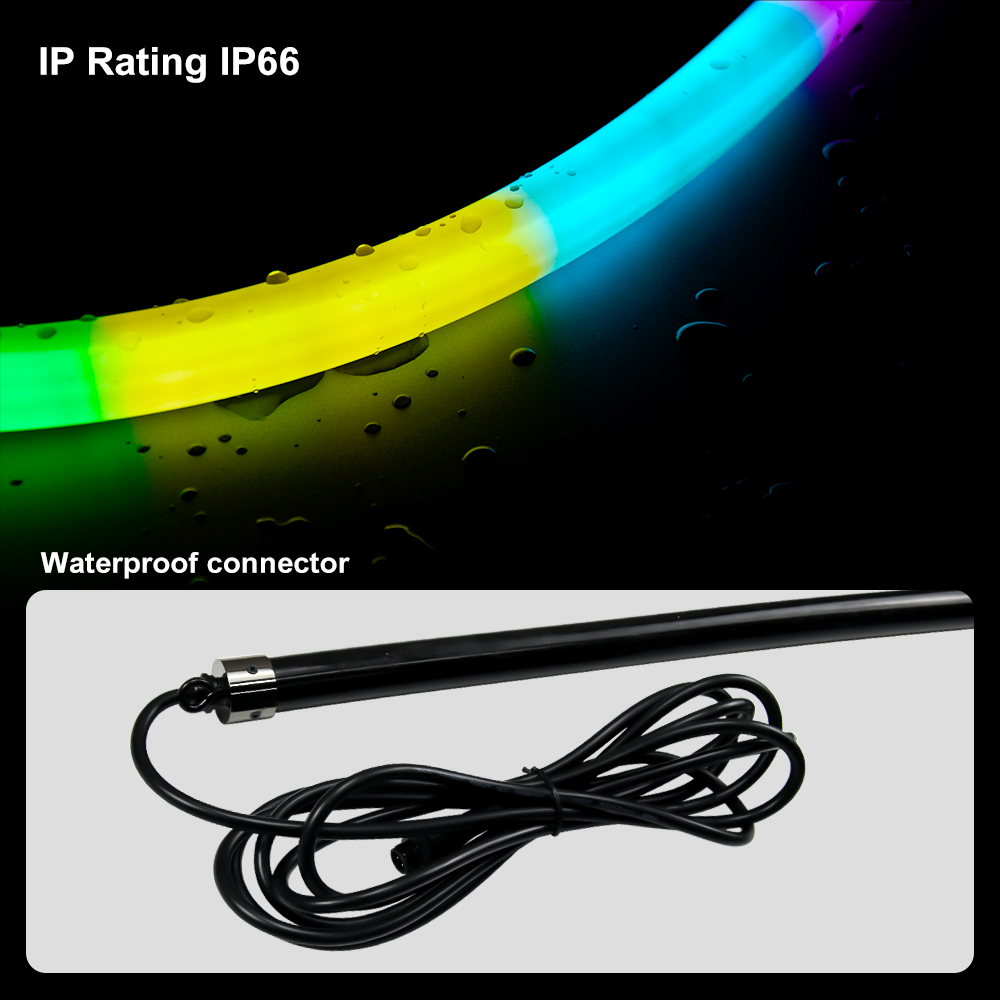
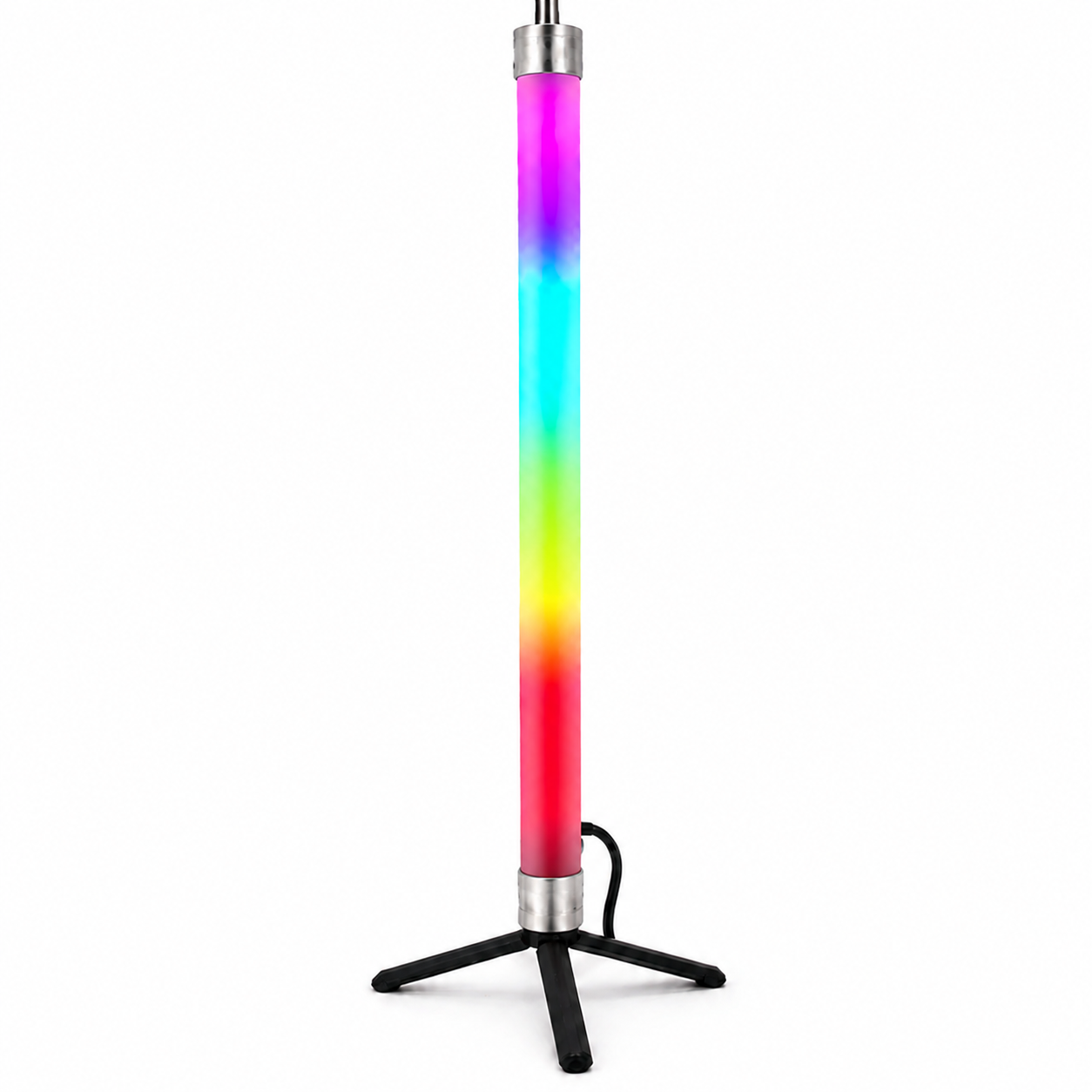
Color Change D22 360 Round Luminous Led Neon Tube
Color Change D22 360° Round Luminous Flexible Silicone Neon Tube
12V/24V black body 360-degree beam angle SPI addressable LED neon light designed for immersive entertainment spaces and accent lighting.
View Details
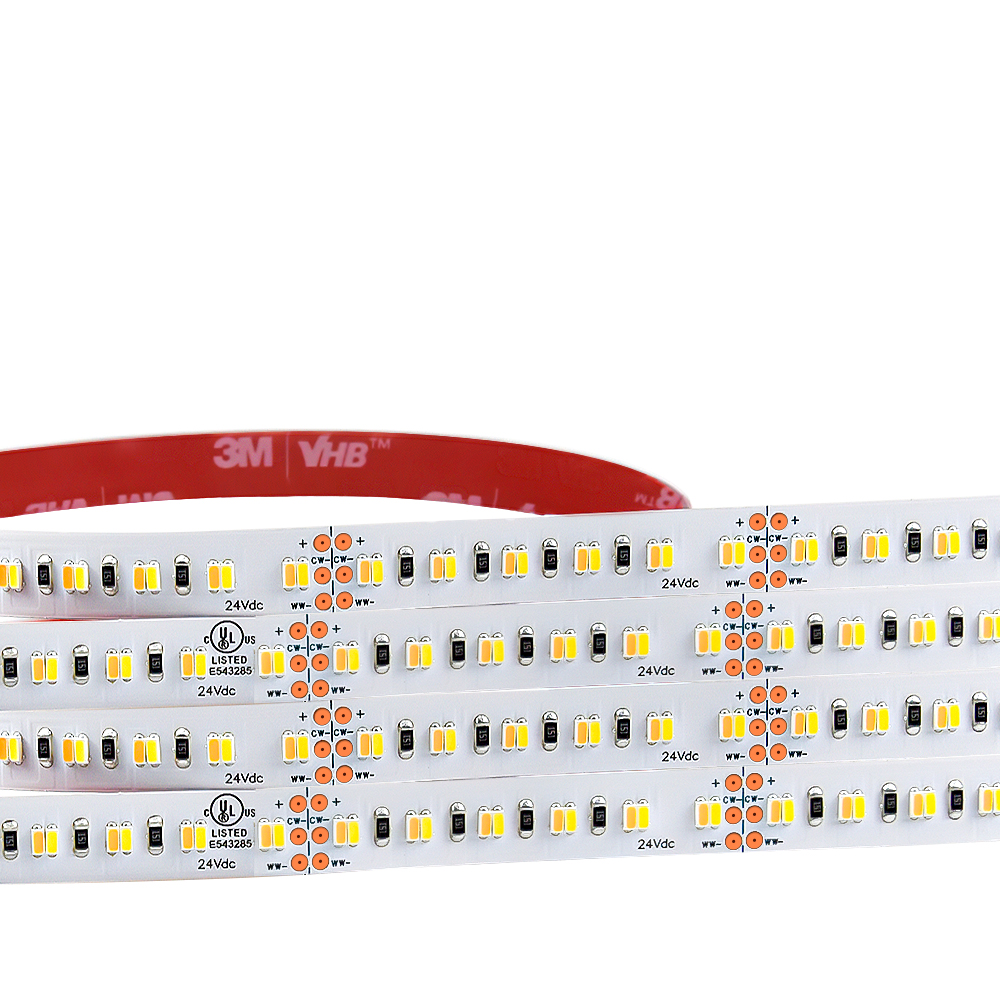
UL CUL Listed CRI95 Tunable White LED Strip
UL/cUL Listed CRI95 240LEDs/m Dual White Tunable Flex LED Tape
High-CRI SMD3014 2700K-6500K dynamic white LED tape tailored for luxury commercial and architectural illumination.
View Details
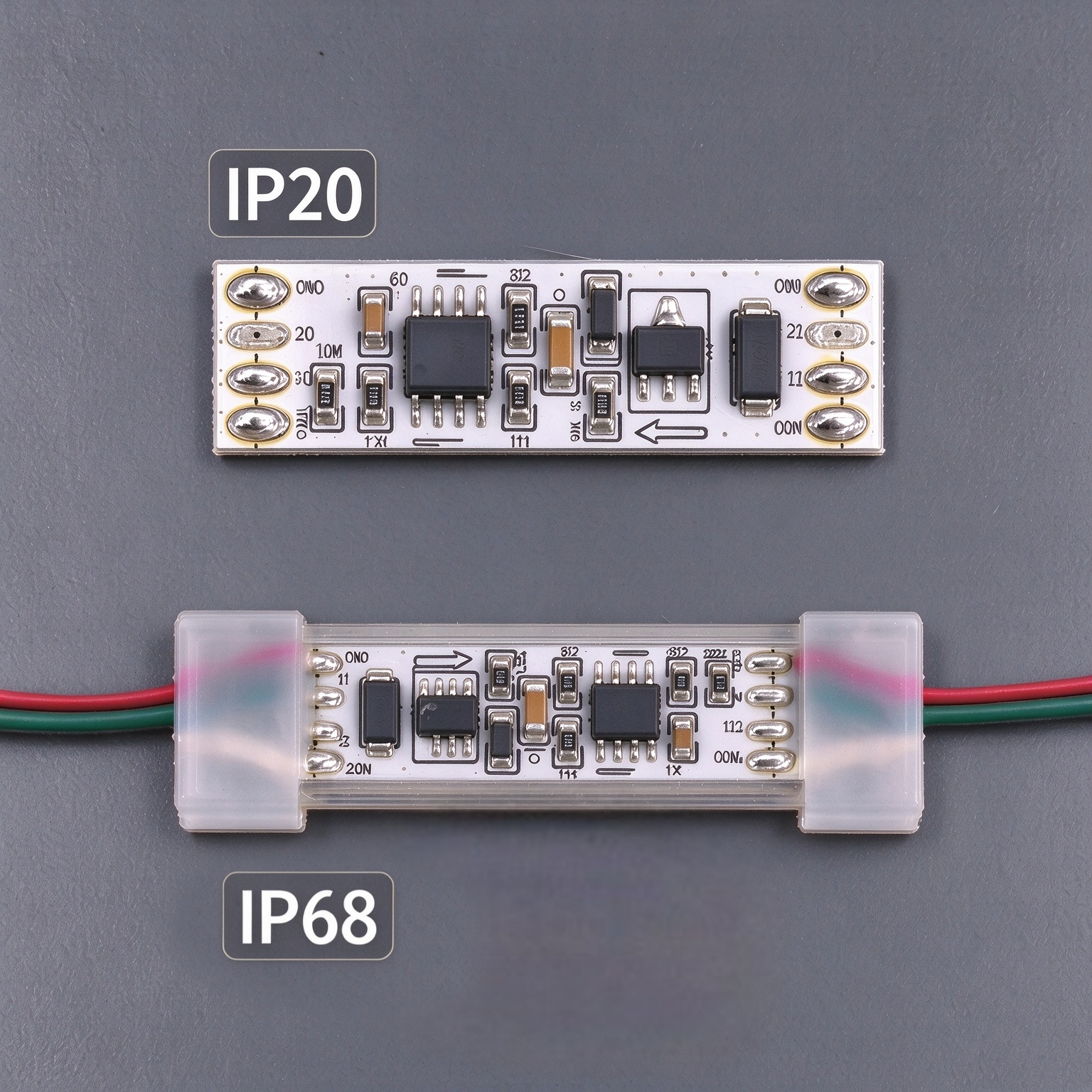
Programmable Led Data Booster Signal Amplifier
Programmable SPI LED Strip Signal Data Booster & TTL Amplifier
Compact mini signal booster compatible with WS2811, SK6812, WS2812b, UCS2904, and TM1814 for extending transmission distance without data corruption.
View Details
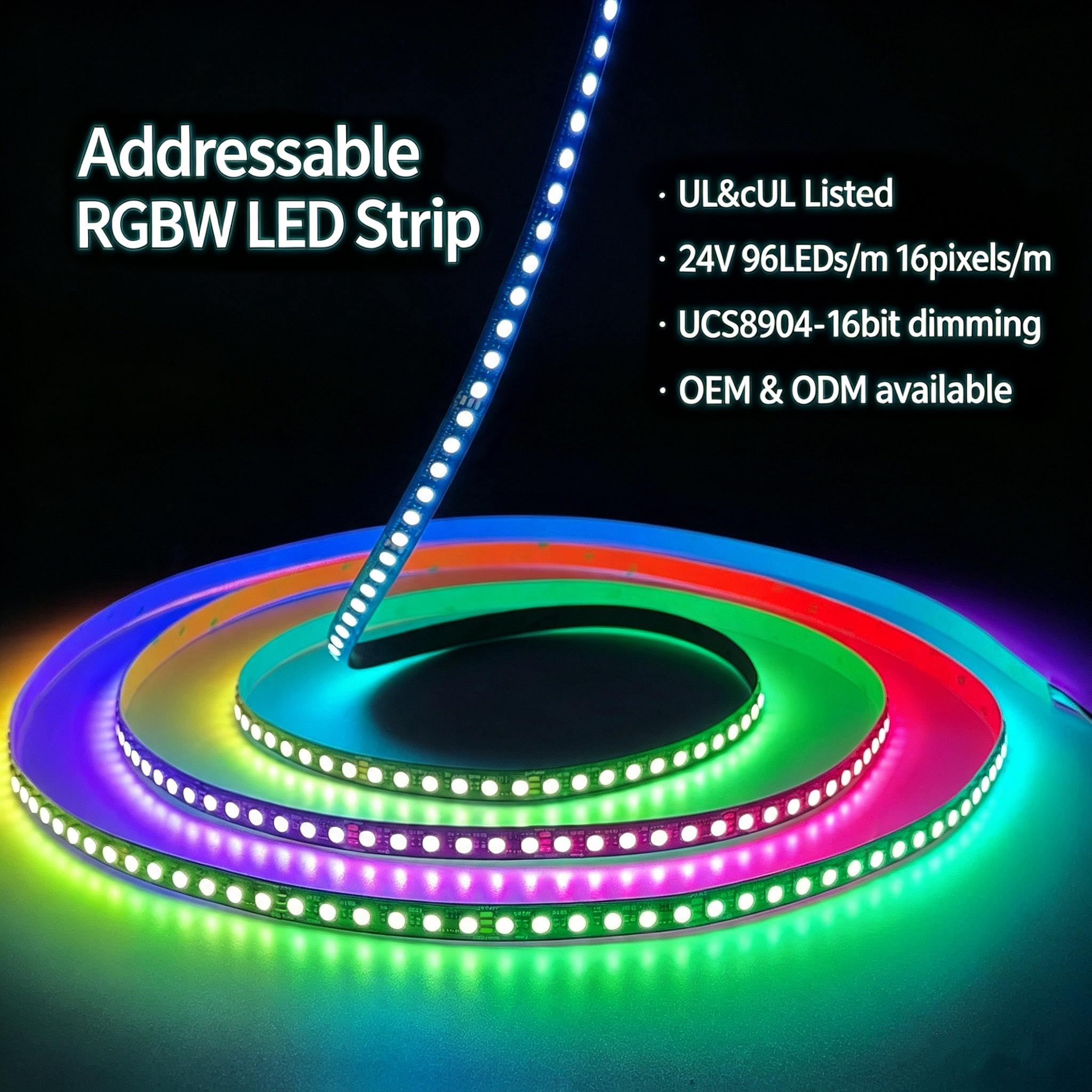
Addressable Real 16bit 65536 Grayscale UCS8904 LED Strip
Real 16-Bit 65536 Grayscale UCS8904 24V RGBW Pixel Strip
CRI95/CRI97 ultra-high fidelity 96LEDs/m addressable RGBW strip engineered for camera-ready studio, broadcast, and high-end lighting.
View Details
Flexible Slim 8mm Side View Silicon Diffuser Pixel Neon
Flexible Slim 8mm Side View WS2811/UCS1903 Silicon Neon Tube
06*12mm ultra-slim side-emitting silicon diffuser housing 120LEDs/m for precise linear lighting contouring.
View Details
360 Degree RGBW Hanging LED Pixel Bar Stage Light
1m 360° Round RGBW DMX/SPI Hanging Pixel Linear Tube Light
40mm diameter 24V linear pixel bar designed for 3D kinetic matrix ceiling visual effects in clubs, concerts, and stage shows.
View Details
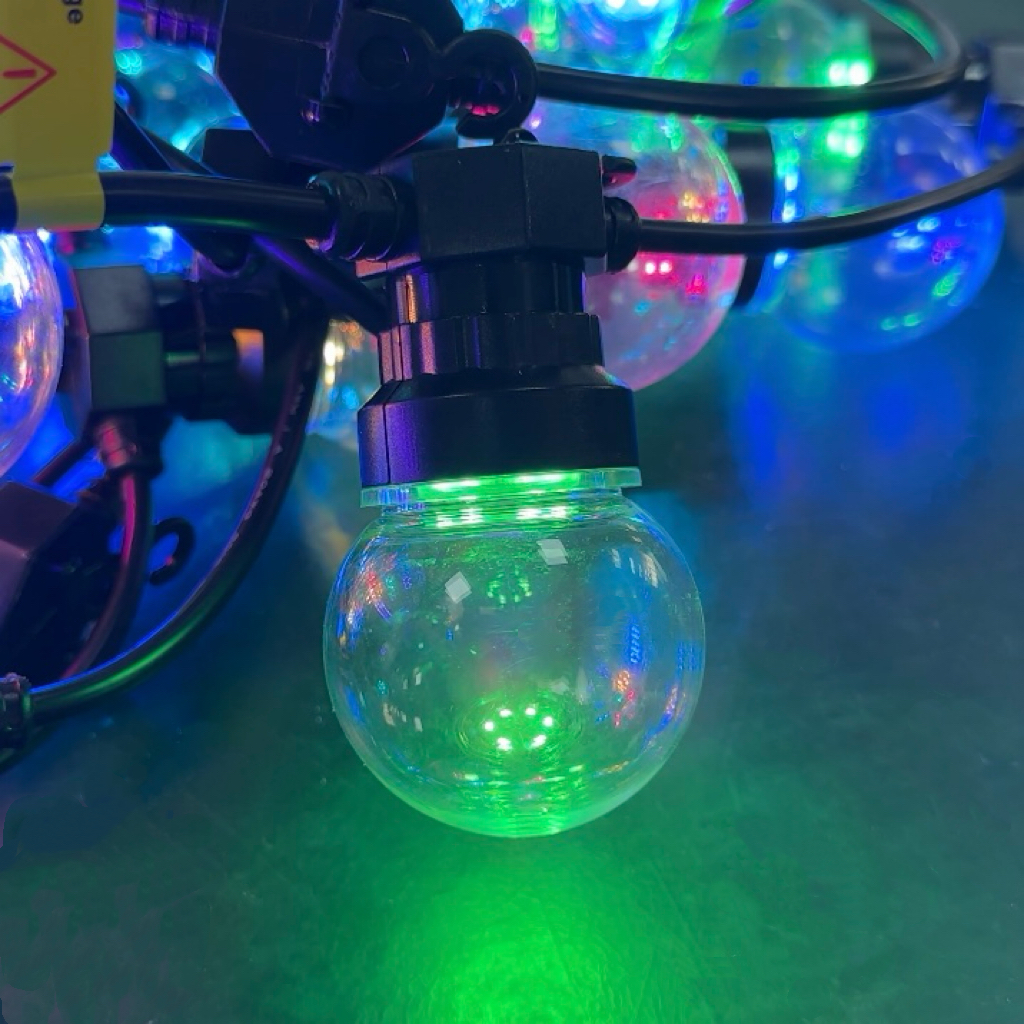
IP65 Addressable 3D G50 Clear RGBW UCS2904 Point Light
IP65 Addressable 3D G50 Clear RGBW UCS2904 Festoon Pixel Light
Transparent spherical pixel point bulbs generating 360-degree volumetric spatial effects for outdoor installations and media facades.
View Details
10+ Years
SGS Verified OEM Factory
65,536
16-Bit Grayscale Precision
100%
Full-Load Powered Aging QC
UL / cUL / CE
Global Compliance Standards

Industry Whitepaper: The Evolution of SPI Pixel LED Strips

Understanding signal transmission protocols, driver integrated circuit (IC) selection, thermal dissipation parameters, and custom manufacturing engineering for high-reliability addressable lighting.

SPI Protocol Engineering & Driver IC Architectures

Serial Peripheral Interface (SPI) addressable LED strips represent the backbone of contemporary dynamic lighting design. Unlike analog PWM LED tapes where an entire circuit board dims uniformly, SPI pixel LED tapes integrate dedicated micro-driver ICs within or adjacent to each LED emitter. This enables individual pixel control over color (RGB, RGBW, Tunable White) and brightness.

Standard single-wire NRZ (Non-Return-to-Zero) protocols such as WS2811, WS2812B, SK6812, and UCS1903 utilize tight data timing frames (typically 800kHz clock rates). While cost-effective for short decor runs, they are susceptible to cumulative timing jitter and signal degradation over long wiring runs. Premium OEM projects increasingly specify dual-data line protocols (e.g., WS2813, GS8208, or UCS8904 with break-continue transmission) to guarantee uninterrupted data integrity—if a single pixel IC fails, downstream pixels continue receiving command frames without disruption.

8-Bit vs. Real 16-Bit Grayscale & Camera Flicker Mitigation

A primary challenge in high-end television studios, theatrical productions, and architectural installations is low-end dimming performance. Standard 8-bit SPI ICs deliver 256 dimming steps per channel. At brightness levels below 5%, 8-bit ICs exhibit visible "stepping" or discrete jumps during light fades.

As a specialized manufacturer, Shenzhen Fuvin Led Technology Co., Ltd. leads the industry in deploying real 16-bit grayscale driver ICs such as the UCS8904 and UCS7604. By delivering 65,536 dimming levels per channel alongside Pulse Width Modulation (PWM) refresh frequencies exceeding 4kHz to 16kHz, our 16-bit addressable strips eliminate camera shutter banding, flickering on broadcast video feeds, and stepped color transitions during subtle ambient dimming.

SPI & DMX Protocol Technical Reference Matrix

A technical benchmarking breakdown for lighting designers, system integrators, and OEM procurement managers selecting driver IC platforms.
Driver IC Platform Protocol Type Color Channels Grayscale Depth PWM Frequency Signal Backup Primary Application Scenario
UCS2904 SPI Single-Wire RGBW (4 Channels) 8-Bit (256 Steps) ~1.2 kHz Standard Data Commercial architectural accents, festive lighting, decorative neon.
UCS8904 SPI Single-Wire RGBW / High-CRI 16-Bit (65,536 Steps) >8.0 kHz Dual-Data Break-Continue Broadcast TV, virtual production, high-end museum & theater lighting.
SK6812 SPI Built-In IC RGB / RGBW 8-Bit (256 Steps) ~1.2 kHz Single Data Line Custom matrix panels, edge-lit signage, high-density linear runs.
WS2814 SPI COB Format RGBW Integrated 8-Bit (256 Steps) ~2.0 kHz Redundant Data Dot-free continuous linear illumination, shallow aluminum channels.
DMX512 (UCS512) RS-485 Differential RGB / RGBW / White 8-Bit / 16-Bit >4.0 kHz Differential Bus Long-distance outdoor building facades, bridges, stadium media walls.

Future Sourcing & Development Trends in SPI Pixel Strips

Strategic insights for global B2B buyers preparing for regulatory updates, material advancements, and architectural requirements over the next decade.

1. Shift to High-Voltage DC24V/36V Step-Down Constant Current

Traditional 5V and 12V addressable pixel strips suffer severe voltage drop across long linear runs, requiring frequent electrical power injection taps every 2.5 to 5 meters. Procurement trends show a massive transition toward DC24V and DC36V addressable architectures utilizing step-down buck ICs on the flexible printed circuit board (FPCB).

By operating at higher system voltages, current draw drops proportionally, reducing copper thermal loss, enabling 10-to-15-meter single-ended power runs, and lowering overall installation labor and power supply count for commercial contractors.

2. Integrated COB (Chip-on-Board) SPI Pixel Tapes

While surface-mount (SMD5050 / SMD3535) strips remain widely specified, market demand is accelerating for Flip-Chip COB addressable SPI pixel strips. By wire-bonding LED chips directly onto the copper substrate and encapsulating them under a continuous phosphor silicone matrix, COB SPI strips achieve dot-free dynamic lighting even when mounted in ultra-shallow aluminum profiles.

Our OEM production lines integrate driver ICs (such as WS2814 or UCS8904) directly behind high-density COB arrays (up to 720 chips/m), offering spotless linear diffusion and high mechanical flexibility.

3. Co-Extruded UV-Stabilized Silicone Encapsulation

Environmental degradation of outdoor pixel lighting remains a significant warranty issue for importers. Traditional PVC and standard polyurethane (PU) sleeve jackets yellow, crack, and stiffen when exposed to ultraviolet (UV) radiation, severe temperature fluctuations, or saltwater environments.

The future of outdoor SPI neon and strip procurement relies entirely on integrated liquid silicone co-extrusion. Liquid silicone rubber (LSR) exhibits zero yellowing over 10 years, maintains flexibility from -40°C to +200°C, provides IP68 submersion protection, and offers self-cleaning anti-static surface properties.

Enterprise Strengths: Why Partner with Shenzhen Fuvin LED

Shenzhen Fuvin Led Technology Co., Ltd. is an SGS-verified custom manufacturer combining advanced manufacturing hardware with rigorous engineering standards.

Custom OEM/ODM Circuit Engineering

We do not simply resell catalog products; we design custom flexible and rigid printed circuit boards (FPCB/RPCB) tailored to your operational requirements. From specifying heavy-weight 3oz/4oz rolled copper layers to optimize heat dissipation, to engineering custom cut mark distances (1 LED per cut vs 6 LEDs per cut), custom PCB colors (Black, White, Transparent), and bespoke wire harness terminations.

Whether your project requires proprietary SPI pinouts, integration with ArtNet/sACN ethernet nodes, or custom constant-current driver IC footprints, our in-house electronic engineering team delivers quick-turn prototyping and validation.

Full-Process In-House Quality Assurance

Located in Shiyan, Shenzhen, our manufacturing facility operates under rigorous ISO quality control frameworks verified onsite by the SGS Group. Every production roll passes through a 12-step verification pipeline:

  • Incoming LED binning via integrating sphere spectrometers (SDCM < 3 MacAdam ellipses).
  • High-speed automated SMT placement with inline 3D SPI (Solder Paste Inspection) and AOI (Automated Optical Inspection).
  • 100% 24-Hour Powered Burn-in Aging under full load to eliminate early-life semiconductor failure modes.
  • Automated high-pot dielectric isolation and multimeter continuity testing.
  • Vacuum-sealed ESD moisture-barrier packaging for ocean and air freight integrity.

Frequently Asked Sourcing & Engineering Questions (FAQ)

Expert guidance addressing the technical, logistical, and compliance questions common among international buyers and lighting system specifiers.
Q1: What is the functional difference between UCS2904 and UCS8904 SPI pixel ICs?
Both ICs are designed for 4-channel control (typically RGB + White). However, the UCS2904 operates on an 8-bit grayscale protocol (256 brightness levels per channel), making it highly cost-effective for general commercial decorative lighting, accent cove lighting, and standard neon sign outlines. The UCS8904 is a true 16-bit grayscale driver IC delivering 65,536 dimming steps per channel with ultra-high PWM refresh frequencies (>8kHz). The UCS8904 is specifically engineered for film sets, broadcast studios, high-speed camera environments, and luxury architectural installations where low-brightness dimming smoothness is paramount.
Q2: How do I select between SPI addressable pixel strips and DMX512 pixel strips?
Select SPI (Serial Peripheral Interface) pixel strips for installations with concise cable runs (<10 meters from controller to strip) or projects requiring individual LED control at high pixel densities. SPI strips are economical and directly interface with pixel controllers or ArtNet-to-SPI gateways. Select DMX512 (e.g., UCS512 ICs) for large-scale outdoor building facades, bridges, or stadium displays where signal wiring spans long distances. DMX512 utilizes robust RS-485 differential signaling, resists electromagnetic interference, permits handheld address writing, and connects natively into professional lighting consoles (GrandMA, Avolites, ChamSys).
Q3: What engineering methods are used to prevent voltage drop on long SPI pixel runs?
To mitigate voltage drop, we recommend three complementary engineering strategies: First, specify higher voltage systems such as DC24V step-down IC addressable strips rather than DC5V or DC12V. Second, mandate heavy 3oz or 4oz copper FPCB traces during custom OEM manufacturing to decrease line resistance. Third, implement parallel power injection lines alongside the data line, feeding power at both ends of a 10-meter run or every 5 meters for high-wattage RGBW strips.
Q4: Can Shenzhen Fuvin LED manufacture custom pixel densities, PCB widths, and IP ratings?
Yes. As a direct OEM/ODM manufacturer, we offer complete customization services. We can engineer custom FPCB widths (e.g., ultra-slim 5mm or 8mm for narrow extrusion channels), custom LED densities (ranging from 30 LEDs/m up to 240 LEDs/m or 720 chips/m COB), custom LED CCT binning (1800K to 6500K), and tailored IP ratings including IP20 indoor dry, IP65 nano-spray coating, IP67 silicone tube extrusion, and IP68 solid liquid-silicone fully-encapsulated submersible strips.
Q5: What international compliance certifications are available for customs clearance?
Our manufacturing facility is onsite verified by the SGS Group. Products supplied by Shenzhen Fuvin Led Technology Co., Ltd. are manufactured in full compliance with RoHS hazardous substance restrictions and carry CE EMC and LVD certification reports with official Declarations of Conformity (DoC). Furthermore, select addressable strip series and constant-voltage drivers carry UL and cUL listings for seamless inspection clearance in North American commercial construction markets.
Q6: How does signal redundancy (Break-Continue) function in SPI pixel lighting?
In standard single-data SPI strips (e.g., WS2811), if a single LED or driver IC suffers electrical or mechanical damage, data transmission breaks entirely at that point, causing all downstream LEDs in the series to lose signal and turn off. In dual-data break-continue strips (e.g., WS2813, GS8208, or UCS8904 with backup data lines), the IC features a primary data input (DI) and a secondary backup data input (BI). If an individual IC fails, the backup line bypasses the damaged chip and continues transmitting command frames to the remaining pixels, maintaining 100% operational uptime during live events.

Start Your Custom OEM/ODM SPI Pixel Project Today

Contact our senior engineering and sales team for technical consultation, custom PCB layout requests, sample evaluations, or competitive factory-direct pricing quotations.

Contact Us