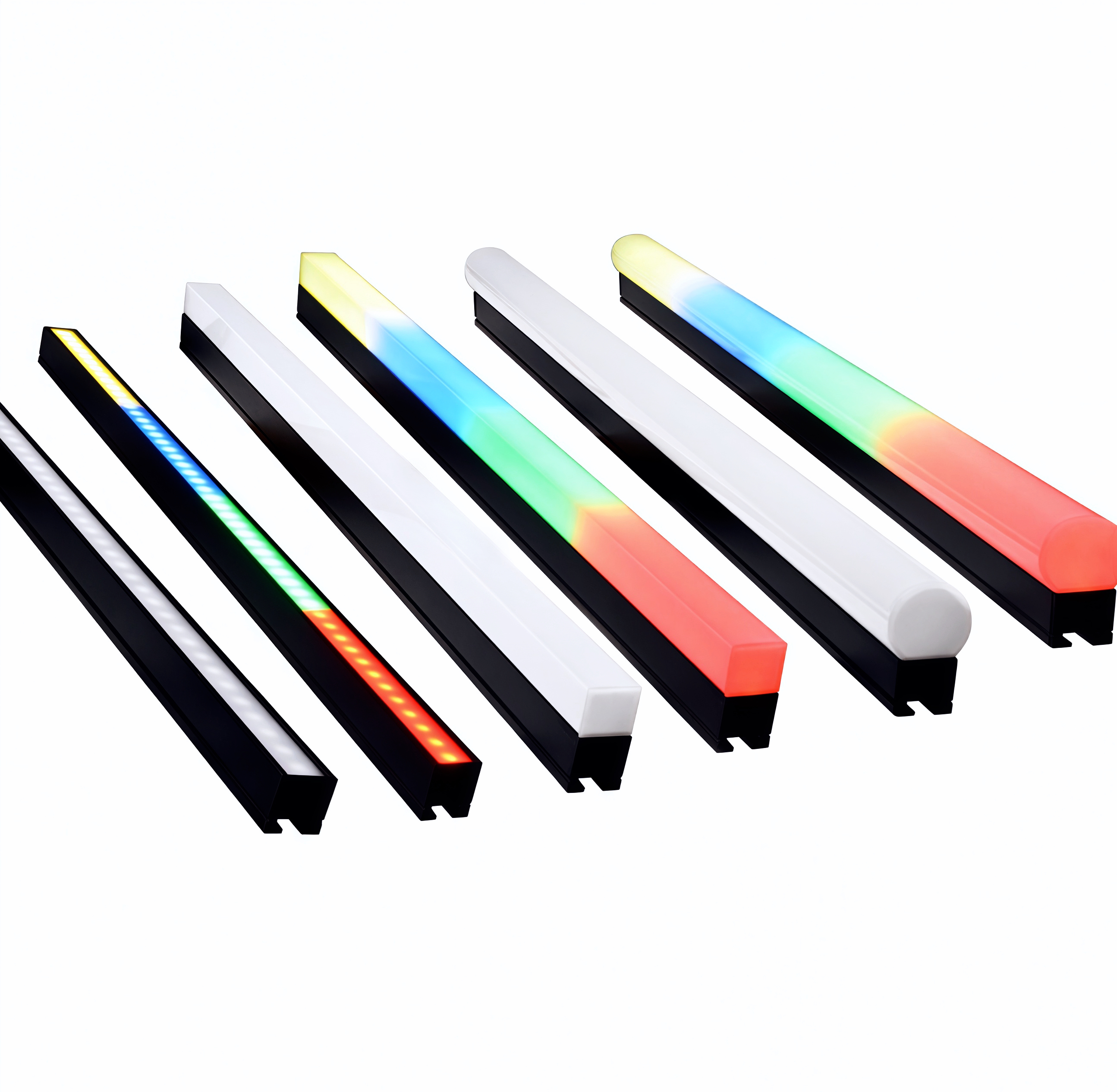
Engineered with high color fidelity (CRI>95, R9>80), zero-flicker PWM dimming, and custom PCB binning for commercial lighting distributors and system integrators.
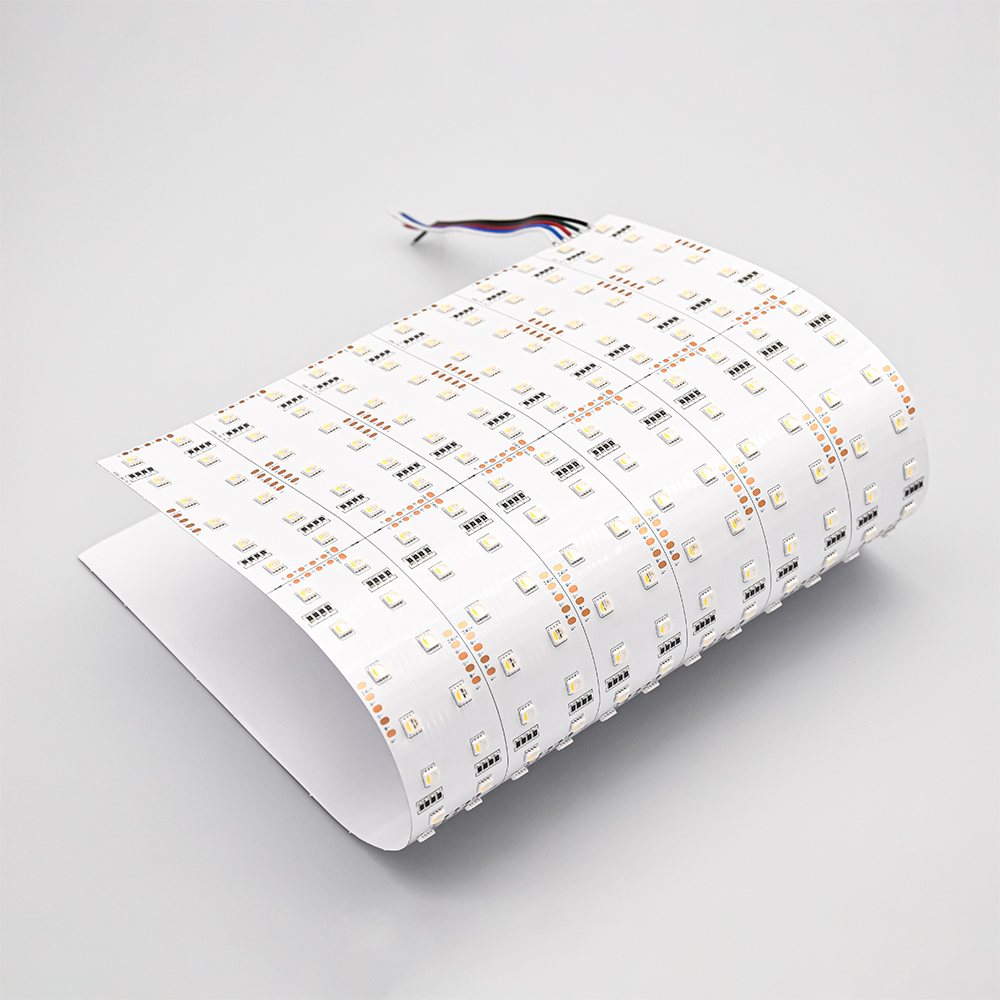

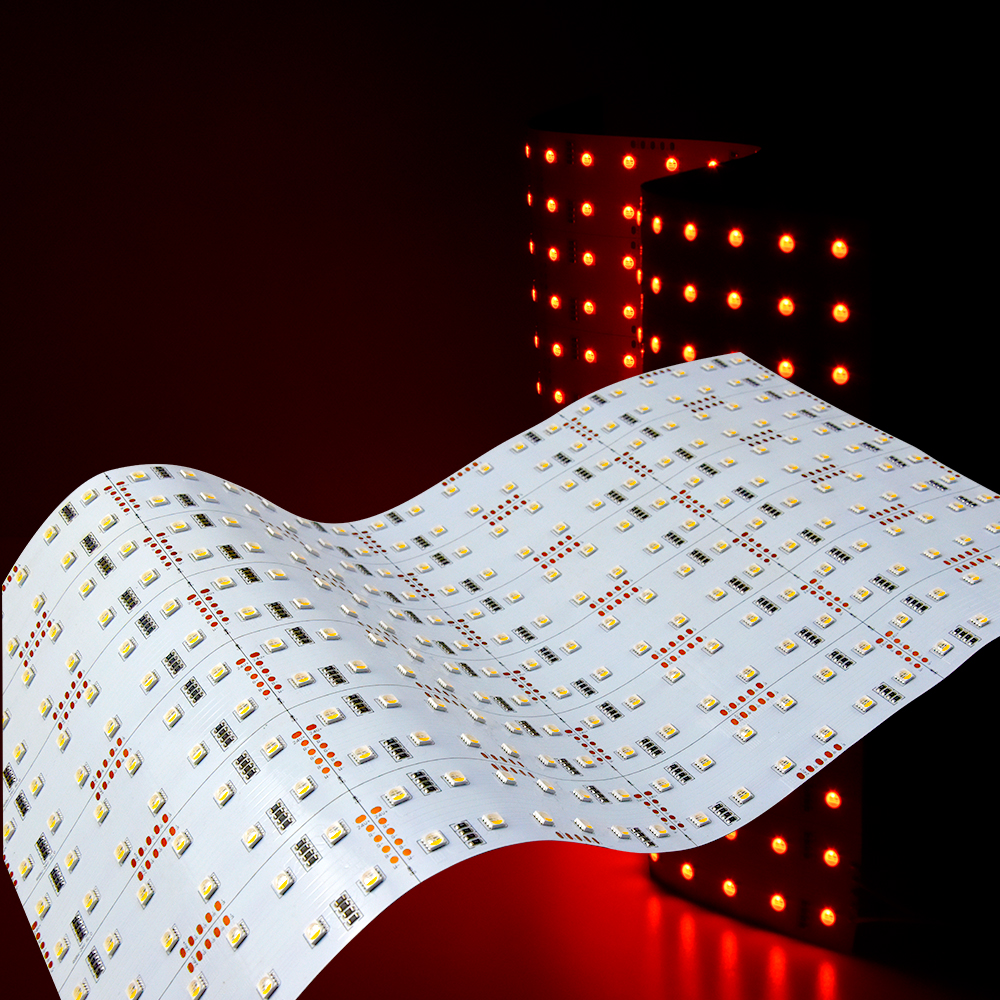
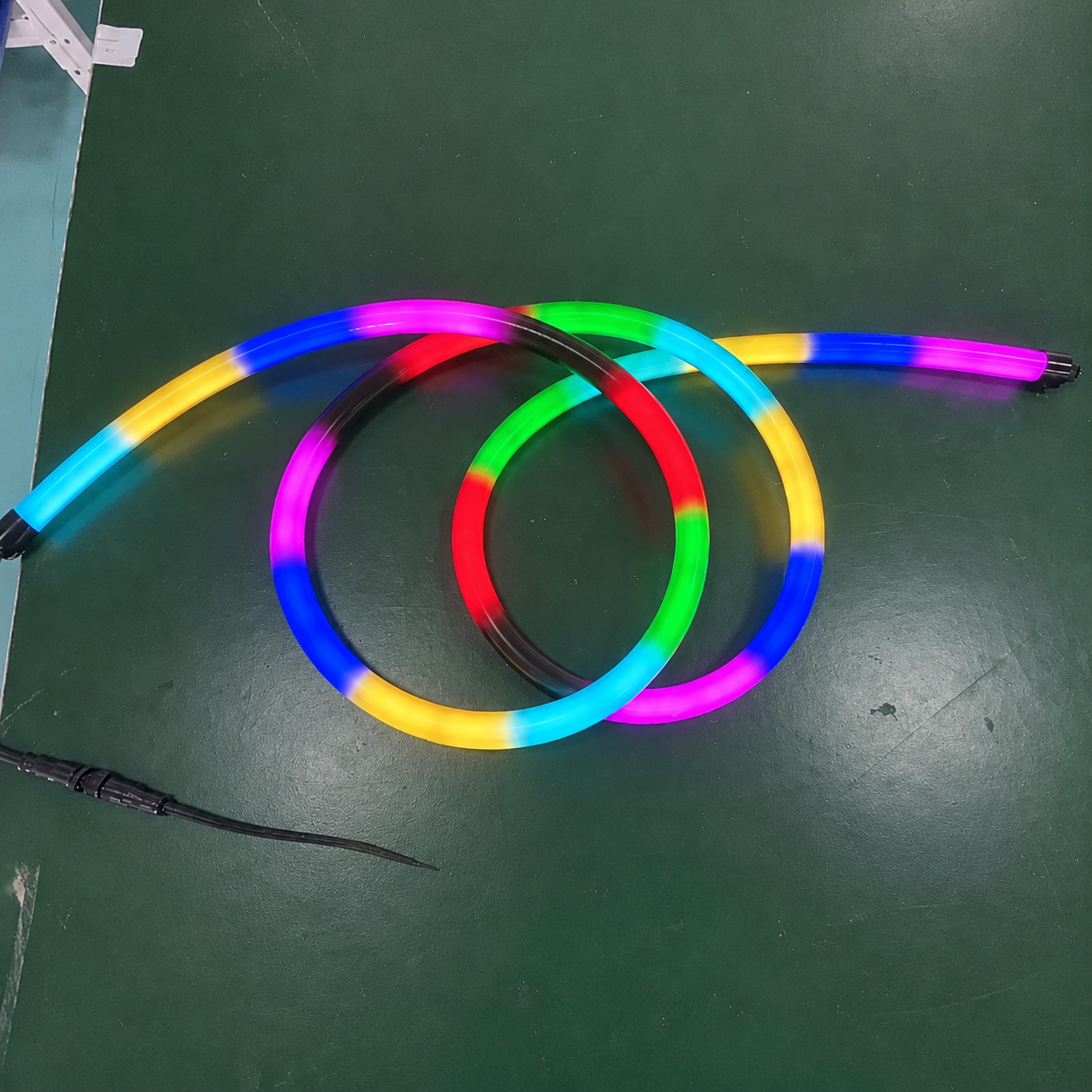
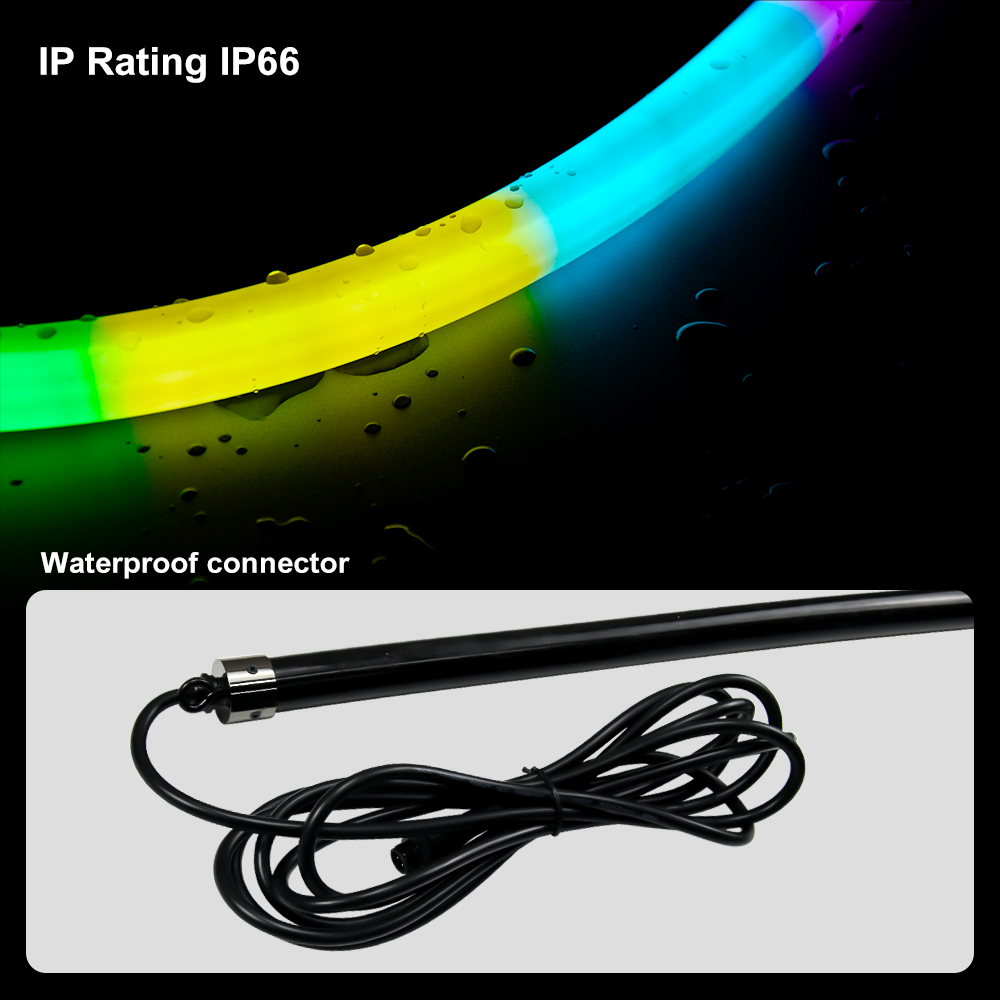
In modern architectural, commercial, and human-centric lighting (HCL) design, the transition from fixed color temperatures to dynamic, dual-channel Tunable White (CCT adjustable) LED strip lights represents one of the most critical technological evolutions. As global B2B buyers—ranging from lighting OEMs, luminaire manufacturers, electrical wholesalers, to commercial lighting specifiers—evaluate production partners in China, the decision criteria extend far beyond price-per-meter. Engineering depth, spectral purity, color consistency over extended operating lifetimes, thermal dissipation architectures, and protocol integration govern long-term procurement success.
Tunable white technology enables continuous adjustment of Correlated Color Temperature (CCT), typically panning across 1800K to 6500K, 2700K to 6500K, or specialized ultra-warm 1800K to 3000K (Dim-to-Warm) spectra. Achieving seamless transitions along the Planckian Locus without unwanted green or pink tint shifts requires rigorous LED chip binning.
Standard commercial LED strips often suffer from chromaticity drift across batch deliveries due to wide MacAdam ellipse tolerances (5-step SDCM). Professional-grade OEM manufacturing enforces strict 3-Step or 2-Step MacAdam Ellipse binning. By pairing warm white emitter chips (e.g., 2200K / 2700K) with cool white emitter chips (e.g., 6500K) selected from identical chromaticity bins, factory customizers guarantee visual uniformity across thousands of continuous meters.
| CCT Tuning Spectrum | Primary Application Profile | Chromaticity Binning | Color Rendering Index (CRI/TM-30) | Typical Control Protocol |
|---|---|---|---|---|
| 1800K - 3000K (Dim-to-Warm) | Luxury Hospitality, Residential Coves, Dining | 2-Step MacAdam (SDCM < 2) | CRI Ra>95, R9>80, Rf 93, Rg 101 | Phase-Cut / 0-10V / DALI-2 DT8 |
| 2700K - 6500K (Standard CCT) | Commercial Offices, Retail Stores, Healthcare | 3-Step MacAdam (SDCM < 3) | CRI Ra>90 / Ra>95 Available | PWM Dual Channel / DMX512 / Casambi |
| 2200K - 5000K (Custom Architectural) | Museums, Art Galleries, Exterior Facades | 2-Step MacAdam (SDCM < 2) | CRI Ra>98, R9>95, TM-30 Rf 96 | DALI-2 DT8 / DMX512 RDM / Matter |
| RGB + CCT 5-in-1 Chipset | Immersive Venues, Stage, Multi-Scene Spaces | 3-Step MacAdam (SDCM < 3) | CRI Ra>90 (White Channels) | SPI Addressable / DMX512 / ArtNet |
The technical landscape for CCT linear lighting is undergoing rapid advancements across three core domains:
A. Chip-on-Board (COB) vs. High-Density SMD2835 Dual-Core: Traditional SMD LED strips placed alternating warm and cool chips, which required diffuse covers to eliminate visible pixel spotting. Next-generation Flip-Chip COB Tunable White strips integrate hundreds of dual-color diodes directly onto a continuous phosphor layer. This achieves 100% dot-free linear output even inside shallow aluminum extrusions (<10mm depth).
B. High-Density Copper PCB Substrates: Thermal management is the single greatest factor impacting lumen maintenance and chromaticity stability. Premium OEM manufacturers utilize double-sided Flexible Printed Circuits (FPC) with 3oz or 4oz pure rolled copper layer thickness. High copper density minimizes electrical resistance, reduces voltage drop across 10-meter runs, and maintains junction temperatures below 65°C under continuous duty.
C. High-Fidelity Color Rendering (TM-30-18 Standards): Beyond basic CRI Ra, enterprise specifications now require evaluating TM-30-18 color fidelity ($R_f$) and gamut ($R_g$) metrics alongside critical saturated red ($R_9$) values. High-CRI tunable white strips manufactured by Shenzhen Fuvin LED ensure natural skin tone representation, enhanced merchandise vibrant display, and reduced optical strain in human-centric circadian workplace environments.
How leading lighting brands, distributors, and engineering contractors are optimizing their OEM/ODM supplier selection.
Wholesalers are rapidly moving away from simple 2-channel analog PWM controllers toward integrated digital protocols. Modern CCT flexible strips must be fully compatible with DALI-2 Device Type 8 (DT8) drivers—allowing color temperature control over a single DALI address—as well as Matter-over-Thread and Casambi wireless systems. OEM suppliers offering pre-tested driver-strip bundles reduce integration risk for system contractors.
To eliminate color shift caused by tail-end voltage drops on extended linear runs, procurement trends show a major surge in constant-current (CC) integrated IC LED tapes. Operating on 24V DC or 48V DC, these strips feature onboard linear driver micro-ICs per cut segment, delivering 100% identical light intensity and CCT accuracy from the power feed entry point to the 15-meter mark.
Distributors serving European and North American markets face tightening environmental regulations. Enterprise procurement mandates full compliance with EU ErP energy efficiency labeling, RoHS3, REACH, and UL2108 / UL8750 safety certifications. Supplier auditing now prioritizes factories equipped with spectrophotometers and aging test tracks to verify lumen maintenance (LM-80 data reports).
SGS-verified custom OEM/ODM manufacturer specializing in high-precision LED strip engineering, addressable pixel lighting, and professional control systems.
Operating from our production hub in Shiyan, Shenzhen, our facility undergoes strict independent onsite verification by SGS Group. Equipped with high-speed automated SMT lines, ultrasonic welding machines, and vacuum sealing lines, we guarantee continuous industrial precision across high-volume OEM orders.
We transform complex client lighting specifications into production-ready solutions. From custom PCB widths (4mm to 50mm), customized LED density (60 to 700 LEDs/m), tailored voltage configurations, to private-label silk-screening and custom packaging reels, our technical engineering team delivers prototypes within 48 to 72 hours.
Every reel produced in our factory passes a stringent 12-step quality assurance workflow. Raw materials undergo incoming LED spectroradiometer tests, followed by automated soldering quality checks, a 100% full-load 48-hour burn-in aging process, and high-voltage insulation dielectric testing prior to vacuum moisture-proof packaging.
With an established trade network spanning Western Europe, North America, Oceania, and the Middle East, Fuvin LED supports lighting designers, system integrators, and stage production rental houses. We provide free engineering advice on power injection calculations, signal amplifier layouts, and controller protocol selection.
When requesting an OEM quotation, buyers should specify: (1) CCT Range (e.g., 2700K-6500K or 1800K-3000K Dim-to-Warm); (2) Desired Color Rendering Index (CRI Ra>90, Ra>95, or TM-30 Rf/Rg requirements); (3) Voltage rating (DC12V, DC24V, or DC48V constant current); (4) PCB specifications (FPC width, copper weight 2oz/3oz/4oz, white/black solder mask); (5) Ingress Protection level (IP20 indoor, IP65 silicone coating, IP67 hollow silicone tube, or IP68 solid extrusion); and (6) Control interface preference (Dual PWM, DALI-2 DT8, or DMX512).
We maintain strict binning control by sourcing LED chips directly from top-tier chip encapsulators with single-bin LED commitments. All incoming LED reels undergo spectroradiometric testing before SMT assembly. For standard production runs, we guarantee 3-Step MacAdam Ellipse (SDCM < 3), ensuring that separate orders placed months apart display zero visually perceptible chromaticity difference when installed side-by-side.
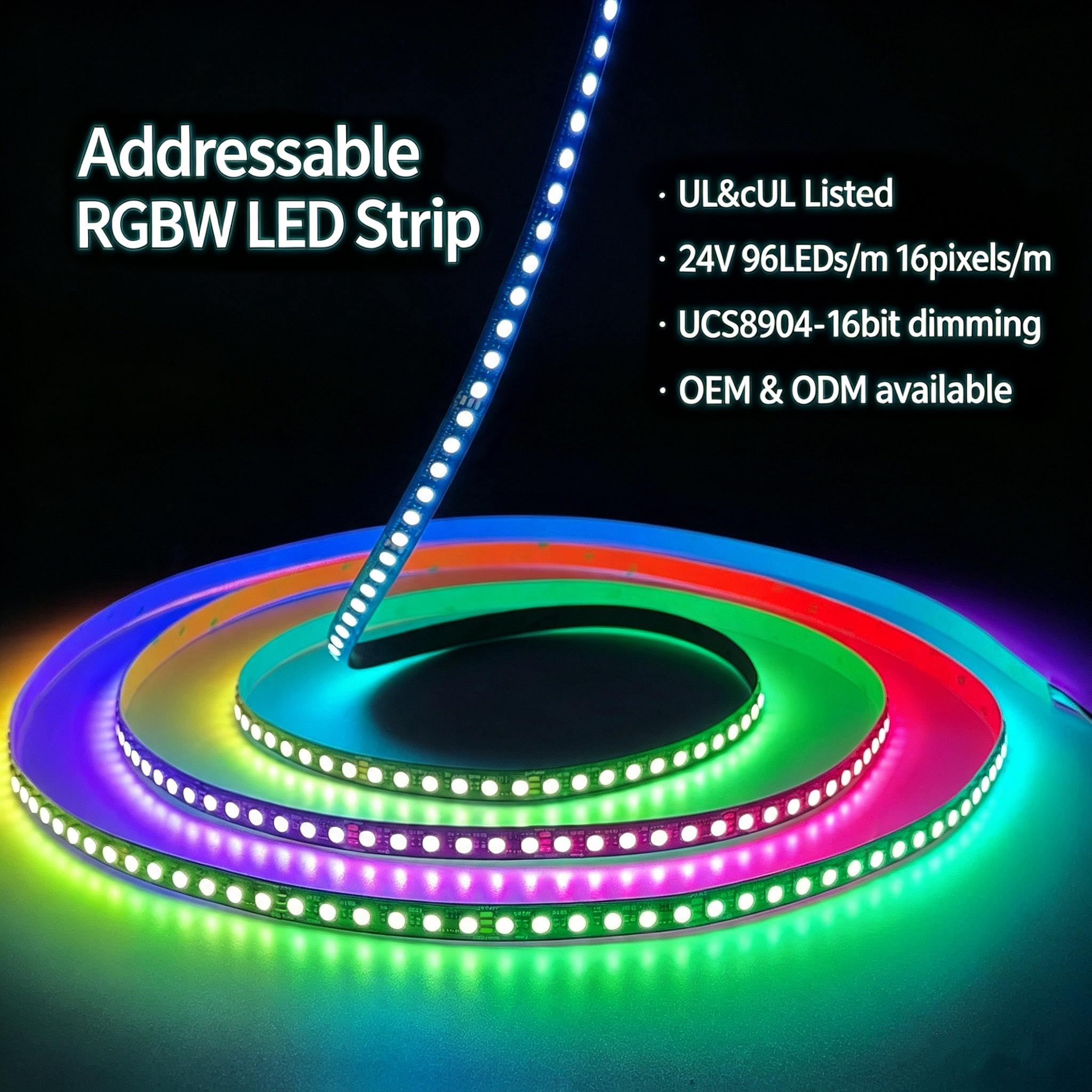
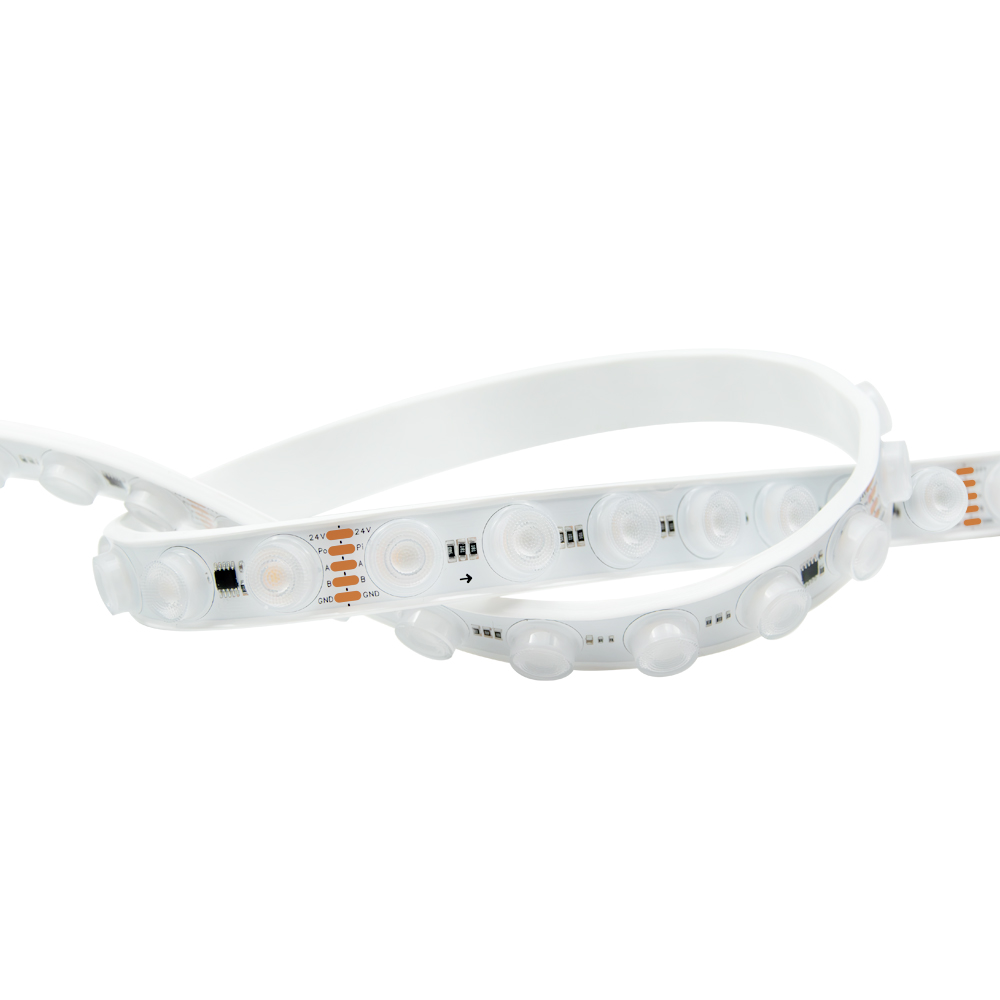
Standard analog PWM Tunable White strips change color temperature across the entire reel simultaneously via 2 positive/negative lines connected to a CCT dimmer. Digital SPI pixel strips (such as UCS8904 or UCS2904 RGBW/CCT) feature integrated micro-driver ICs placed along the PCB strip. This allows individual cut-segment addressability, enabling complex color-chasing, gradient spectrum waves, and video mapping effects controlled via ArtNet or DMX systems.
For standard catalog products, our MOQ starts as low as 10 meters to support initial project testing. For custom OEM/ODM solutions—including custom PCB layouts, private logo printing, customized wire harnesses, or proprietary silicone extrusion profiles—our standard production MOQ is typically 500 to 1,000 meters. Sample prototypes can be produced and shipped within 3 to 5 working days following engineering drawing sign-off.
Broadcast studios and stage environments demand flicker-free operation under high shutter speeds. We engineer high-frequency driver ICs (such as UCS8904 16-bit grayscale series) and match them with pulse-width modulation (PWM) rates up to 32kHz. This complies with IEEE 1789-2015 flicker standards, eliminating banding, stroboscopic artifacts, and camera sensor interference during live HD television recordings or slow-motion video captures.
Send your project specification, custom drawing, or procurement inquiry directly to our engineering team in Shenzhen. Receive tailored pricing, spectroradiometer test reports, and sample kits within 24 hours.
 Shenzhen, Guangdong, China