Directly engineered for commercial stage performance, architectural lighting facades, and smart entertainment spaces. Discover our SGS-verified addressable strip series below:

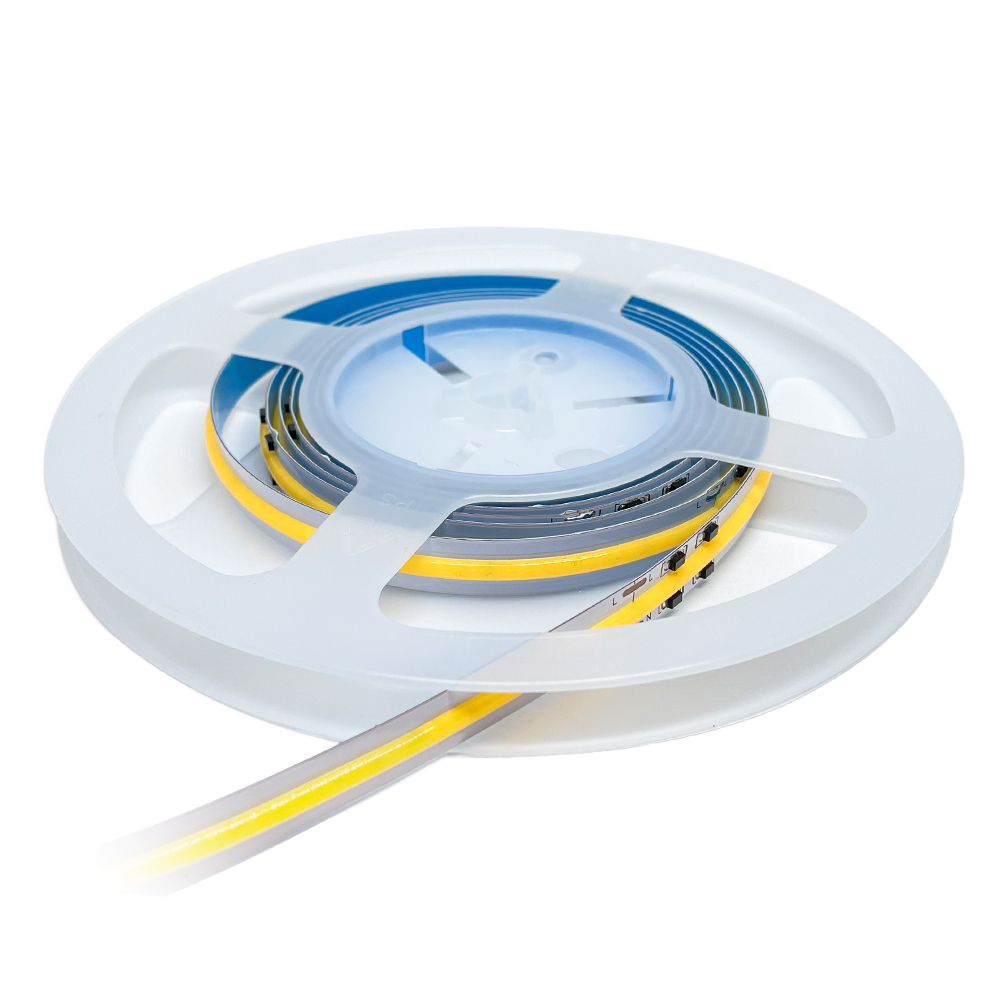
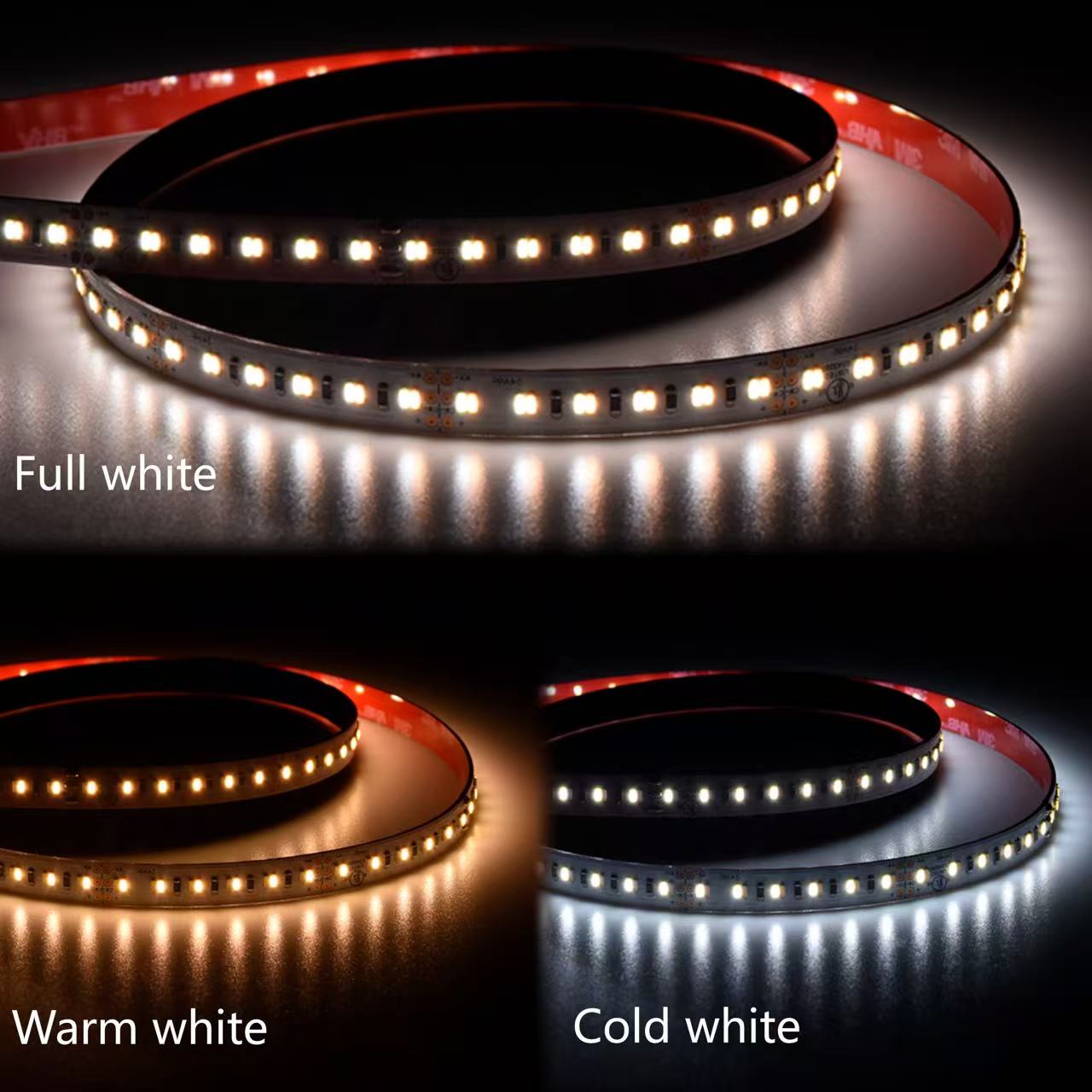

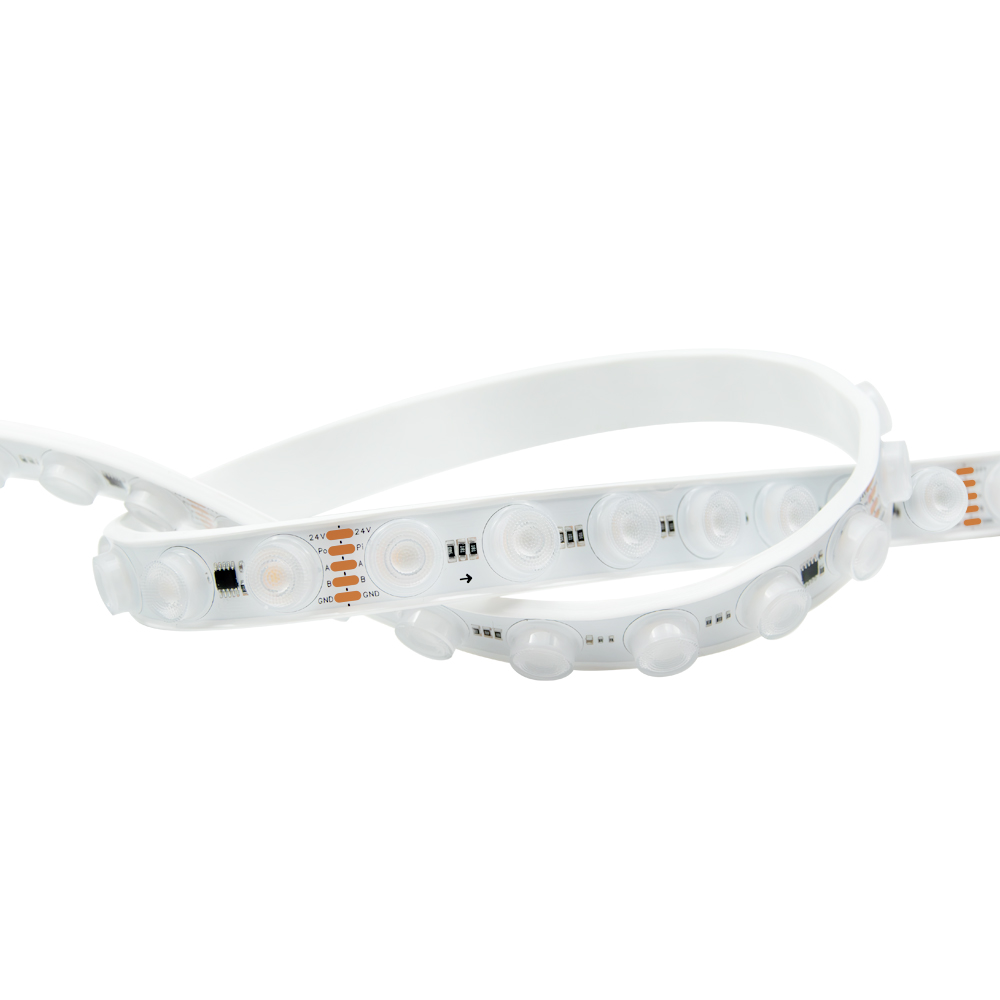
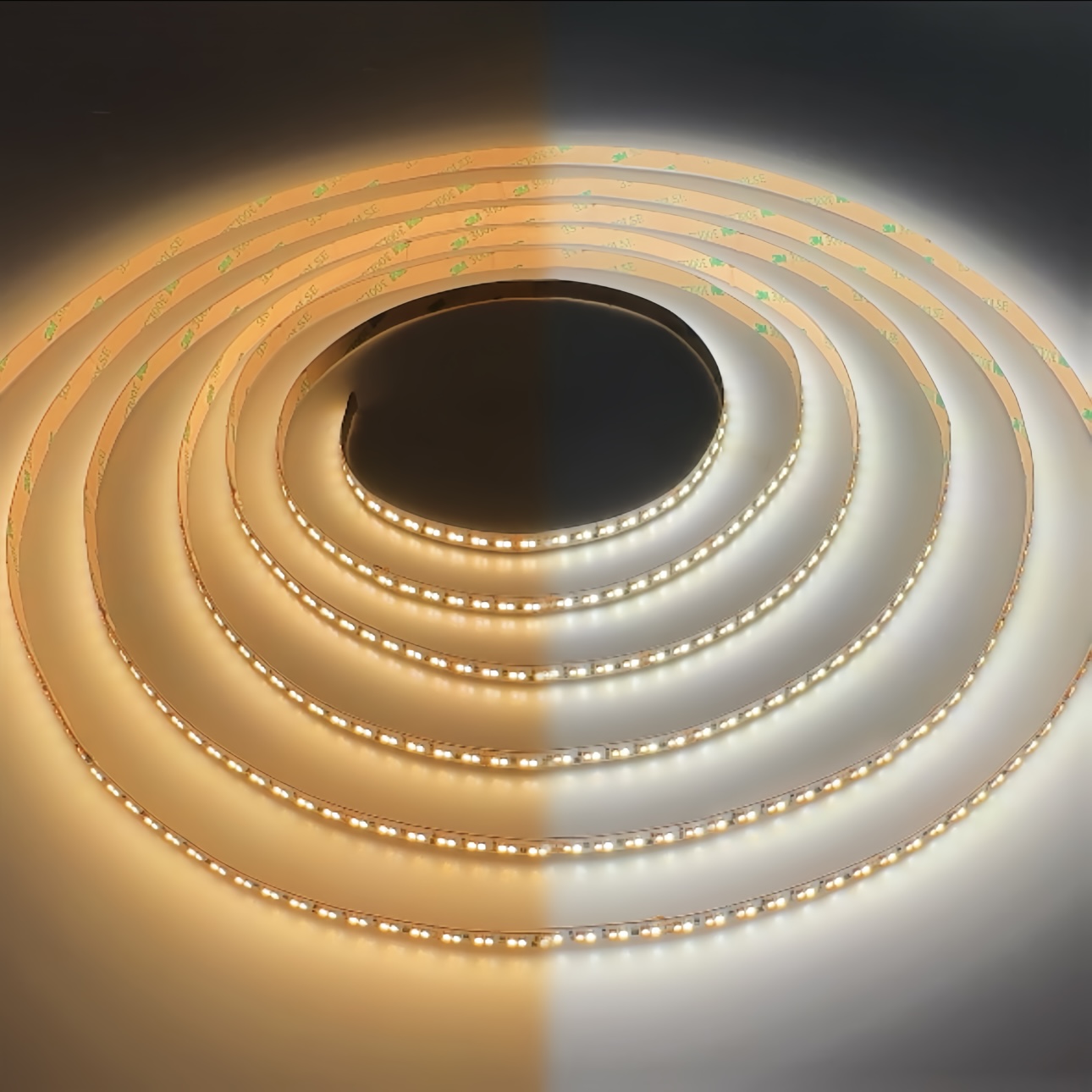
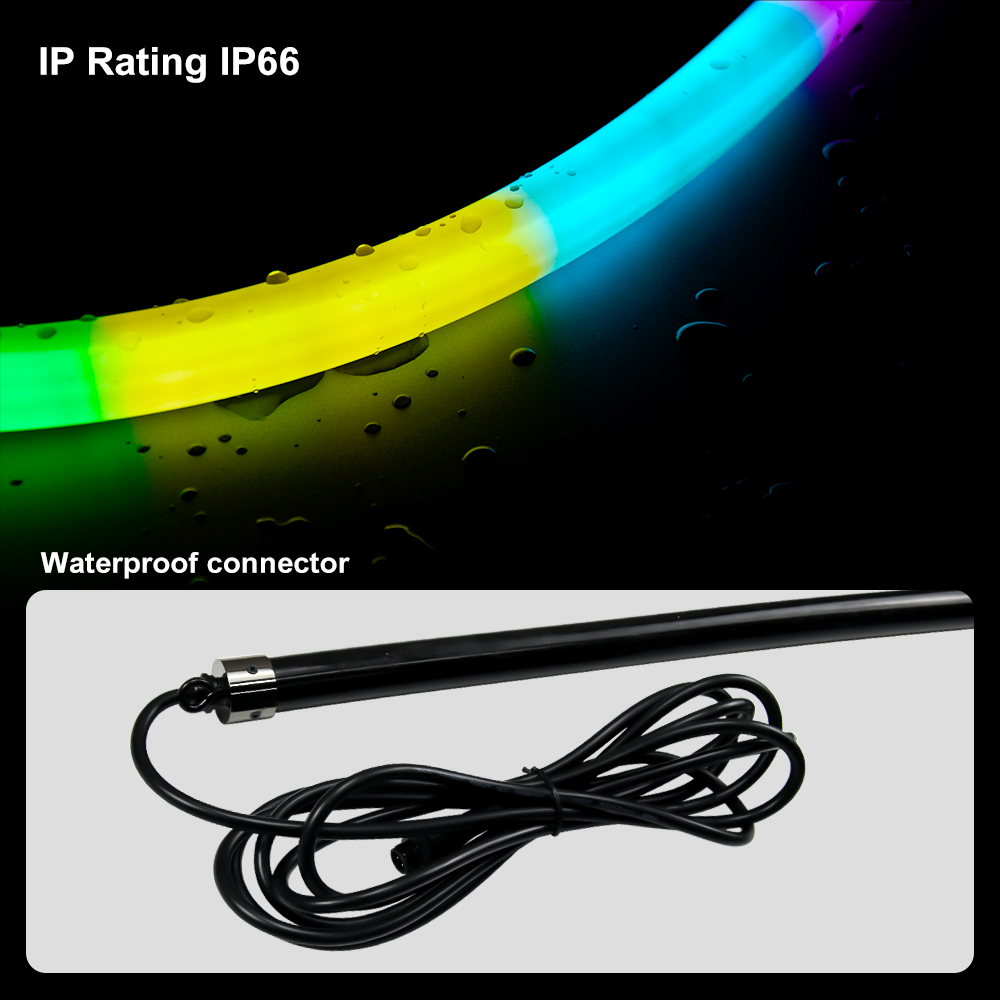
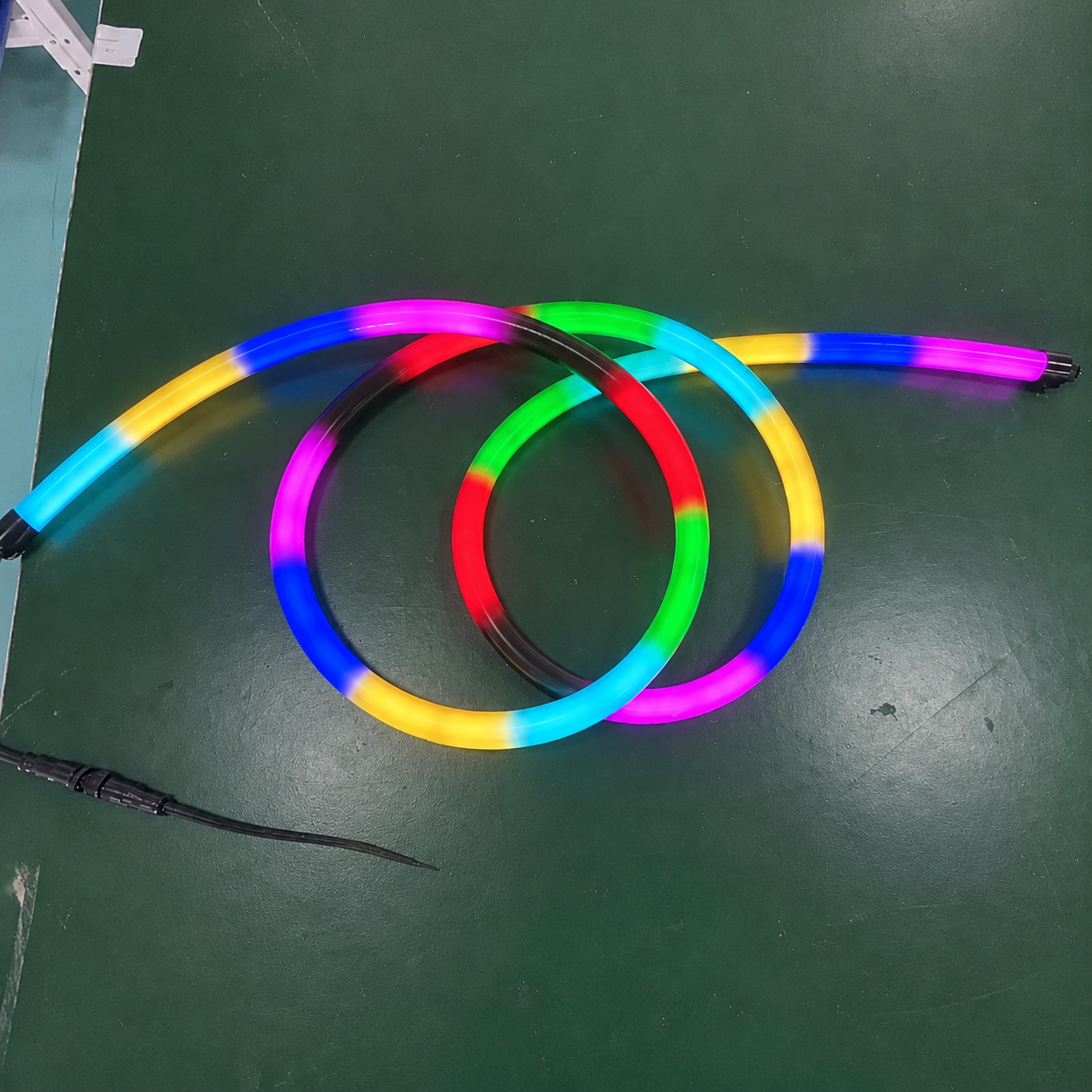
The global architectural and entertainment lighting ecosystem is undergoing an unprecedented transition. Traditional analog PWM (Pulse Width Modulation) LED strips, which operate uniformly across entire circuit runs, are rapidly being replaced by Addressable Digital LED Pixel Strips. These smart light ribbons integrate micro-integrated circuits (ICs) directly alongside LED chips or embedded inside the LED packaging itself, permitting individual pixel control over color, dimming, and dynamic running water chase effects.
As commercial procurement managers, lighting designers, and system integrators source from primary OEM hubs—most notably Shiyan Street, Shenzhen, China—evaluating supplier benchmarks requires a deep understanding of protocol dynamics, thermal management, copper weight, and driver chip resolution. This industry benchmark report analyzes the top digital LED strip exporters, outlining critical performance metrics, engineering trends, and verified vendor advantages.
Advanced IC protocols such as UCS8904 and UCS7604 deliver 65,536 dimming steps, eliminating low-end dimming stepping and camera flicker during HDTV broadcast production.
Built for long-distance immunity against electromagnetic interference (EMI). Allows direct connection to lighting consoles without signal degradation over long cable runs.
Superior UV stability, chemical resistance, and non-yellowing protection compared to traditional PVC or epoxy encapsulation, achieving true outdoor IP67/IP68 performance.
Selecting a tier-1 manufacturing partner requires looking beyond unit pricing. Based on Google E-E-A-T principles, real-world project auditing, and ISO/SGS manufacturing compliance, leading LED exporters are benchmarked against four foundational pillars:
Top-tier exporters maintain direct technical partnerships with IC foundries (such as Unicision, Worldsemi, and Titan Micro). They offer specialized IC variants including UCS2904 (8-bit RGBW), UCS8904 (16-bit high-resolution RGBW), WS2814 (COB RGBW), and TM512AC / UCS512 (DMX512). Factories that only produce basic WS2811 or SM16703 lack the versatility required for complex architectural visual installations.
Digital strips carry both heavy DC power current and sensitive high-frequency SPI/DMX data signals. Benchmark factories utilize 2oz or 3oz double-sided rolled-annealed copper FPCs (Flexible Printed Circuits). Superior copper density minimizes voltage drop across long linear runs, preventing end-of-line color shifting and thermal breakdown of driver chips.
Addressable strips contain hundreds of micro-solder joints per meter. Premium exporters deploy 100% automated optical inspection (AOI), SMT high-speed pick-and-place precision, and continuous 8-to-24-hour powered thermal aging tests before vacuum packaging to identify and eliminate early LED or IC failures.
Rigorously audited exporters hold verified onsite reports from international testing bodies like SGS Group. Essential certification frameworks include CE (EMC & LVD directives), RoHS compliance, and model-specific UL/cUL listing for North American commercial building codes.
To assist procurement engineers and lighting designers in making informed component selections, the table below contrasts the main digital IC protocols deployed by leading Shenzhen strip factories:
| IC Protocol | Signal Type | Color Channels | Grayscale Depth | Operating Voltage | Target Application |
|---|---|---|---|---|---|
| UCS2904 | SPI Data | RGBW (4 Ch) | 8-Bit (256 Level) | DC 12V / 24V | Commercial decor, outdoor string lights, coves |
| UCS8904 | SPI Data | RGBW (4 Ch) | 16-Bit (65,536 Level) | DC 5V / 12V / 24V | Stage performance, broadcast studio, low-fade dimming |
| UCS7604 | SPI Data | RGBW / WWA | 16-Bit (65,536 Level) | DC 12V / 24V | Flicker-free architectural ambient & museum lighting |
| WS2814 | SPI Data | RGBW (COB) | 8-Bit (256 Level) | DC 12V / 24V | Dot-free continuous linear glow, cabinet & garden coves |
| UCS512 / TM512AC | DMX512 (RS-485) | RGB / RGBW | 8-Bit / 16-Bit | DC 12V / 24V | Facade wall washing, bridges, municipal venue systems |
Headquartered in Shiyan Street, Shenzhen, China (4th Floor, Building B, No. 44 Kengwei Avenue), Shenzhen Fuvin Led Technology Co., Ltd. stands out among export manufacturers as a high-precision custom engineering facility. verified onsite by SGS Group, Fuvin LED specializes in custom addressable pixel lighting solutions, DMX512 architectural systems, and 360-degree silicone neon technologies.
As the B2B procurement market evolves, buyers and distributors must align their supply chains with upcoming technological advancements. Research indicates four prominent shifts through 2030:
Traditional SMD pixel strips present visible hot spots unless paired with deep aluminum diffusers. Modern addressable COB strips (like the WS2814 series) package 720 to 784 micro-chips per meter directly under a continuous phosphor silicone matrix. This achieves completely dot-free linear color chasing, even in slim profiles.
Large-scale media facades require tens of thousands of individual pixels. Sourcing trends favor suppliers offering complete ecosystem compatibility—pairing digital LED tapes directly with multi-universe Art-Net to SPI/DMX controllers, enabling seamless video mapping via software like Resolume, Madrix, and TouchDesigner.
The global push toward eco-friendly building standards has triggered a transition away from PVC encapsulation. Food-grade, environmentally inert liquid silicone extrusions provide higher thermal dissipation, resistance to salt spray and chlorine, and extended resistance to UV cracking.
To reduce power injection points and labor costs during installation, factory R&D teams are engineering stable 24V and 48V addressable pixel circuits. Higher voltage reduces line current, minimizing heat and permitting single-ended power runs up to 15–20 meters without visible intensity decay.
Both driver ICs control 4-channel RGBW pixel arrangements over a serial SPI data protocol. However, UCS2904 operates with 8-bit color resolution (256 dimming steps per channel), making it ideal for general commercial and holiday lighting. UCS8904 features true 16-bit dimming engines (65,536 dimming steps per channel), enabling ultra-smooth low-brightness color transitions required by stage lighting, TV broadcast, and high-end architectural projects.
Choose SPI digital strips (e.g., UCS2904, SK6812, WS2814) for compact runs or installations managed by local pixel controllers, as they offer lower per-meter costs. Choose DMX512 strips (e.g., TM512AC, UCS512) for large outdoor building facades, bridges, or projects integrated with professional DMX consoles. DMX512 uses differential RS-485 signals that resist long-distance interference and allow addressing via handheld DMX writers.
Voltage drop occurs due to internal copper resistance in long linear FPCs, resulting in dimming or inaccurate colors toward the end of the tape. To mitigate this, top manufacturers use dual-layer 2oz or 3oz copper FPCs, utilize 24V operating circuits instead of 5V/12V, and recommend power injection every 5 to 10 meters depending on LED density.
Fuvin LED provides comprehensive OEM/ODM customization including custom FPC width and copper thickness, bespoke LED density (e.g., 60, 96, 120, or 240 LEDs/m), custom IC integration, tailored wire lengths and waterproof IP ratings (IP20, IP65, IP67, IP68), as well as client logo printing on FPC silkscreens, labels, and reel packaging.
Yes. Products manufactured by SGS-verified suppliers are accompanied by CE EMC/LVD compliance certificates, Declarations of Conformity (DoC), and RoHS test reports. Specific addressable strip series and CCT dual-white series are also UL/cUL listed for North American market entry.
Need customized addressable pixel strips, 16-bit low-fade tapes, or 360° silicone neon tubes for your next project? Speak directly with our engineering team today.
Contact Us Shenzhen, Guangdong, China