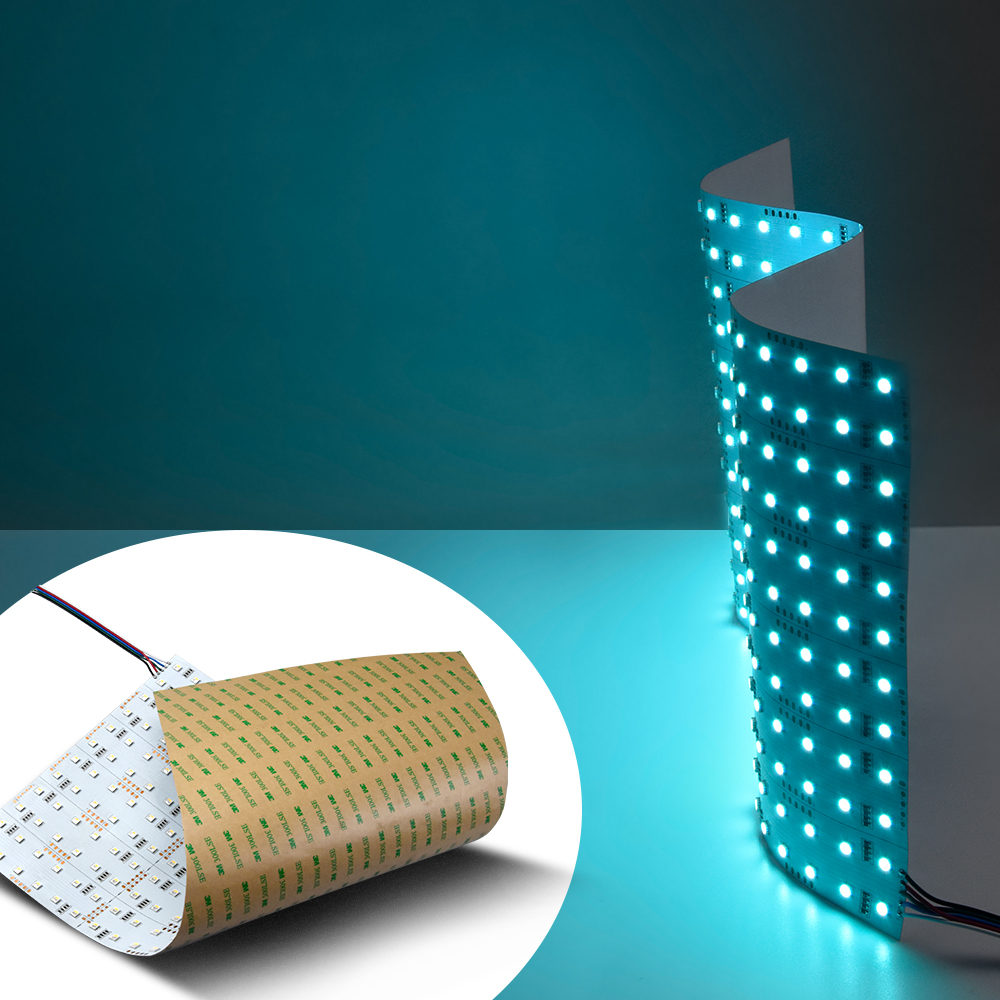
Explore high-precision dimmable LED tapes, digital addressable pixel strips, flexible sheets, and control hardware engineered for commercial, stage, and architectural projects.
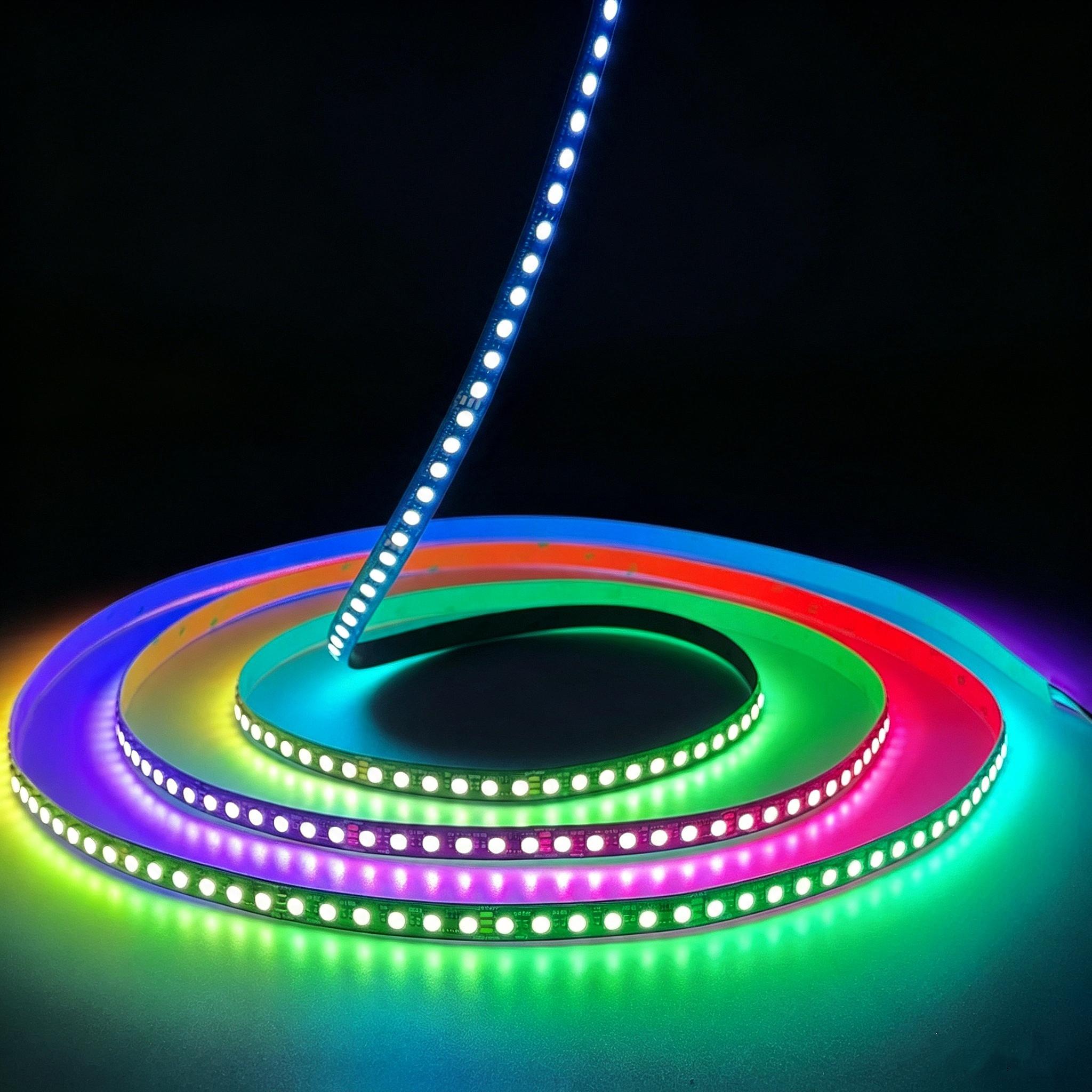
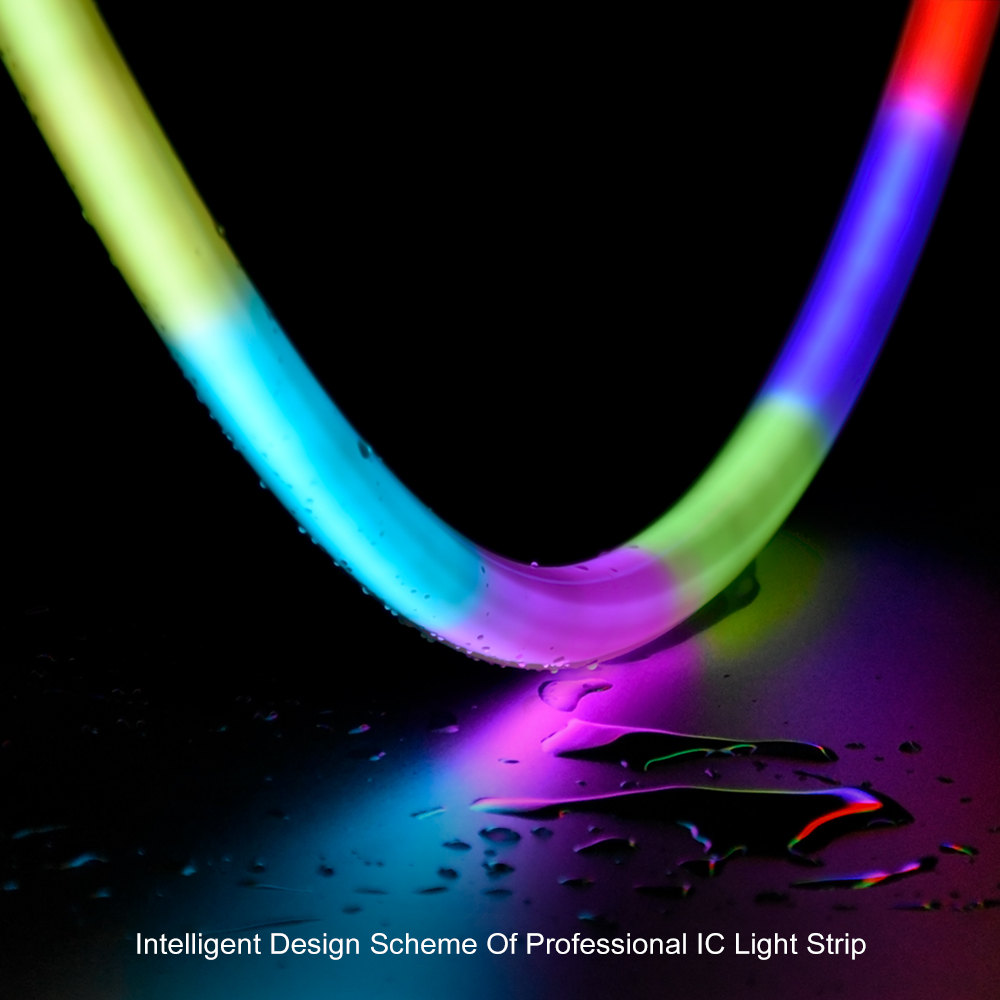
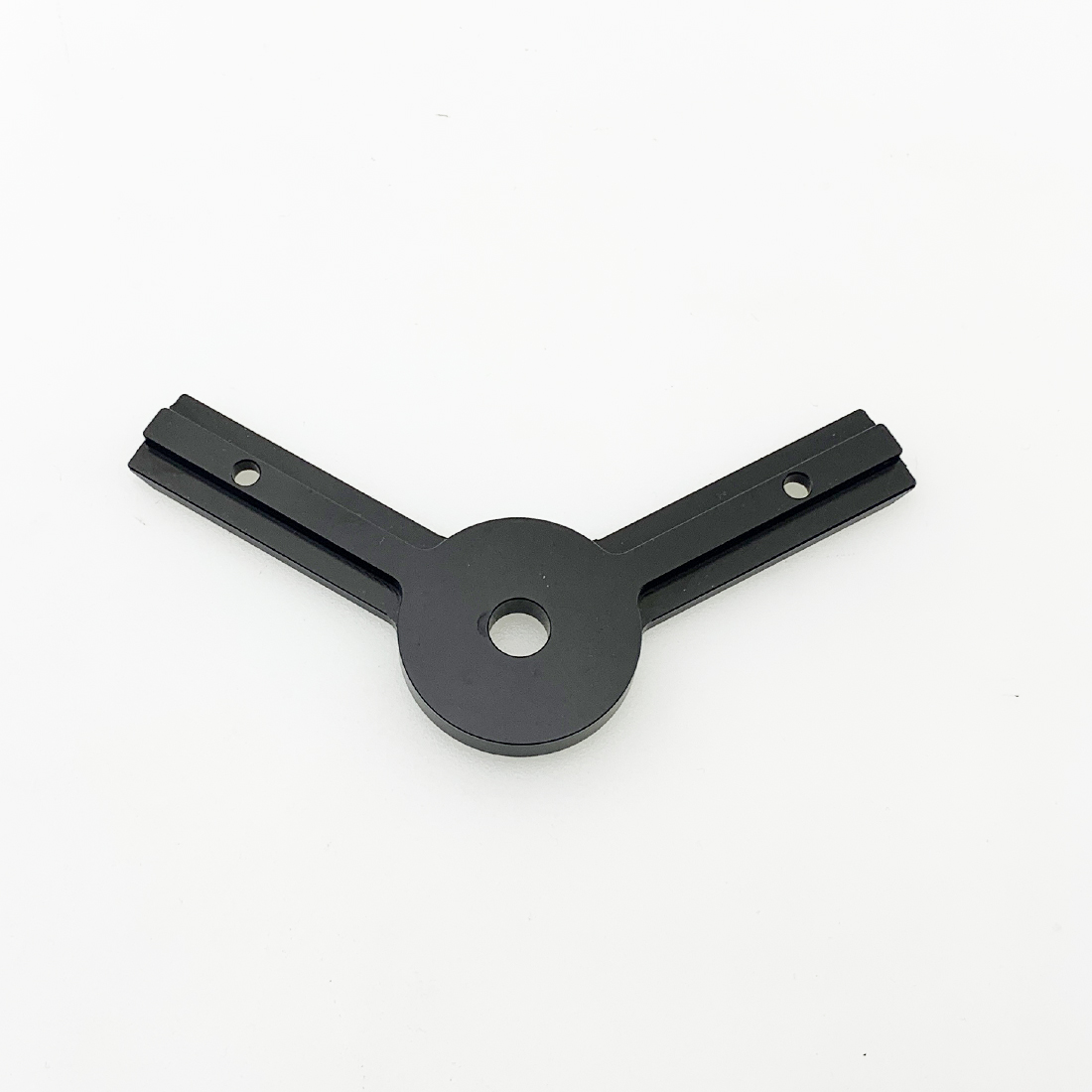
As architectural lighting transitions from simple illumination to human-centric, dynamic, and media-integrated design, dimmable LED strip systems have become critical technical infrastructure.
The global market for dimmable flexible LED strips is undergoing a paradigm shift driven by four primary technological vectors: higher resolution grayscale dimming (transitioning from legacy 8-bit to professional 16-bit digital protocols), high-density COB (Chip-on-Board) packaging, dynamic spectral tuning (Tunable White and Dim-to-Warm), and integrated intelligent field protocols (DMX512, DALI-2, and ArtNet/SPI). B2B procurement managers, lighting designers, and electrical contractors can no longer evaluate suppliers solely on per-meter pricing. Technical evaluation must encompass thermal dissipation co-efficiencies, voltage drop compensation, driver IC stability, and color consistency measured in MacAdam Ellipse steps.
When specifying linear dimmable lighting for hospitality, luxury retail, broadcast studios, or exterior architectural facades, the underlying dimming architecture dictates project success. Incompatible PWM (Pulse Width Modulation) frequencies can lead to severe stroboscopic flicker on high-speed cameras, audible driver hum, or abrupt step-changes at low intensity levels (<1% dimming threshold). Selecting a qualified manufacturer requires verifying OEM capability, onsite compliance audits (such as SGS or TÜV verification), and strict adherence to UL2108/UL8750 safety standards.
Understanding the engineering trade-offs between analog PWM, 0-10V, DALI-2, DMX512, and 16-Bit Digital SPI protocols is essential for specifying optimal driver-strip combinations.
| Protocol / Method | Dimming Range & Resolution | Flicker Risk (Camera/TV) | Wiring Complexity | Max Cable Distance | Best Application Scenarios |
|---|---|---|---|---|---|
| Analog PWM (Constant Voltage) | 1% - 100% (8-bit / 256 steps) | Medium to High (depends on kHz) | 2-wire (+ / -) | < 10 Meters (Voltage Drop) | Residential cove, simple under-cabinet accent lighting |
| 0-10V / 1-10V Dimming | 5% - 100% (Analog Curve) | Low | 4-wire (Power + Signal) | < 30 Meters | Commercial office retrofits, standard commercial spaces |
| DALI-2 (IEC 62386) | 0.1% - 100% (Logarithmic) | Zero (High Frequency) | 2-wire polarity-free bus | Up to 300 Meters | Smart buildings, luxury hotel guest rooms & lobbies |
| DMX512-A / RDM | 0.1% - 100% (8-bit or 16-bit) | Zero (Configurable Refresh) | 3-pin RS-485 Differential | Up to 100M without Repeater | Architectural facades, entertainment venues, stage rigs |
| Digital SPI (Real 16-Bit UCS8904B) | 0.0015% - 100% (65,536 steps) | Absolute Zero Flicker | 3/4-wire (Data, Clock, GND) | < 15M (SPI) / Unlimited via ArtNet | Broadcast studios, high-end theater, pixel mapping arrays |
Standard 8-bit LED strips only provide 256 discrete brightness levels. At human eye sensitivity thresholds below 5% output, each step change is visually harsh, causing noticeable jump cuts during dynamic scene transitions. Real 16-bit dimming ICs (such as the UCS8904B algorithm) multiply grayscale resolution to 65,536 steps, enabling ultra-smooth, logarithmic dimming curves down to 0.0015%. This eliminates stepping entirely, meeting broadcast-level camera standards (IEEE 1789-2015).
Strategic foresight into material science, spectral tuning, and manufacturing automation helping procurement officers make future-proof supply chain decisions.
Traditional SMD (Surface Mount Device) strips with visible diode dots are rapidly being replaced by Chip-on-Board (COB) and Chip Scale Package (CSP) strip architectures. Utilizing continuous phosphor silicone deposition over 480–840 flip-chips per meter, COB strips deliver perfectly linear luminance through clear or frosted profile diffusers without hotspot artifacting.
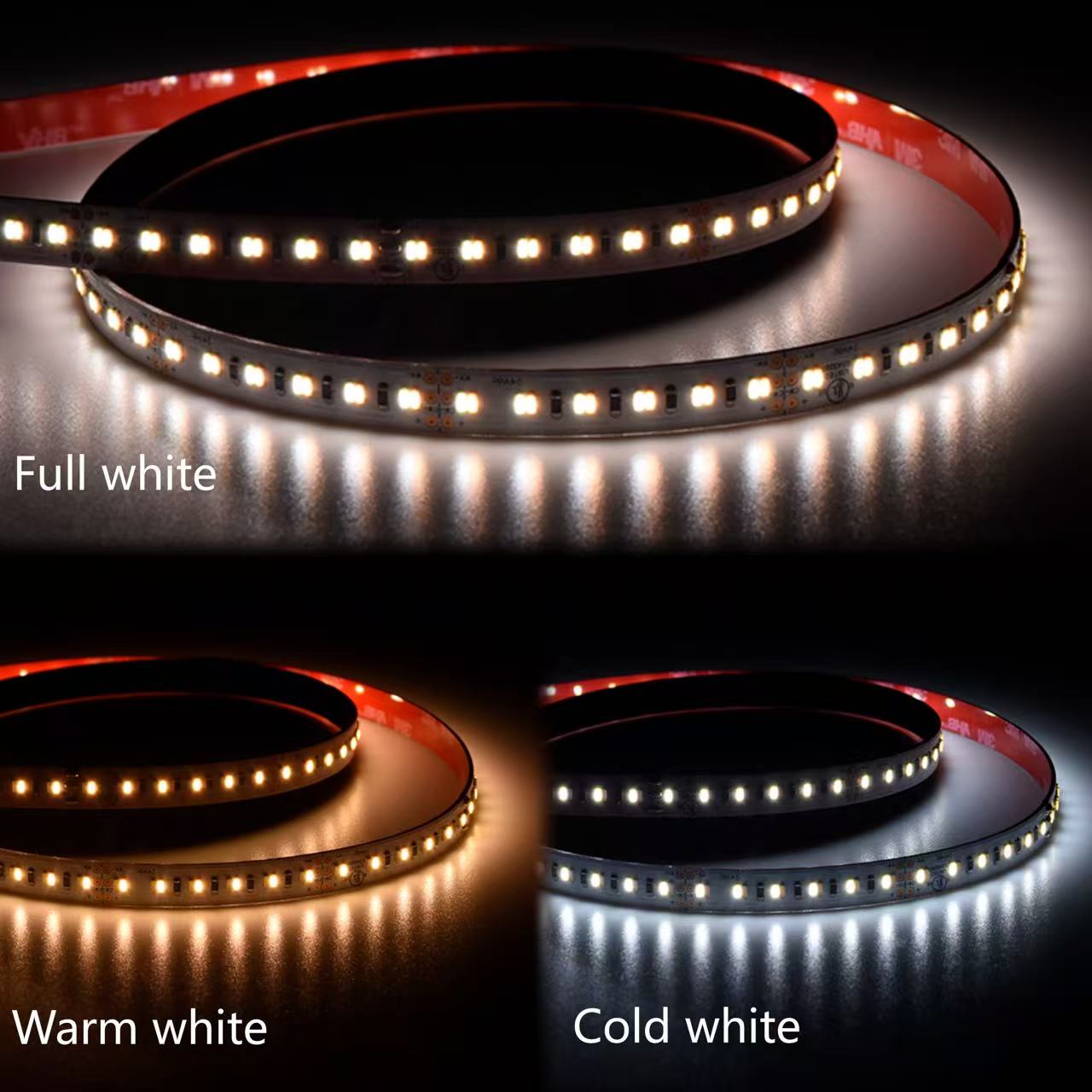
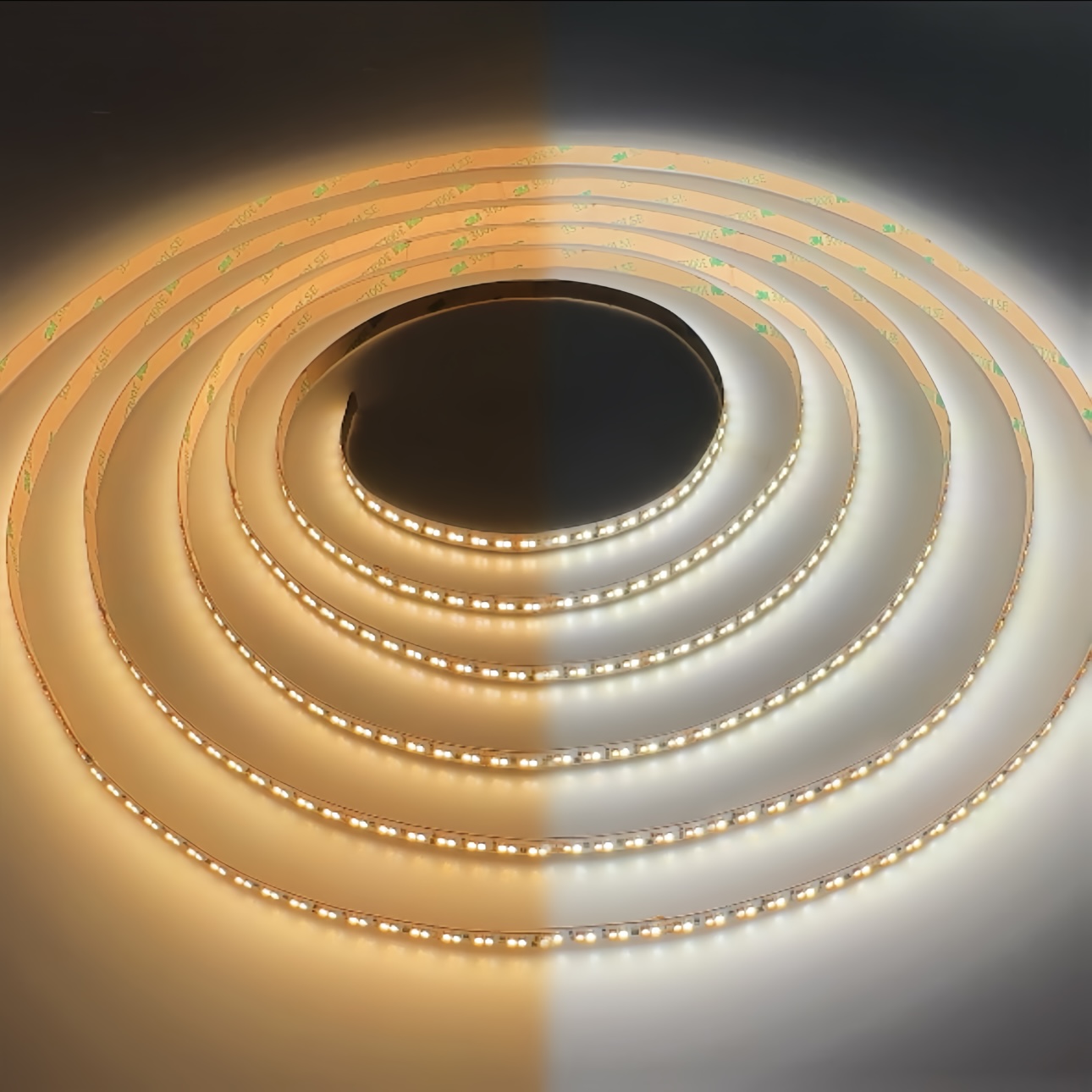
Mimicking halogen incandescent filament behavior, advanced DTW strips automatically shift correlated color temperature (CCT) from 3000K warm white down to a rich 1800K candle-light glow as light intensity is dimmed. Essential for high-end hospitality, restaurants, and residential master suites requiring natural circadian rhythm support.
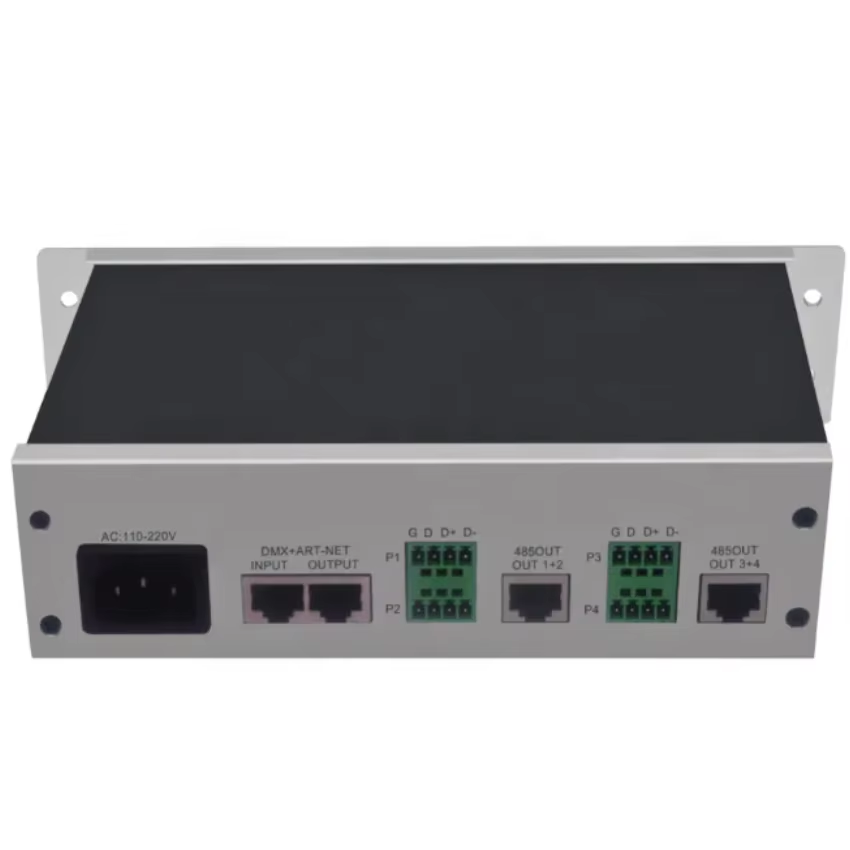
The boundary between architectural lighting and stage entertainment lighting has dissolved. Modern facade and commercial interior projects require individual pixel-level control. B2B buyers now prioritize suppliers capable of delivering direct DMX/RDM addressable strips and integrated ArtNet 64-Universe controllers with SD card offline playbacks.
Evaluated on technical innovation, product breadth, quality control standards, OEM customization capabilities, and international compliance certification.
Corporate Strengths & Technical Capabilities: Shenzhen Fuvin Led Technology Co., Ltd. stands out in the global market as an agile, highly specialized original equipment manufacturer (OEM/ODM) dedicated to engineering-grade linear pixel lighting and advanced dimmable strip solutions. Certified onsite by SGS Group, Fuvin LED integrates research, high-speed SMT assembly, silicone extrusion encapsulation, and comprehensive optical testing within its Shiyan facility.
Fuvin's flagships include real 16-bit grayscale dimming strips (UCS8904B protocol) that offer 65,536 brightness levels, completely eliminating low-end flicker and step-changes in televised or broadcast environments. Their catalog spans high-density 240LEDs/m CCT tunable white tapes, flexible 24V PWM RGBW backlight sheets, IP68 360-degree silicone neon ropes, and heavy-duty DMX512 flexible wall washers. For global importers and integrators, Fuvin LED provides design-based customization (custom PCB copper thickness, buyer white-labeling, tailored IP waterproof extrusions, and specific binning tolerances down to 3-step MacAdam).
Signify is a global market leader in connected lighting systems. Their linear dimmable strip range focuses heavily on commercial office environments and smart building ecosystem integration. While high in cost, their solutions feature robust software management platforms, high efficacy (lm/W), and strict environmental compliance.
Renowned for the LINEARlight Flex series, OSRAM delivers industrial-grade dimmable flexible modules paired with matching OPTOTRONIC constant voltage drivers. Known for exceptional thermal endurance, tight MacAdam binning, and long warranty periods suitable for infrastructure projects.
As the technology arm of Zumtobel Group, Tridonic excels in complete linear component systems comprising LED tape, digital drivers, and controls. Their focus centers on DALI-2 driver synchronization, enabling seamless dimming curves and smart emergency light integration.
While primarily a power supply manufacturer, Mean Well shapes the dimmable LED strip industry through its PWM-60/120/200 series drivers, which output constant-frequency PWM directly to LED strips, ensuring uniform dimming across long installation runs without driver hum.
Lumileds produces premium LED emitters used by tier-1 strip manufacturers. Their LED chips offer high spectral quality (CrispWhite and FreshFocus technologies), ensuring dimmable strips maintain high CRI/TLCI fidelity throughout the dimming cycle.
Nichia is the inventor of the blue LED and white phosphor technology. Their Optisolis™ natural spectrum LEDs provide ultra-high CRI (>98) with zero blue-peak danger. Dimmable strips utilizing Nichia diodes represent the gold standard for museum and art gallery lighting.
Specializing in commercial signage and border tube architectural accents, Current’s Tetra flex lighting line features rugged, robust dimmable linear modules designed to withstand harsh outdoor thermal environments with long service life.
Zumtobel supplies high-end architectural linear lighting systems. Their custom flexible lighting channels emphasize precise light shaping, optical lenses integrated onto flex circuits, and glare-free dimming for luxury flagship retail stores.
KLUS pioneered the aluminum extrusion system for LED strips. They provide fully integrated custom extrusion-strip packages optimized for architectural drywall plaster-in details, featuring high-density dimmable tapes engineered specifically to eliminate diffusers dots.
As an SGS-verified manufacturer based in Shiyan, Shenzhen, Fuvin LED bridges the gap between high-end architectural lighting requirements and agile OEM manufacturing.
Fuvin LED operates automated SMT high-speed placement lines, automatic silicone extrusion machines for IP67/IP68 neon flex, and rigorous 100% powered aging racks. Verified onsite by SGS Group, every batch undergoes strict multimeter QC, light distribution analysis, and vacuum-sealed anti-static packaging.
Unlike rigid brand-name catalog vendors, Fuvin LED tailors products to your exact project parameters: custom PCB widths (4mm to 50mm), 2oz to 4oz rolled-copper substrates, specific IC chips (UCS8904B, UCS2904, SK6812, WS2814, TM512AC), tailored wire harness lead lengths, and custom IP ratings.
Engineered specifically for television sets, live stage rigs, and event production, Fuvin's 16-bit dimming series runs high PWM refresh rates exceeding 4000Hz, completely removing banding and stroboscopic optical artifacts under high-speed camera lenses.
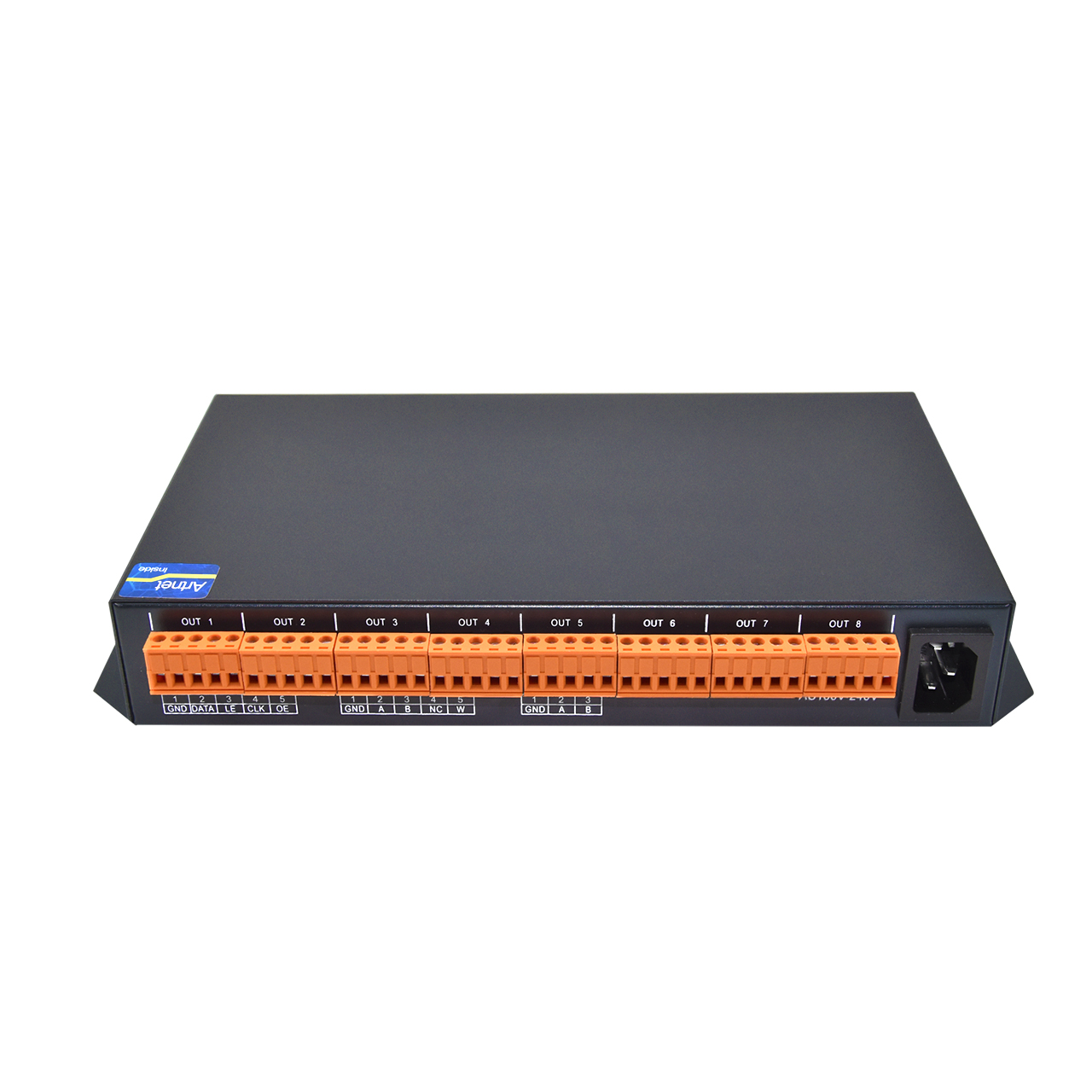
Fuvin LED manufactures the entire control loop — from pixel strip modules to ArtNet multi-universe controllers (e.g., A28A 64-Universe units) and handheld DMX address writers. This eliminates third-party protocol incompatibility and troubleshooting delays on site.
Technical solutions to common engineering challenges encountered when sourcing dimmable LED strip systems.
Voltage drop occurs when trace resistance in the flexible PCB causes the supply voltage to decay along the run, resulting in noticeable dimming at the far end and color shift (especially on RGBW strips). To mitigate voltage drop: (1) Select higher operating voltage systems (24V DC or 48V DC instead of 12V or 5V); (2) Utilize 3oz or 4oz heavy-copper PCBs; (3) Implement parallel power injection at 5-meter or 10-meter intervals directly from the power supply; (4) Specify constant-current IC driver chips integrated directly on the flex strip.
Both UCS2904 and UCS8904B drive 4-channel RGBW addressable LEDs via SPI serial signal. However, UCS2904 operates on standard 8-bit grayscale (256 brightness steps per channel, total 16.7 million colors), which is suitable for standard decorative lighting. UCS8904B features real 16-bit dimming resolution (65,536 brightness steps per channel), providing ultra-smooth low-brightness dimming curves, gamma-curve compensation, and zero camera flicker essential for professional stage, studio, and high-end architectural applications.
Audible noise in dimmable systems is usually caused by ceramic capacitor vibration on the LED strip PCB or magnetostriction inside transformer coils within low-quality PWM drivers when operating within human audible frequencies (20Hz – 20kHz). Choosing high-frequency PWM drivers (>25kHz refresh rate) or real constant-current dimming power supplies eliminates harmonic resonance, ensuring silent operation in luxury residential or hotel room installations.
For installations with signal cable runs exceeding 15 meters, DMX512 (RS-485 differential signaling) is superior due to its strong noise immunity and long cable transmission limits (up to 100 meters without repeaters). Additionally, DMX512 ICs (like TM512AC or UCS512) feature parallel data transmission—if one pixel fails, subsequent pixels continue operating. SPI signals are single-ended and best suited for short runs, linear bars, or cabinet integration controlled directly by localized ArtNet controllers.
For European Union clearance, products require CE certification (EMC Directive 2014/30/EU and LVD Directive 2014/35/EU), RoHS compliance test reports, and an official Declaration of Conformity (DoC). For North American commercial markets, strips and drivers should carry UL/cUL listing (under UL2108 for low voltage lighting systems and UL8750 for light emitting diode equipment). Shenzhen Fuvin LED provides complete model-specific test documentation and SGS factory verification reports upon request.
Contact Shenzhen Fuvin LED's engineering team today for technical consultation, custom OEM project quotes, or to request certified samples.
 Shenzhen, Guangdong, China