China flagShenzhen, Guangdong, China Onsite Verified by SGS Group [email protected]

Architectural Pixel Lighting Manufacturer & Factories Serving the Jacksonville Market

Engineering-Grade Addressable LED Systems, 16-Bit DMX512/SPI Drivers & Marine-Resilient Pixel Luminaires Engineered for North Florida’s Architectural & Commercial Projects

Specification-Grade Pixel Lighting Portfolio

Direct factory-engineered addressable LED strips, pixel tubes, matrix bars, and high-density DMX controllers configured for immediate deployment in the Jacksonville Metropolitan Area.
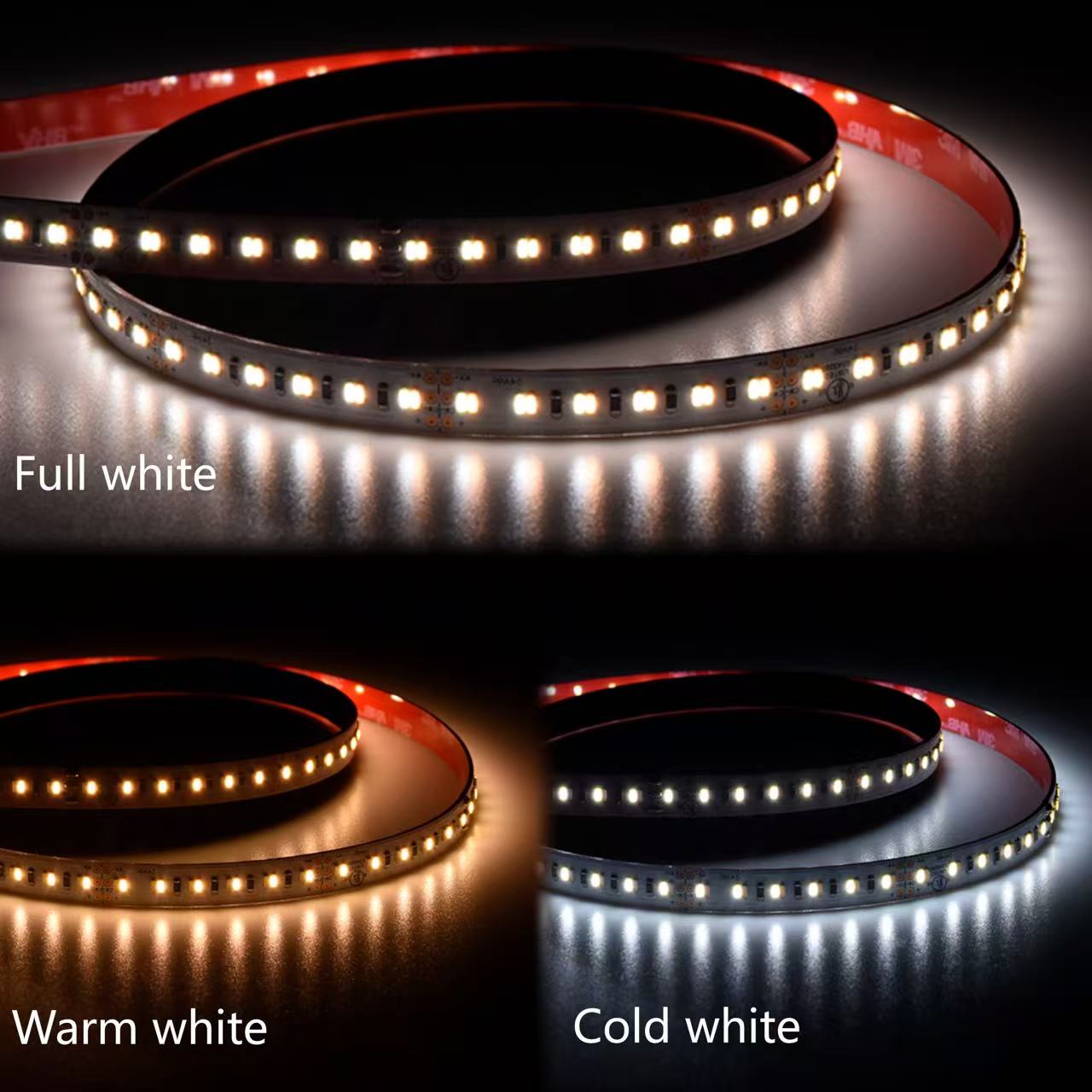
UL CUL Listed High Density 240LEDs/m Tunable White CCT Flex LED Tape
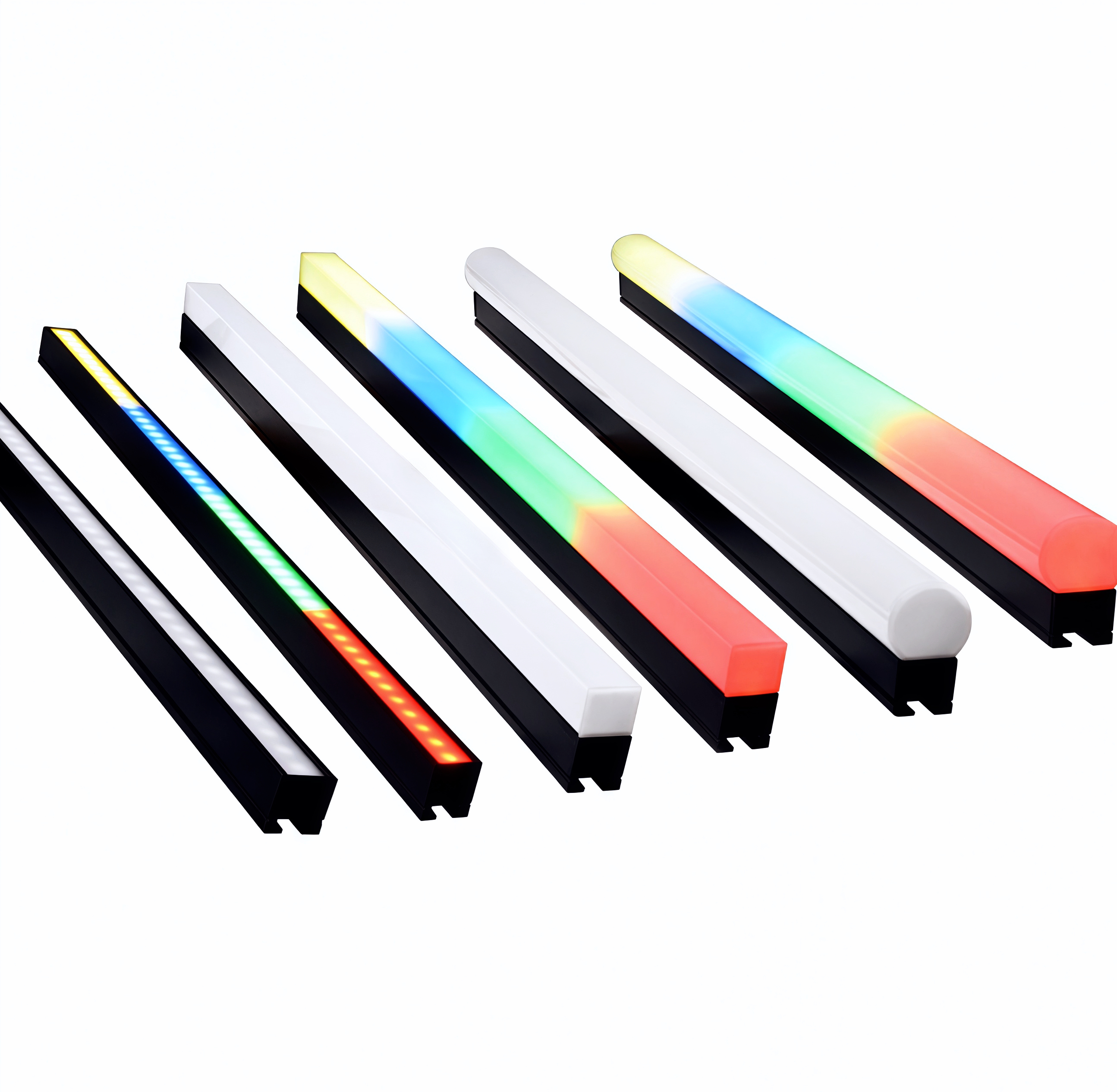
Honeycomb Hexagon Lighting UCS2904 RGBW DMX512 SPI Pixel LED Video Bar
Honeycomb Hexagon UCS2904 RGBW DMX512/SPI Pixel LED Video Bar
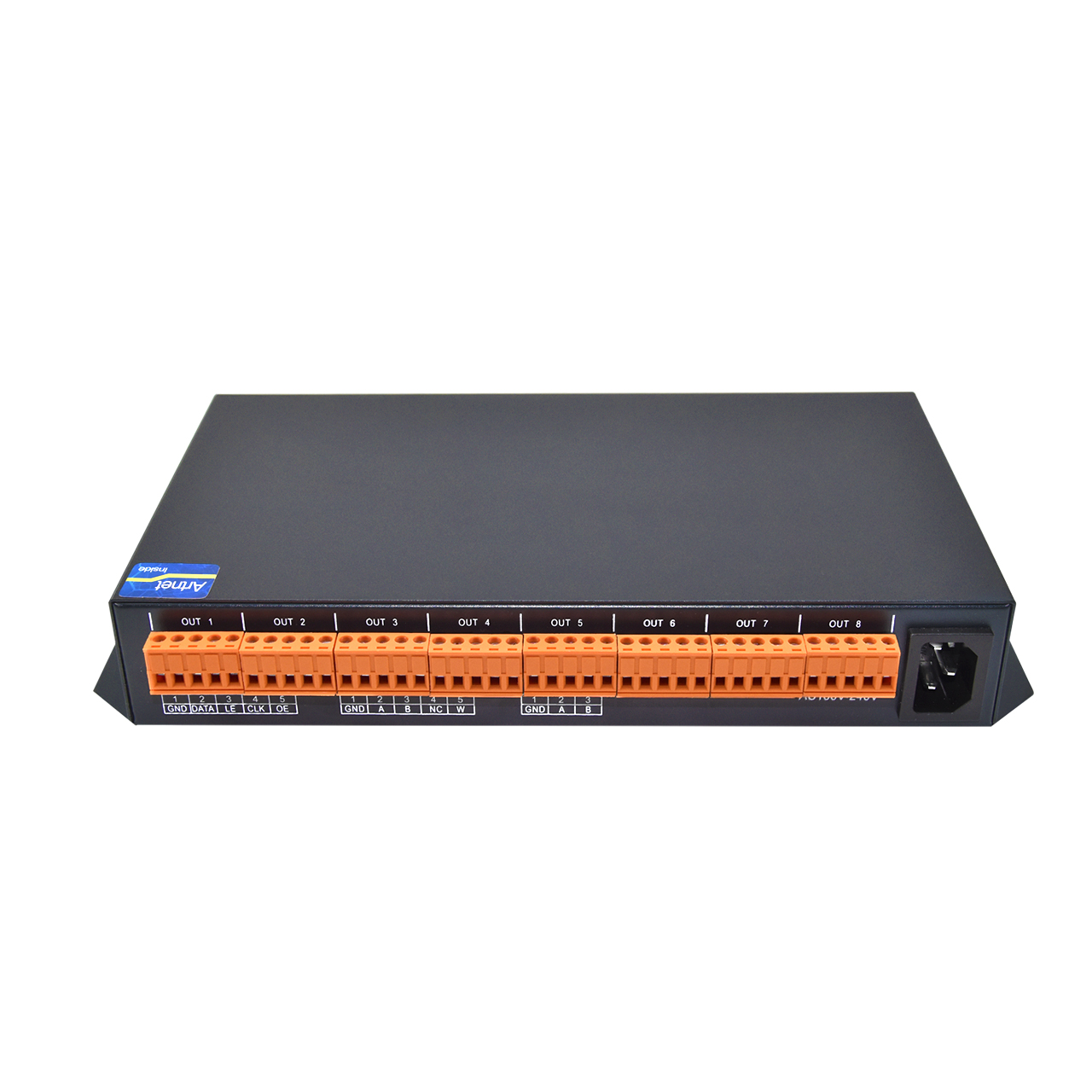
A28A ArtNet 4096CH 64 Universe DMX512 Pixel LED Controller
A28A ArtNet 4096CH 64 Universe DMX512 SPI Pixel LED Controller
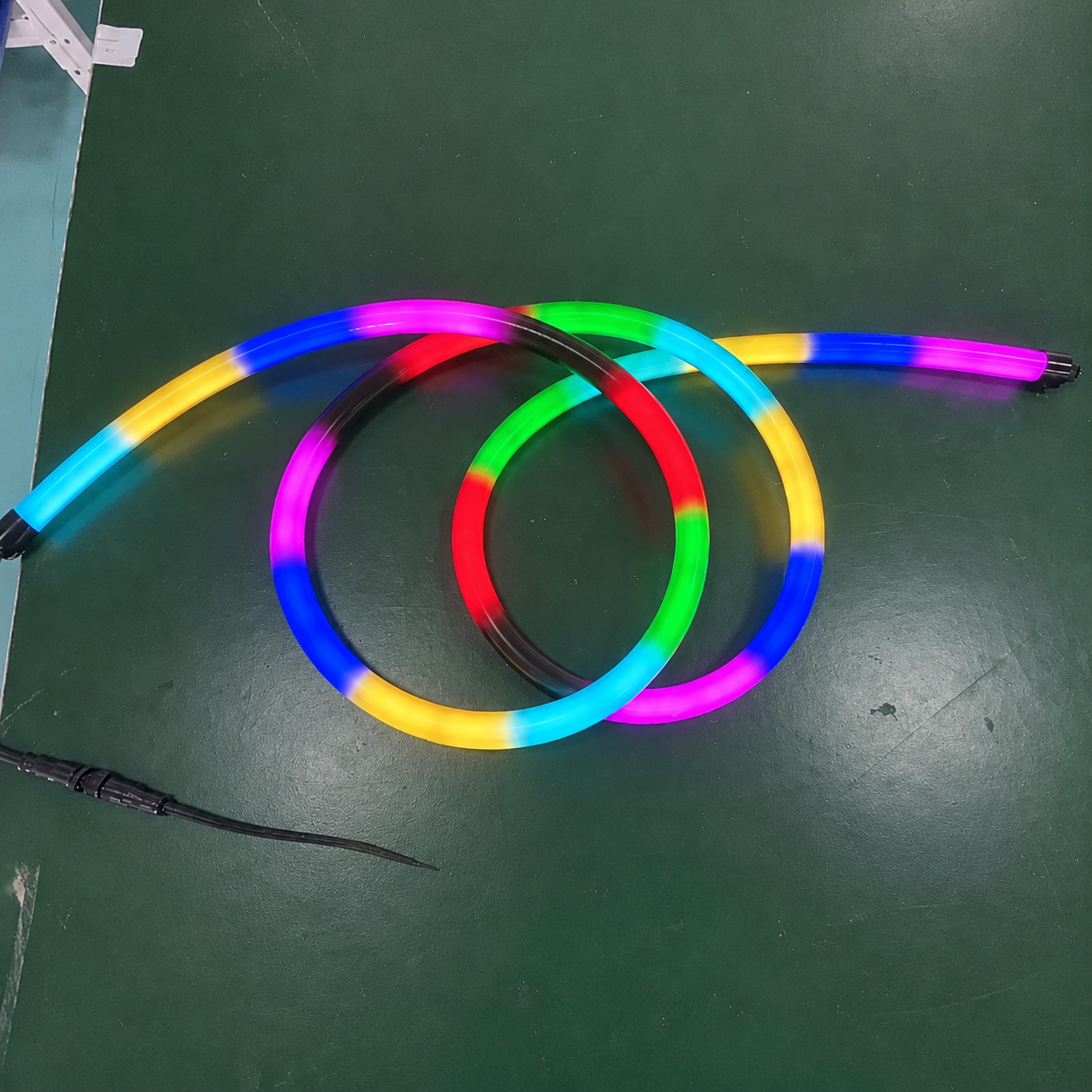
Outdoor Waterproof 360 Degree D22 RGB RGBW Black Silicone Neon LED Light
Outdoor Waterproof 360° D22 RGB/RGBW Black Silicone Pixel Neon Flex
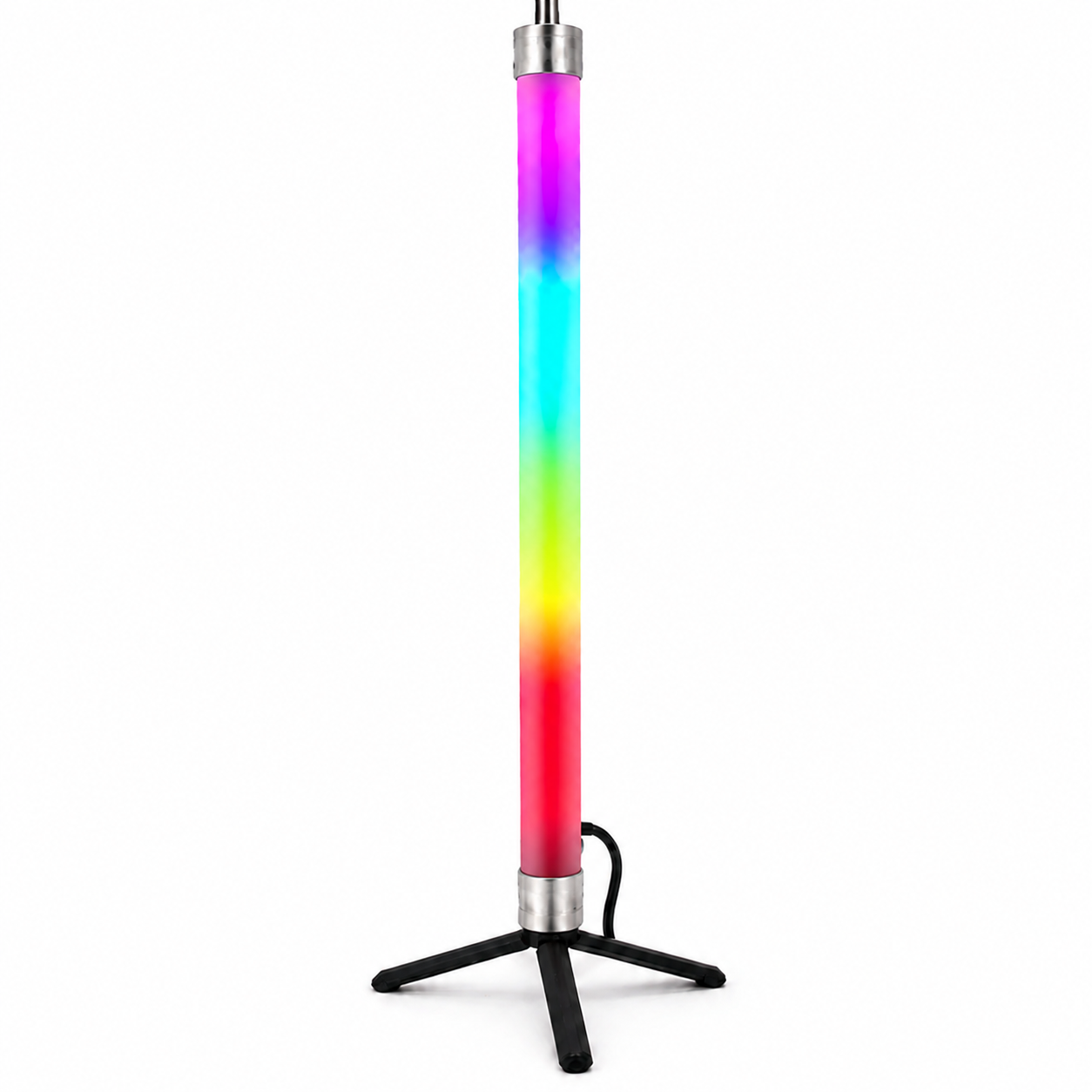
360 Degree RGBW DMX LED Pixel Tube Light 40mm Hanging Bar
1m 360° RGBW 24V 40mm Hanging DMX SPI Pixel Linear Tube Bar
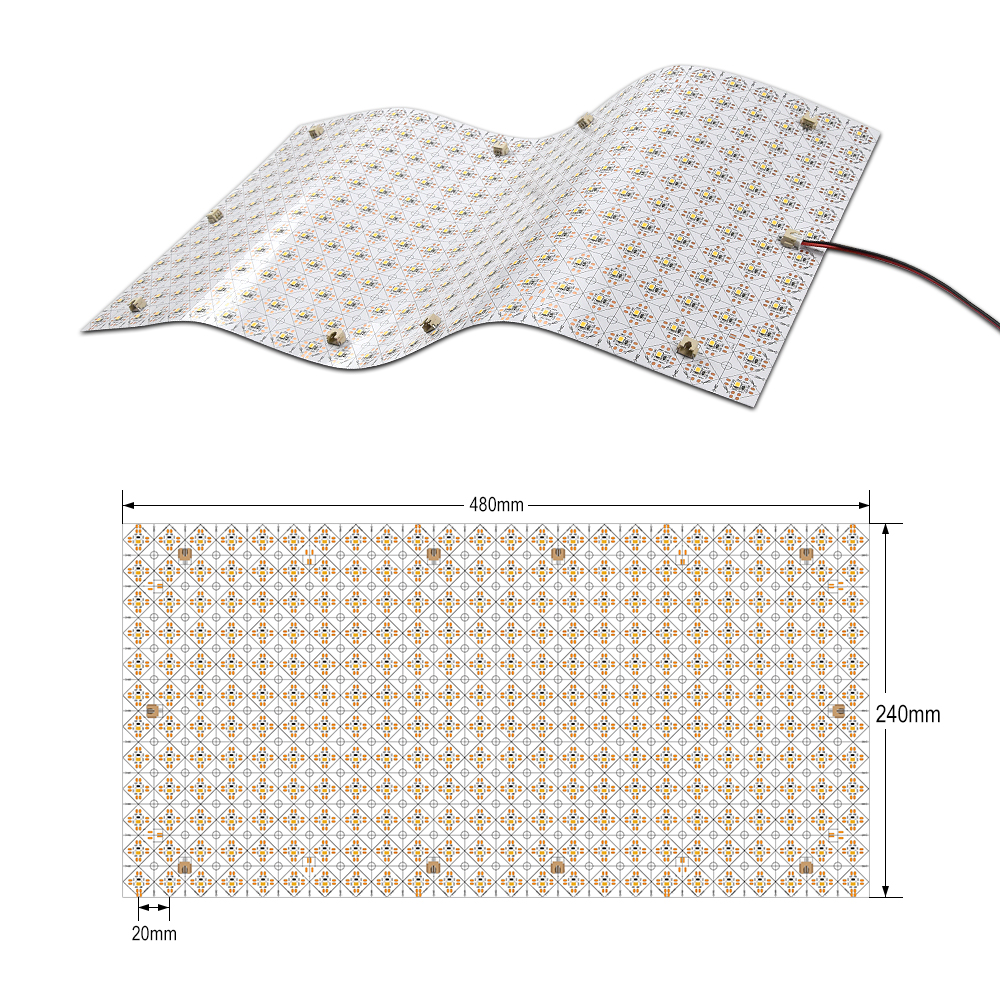
24V Flexible CCT LED Backlight Panel Sheet 480x240mm
24V Flexible CCT LED Backlight Panel Sheet 480x240mm Bendable Panel
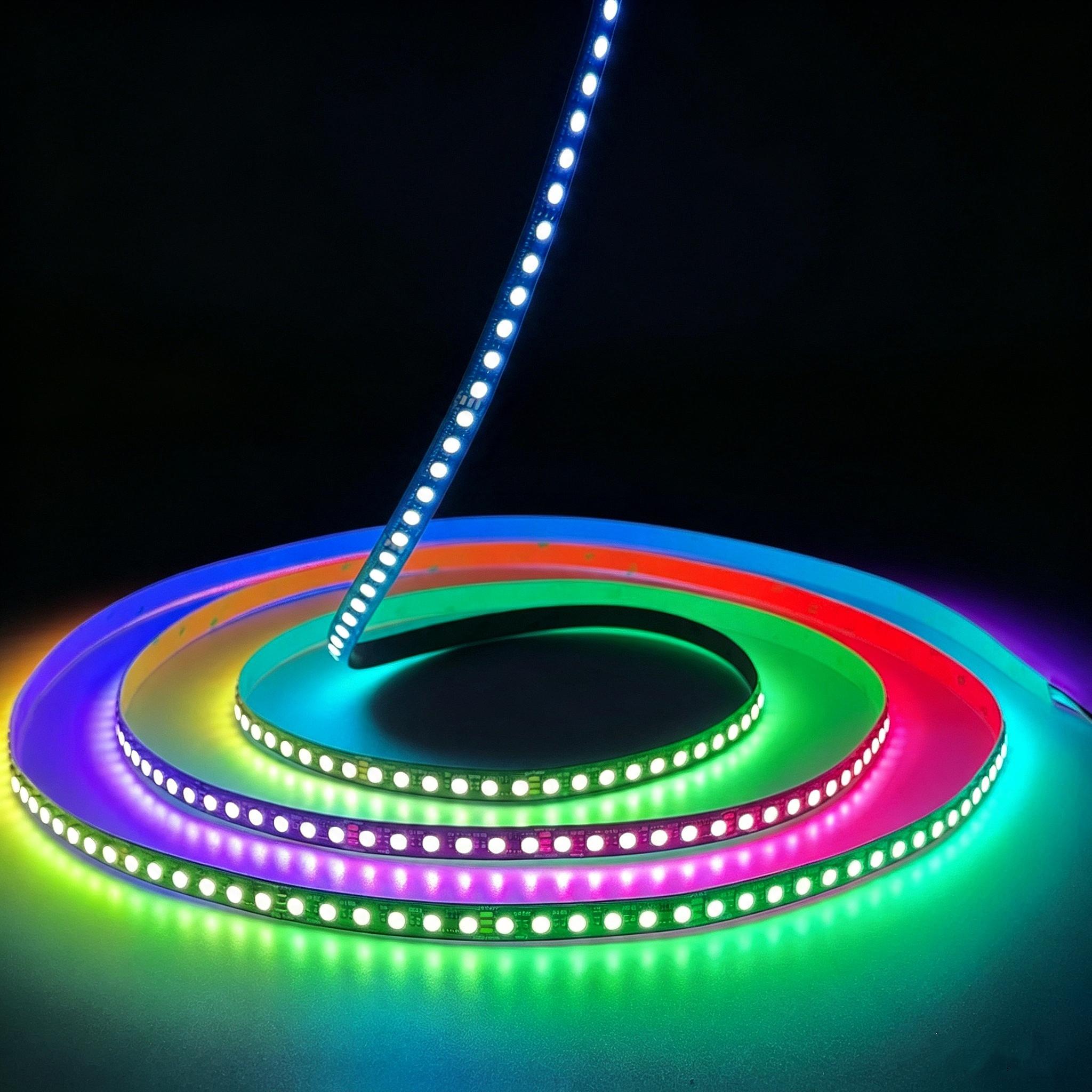
UL cUL Addressable SPI Real 16bit Dimming UCS8904B RGBW Pixel LED Strip
UL & cUL Addressable SPI Real 16-Bit Dimming UCS8904B RGBW Pixel Strip
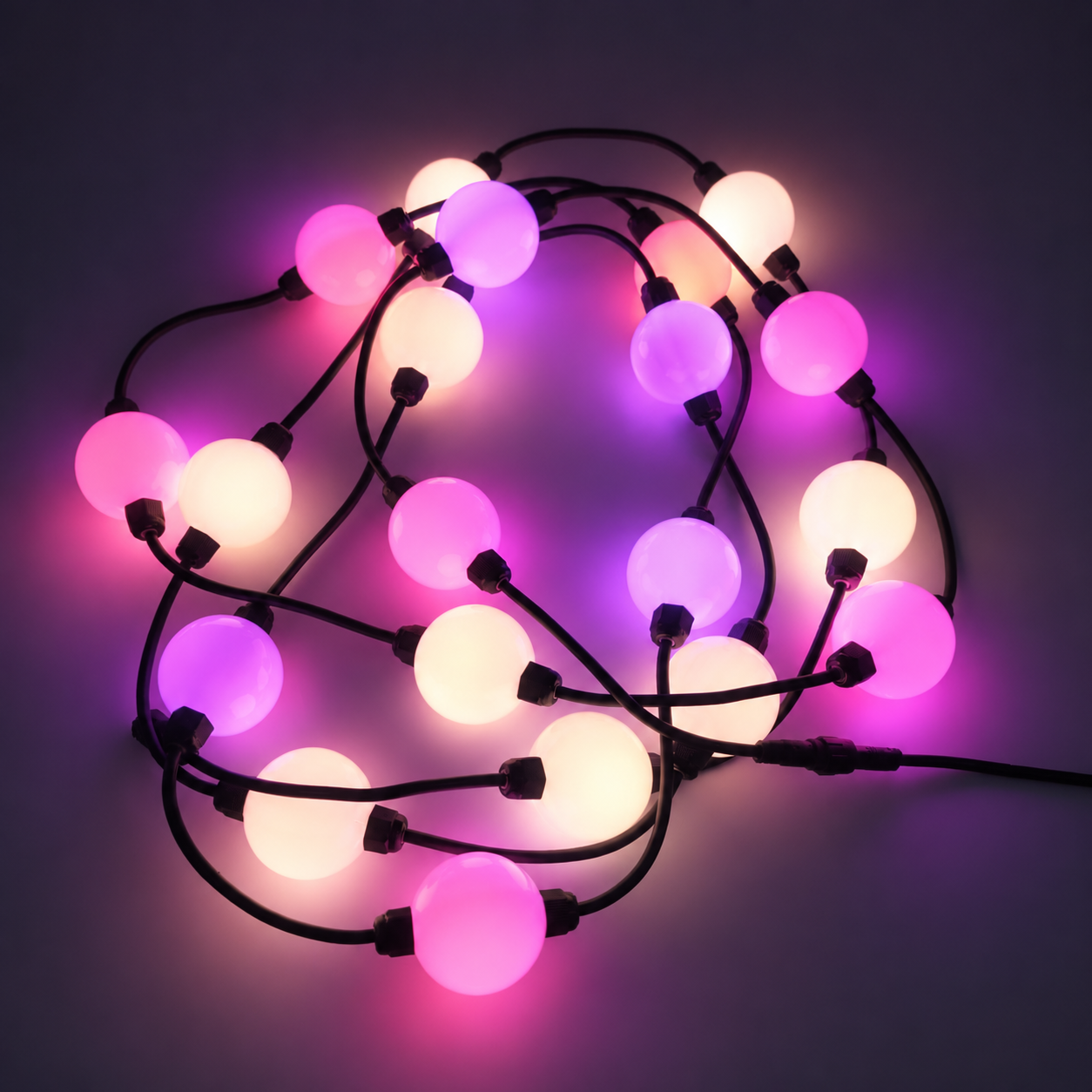
Waterproof IP67 50mm 24V SPI DMX Point Light Ball
Waterproof IP67 50mm 24V SPI/DMX Pixel Point Light Exterior Ball
16-Bit
True Grayscale Fading
IP68
Silicone Encapsulation
SGS
Onsite Verified Factory
UL/cUL
North American Listed

Architectural Pixel Lighting Whitepaper: Engineering for Jacksonville's Built Environment

A comprehensive technical guide for lighting designers, electrical contractors, and MEP engineers specifying addressable linear and point-source LED systems in Coastal North Florida.

1. Executive Summary & Regional Context: The Jacksonville Market

As North Florida’s commercial epicenter, Jacksonville presents a unique set of architectural lighting challenges. Spanning from the commercial high-rises along the St. Johns River downtown to expansive oceanfront hospitality structures in Jacksonville Beach and historical restorations in Riverside and San Marco, exterior luminaires face extreme environmental stress. Architectural lighting in Jacksonville is not merely an aesthetic enhancement; it is an exercise in material science and electrical reliability.

For lighting specifiers, architectural pixel lighting—commonly referred to as addressable LED lighting—offers unparalleled creative dynamic control. By integrating discrete microcontrollers (ICs) directly onto linear flexible printed circuit boards (FPCBs) or within encapsulated modules, individual LEDs or clusters can be manipulated independently via SPI (Serial Peripheral Interface) or DMX512/RDM protocols. However, procuring pixel lighting directly from experienced manufacturing facilities requires balancing optical performance, protocol architecture, thermal dissipation, and salt-air corrosion resistance.

2. Environmental & Environmental-Protection Standards for North Florida

Jacksonville’s humid subtropical climate is characterized by intense UV radiation, high ambient summertime temperatures, frequent afternoon convective rainstorms, and salt-laden air driven inland from the Atlantic Ocean and the Intracoastal Waterway. Standard commercial indoor or low-grade outdoor LED flex strips degrade rapidly under these conditions.

2.1 Chemical Resistance & Polymer Encapsulation: Silicone vs. PVC

Traditional outdoor LED strips utilize PVC (Polyvinyl Chloride) or polyurethane (PU) sleeve encapsulation. Under Jacksonville's intense solar irradiance (UV index frequently exceeding 10+), PVC experiences rapid photo-oxidation, leading to yellowing, micro-cracking, and eventual moisture ingress. PU resin, while flexible, suffers from hydro-thermal degradation in high humidity.

Our manufacturing facility exclusively engineers outdoor architectural pixel products utilizing Dow Corning grade integrated silicone extrusion. High-purity optical silicone exhibits complete UV inertia, maintaining greater than 95% light transmission over a 10-year service life without discoloration. Furthermore, our IP67 and IP68 silicone co-extrusion technology seals the copper FPCB, driving ICs, and surface-mount LEDs within an airless matrix, preventing internal condensation driven by nocturnal thermal cycling.

Encapsulation Material UV Index Resistance (1-12 Scale) Operating Temp Range (°C) Hydrolysis / Moisture Degradation Salt Fog Resistance (ASTM B117)
Standard PVC Sleeve Rating 3 (Yellows in 6 months) -10°C to +40°C High (Brittle over time) Poor (Seals crack under thermal expansion)
Polyurethane (PU) Resin Rating 6 (Delaminates under high heat) -20°C to +50°C Moderate (Cloudiness in humid air) Moderate
Optical Grade Silicone Extrusion Rating 10+ (Completely UV inert) -40°C to +80°C Zero Degradation Exceeds 1,000 Hours Continuous Exposure

3. Deep Dive into Addressable Microcontroller Protocols: SPI vs. DMX512

Specifying the correct IC protocol dictates system control topology, maximum wiring distances, refresh rates, and smooth dimming performance. For high-profile installations across the Jacksonville skyline, lighting designers must differentiate between standard 8-bit commercial control and broadcast-grade 16-bit dimming.

3.1 The 16-Bit Advantage: UCS8904 vs. Standard 8-Bit UCS2904/WS2812

In architectural illumination, ultra-smooth fade-to-black transition is critical. Standard 8-bit ICs (such as UCS2904 or SK6812) provide 256 grayscale steps per color channel ($256^4$ for RGBW). While suitable for fast dynamic media effects, at low dimming levels (below 5% light output), 8-bit drivers exhibit visible step-jumping or flicker. This is particularly undesirable when illuminating textured building facade materials such as coquina stone, modern glass curtain walls, or concrete structural piers.

The UCS8904 IC features true 16-bit grayscale dimming, yielding 65,536 discrete intensity levels per channel. This eliminates stepping artifacts completely, delivering fluid, organic dimming curves suited for luxury hospitality, theatrical installations, and architectural ambient washes visible from the Jacksonville Riverwalk.

3.2 DMX512/RDM vs. Single-Ended SPI Signal Topologies

A frequent failure point in large-scale pixel installations is signal loss over distance. Single-ended SPI protocols (like WS2811/SK6812) carry single-wire data signals that are susceptible to electromagnetic interference (EMI) and signal degradation beyond 5 to 10 meters between nodes.

For multi-story exterior facades and civic infrastructure, direct DMX512 (RS-485 differential signaling) LED products—integrating UCS512 or TM512AC integrated circuits—are engineered to transmit noise-free data across distances up to 300 meters without inline signal boosters. In addition, RDM (Remote Device Management) allows system integrators in Jacksonville to program pixel start addresses and run diagnostics remotely via handheld programmers or central ArtNet/sACN control systems without physical access to high-elevation fixtures.

4. Voltage Drop & Power Injection Architecture for Long Runs

DC power distribution in 5V, 12V, and 24V addressable pixel systems is subject to Ohm's Law ($V = I \times R$). As electrical current flows through thin FPCB copper traces, resistance causes a voltage drop, resulting in color shifting (e.g., pure white shifting toward red/orange at the far end of a strip run) and diminished light output.

To guarantee uniform color consistency across 100+ meter architectural facades, our factory engineers custom 24V DC high-density 3-ounce pure copper FPCBs. By doubling voltage from 12V to 24V, current draw is cut in half ($P = V \times I$), dramatically extending maximum single-ended feed distances before power injection is required. Our engineering department provides clients with precise power injection wiring diagrams tailored to specific project geometries.

Localized Jacksonville Application Scenarios

From downtown waterfront landmarks to coastal commercial districts, explore how engineered pixel lighting solutions solve specific installation challenges in North Florida.

Downtown Skyline & High-Rise Facades
Continuous DMX512 linear rigid bars with 16-bit UCS512 ICs mounted to glass curtain walls along the St. Johns River corridor. Designed to handle high wind pressures, seismic vibrations, and integration with ArtNet media servers for civic holiday displays.
Waterfront & Marina Hospitality Districts
IP68 full-silicone 360-degree D22 neon flex and direct-view 50mm pixel point lights deployed at waterfront dining complexes in Jacksonville Beach and Ponte Vedra. Immune to salt spray corrosion and resistant to marine fouling.
St. Johns Town Center Retail Architecture
UL-listed high-density tunable white CCT flex strips and bendable backlight sheets powering backlit stone walls, retail display alcoves, and dynamic architectural coves requiring strict CRI 90+ color accuracy.

North Florida Architectural Lighting Trends & Compliance

Navigating regulatory compliance, Dark-Sky initiatives, and modern control integrations in Jacksonville procurement.

Florida Building Code & UL 8750 Standard
Commercial installations across Duval and St. Johns Counties mandate strict adherence to NEC Class 2 electrical limits and UL 8750 certification for LED equipment. Our UL/cUL-listed pixel strips ensure smooth electrical plan approval with local inspectors.
Sea Turtle Friendly & Dark-Sky Regulations
In coastal zones adjacent to Jacksonville beaches, outdoor night lighting must minimize skyglow and disorienting light spillage during sea turtle nesting season. We supply custom narrow-band amber (590nm) and cut-off optical channel extrusions for strict compliance.
ArtNet/sACN Centralized Automation
Modern developments in Jacksonville are moving away from localized standalone controllers toward centralized Ethernet-based ArtNet/sACN networks. Our A28A 64-Universe ArtNet controllers seamlessly bridge building automation controllers with SPI/DMX fixtures.

Manufacturing Excellence: Direct-from-Factory Advantage

Shenzhen Fuvin Led Technology Co., Ltd. operates a high-precision OEM/ODM production facility verified onsite by SGS Group, providing Jacksonville buyers with reliable direct sourcing.

SGS Onsite Verified Manufacturing
Our manufacturing facility, engineering departments, automated SMT lines, and quality control systems undergo rigorous annual onsite inspections by SGS Group. Full audit reports are available to engineering buyers for procurement verification.
12-Step Quality Control & Powered Aging
Every reel of pixel tape, neon flex, and DMX video bar undergoes a multi-stage inspection process: incoming raw material screening, automated SMT mounting, 100% powered 48-hour continuous burn-in aging test, optical sphere measurement, and vacuum-sealed anti-static packaging.
Full OEM/ODM Design Customization
We offer full architectural customization tailored to project submittals: custom FPCB color and copper thickness (2oz to 4oz), specialized IC selection (UCS8904, UCS2904, DMX512), pre-cut lengths with factory-sealed IP68 injection-molded lead wires, and custom binning tolerances.
Rapid Engineering Support & Logistics
We work hand-in-hand with US-based electrical contractors, providing complete wiring schematics, power calculations, system topology design, and expedited air freight delivery directly to project job sites in Jacksonville, FL.

Frequently Asked Questions (FAQ) for Jacksonville Buyers

Expert answers regarding technical specifications, local environmental durability, and international ordering logistics.

How do your outdoor pixel products handle Jacksonville’s salt air and humidity?
Our outdoor pixel products (IP67/IP68 rated) utilize high-purity optical silicone co-extrusion technology rather than standard PVC or PU. The silicone encapsulation is completely impervious to salt spray corrosion (tested under ASTM B117 salt fog standards for over 1,000 hours) and resists chemical breakdown caused by constant high relative humidity along the St. Johns River and coastal beaches.
What is the difference between 8-bit (UCS2904) and 16-bit (UCS8904) pixel lighting for architectural facades?
UCS2904 operates on an 8-bit grayscale protocol delivering 256 brightness levels per color channel. This is cost-effective and ideal for standard dynamic graphic effects. UCS8904 features a true 16-bit grayscale engine offering 65,536 brightness levels per channel. This eliminates subtle light stepping during slow dimming transitions, providing continuous broadcast-grade dimming suitable for high-end architectural washes and broadcast environments.
Are your pixel LED products certified for building code compliance in Florida?
Yes. We manufacture selected product lines with official UL and cUL listings (UL 8750 / Class 2 power requirements) as well as CE, RoHS, and Declaration of Conformity compliance. Complete test reports and certificate copies are provided alongside submittal packages for local Duval County electrical plan reviewers.
When should I specify DMX512 pixel products over SPI pixel products?
We recommend direct DMX512 (RS-485 differential signal) LED products for long runs, high-rise exterior building outlines, and integration with architectural lighting control systems (such as Pharos or Madrix). DMX512 resists electromagnetic noise and allows signal transmission up to 300 meters between nodes. SPI pixel products are best for shorter, localized accent runs or interior feature walls where controller proximity is close.
What is the typical lead time for custom production orders shipped to Jacksonville?
Standard OEM production turnaround is typically 7 to 12 business days depending on order complexity and volume. We ship directly from our Shenzhen manufacturing hub via expedited air courier (DHL/FedEx/UPS Express), arriving in Jacksonville within 4 to 6 business days. Ocean freight options are also available for large-volume commercial shipments.
Do you provide wiring calculations and system layout assistance for US contractors?
Absolutely. Our technical engineering team reviews CAD drawings, layout dimensions, and control requirements to calculate exact voltage drop mitigation, power injection points, power supply sizing (24V DC Class 2 drivers), and ArtNet universe allocations prior to production.

Start Your Jacksonville Architectural Lighting Project Today

Send us your project CAD drawings, pixel lighting specifications, or custom OEM requirements. Our engineering team will respond within 12 hours with a comprehensive technical proposal, power schematics, and factory-direct pricing.