Verified manufacturing lineup engineered for long-distance signal integrity, high PWM refresh rates, and extreme environmental durability.
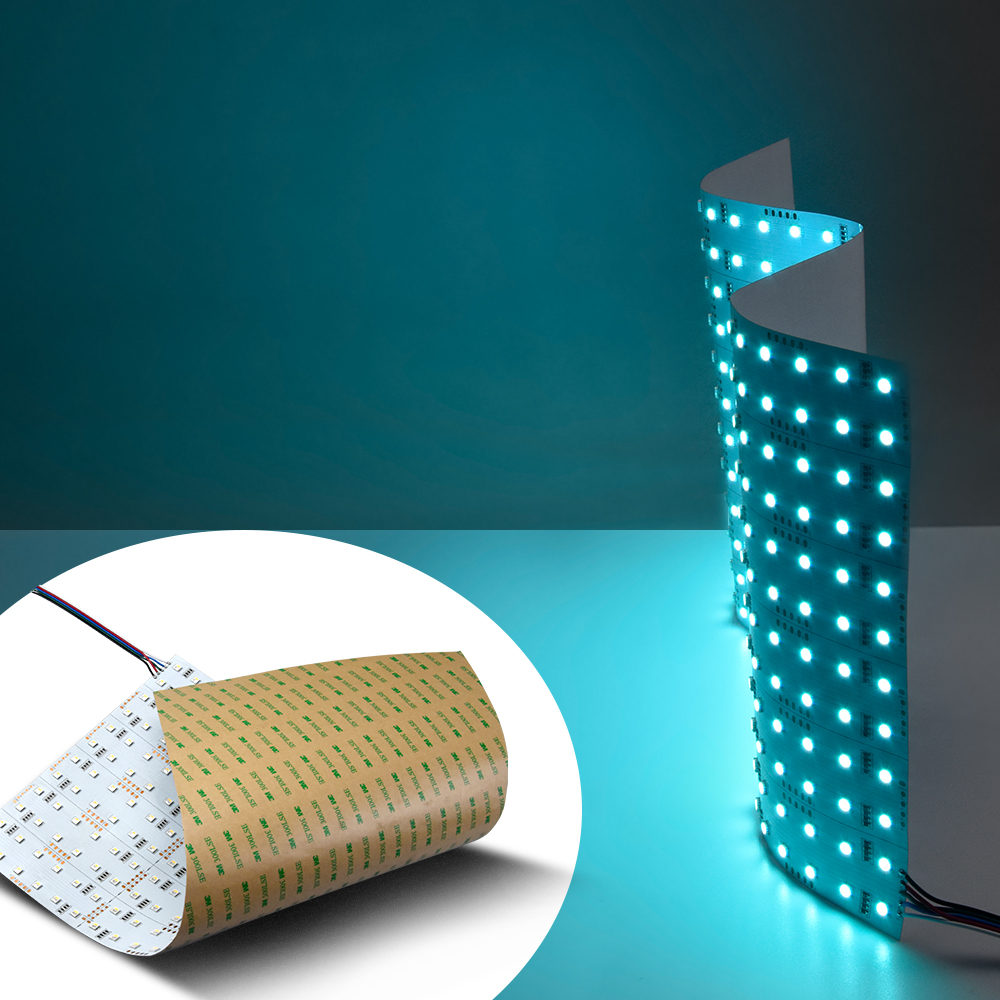
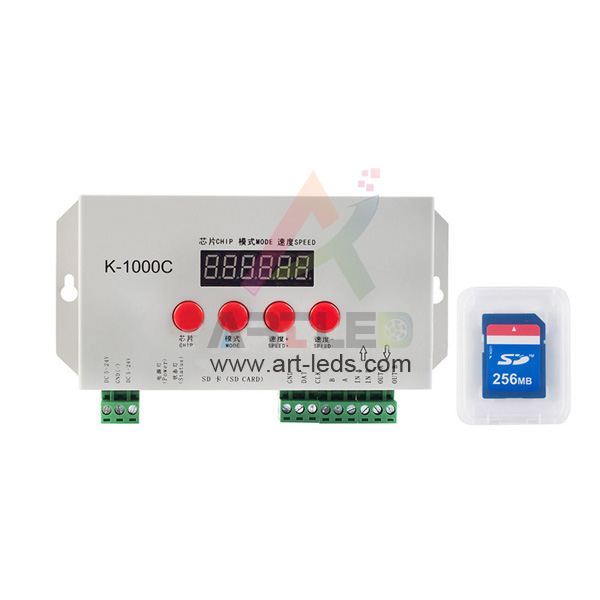
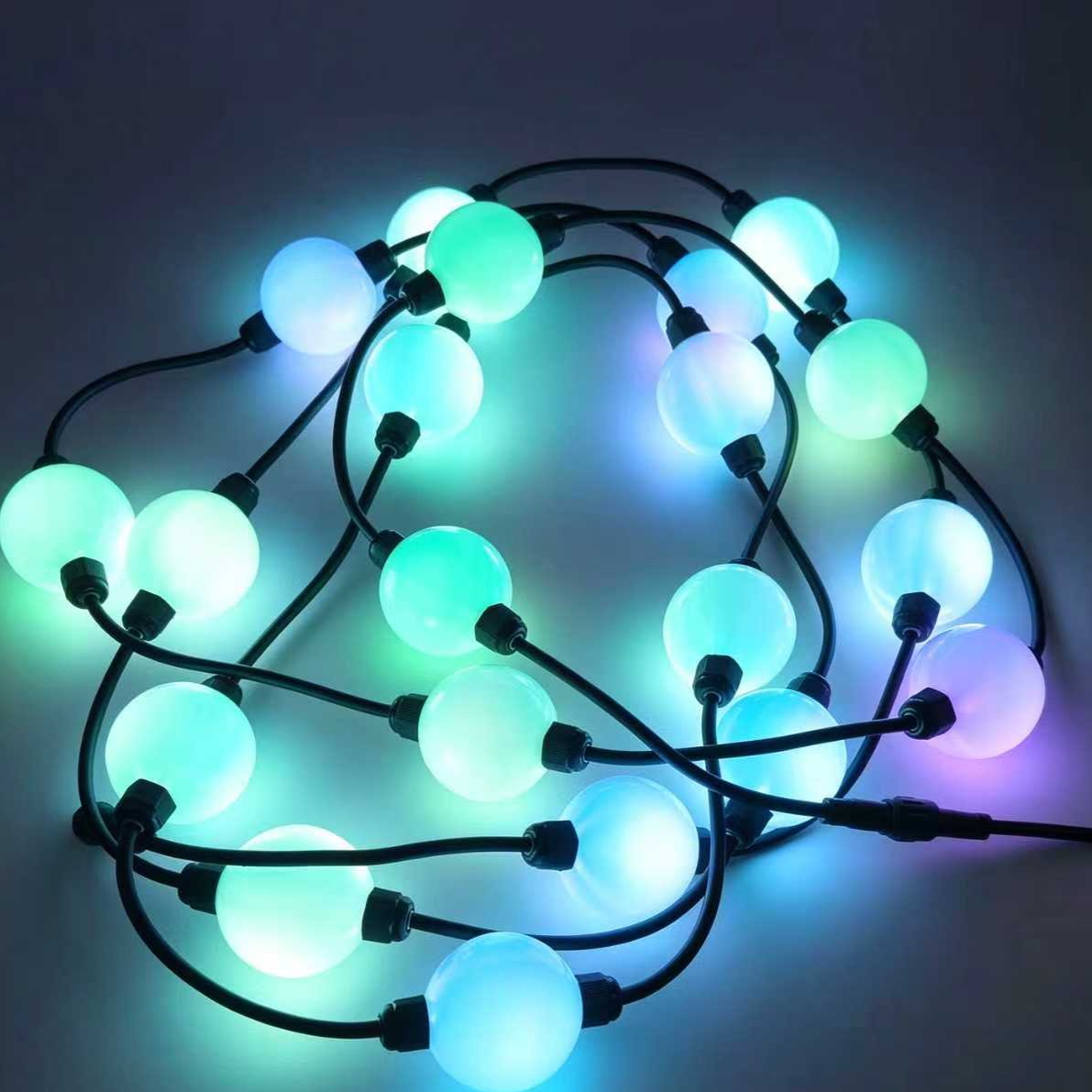
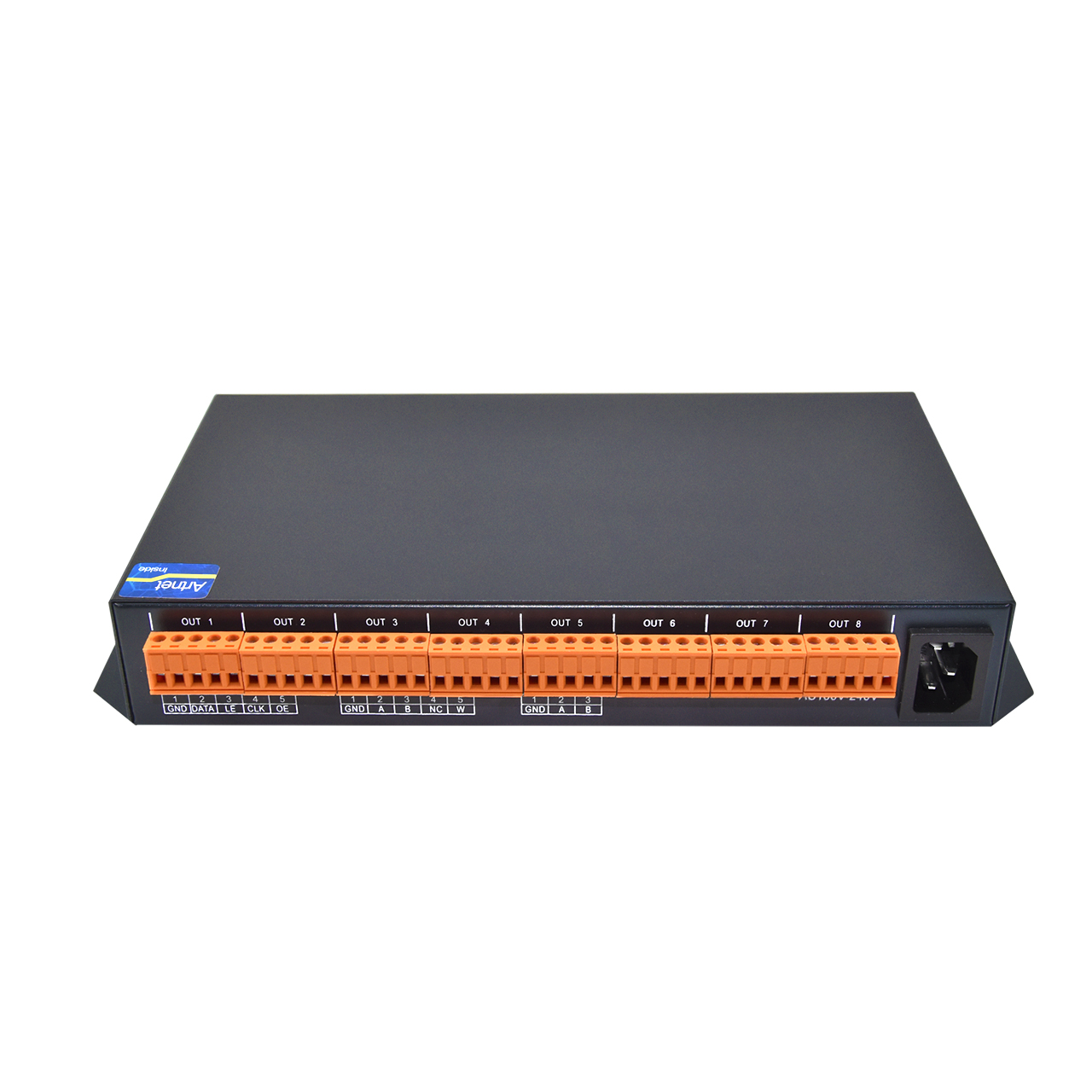
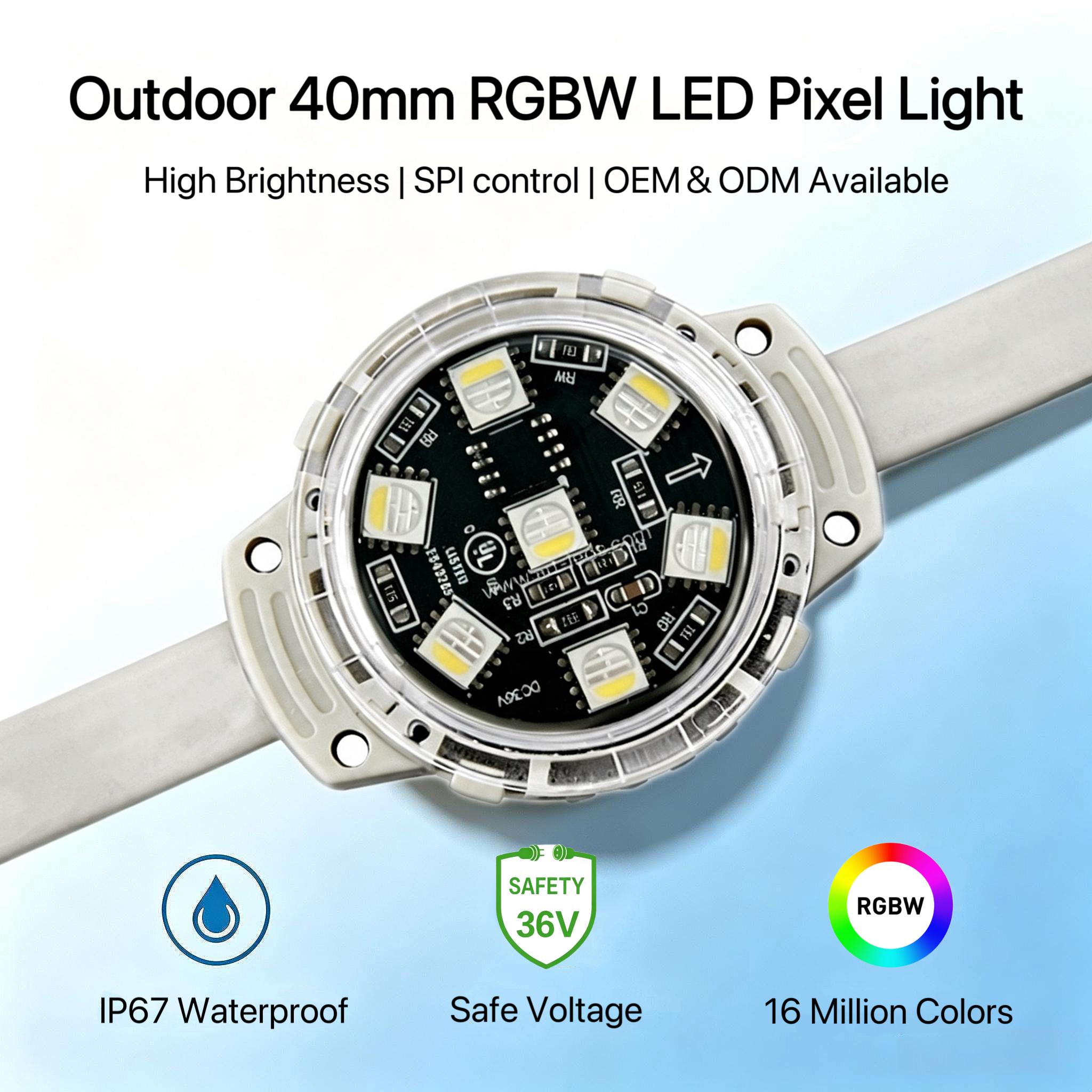
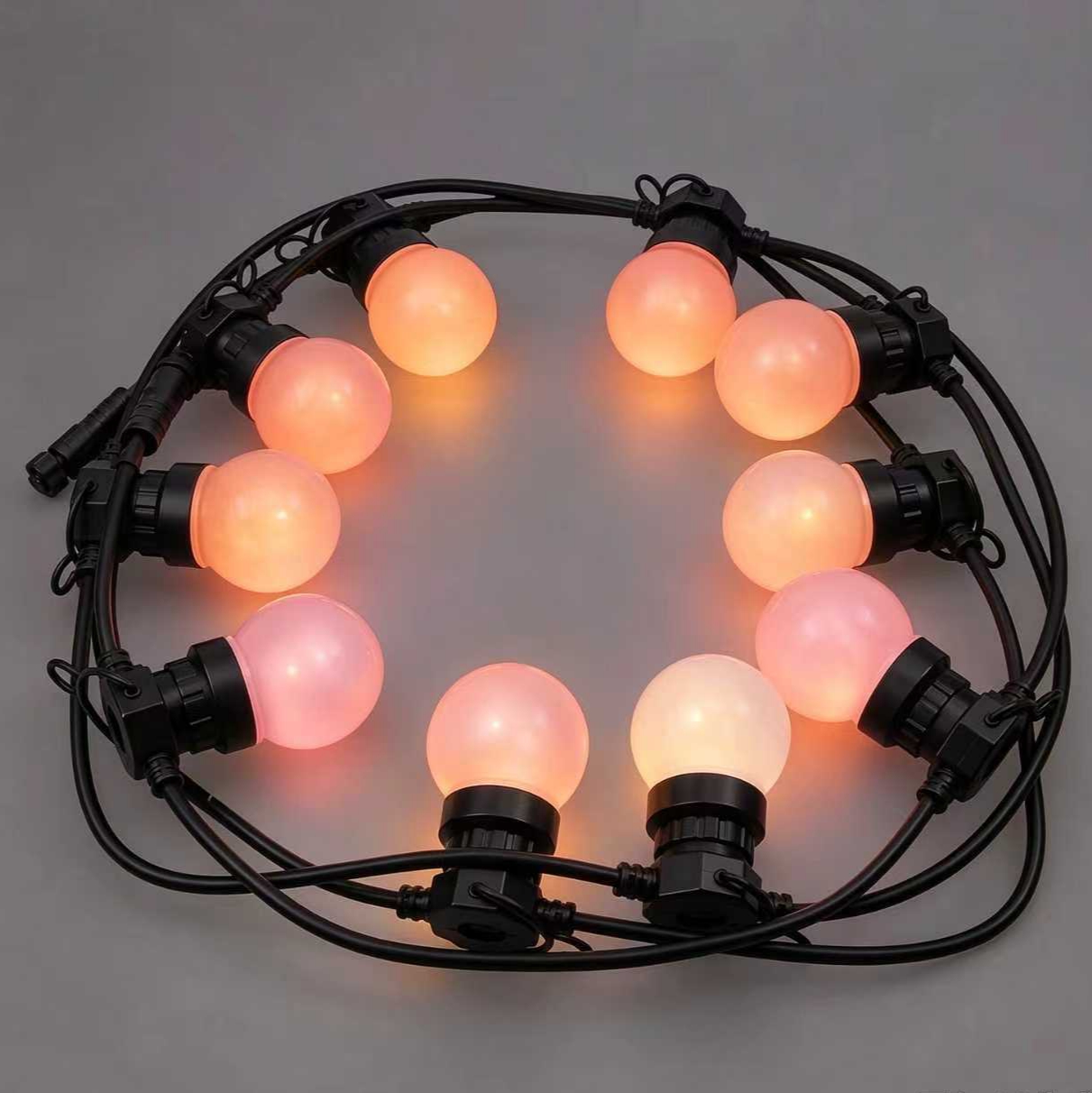
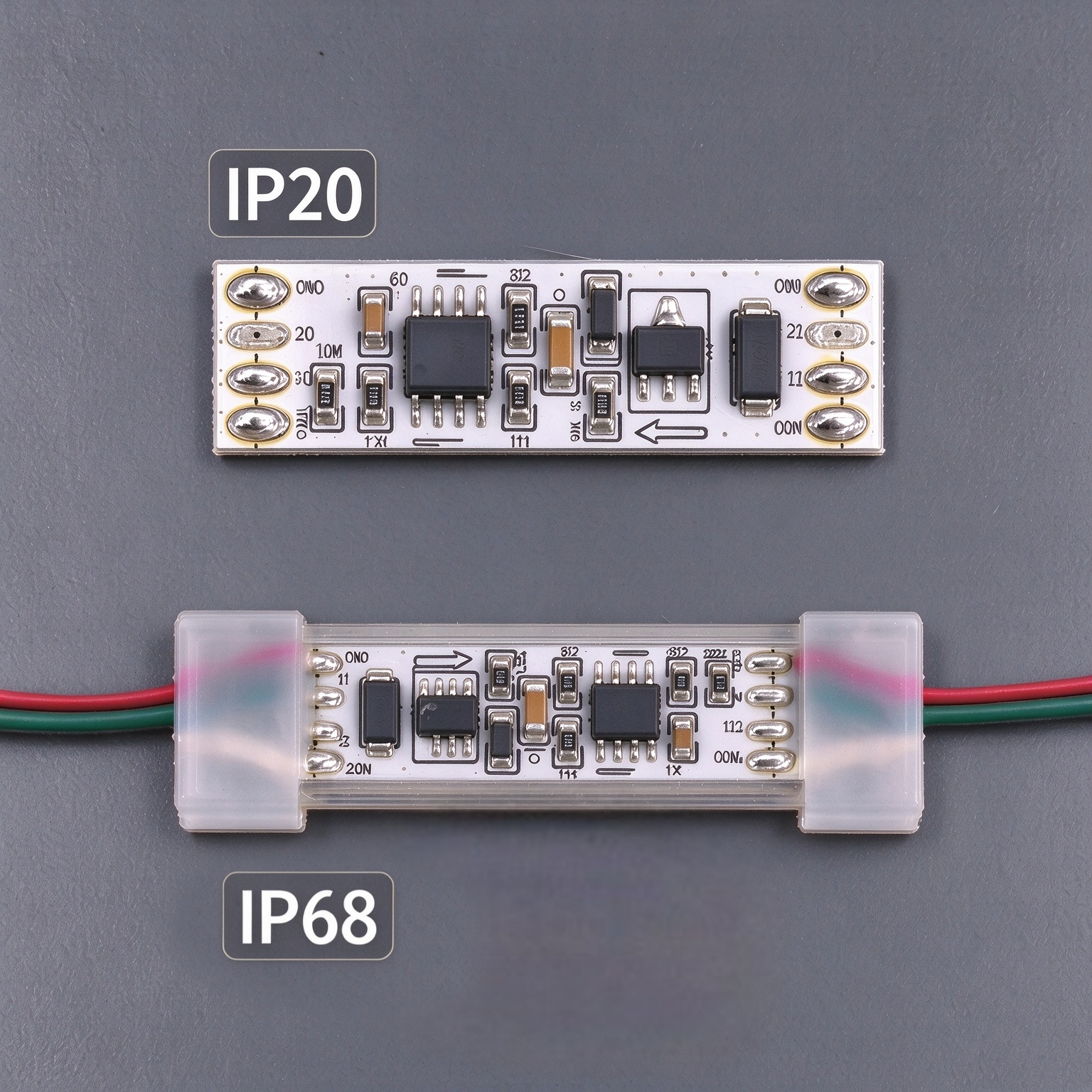
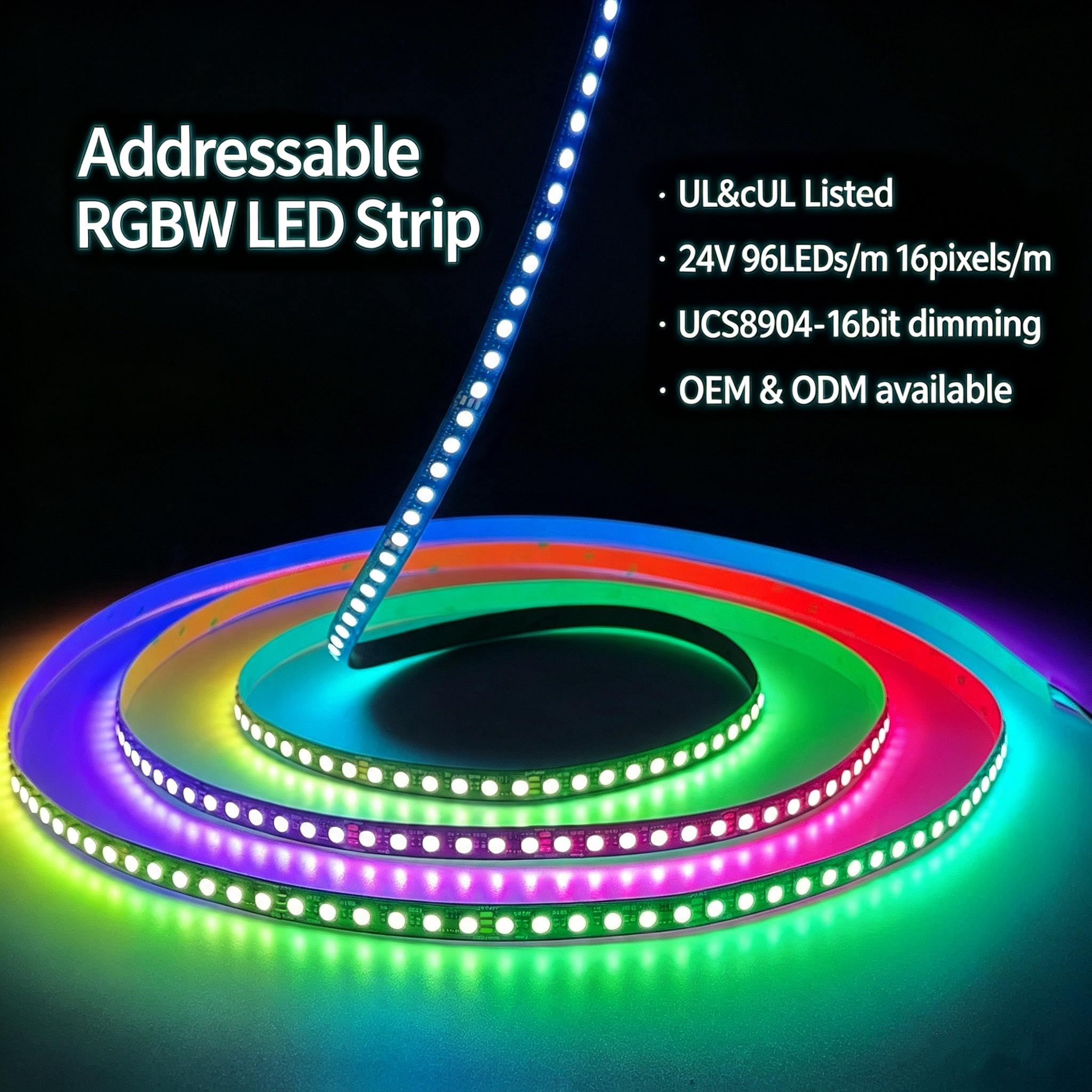
In modern architectural design, entertainment engineering, and commercial real estate development across Charlestown, the demand for dynamically controllable LED lighting systems has expanded exponentially. As historical infrastructure, waterfront promenades, and commercial venues undergo technology retrofits, engineering procurement teams require robust, high-performance pixel lighting solutions that comply with international safety frameworks while enduring demanding physical environments.
Sourcing direct from a certified RGB pixel strip manufacturer and factory provides system integrators, electrical contractors, and lighting designers in Charlestown with direct control over technical parameters: Integrated Circuit (IC) protocol selection, copper trace weight (2oz to 4oz PCB), thermal dissipation design, and color rendering indices (CRI95+ to CRI97+). CE certification ensures that electromagnetic compatibility (EMC standard EN 55015) and low voltage directive (LVD EN 60598-2-21) parameters are fully satisfied, mitigating RF interference with local wireless networks and professional AV equipment.
A primary architectural bottleneck when deploying pixel strips in Charlestown projects involves selecting the correct protocol architecture. Our manufacturing laboratory engineers digital strips across two master control topologies:
SPI-based pixel tapes utilize Data (and optionally Clock/Backup Data) lines. ICs such as UCS2904, UCS8904, SK6812, WS2811, and WS2813 fall under this category. SPI strips are optimal for high-density, high-frame-rate visual displays (up to 60 FPS video mapping) over medium cable runs.
For large-scale civic lighting installations, long perimeter facades, and integration with traditional lighting consoles (e.g., grandMA, ChamSys), native DMX512 microchips (such as UCS512, TM512AC) use RS-485 differential signaling. DMX512 strips operate across differential signal lines (A/B), enabling long transmission distances (up to 300 meters without signal repeaters) and high resistance against electromagnetic noise generated by nearby HVAC pumps or electrical mains in industrial facilities.
| Driver IC Protocol | Signal Type | Grayscale Depth | Voltage Input | PWM Frequency | Primary Application Scenario |
|---|---|---|---|---|---|
| UCS8904 | SPI (Single Data) | 16-Bit (65,536 levels) | DC5V / DC12V / DC24V | > 4.0 kHz | Broadcast Studios, High-End Theater, Smooth Low-End Dimming |
| UCS2904 | SPI (Single Data) | 8-Bit (256 levels) | DC12V / DC24V | ~ 1.2 kHz | Commercial Facades, Architectural Coves, Pixel Point Arrays |
| UCS512 / TM512AC | RS-485 DMX512 | 8-Bit or 16-Bit | DC12V / DC24V | ~ 2.0 kHz | Long-Run Bridges, Stadiums, Civic Infrastructure Integration |
| SK6812 RGBW | SPI (Single Data) | 8-Bit (256 levels) | DC5V / DC12V | ~ 1.2 kHz | Custom Displays, Signage, Interior Hospitality Accent Lighting |
| WS2814 (COB RGBW) | SPI (Single Data) | 8-Bit (256 levels) | DC24V | ~ 2.0 kHz | Continuous Dotless Linear Pixel Lines, Direct-View Channels |
Charlestown's urban landscape blends historic maritime brickwork with modern commercial waterfront venues. Selecting digital pixel lighting for this environment requires careful consideration of structural preservation, weather exposure, and visual aesthetics.
Utilizing DC24V UCS2904 RGBW pixel strips housed within architectural extrusion channels with optics (30° / 60° lens). The dedicated warm white chip (2700K) highlights historic red brick texture, while dynamic pixel scenes animate during civic events.
Exposed to high salt spray and atmospheric moisture along coastal zones. IP68 solid silicone-extruded pixel neon flex and point lights prevent moisture ingress, corrosion of copper traces, and UV degradation over multi-year installations.
High-density ArtNet-to-SPI matrix setups controlling 3D hanging pixel tubes and honeycomb linear video bars. ArtNet nodes like the A28A (64 Universes) interface directly with Madrix or Resolume software to display video content.
When procurement managers and lighting engineers in Charlestown evaluate manufacturing partners in Asia, several critical technical criteria dictate long-term success:
Running high-density 5V or 12V pixel strips beyond 5 meters typically results in severe voltage drop due to copper trace resistance, causing downstream color shifts (e.g., white turning pink). Our engineering factory mitigates this through two key design methodologies:
Excess heat build-up directly accelerates LED lumen depreciation and color shift. CE certified pixel strips manufactured by our facility incorporate thermal conductive adhesive tape (such as 3M 9495LE) or aluminum structural backings. For outdoor IP67/IP68 applications, we utilize full silicone liquid extrusion rather than low-cost PVC resin, ensuring the strip remains flexible down to -30°C without cracking, yellowing, or delaminating under UV exposure.
Shenzhen Fuvin Led Technology Co., Ltd. operates as an SGS-verified custom manufacturer, serving lighting brand owners, distributors, and large-scale integrators globally. Partnering directly with our production facility provides clear structural advantages:
 Shenzhen, Guangdong, China