

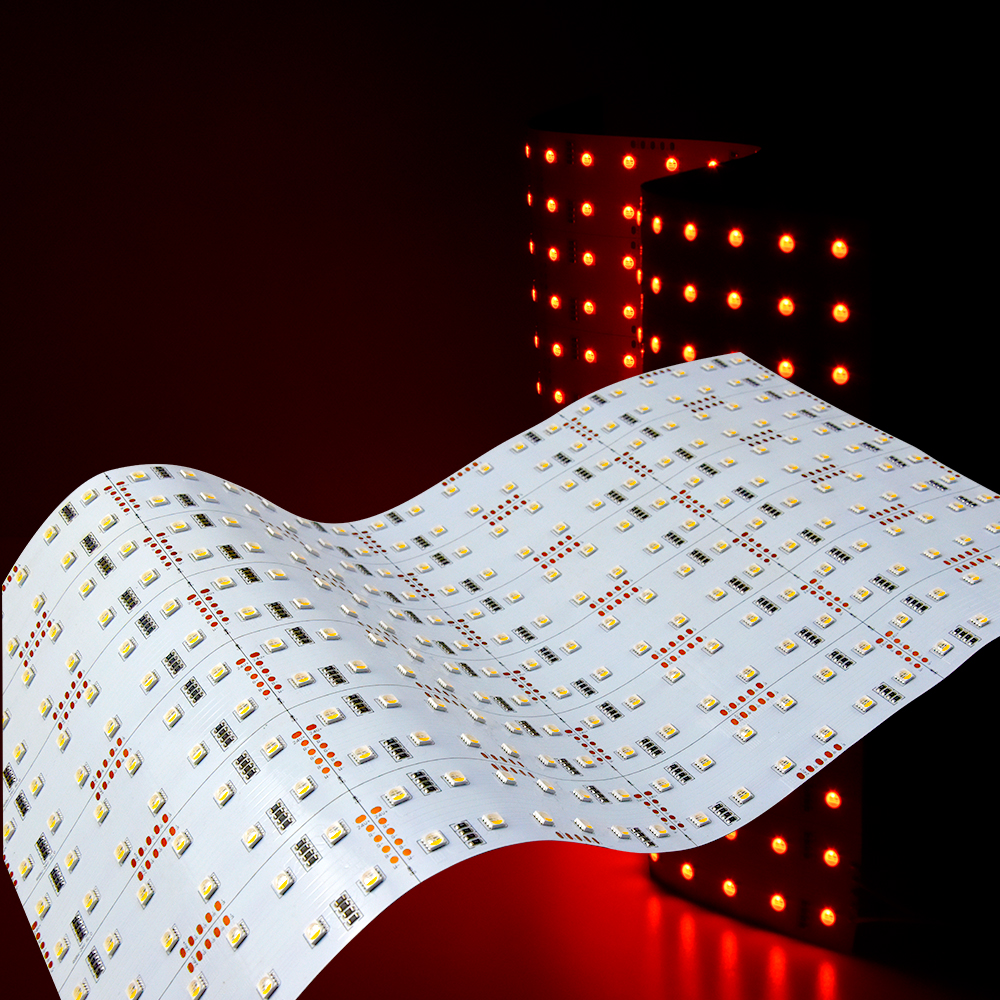
The San Francisco Bay Area—encompassing Silicon Valley corporate campuses, world-class entertainment venues along the Embarcadero, and high-density mixed-use developments in SoMa—demands standard-setting precision in dynamic digital lighting. As architectural facades, immersive tech installations, and professional event stages transition from static ambient light to real-time pixel-mapped media displays, engineering procurement teams face strict performance criteria: ultra-high frame rates, zero visible dimming steps, camera flicker immunity, and environmental resilience against coastal salt fog.
Serial Peripheral Interface (SPI) protocols have emerged as the primary signal standard for dense pixel LED installations due to their direct IC control capability and lower bandwidth overhead compared to traditional DMX512 RS-485 networks. However, sourcing reliable SPI controllers and addressable LED tape from verified Chinese manufacturers requires navigating complex technical parameters: IC chip timing, clock-line signal integrity, differential transceivers over long wire distances, and California Title 24 compliance.
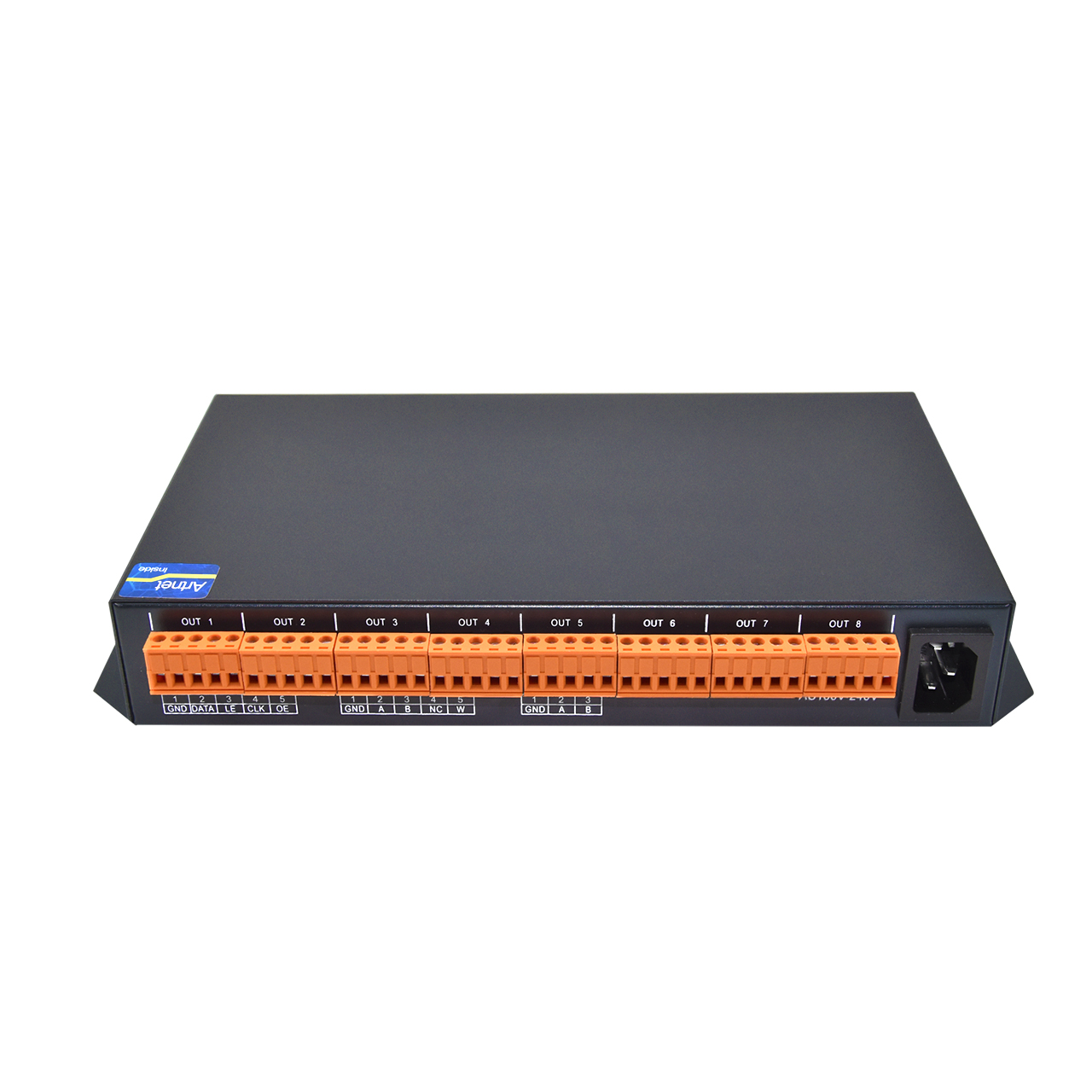
Shenzhen Fuvin Led Technology Co., Ltd. stands as an SGS-verified custom manufacturer specializing in advanced SPI controller gateways (such as the 64-Universe A28A ArtNet Series), 16-bit true grayscale pixel tapes (UCS8904B), and marine-grade IP67/IP68 neon flex. This whitepaper analyzes the engineering benchmarks required for the San Francisco procurement market and outlines direct factory export advantages.
When specifying digital LED lighting for commercial or stage projects in San Francisco, electrical engineers and lighting designers must evaluate the signal transport layer. SPI and DMX512 offer distinct operational characteristics depending on fixture density, refresh demands, and cable topology.
| Parameter | SPI (Serial Peripheral Interface) | DMX512 / RS-485 |
|---|---|---|
| Signal Format | Single Data (DATA) or Data + Clock (CLK/DATA) TTL 5V | Differential Voltage Signal (A/B lines over RS-485) |
| Channel Capacity | High Density (up to 1,024 to 2,048 pixels per output port) | 512 Channels (128 RGBW Pixels) per Universe |
| Data Transfer Rate | 800 kHz to 20 MHz (Chip dependent, e.g., APA102, WS2812) | Fixed 250 kbps Baud Rate |
| Maximum Cable Distance | 3–5 meters natively (Extendable to 300m via TTL-to-RS422 transceivers) | Up to 300 meters without active amplification |
| Addressing Mechanism | Auto-addressing via shift-register hardware architecture | Hard-coded chip addressing (Requires DMX Address Writer) |
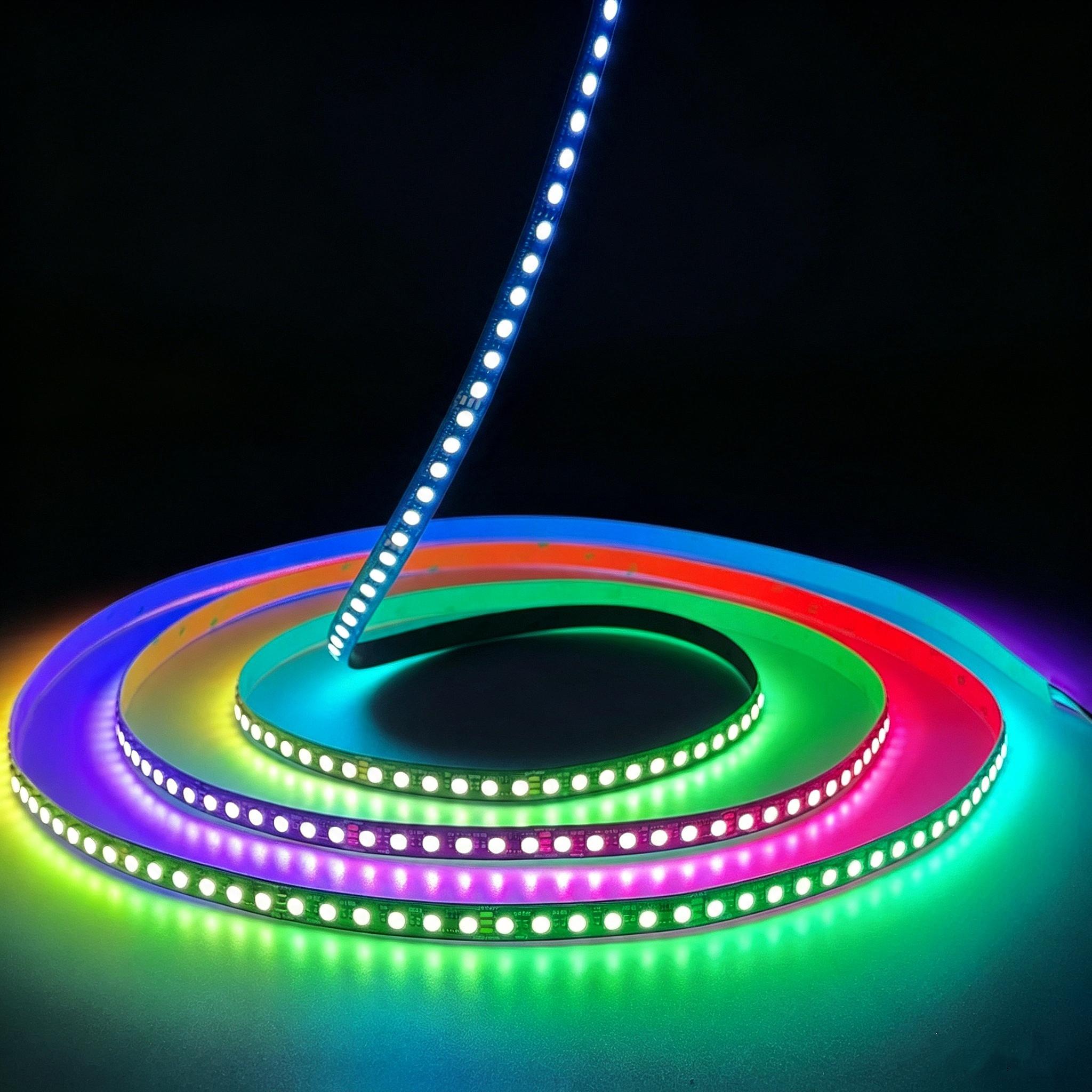
| Flicker & Dimming Depth | Up to 16-Bit Grayscale (65,536 levels via UCS8904) | Typically 8-Bit (256 levels), 16-Bit requires double universe routing |
| Target Application | Media facades, video pixel mapping, custom LED matrix displays | Building exterior outlines, long linear runs, DMX console rigging |
In high-end Silicon Valley media installations (e.g., LED video ceiling maps in tech lobbies), selecting the correct IC driver is paramount:
Corporate headquarters in Mountain View, Sunnyvale, and San Francisco's SoMa district utilize generative data art integrated into building architecture. Using the A28A 64-Universe ArtNet-to-SPI Gateway, media integrators map real-time data from TouchDesigner or Resolume over Ethernet via sACN/ArtNet directly into thousands of UCS2904 RGBW pixel strips, delivering low-latency visual displays.
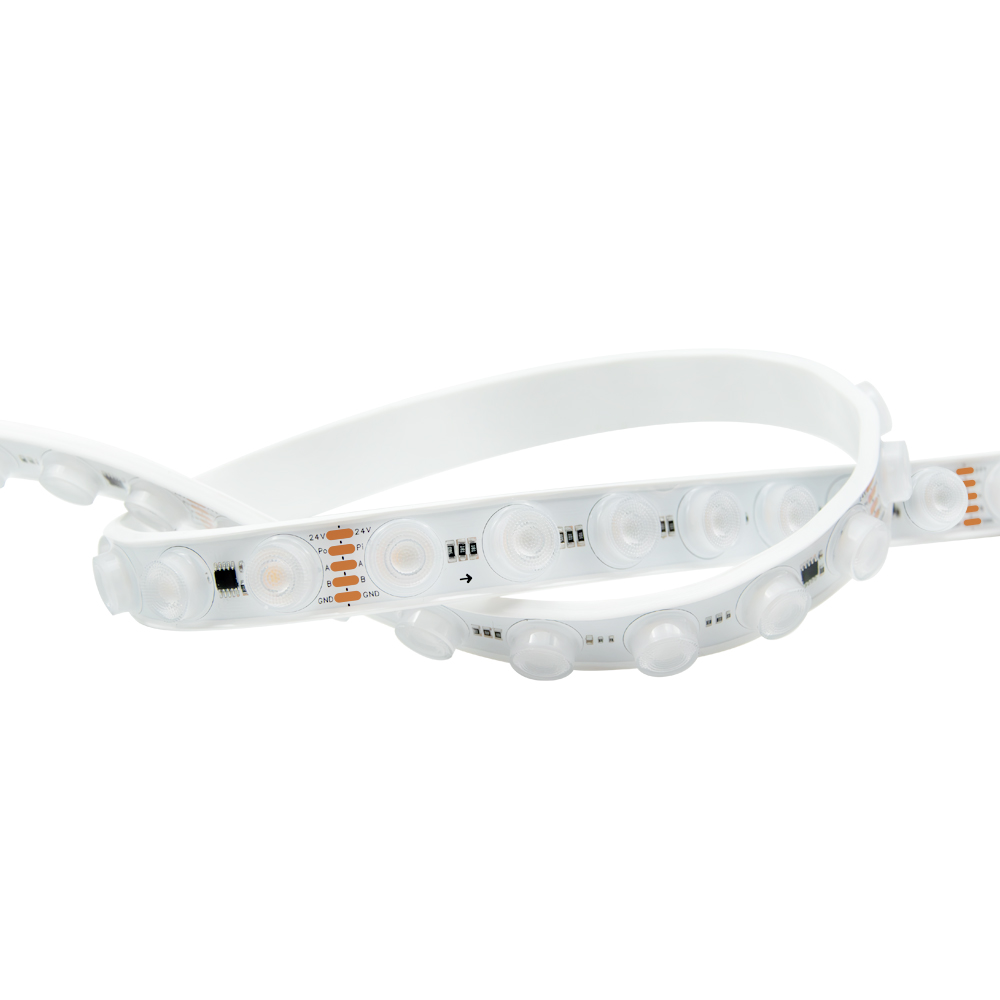
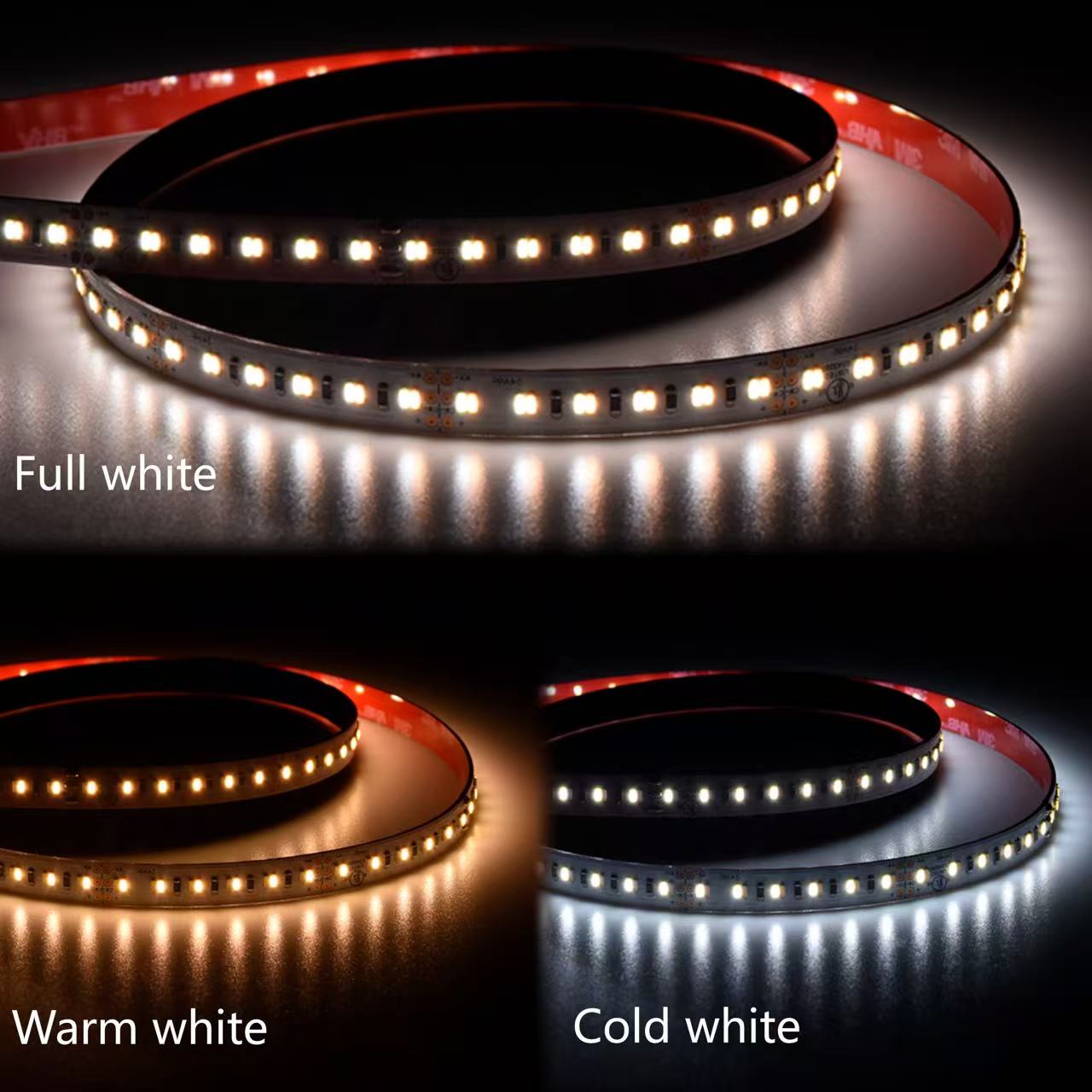
Clubs and restaurants in San Francisco's Mission and Castro districts require dark, warm micro-dimming without flicker. Sourcing UL & cUL listed UCS8904B 16-bit dimming RGBW strips paired with high-density 240LEDs/m CCT tunable white tape guarantees zero color shift, fulfilling California Title 24 low-voltage energy standards while preserving ambiance.
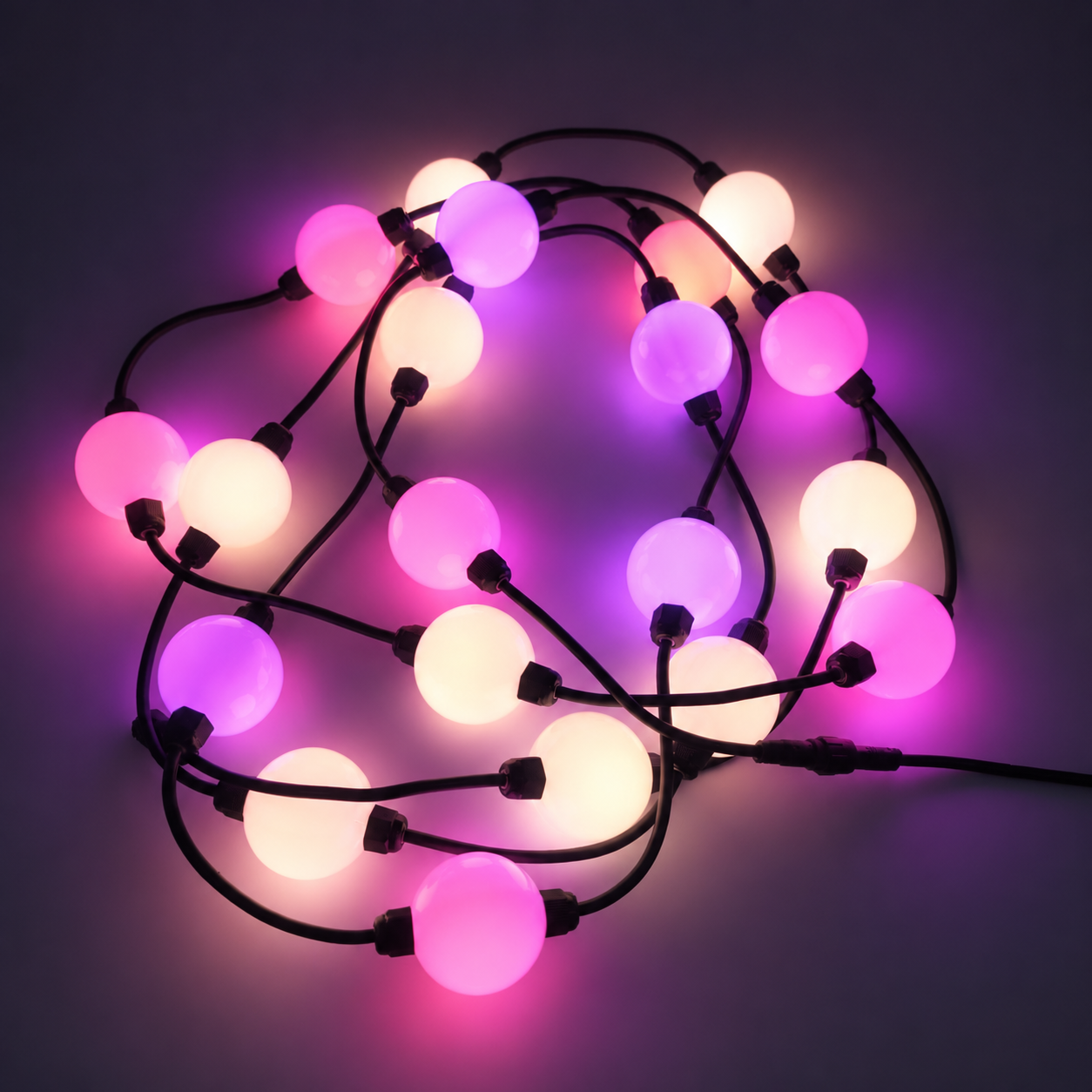
San Francisco's dense salt fog and maritime humidity degrade standard outdoor lighting within months. Our IP67/IP68 50mm 24V SPI/DMX Point Light Balls and D22 360° Silicone Neon Flex Tubes use extruded, UV-stabilized liquid silicone that prevents yellowing, salt corrosion, and moisture ingress from Pacific coastal weather.
Northern California is home to major music festivals and experiential art events (such as regional art burns and live DJ stage rigs). Production houses require field-repairable, multi-protocol SPI controllers compatible with WS2812, SK6812, and GS8208, backed by wide-voltage 5V-24V input isolation to withstand field generator fluctuations.
Exporting SPI controllers and pixel LED products into the San Francisco commercial market requires strict adherence to California codes, energy regulations, and electrical safety standards:
Northern California construction projects strictly enforce Title 24 of the California Code of Regulations. Addressable SPI fixtures specified for indoor commercial backlighting or cove applications must meet high Color Rendering Index (CRI > 90) standards and exhibit high efficacy (lumens per watt). Fuvin LED's UL CUL Listed High Density 240LEDs/m Tunable White Tapes are designed specifically for compliance with architectural energy targets.
Silicon Valley smart buildings demand integration between centralized Building Management Systems (BMS) and dynamic pixel displays. SPI control hardware must bridge standard Ethernet protocols (ArtNet IV, sACN E1.31) with low-voltage pixel tape arrays. The A28A ArtNet SPI Controller features built-in web configuration pages, static IP setup, and RDM compatibility, permitting seamless integration into Crestron, Lutron, or Madrix system backbones.
Electrical inspectors in San Francisco and San Jose require low-voltage LED drivers and strips to operate under Class 2 electrical limits (max 60V DC, 100W per circuit). Our 24V SPI pixel tapes (UCS2904, UCS8904B) lower overall amperage requirements, reducing wire gauge requirements while maintaining compliance with US NEC (National Electrical Code) wiring rules.
Shenzhen Fuvin Led Technology Co., Ltd. (located in Shiyan, Shenzhen) is an SGS-verified manufacturer specializing in OEM and ODM custom engineering of pixel strips, SPI controllers, and architectural fixtures. Sourcing directly from our factory provides structural procurement advantages for North American B2B buyers:
Our production facilities, SMT lines, electrical testing benches, and quality control procedures were audited and verified onsite by SGS Group, giving Bay Area buyers full transparency.
We are among the few factories producing genuine 16-bit dimming SPI strips (UCS8904B) with customized PCB trace widths (3oz to 4oz copper), minimizing voltage drop across long runs.
We offer full customization: IC protocol selection, PCB color, custom LED density, customized silicone extrusion profiles, private label printing, and tailored master carton packaging.
Established air and sea logistics channels directly into US West Coast ports (Oakland/San Francisco), complete with DDP customs clearance and UL/CE compliance documentation.
Send us your project drawings, channel count requirements, or target specifications. Our senior engineering team will respond within 12 hours with complete technical drawings, pricing, and sample packages.
 Shenzhen, Guangdong, China