Architectural Pixel Lighting Engineering for Coastal South Pacific Environments
Specifying exterior facade lighting for Apia and the surrounding islands of Samoa presents a unique set of micro-climatic challenges. The capital city's tropical ocean setting subjects luminaire hardware to continuous high relative humidity (averaging 80%+ year-round), aggressive salt spray corrosion, intense UV radiation index readings exceeding 11+, and heavy rainfall associated with Pacific wet seasons. For lighting designers, electrical contractors, and government infrastructure planners serving Apia, standard commercial-grade outdoor LED lighting frequently fails within 6 to 18 months due to moisture ingress, thermal choking, and lens yellowing.
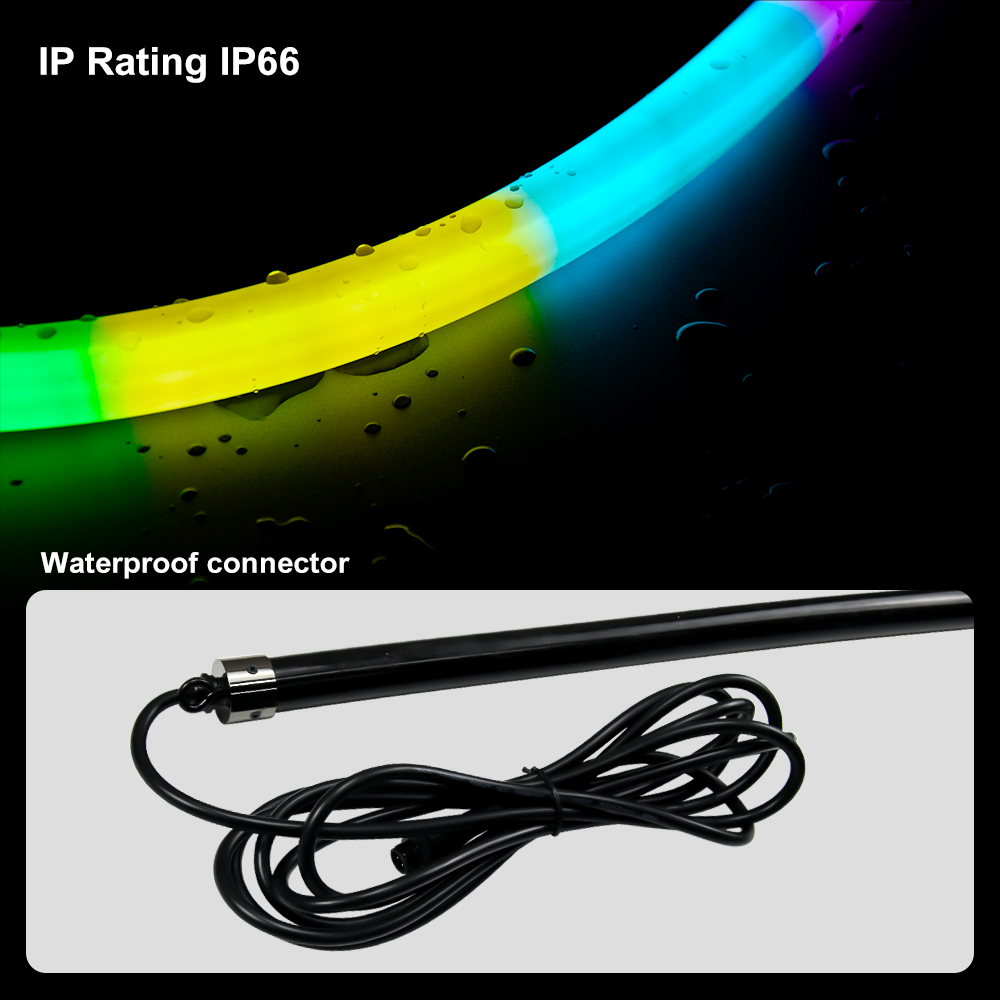
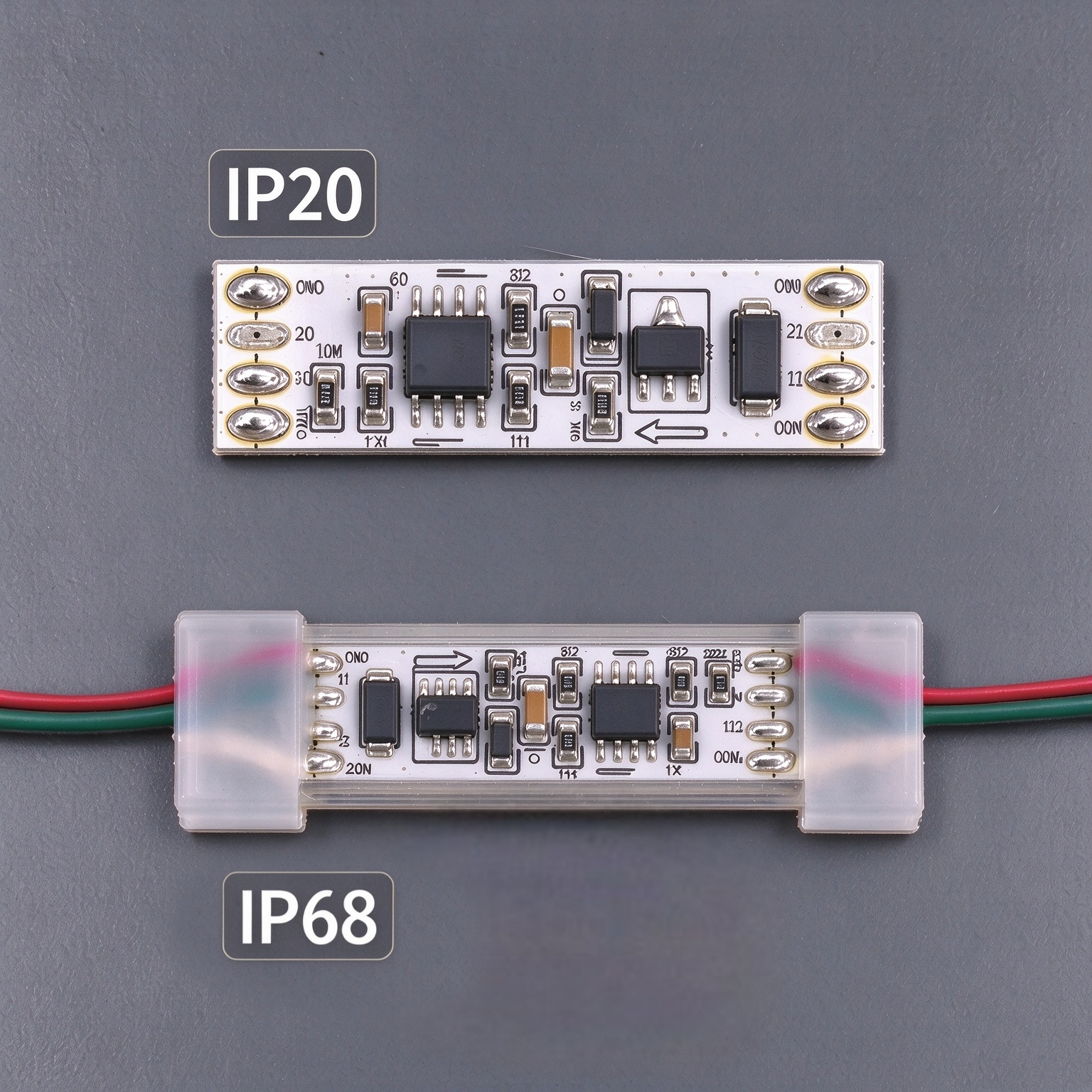
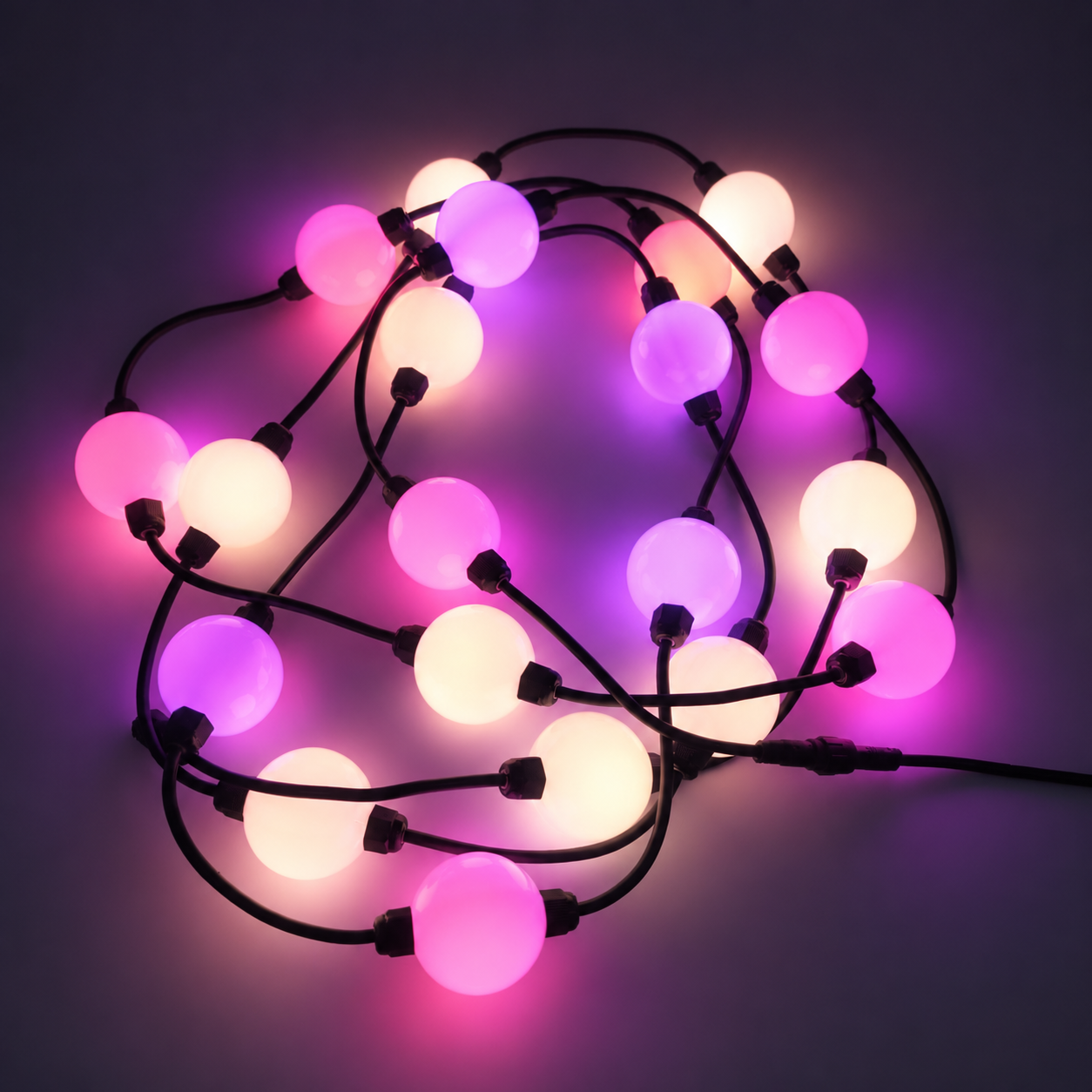
Shenzhen Fuvin Led Technology Co., Ltd. supplies industrial-grade, IP66 and IP68 waterproof RGBW LED pixel point lights specifically engineered for long-term survival in high-salinity maritime climates. By utilizing advanced optical-grade silicone potting, integrated UCS2904 and UCS8904 driver ICs, and marine-grade anti-corrosion housing materials, our architectural pixel luminaires provide verified performance across facade mapping, resort accents, and public urban illuminations in Apia.
Comparative Engineering Analysis: Standard Outdoor vs. Fuvin Marine-Grade Pixel Lights
To provide actionable information gain for procurement officers and engineering leads, the matrix below details the structural and electrical differences between commodity LED point lights and our specialized IP66 RGBW pixel nodes designed for South Pacific installations:
| Engineering Parameter |
Standard Outdoor Point Light |
Fuvin IP66/IP68 Marine Pixel Light |
Apia Environmental Benefit |
| Potting Material |
Standard Epoxy Resin or Polyurethane |
High-Purity Dow Corning Thermal Silicone |
Prevents cracking under intense UV radiation and rapid temperature shifts. |
| Ingress Protection |
IP65 (Glue-filled shell, pinholes likely) |
Hermetic IP66 / IP68 Injection Molding |
Resists torrential tropical rainstorms and direct ocean wave splash. |
| Control Protocol |
8-bit SPI (256 Grayscale Steps) |
16-Bit Grayscale (UCS8904 / UCS7604) |
Eliminates low-level dimming flicker on broadcast cameras and resort facades. |
| Anti-Corrosion Rating |
Basic ABS Plastic / Uncoated Aluminum |
C5-M Salt Spray Resistant Outer Housing |
Prevents physical deterioration from persistent coastal ocean air in Apia Port. |
| Thermal Dissipation |
Enclosed PCB without Heat Sink Path |
Direct Aluminum Core Substrate Heat Sink |
Ensures full LED lumen maintenance despite elevated ambient tropical temperatures. |
| Voltage Drop Resilience |
DC5V / Unbuffered DC12V |
DC24V IC Constant-Current Circuitry |
Enables continuous 20m+ runs along large architectural outlines without color shift. |
E-E-A-T Technical Benchmark: Every shipment of Fuvin RGBW pixel point lights undergo rigorous 48-hour powered aging tests, thermal shock chamber cycling (-40°C to +85°C), and 100% submersion testing before export. Our factory operations are independently audited onsite by SGS Group, assuring direct compliance with international lighting standards for global commercial project tenders.
Localized Application Scenarios in Apia and Across Upolu
Pixel-addressable RGBW LED point lights provide lighting architects with individual node control, enabling high-resolution dynamic video mapping, subtle ambient color transitions, and functional white illuminations on a single control network. In Apia, these systems serve multiple prominent sector deployments:
Luxury Resort & Overwater Bungalow Lighting
Apia's high-end hospitality sector along the coast requires non-glare, highly controllable architectural lighting. IP66 50mm and 40mm RGBW pixel points integrated into fascia boards, outdoor decking, and gazebo eaves allow resort managers to transition smoothly from crisp 3000K warm white dining atmospheres to vibrant dynamic lighting for cultural performances and evening events.
Apia Waterfront Promenade & Civic Monuments
Civic infrastructure along Beach Road and the Mulinu'u Peninsula benefits from high-density, IP68-rated pixel strings. Applied to pedestrian bridges, public plazas, and government facade outlines, DMX512 pixel point systems can be synchronized to national celebrations, such as Samoa Independence festivities and the annual Teuila Festival, with customized digital patterns.
Commercial Building Media Facades
Retail plazas and corporate offices in central Apia utilize grid-arrayed RGBW point lights to transform exterior curtain walls into low-resolution digital media screens. Running on ArtNet-to-SPI or direct DMX protocols, these systems display corporate branding, emergency public messaging, or decorative art without interfering with interior building sightlines.
Architectural Lighting Development Trends in Samoa
The lighting landscape in Samoa and the broader South Pacific region is evolving rapidly driven by eco-tourism investments, sustainable energy goals, and modernization of public spaces. Importers and electrical contractors serving Apia must align their specifications with these key trends:
1. High Efficacy & Solar-Paired DC Microgrids
With island power grids placing a premium on energy conservation, there is a strong shift toward DC24V high-efficiency RGBW pixel systems. Low power consumption per pixel node combined with direct DC power distribution allows easy pairing with solar-plus-storage microgrids popular in Samoan resort developments.
2. Shift to True 16-Bit Grayscale & Broadcast Optics
As international media coverage and high-definition tourism marketing expand in Samoa, lighting installations must perform flawlessly under video cameras. Traditional 8-bit LED pixels suffer from noticeable banding and strobe flicker. 16-bit chips (like UCS8904) ensure perfectly smooth fade transitions down to 0.1% brightness.
3. Extreme Weather & Cyclone Resilience
Samoa lies within the South Pacific tropical cyclone belt. Modern lighting tenders in Apia explicitly require aerodynamic pixel dome profiles, UV-stabilized anti-shatter polycarbonate lenses, and high-tensile flexible cabtyre cabling capable of resisting severe wind loads and flying debris.
4. Dark-Sky Compliant Coastal Optics
To protect ocean fauna and turtle nesting sites along Samoan coasts, facade pixel fixtures are increasingly specified with directional shielding, optical louvers, and dedicated warm-white (2200K-2700K) sub-pixels to minimize skyglow and marine light pollution.
Why Procurement Teams Serving Apia Partner with Fuvin LED
As a direct custom LED manufacturer operating out of Shenzhen's optoelectronics hub, Shenzhen Fuvin Led Technology Co., Ltd. bridges the gap between high-end architectural engineering and competitive factory pricing. We provide comprehensive B2B support for Pacific island project deliveries:
-
✓
SGS-Verified Manufacturing Facilities: Our production line features automated SMT placement, high-precision potting robotics, and stringent inline QC verification.
-
✓
Complete OEM & ODM Customization: We offer custom wire spacing, specialized mounting clips, customized wire gauge lengths, and tailor-made IC configurations (SPI UCS2904, UCS8904, SK6812, WS2814, DMX512 UCS512/TM512AC).
-
✓
Robust Export Logistics to Apia Port: We provide moisture-proof, vacuum-sealed packaging suited for multi-week ocean freight transits through South Pacific shipping channels.
-
✓
Full Compliance Documentation: Complete test certificates including CE, RoHS, and model-specific Declaration of Conformity (DoC) reports ready for customs clearance.
 Shenzhen, Guangdong, China