China flagShenzhen, Guangdong, China Onsite Verified by SGS Group [email protected]
B2B OEM/ODM Direct Factory Source

LED Pixel Lighting Manufacturer & Suppliers for Lithuania

Engineering high-performance SPI & DMX512 addressable LED strips, 360° pixel neon tubes, and architectural linear fixtures engineered for the Baltic climate (-30°C to +50°C).

Engineered LED Pixel Lighting Products

Commercial-grade addressable tapes, controllers, neon flex, and point sources specified for Lithuanian lighting integrators and wholesalers.

SGS
Onsite Verified Factory
16-Bit
UCS8904 True Grayscale
-30°C
Baltic Frost Resistance
100%
EU CE & RoHS Compliant

Lithuania’s Architectural & Entertainment Pixel Lighting Transformation

The commercial lighting market in Lithuania—stretching from the urban architectural hubs of Vilnius and Kaunas to the coastal maritime infrastructure of Klaipėda—has undergone a profound transition toward intelligent dynamic lighting. Integrators, architectural lighting designers, and event rental suppliers are increasingly moving away from static RGB lighting toward addressable LED pixel systems (SPI & DMX512).

Procuring LED pixel lighting directly from a verified OEM/ODM manufacturer in Shenzhen, China gives Lithuanian B2B buyers a distinct competitive edge. However, sourcing pixel systems for the Northern/Baltic European climate presents unique engineering challenges that standard off-the-shelf LED strips cannot solve.

Key Insight for Lithuanian Engineering Buyers: Winter temperatures across Eastern Europe frequently drop to -25°C to -30°C with severe relative humidity and coastal salt fog near Klaipėda. Standard PVC-jacketed LED neon flex cracks within one season. Specifying Dow Corning UV-stabilized liquid silicone housing with continuous IP67/IP68 rating is non-negotiable for long-term reliability.

Technical Trends Shaping the Baltic Pixel Lighting Market

  • Sub-Zero Thermal Durability: Demands for silicone extrusion strips that maintain flexibility at -30°C without micro-cracking or yellowing under intense summer UV exposure.
  • Broadcast-Grade Low-Brightness Dimming: Integration of 16-bit IC architectures (UCS8904 / UCS7604) providing 65,536 grayscale steps to eliminate camera flicker and step-dimming artefacts during broadcast events atŽalgiris Arena or National Opera stages.
  • Long-Distance Voltage Drop Mitigation: Adoption of 24V DC and 48V DC addressable architectures over legacy 5V/12V systems, permitting up to 10-meter single-end power feed runs on historical facades across Vilnius Old Town.
  • DMX512 / RDM & Art-Net Convergence: Synchronizing architectural facades with stage lighting networks using robust RS-485 differential signaling protocols.

Targeted Application Scenarios Across Lithuania

Tailored addressable LED pixel configurations engineered for specific local Baltic environmental and structural demands.

Historical & Modern Facades in Vilnius

Non-invasive mounting profiles combined with DMX512 IP68 rigid bars or 24V UCS2904 point lights. Designed to contour historical brickwork and glass facades along Konstitucijos Avenue without thermal stress or structural alterations.

Live Stage, Festivals & Arena Production

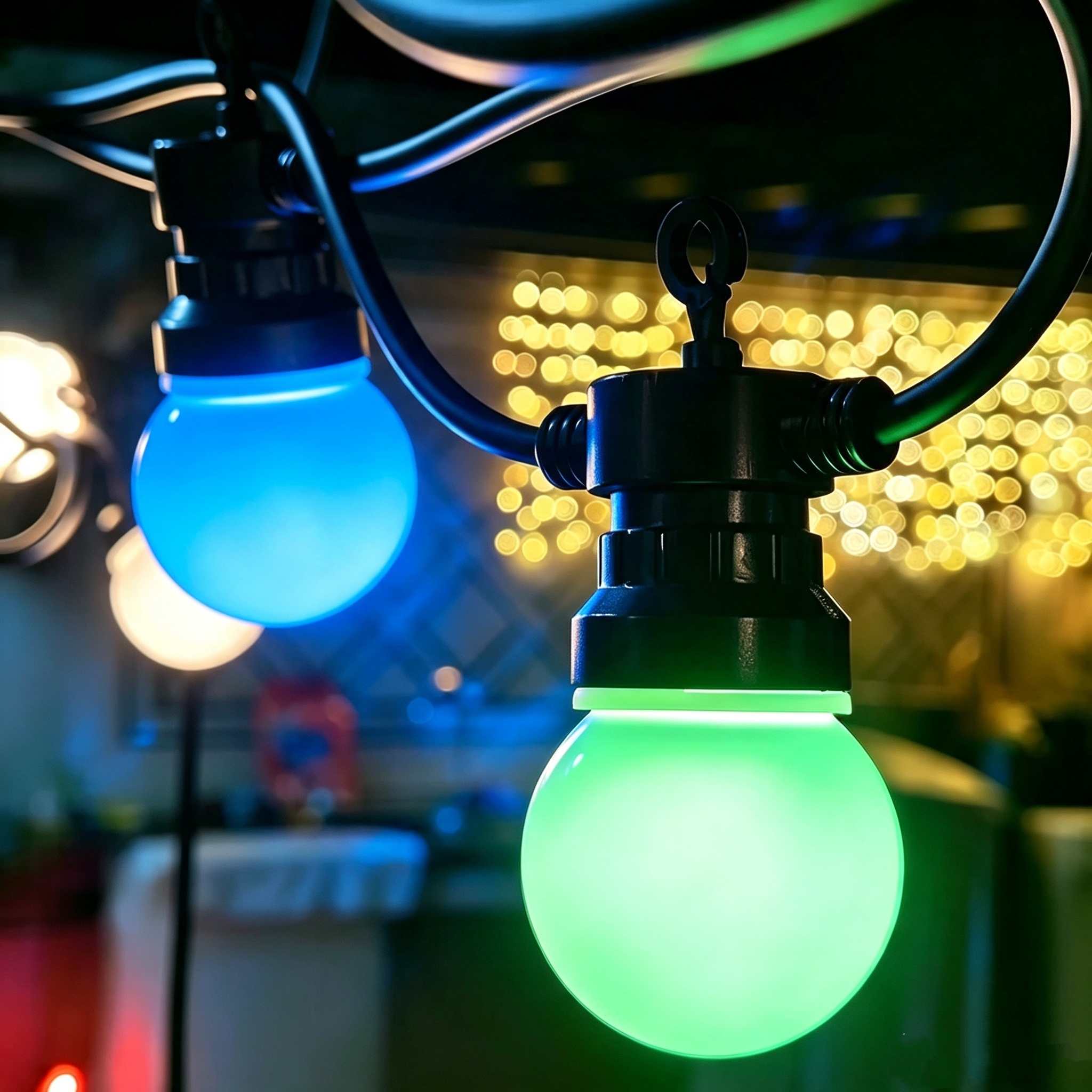
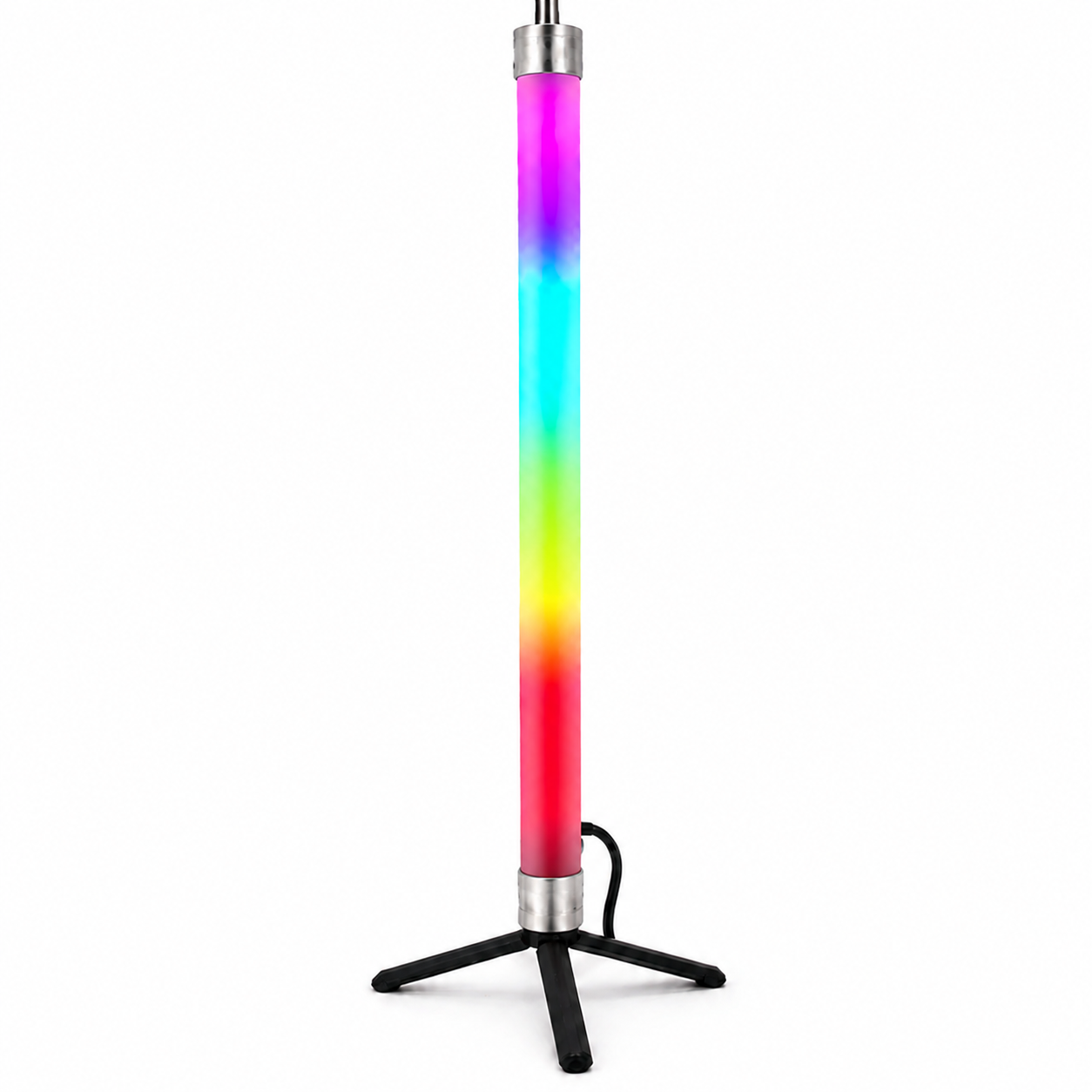
Kinetic 360° dynamic hanging DMX pixel tubes and D22 black silicone neon flex for Baltic music festivals and nightclub venues. Controlled seamlessly via Art-Net to SPI converters with zero latency visual mapping.

Commercial & Retail Malls (Akropolis/Panorama)

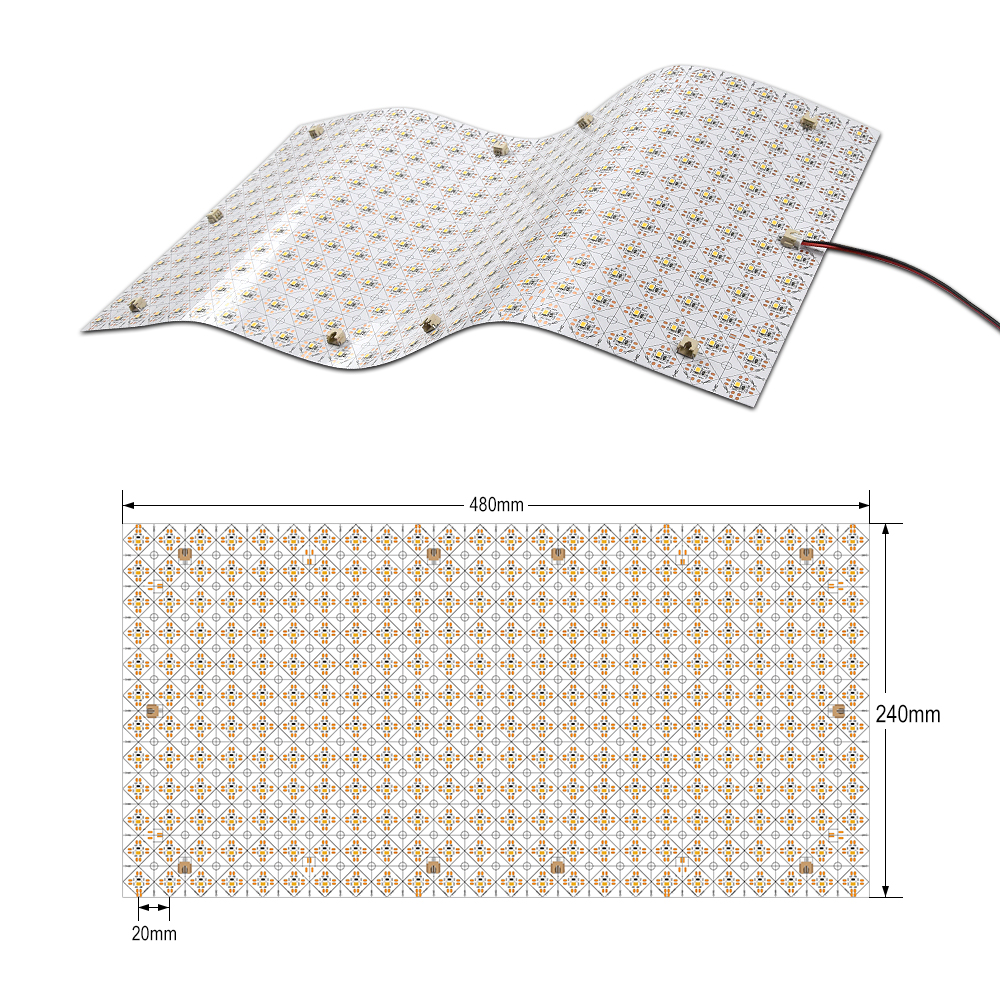
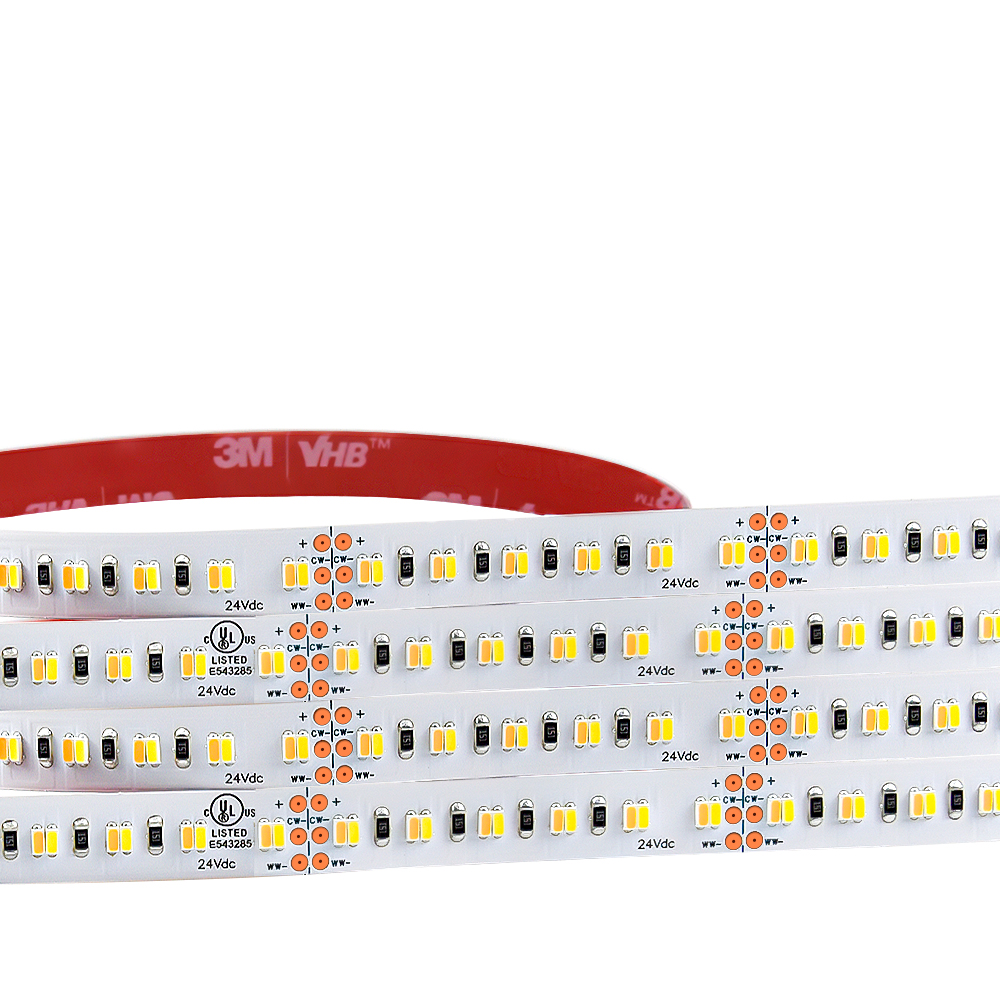
High CRI95 dual-white tunable tapes and 24V flexible CCT backlight panel sheets for luxury retail displays, casino light ceilings, and atrium light wells, maintaining strict energy compliance under EU regulations.

Technical Whitepaper: Choosing the Right Pixel Protocol for European Integrators

When specifying pixel lighting for European tenders, procurement managers often struggle to decipher the operational differences between various IC protocols. Below is an engineering benchmark crafted by our R&D department in Shenzhen to assist Lithuanian project managers in choosing the optimal architecture.

IC Protocol Signal Standard Grayscale Depth Operating Voltage Anti-Breakthrough Best Application
UCS8904 SPI (Single Data) 16-Bit (65,536) DC12V / DC24V No Stage, TV Broadcast, High-End Architectural Fade
UCS2904 SPI (RGBW 4-CH) 8-Bit (256) DC12V / DC24V No Commercial Facades, Decorative Strings, Festoons
DMX512 (UCS512) RS-485 Differential 8 / 16-Bit DC12V / DC24V Yes (Parallel Data) Long-Distance Outdoor Facades, City Bridges
WS2814 SPI (RGBW COB) 8-Bit (256) DC24V No Dot-Free Linear Coves, Low-Clearance Channel Letters
SK6812 SPI Single Wire 8-Bit (256) DC5V / DC12V No Custom Displays, Signage, Short-Run Interior Accent

Why 16-Bit Grayscale (UCS8904) Matters for Baltic Winter Environments

In Lithuania, winter nights can extend up to 17 hours per day. Facade lighting systems operate for long periods at ultra-low intensity levels (1% to 10% dimming) to conserve energy while maintaining ambient aesthetic highlights.

Standard 8-bit ICs (256 steps per channel) exhibit visible light jumps or "stepping" at lower dimming thresholds. Under broadcast camera lenses, this produces severe visual flicker. UCS8904 ICs provide 65,536 steps of smooth analog-like logarithmic dimming curves, ensuring absolute visual perfection even when dimmed down to 0.1% output.

Signal Transmission: SPI vs. RS-485 DMX512

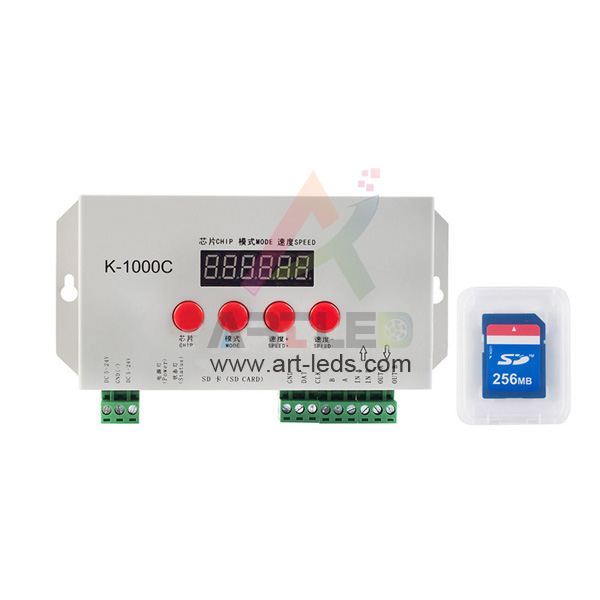
For indoor installations or localized stage setups under 15 meters, single-wire SPI signals (e.g., WS2811, UCS2904) offer cost-effective, high-refresh pixel driving via SD card controllers like the K-1000C. However, for expansive outdoor building perimeters where signal cables must pass high-voltage elevator shafts or heavy industrial machinery, DMX512 differential signaling (RS-485) is required.

DMX512 utilizes dual balanced signal wires (A and B). Electromagnetic interference affects both wires equally, allowing receiver chips to cancel noise efficiently. Furthermore, with handheld write-address tools (e.g., MR-WT35), each section's DMX channels can be readdressed dynamically in the field without disassembling the fixtures.

Shenzhen Fuvin Led Technology — Manufacturing Advantages

Direct production capacity, strict engineering standards, and complete export documentation for European buyers.

Onsite Verified by SGS Group

Our state-of-the-art facility located in Shiyan Street, Shenzhen is verified on-site by SGS Group. We operate dedicated automatic SMT lines, ultrasonic neon extrusion lines, and automated silicone potting machinery to ensure absolute quality control.

12-Step Rigorous QA Workflow

Every production batch undergoes a 12-step quality verification route: raw material inspection, automated SMT, high-voltage insulation tests, 100% full-load 24-hour burn-in aging tests, optical integrating sphere color consistency checks, and vacuum moisture-proof packaging.

Custom OEM / ODM Capability

Tailored PCB copper thickness (3oz / 4oz for minimal resistance), customized LED density, customized wire lengths with anti-cold IP68 waterproof connectors, customized brand labeling, and specialized thermal management design.

Complete EU Regulatory Compliance

Products exported to the Baltic States come accompanied by full CE (EMC & LVD), RoHS 2.0 certificates, and official Declaration of Conformity (DoC) documentation for swift clearance through Lithuanian customs authorities.

Frequently Asked Questions for Lithuanian Buyers

Addressing common technical, shipping, and regulatory inquiries for importers and integrators.

Q1: How do your outdoor pixel products handle extreme cold in Baltic winters (-25°C to -30°C)?
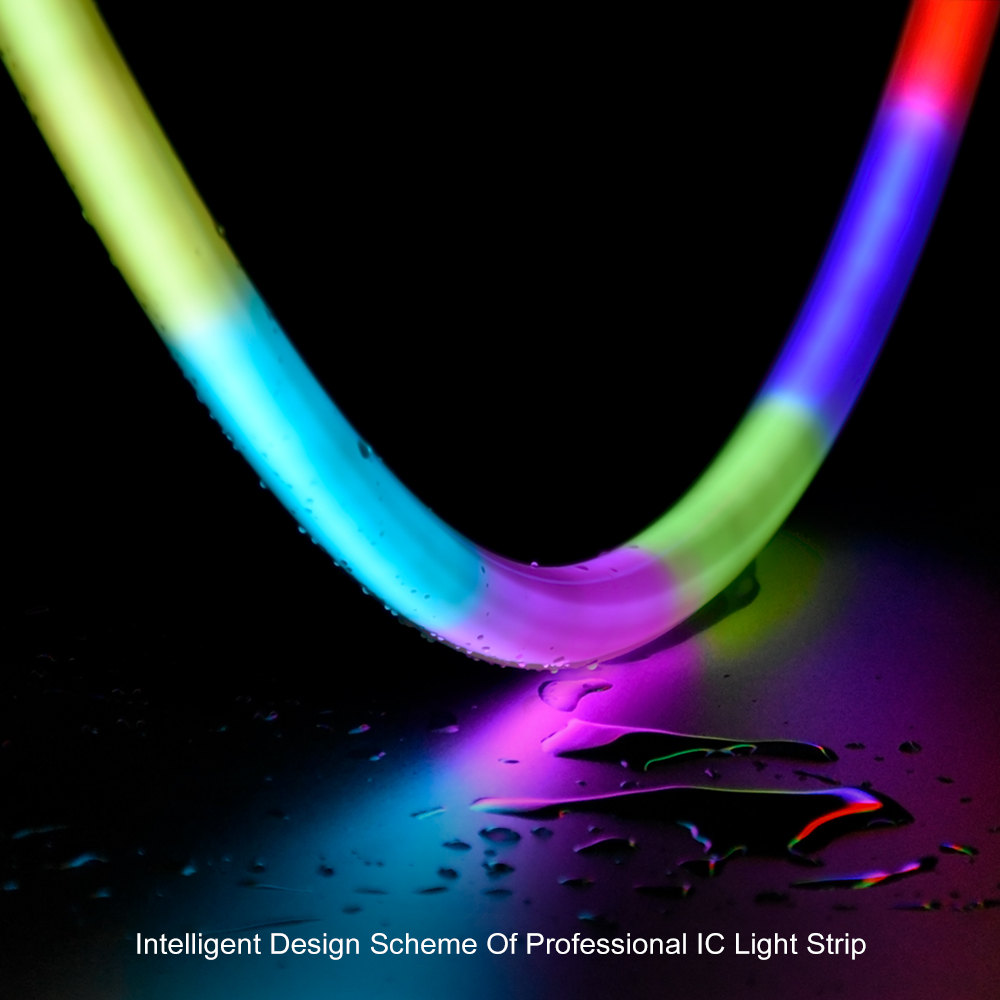
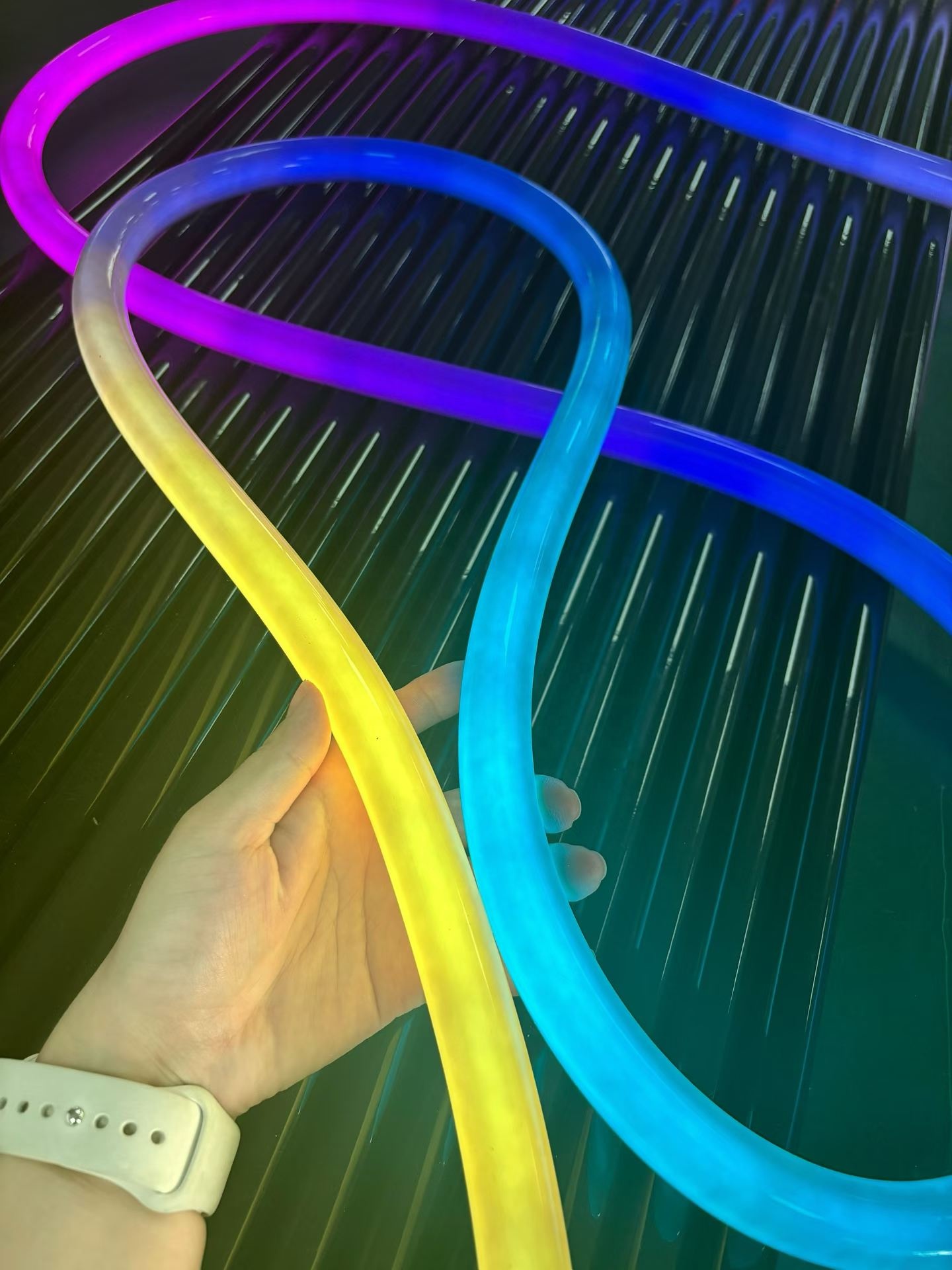
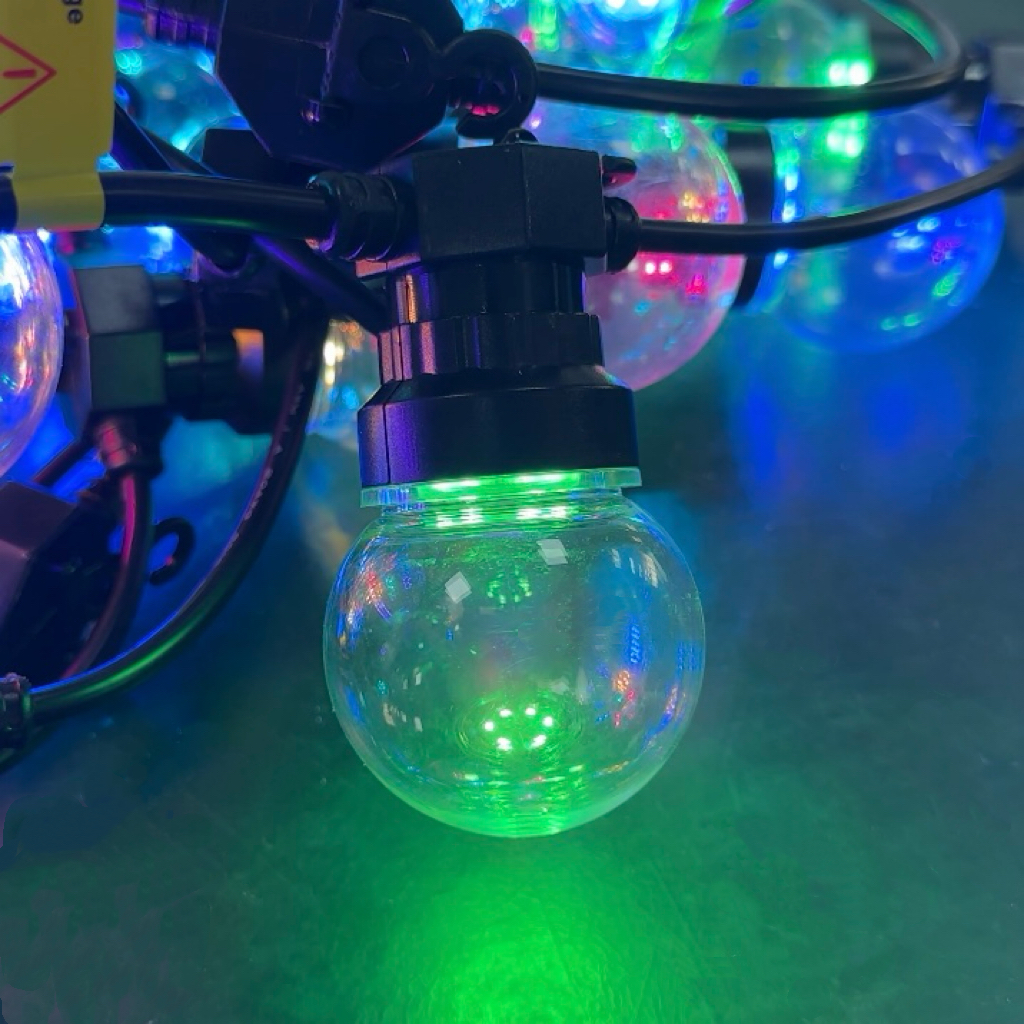
Our outdoor addressable pixel products (such as the 360° D22 silicone neon flex, G50 festoons, and IP67 point sources) utilize food-grade, high-elasticity liquid silicone extrusion rather than low-cost PVC. Silicone retains structural elasticity and optical clarity down to -40°C without cracking, stiffening, or tearing under ice load.
Q2: What is the lead time and shipping process to Lithuania (Vilnius, Klaipėda)?
Standard OEM production leads require 7 to 12 working days depending on order complexity. For urgent stage or event projects, express air freight (DHL/UPS/FedEx) delivers directly to your door in 5 to 7 days. Sea freight or railway freight to Klaipėda port or Vilnius logistics terminals takes approximately 25 to 35 days for larger container shipments.
Q3: How do we prevent voltage drops on extended architectural pixel strip runs?
We recommend specifying 24V DC or 48V DC addressable pixel tapes over standard 5V/12V options. Additionally, we engineer 3oz or 4oz pure copper PCBs to reduce internal resistance. For runs exceeding 5 to 10 meters, our technical team provides detailed wiring schematics indicating precise power injection points.
Q4: What certifications are included with orders delivered to the European Union?
All shipped products comply with EU standards and are backed by CE-EMC, CE-LVD, and RoHS test reports. Selected commercial lighting strips also possess UL/cUL certifications. Full Declaration of Conformity (DoC) documentation is supplied for EU customs compliance.
Q5: Can you assist with controller mapping and Art-Net configuration?
Yes. Our senior engineering team provides comprehensive project consultation. Send us your CAD drawings or lighting layouts, and we will calculate total power consumption, select matching SD-card (K-1000C) or Art-Net controllers, and prepare DMX channel mapping diagrams prior to shipment.

Start Your Next Pixel Project with Factory-Direct Precision

Contact our engineering sales team today for custom technical proposals, product samples, and direct B2B manufacturer pricing tailored for the Lithuanian market.

Get a Quote