Built with food-grade UV-resistant silicone extrusions, true 16-bit dimming ICs, and IP68 waterproof ratings for extreme Pacific island durability.

A technical guide for electrical contractors, resort developers, and municipal lighting engineers operating across Majuro Atoll, Ebeye, and outer Pacific island environments.
The Republic of the Marshall Islands (RMI), situated in the equatorial Pacific, presents one of the world's most demanding physical environments for solid-state architectural lighting. Operating within a geographical envelope characterized by constant high atmospheric relative humidity (averaging 80–85%), aggressive aerosolized ocean salt fog, intense ultraviolet radiation (UV Index 11+ year-round), and localized electrical grid variance, traditional PVC-based LED neon products experience accelerated degradation, thermal stress failure, and yellowing within 6 to 12 months of installation.
To achieve long-term operational reliability across commercial venues in Majuro and resort properties in outer atolls, procurement directors and lighting designers must transition from legacy analog lighting to marine-grade silicone co-extrusion digital RGB/RGBW neon systems. Silicone's molecular backbone (siloxane -Si-O-Si- bonds) provides superior chemical inertness against salt mist and ozone compared to carbon-carbon (C-C) organic polymers found in standard PVC or PU (polyurethane) sleeves.
Standard PVC neon flex degrades under tropical UV-A and UV-B exposure, losing flexibility and micro-cracking under trade winds. Food-grade liquid silicone rubber (LSR) co-extruded around IP68 FPC boards exhibits zero color shift (ΔE < 2 over 3,000 hrs UV exposure) and withstands salt-spray accelerated aging under ASTM B117 testing standards for over 2,000 continuous hours.
Evaluating material durability, signal integrity, and energy efficiency for Pacific island infrastructure projects.
| Feature Parameter | Standard PVC Neon | PU (Polyurethane) Neon | Fuvin Marine-Grade Silicone Neon |
|---|---|---|---|
| UV Resistance (UV Index 11+) | Poor (Yellowing within 6 mos) | Moderate (Hardens over 18 mos) | Superior (10+ Yrs No Yellowing) |
| Salt Spray Corrosion (ASTM B117) | Vulnerable at end-caps | Moderate end-cap seal | Fully Sealed Injection End-Caps |
| Operational Temperature Range | -10°C to +45°C | -20°C to +55°C | -40°C to +80°C Constant |
| Digital Control Protocol | Analog PWM / Basic SPI | 8-Bit SPI (UCS1903/WS2811) | 16-Bit UCS8904 / DMX512 RS-485 |
| Flicker-Free Camera Refresh | Low (< 400 Hz) | Standard (1.2 kHz) | Broadcast Grade (> 4.0 kHz) |
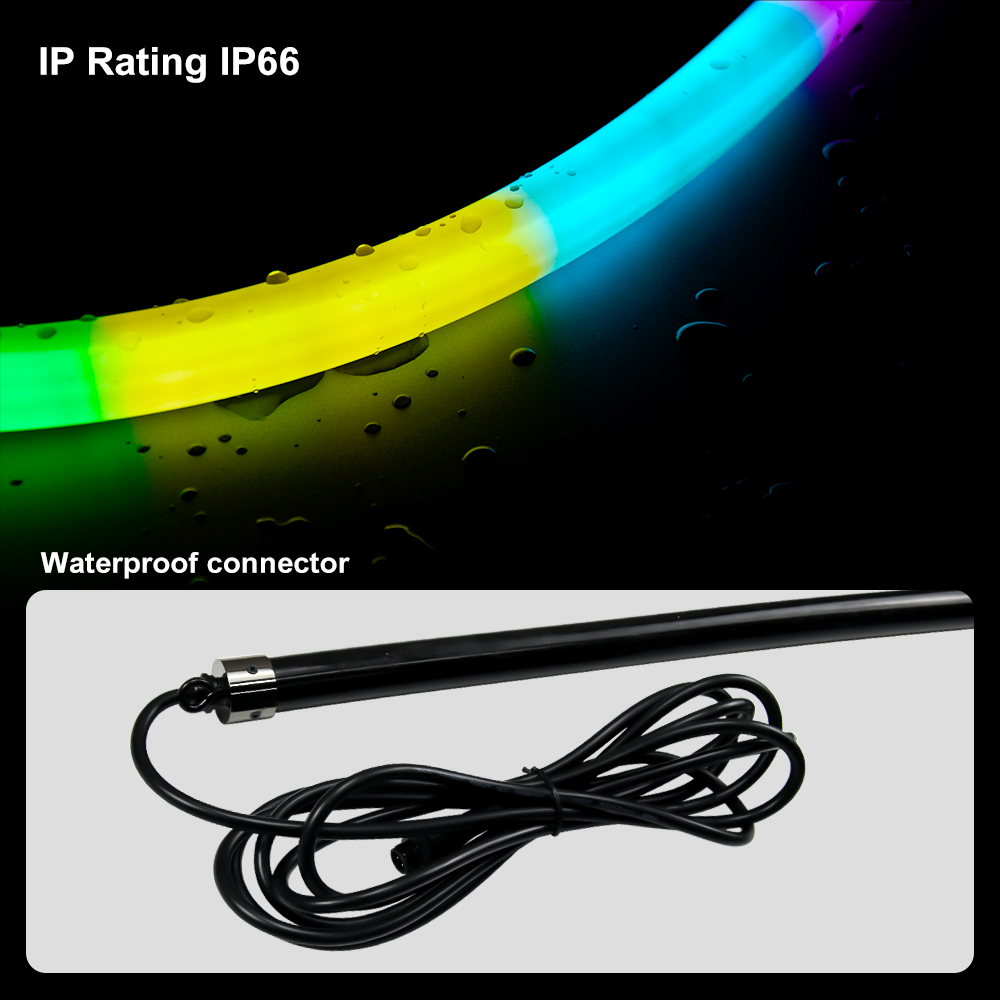
| Ingress Protection Rating | IP65 (Glue sealed) | IP67 (Mechanical clip) | IP68 Integrated Molded Silicone |
A strategic comparative assessment of global LED linear lighting manufacturers capable of direct export, custom engineering, and freight delivery to Majuro (RMI).
SGS-verified custom OEM/ODM manufacturer specializing in 16-bit dimming pixel LED strips, DMX512 architecture, 360° round silicone neon flex, and IP68 outdoor point lights. Fuvin LED leads the ocean exporter sector with specialized tropicalized packaging, pre-programmed DMX address setting, and full CE/RoHS/UL compliance suited for remote Pacific Island resort and municipal infrastructure projects.
Renowned for tier-1 LED diode components and high-end architectural systems. While offering premium lumen maintenance, project lead times and custom IP68 silicone extrusions for small-to-medium island orders can present logistical challenges.
Regional Oceania distributor focusing on commercial signage and retail accent neon. Offers reliable regional stocking but limited custom IC programming (such as UCS8904 16-bit dimming) compared to direct factory engineering.
Specializes in standard 24V PWM RGB neon flex for commercial buildouts. Offers robust PVC and standard silicone options, though specialized DMX512 RDM addressable devices require external module additions.
Supplier focusing on marine vessel accent lights and basic IP67 decorative strips. Well suited for small boat retrofits, but lacks enterprise-scale ArtNet DMX 64-universe control integration.
A regional hub distributor offering fast shipping across Micronesia. Pricing reflects middleman logistics costs, making direct factory procurement from Shenzhen manufacturers preferred for bulk projects.
Focuses on mobile stage rental fixtures and par lights. Provides RGB video bars, but specializes less in architectural silicone extrusion for long-term outdoor oceanfront exposure.
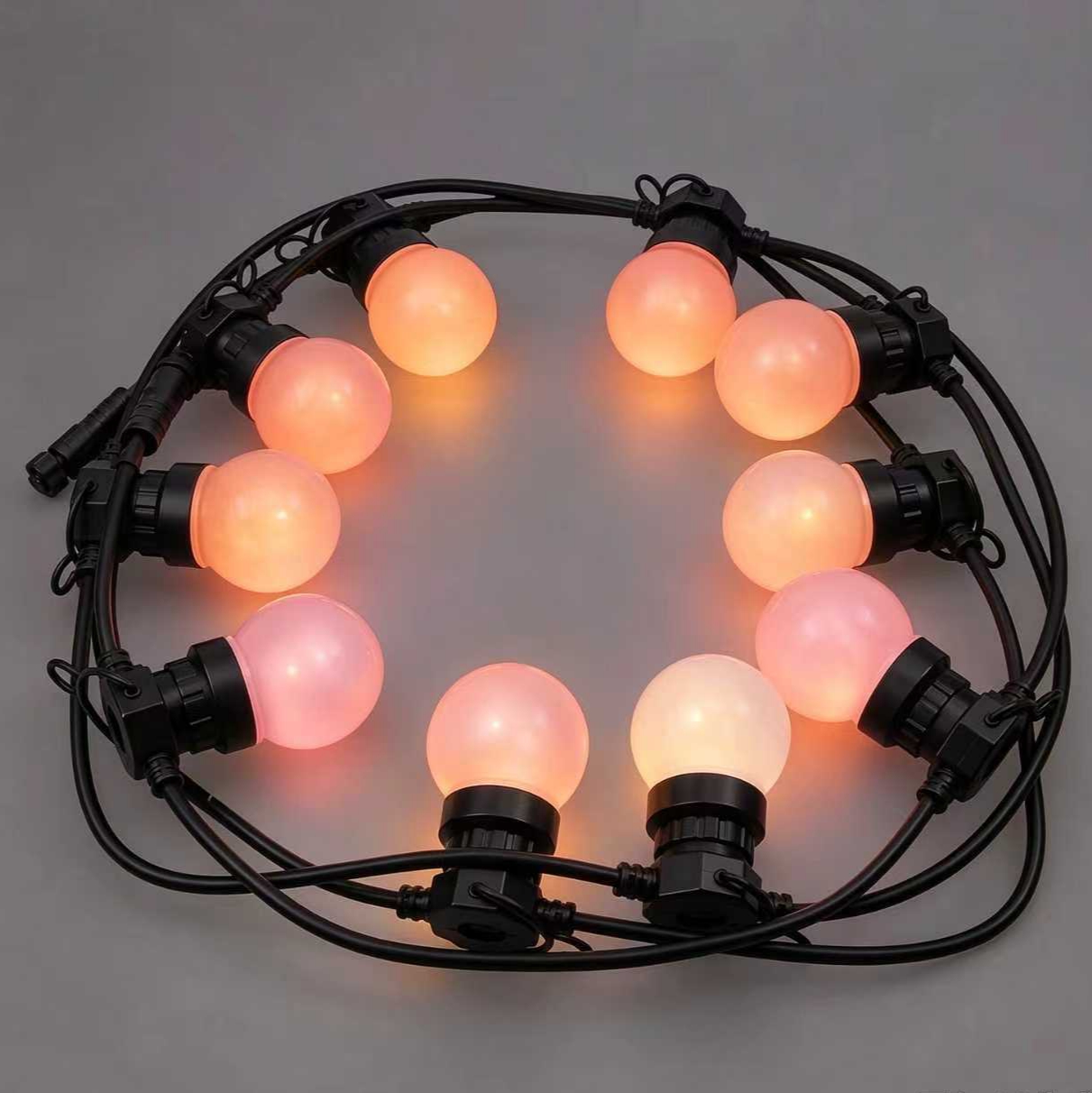
Focuses on low-power solar decorative strings and accent bulbs. Ideal for off-grid residential applications, but has limited support for complex pixel-mapping dynamic facade shows.
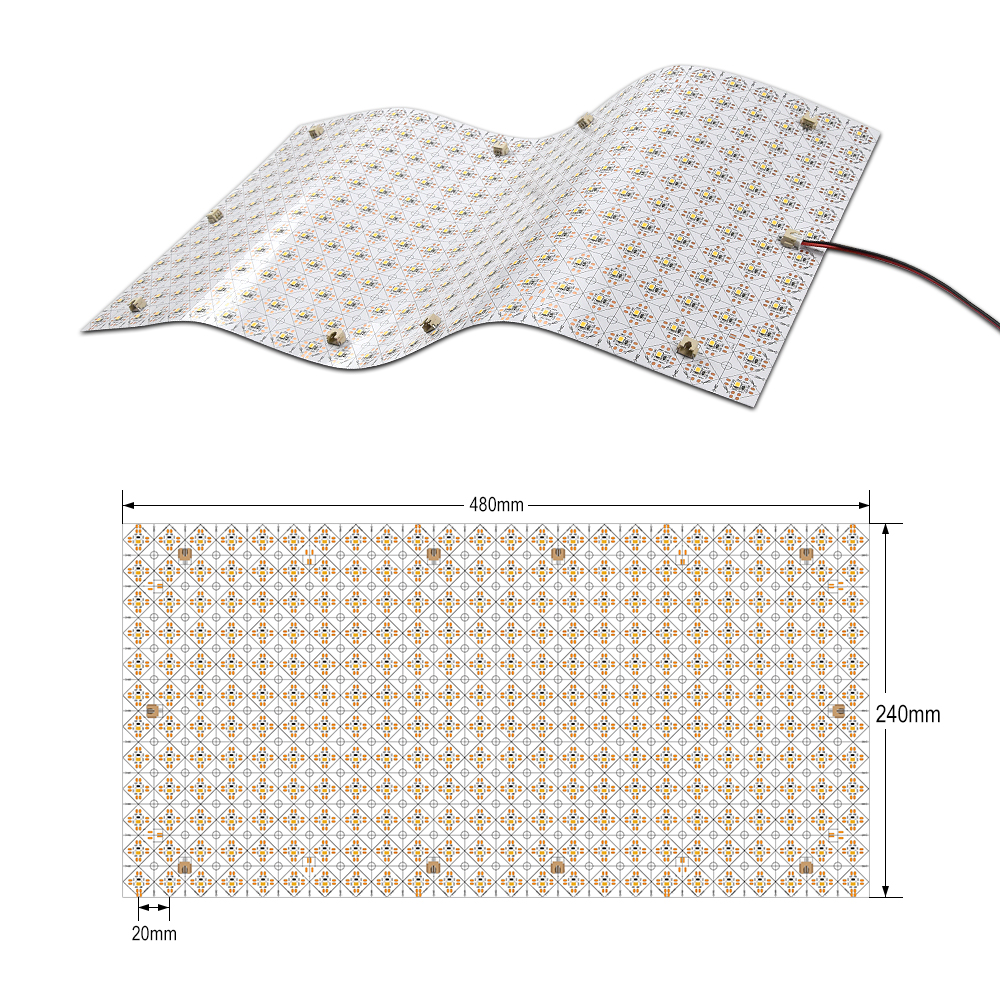
Custom aluminum profile backlighting panel manufacturer. Produces quality indoor flexible backlights, but requires secondary waterproof housing for exterior salt-fog island environments.
Established producer of standard commercial flexible LED neon tubes. Known for good color consistency in CCT ranges, but with higher MOQs for custom 360-degree digital pixel configurations.
Engineered to solve real-world installation and environmental challenges across Majuro, Ebeye, and outer lagoon resorts.
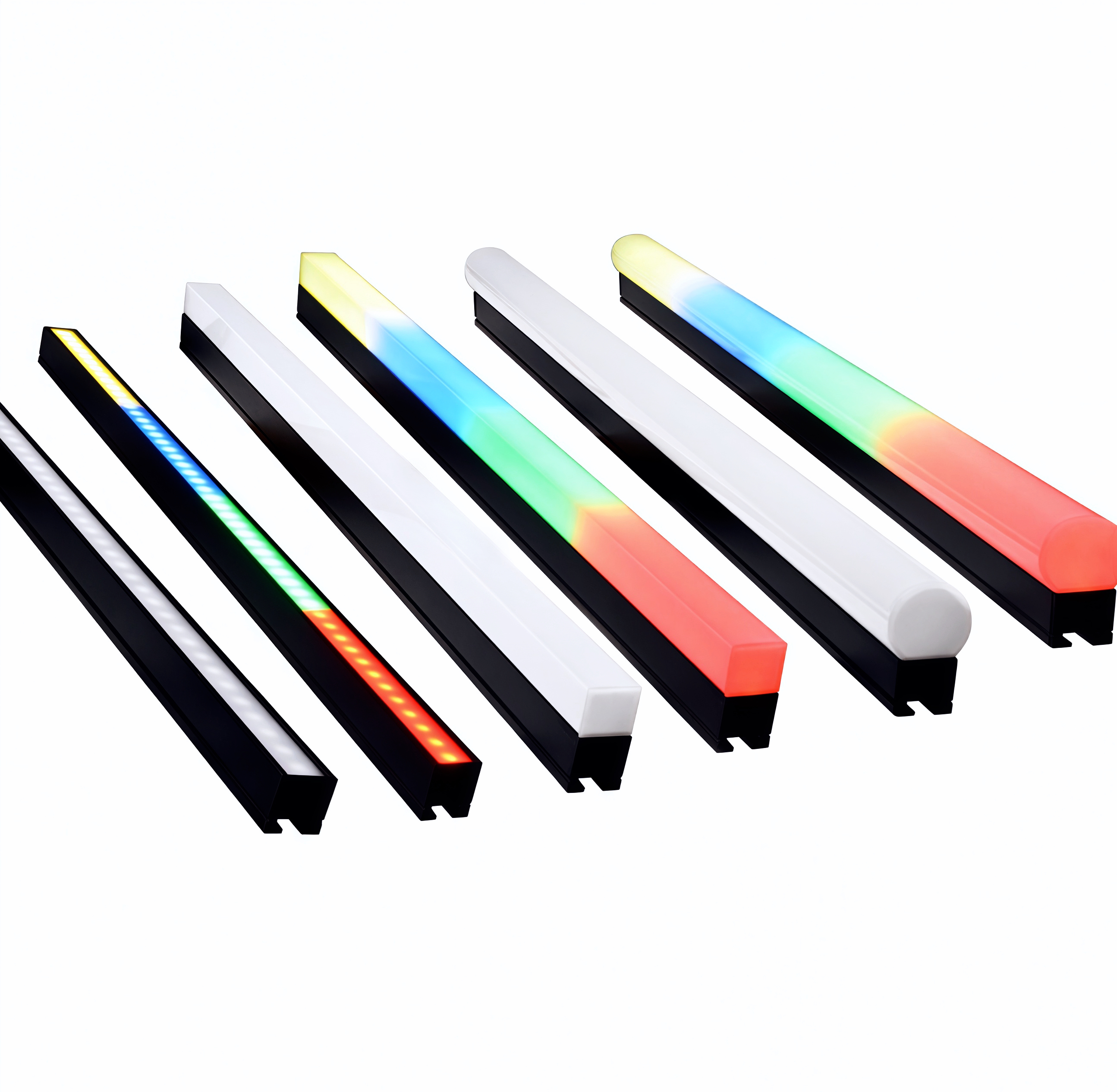
Overwater bungalows and coastal walkways in Majuro lagoon require subtle, continuous ambient illumination that tolerates direct saltwater splashing and high humidity. Utilizing Fuvin’s D22 360° Round Luminous Silicone Neon creates homogenous, dot-free 360-degree halo lighting along boardwalk railings and timber piers without visible dark spots or corrosion on end-connectors.
Marine docks experience intense mechanical vibration from tidal action and boat moorings. Fuvin’s 24V UCS2904 RGBW Point Lights and heavy-duty silicone neon strips provide shock-resistant, low-voltage (DC24V) operation. This eliminates high-voltage electrocution hazards over water while delivering addressable perimeter lighting for night navigation.
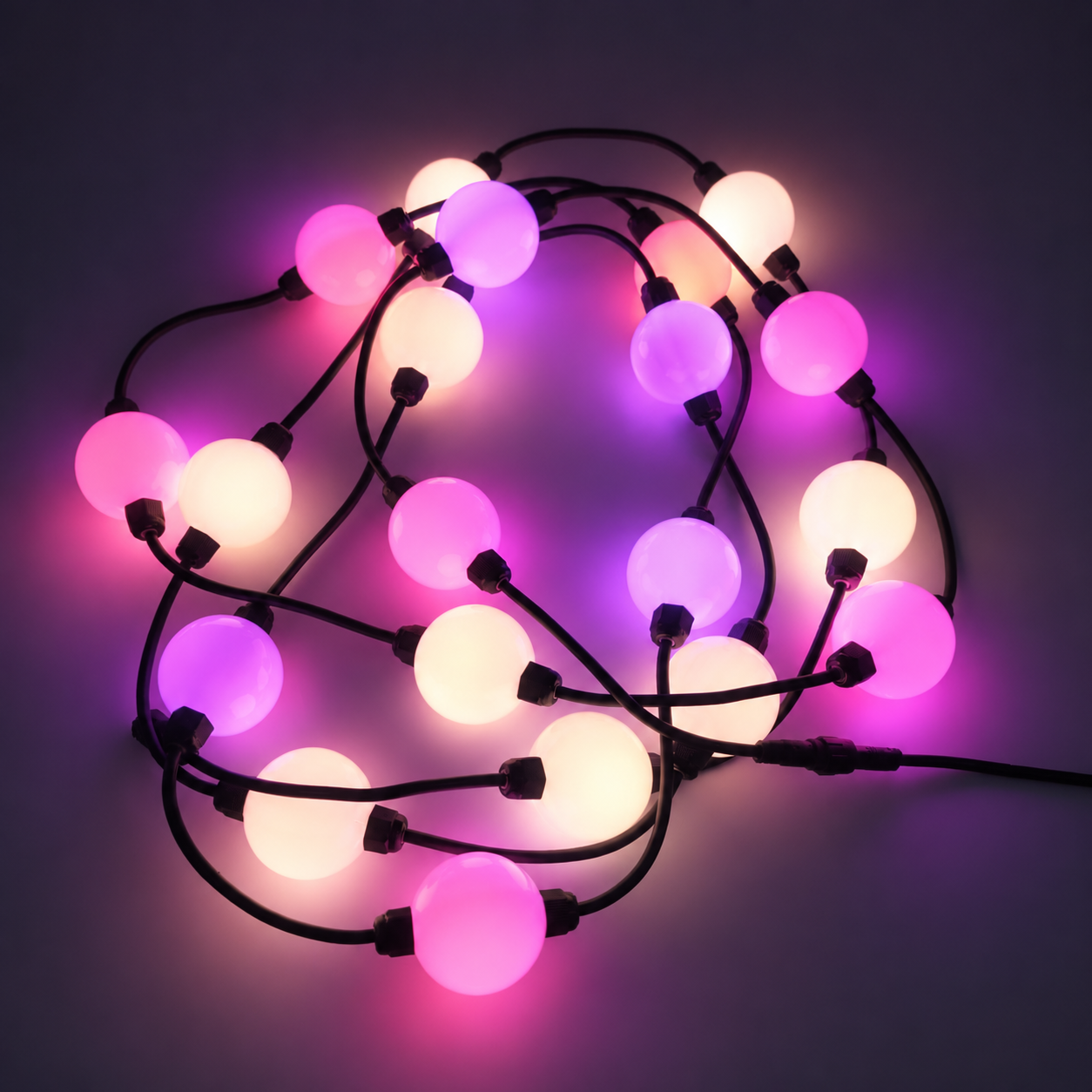
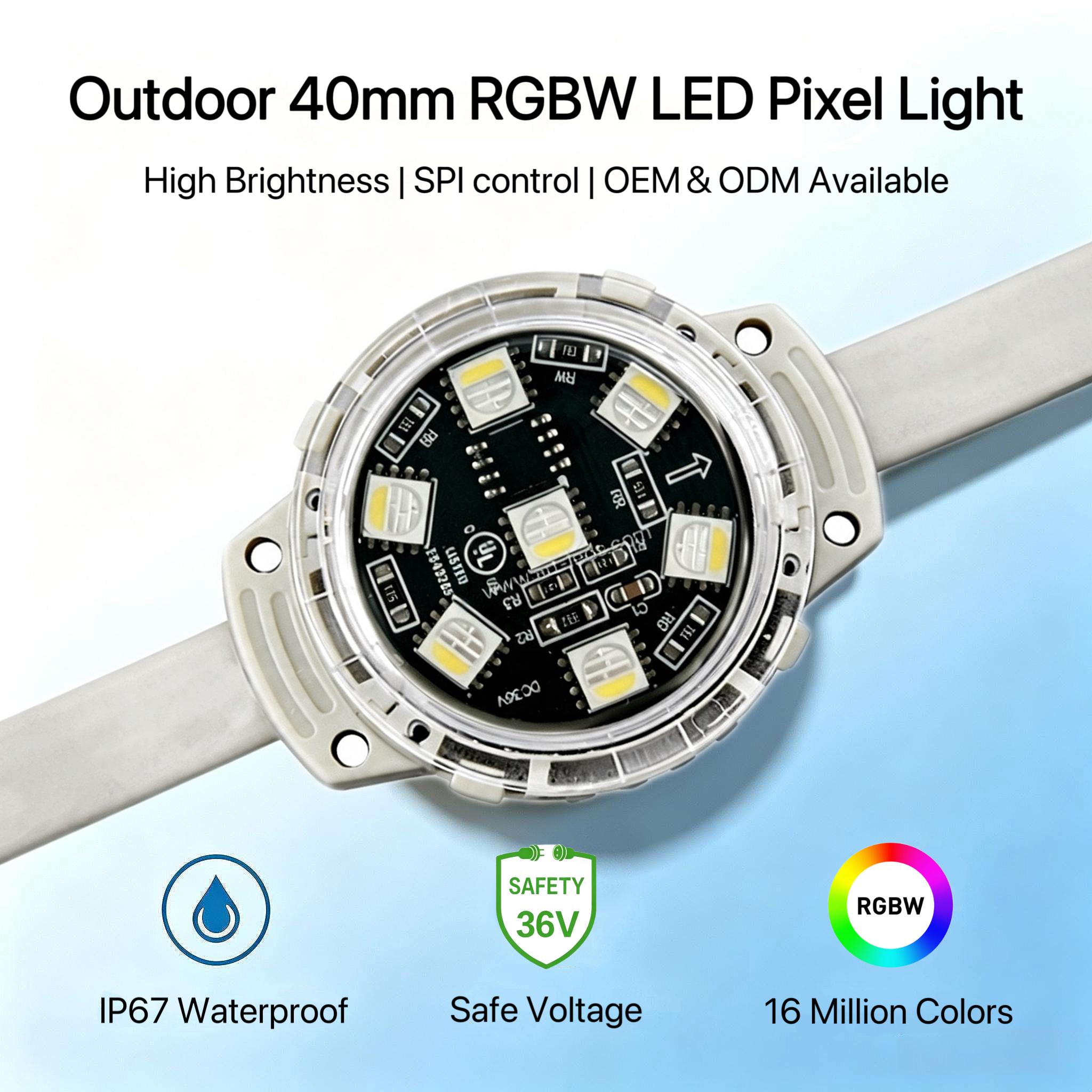
Government buildings and public gathering centers in Ebeye require reliable roof outline lighting that withstands annual typhoon wind-driven rains. Fuvin’s DC36V 40mm UCS2904 LED Pixel Point Lights utilize molded IP67/IP68 silicone housings that allow long continuous single-feed runs up to 30 meters without significant voltage drop.
Key economic, technical, and environmental drivers shaping procurement choices across Micronesia.
Due to the high cost of diesel-generated municipal electricity on Majuro and outer islands, resorts and private infrastructure projects are rapidly pairing architectural LED systems with off-grid battery/solar microgrids. This shift drives demand for stable DC24V and DC36V digital pixel neon products with wide operating voltage tolerances (±10%) to withstand battery voltage fluctuations without flicker or IC shutdown.
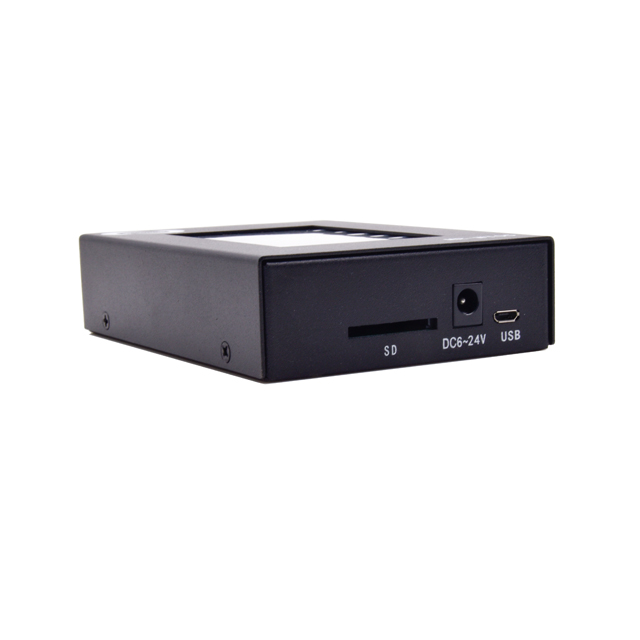
As luxury eco-tourism grows in the Pacific, hospitality operators are investing in dynamic light shows synchronized with sound and oceanfront events. Using handheld DMX writers like the MR-WT35 Touch Screen RDM Writer allows local resort technicians to address, test, and reconfigure individual DMX512 pixel neon fixtures on-site without complex software setups.
Shenzhen Fuvin Led Technology Co., Ltd. delivers direct factory engineering, rigorous quality testing, and reliable export logistics to the Marshall Islands.
Verified by SGS Group onsite, confirming our specialized SMT production lines, silicone extrusion facilities, and strict 12-step QA/QC workflows.
Every batch of pixel neon flex undergoes 24 to 48 hours of continuous powered burn-in aging and rigorous salt fog spray testing prior to vacuum packaging.
We provide custom PCB copper thickness (3oz/4oz), customized cut lengths, pre-soldered marine IP68 water-tight connectors, and vacuum-sealed export cartons.
Addressing procurement, shipping logistics, technical specs, and installation questions for local contractors and importers.
Contact Fuvin LED today for a custom quote, technical specification sheet, or sample pack engineered for the Marshall Islands environment.
 Shenzhen, Guangdong, China