Tested for severe Pacific Northwest moisture, UL/cUL compliance, and seamless ArtNet/DMX/SPI control integration.
An in-depth evaluation of UCS2904 RGBW protocol performance, weatherization standards, and supply chain strategies for Seattle integrators, lighting designers, and electrical contractors.
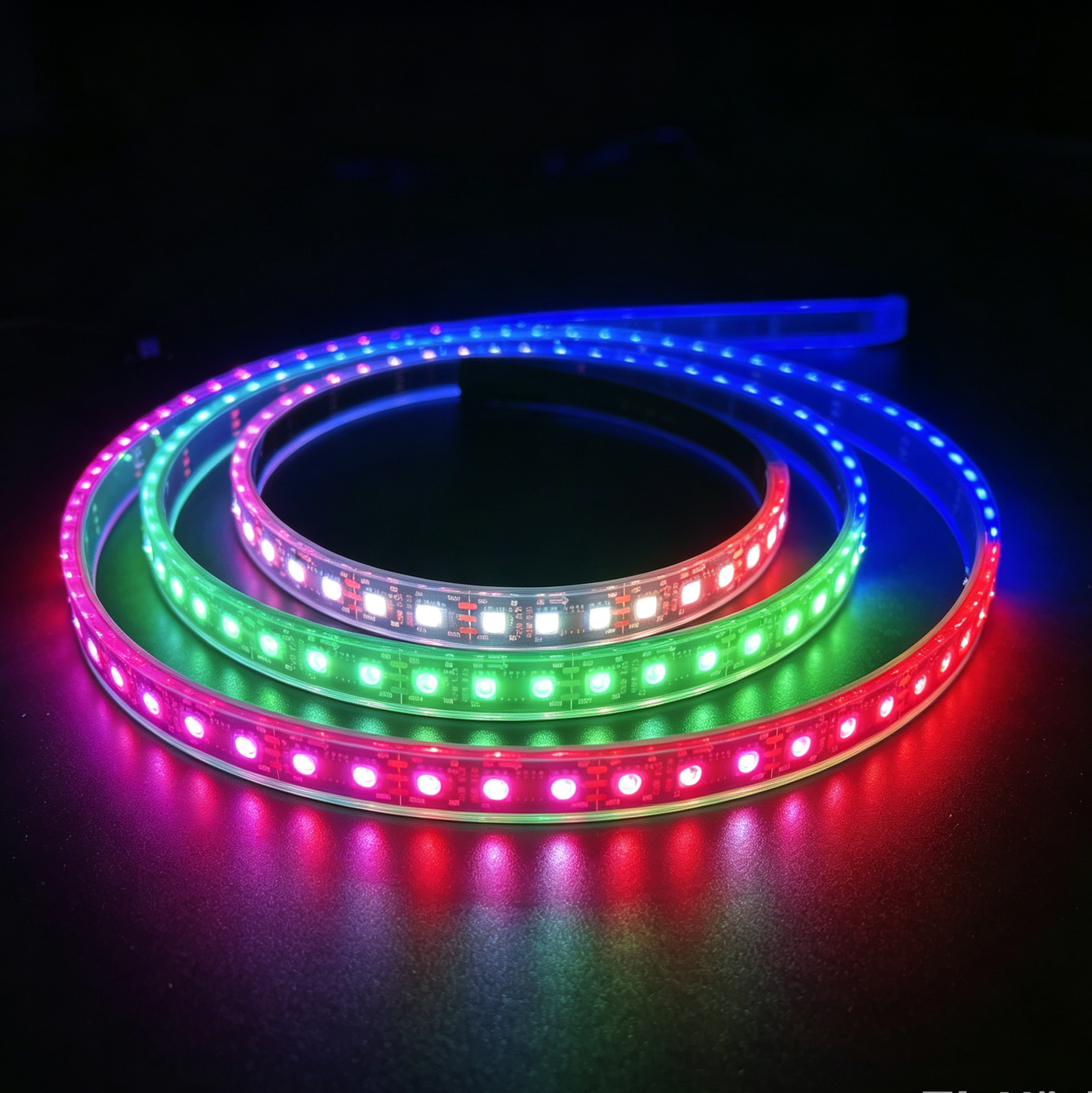
The commercial lighting landscape across Greater Seattle—spanning downtown corporate headquarters in South Lake Union to hospitality developments along the Puget Sound waterfront—has undergone a decisive paradigm shift. Standard 3-channel (RGB) addressable strips are rapidly being phased out of specification documents in favor of 4-channel (RGBW) protocol architectures. At the heart of this technical transition is the UCS2904 IC, an advanced single-line 4-channel LED driver circuit engineered specifically for high-density dynamic tape and architectural linears.
Traditional RGB addressable strips generate functional "white light" by mixing Red, Green, and Blue diodes at equal intensity. This process yields an inefficient white with a poor Color Rendering Index (CRI < 60), high power draw, and an unappealing blue-magenta hue. The UCS2904 IC solves this fundamental limitation by incorporating an independent 4th PWM channel dedicated exclusively to driving a true white LED element (available in 2700K warm white, 4000K neutral white, or 6000K daylight white).
For Seattle architectural specifiers governed by strict local energy compliance (such as the Seattle Energy Code and Washington State Energy Code SBCC), the operational efficiency gained by using a native white diode under the control of a UCS2904 IC allows lighting designers to achieve pure, high-CRI white ambient illumination during standard business hours, then transition to dynamic color-chasing media facade effects at night—without installing two parallel linear fixtures.
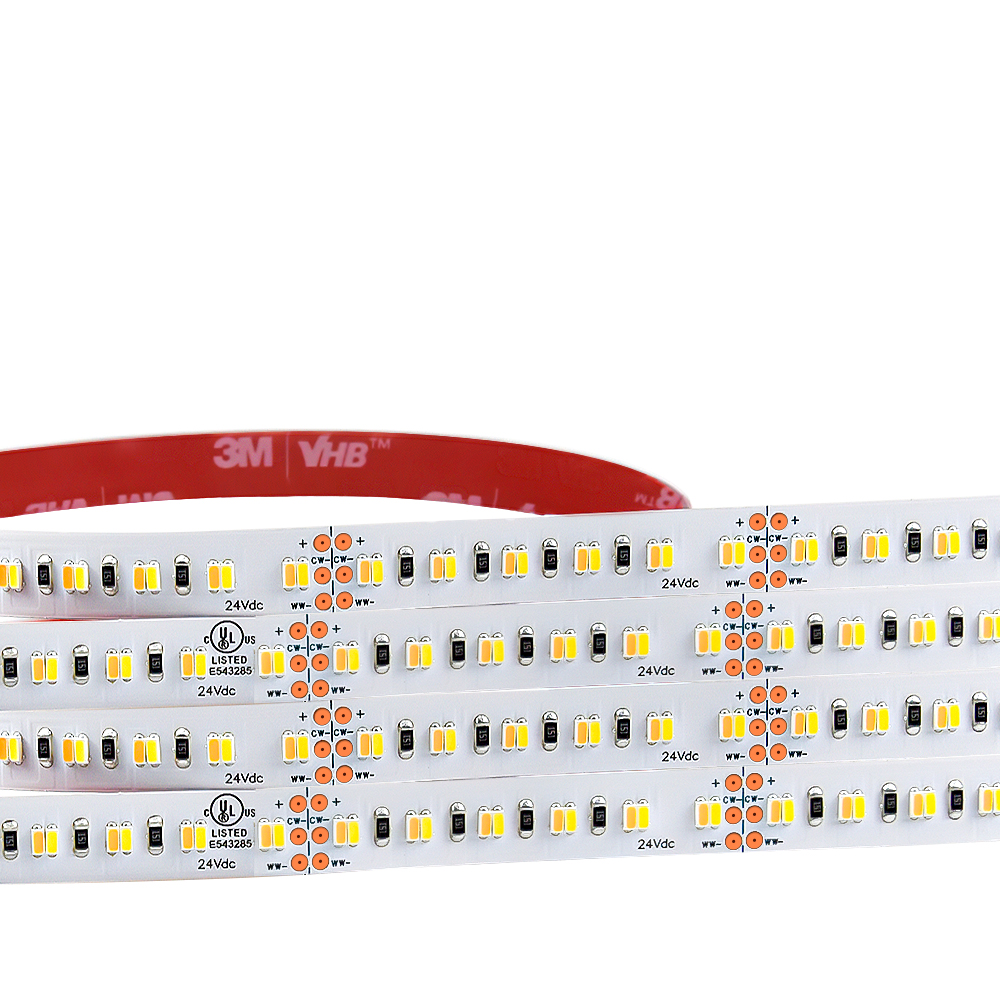
Operates on 24V DC input, allowing continuous runs up to 10 meters without visible voltage drop or color shift, reducing power injection points by 50% compared to 5V/12V legacy systems.
Features an internal data transmission rate of 800 kbps and high PWM refresh rate, preventing flickering when captured on broadcast cameras, security systems, and mobile video devices.
Each UCS2904 IC automatically reshapes the SPI data signal before cascading it to the next pixel node, preventing cumulative signal distortion over complex linear layouts.
When specifying pixel LED tape for large-scale Pacific Northwest installations, choosing the correct integrated circuit is vital to balancing system cost, control complexity, and long-term reliability. Below is an engineering comparison matrix curated by our technical team at Shenzhen Fuvin Led Technology Co., Ltd.:
| Driver IC Model | Channel Configuration | Operating Voltage | Grayscale Depth | Signal Transmission | Primary Seattle Application |
|---|---|---|---|---|---|
| UCS2904 | RGBW (4 Channels) | 12V / 24V DC | 8-bit (256 steps) | Single-wire SPI (800kHz) | Commercial coves, building outlines, marine hospitality |
| UCS8904 | RGBW (4 Channels) | 5V / 12V / 24V DC | 16-bit (65,536 steps) | Dual/Single-wire SPI | Broadcast studios, theater stages, smooth dimming low-light |
| SK6812 RGBW | RGBW (4 Channels) | 5V / 12V DC | 8-bit (256 steps) | Single-wire SPI | Short-run custom displays, cabinet backlighting, DIY props |
| WS2814 | RGBW (4 Channels) | 12V / 24V DC (COB / SMD) | 8-bit (256 steps) | Single-wire SPI (Break-continue) | Continuous dot-free COB linear lighting along glass railings |
| DMX512 (UCS512) | RGB / RGBW / WWA | 12V / 24V / 36V DC | 8-bit / 16-bit | Differential RS-485 | High-rise building facades, city bridges, mega stadium arrays |
Engineering Takeaway: While 16-bit ICs like the UCS8904 excel in stage environments where smooth dimming down to 0.1% is mandatory, the UCS2904 remains the indisputable workhorse for architectural and commercial projects in Seattle due to its optimal balance of 24V power efficiency, robust SPI performance, and cost-per-meter value.
From damp coastal humidity along Elliott Bay to freezing winter rains, custom-engineered UCS2904 RGBW pixel strips deliver unyielding durability.
Seattle’s waterfront developments, pier structures, and floating homes on Lake Union require extreme moisture resistance. Standard IP65 spray-coated silicone degrades rapidly under continuous dampness. We manufacture UCS2904 RGBW strips utilizing solid IP67/IP68 integrated silicone extrusion tubes with hydrophobic end caps. This eliminates air gaps inside the sleeve, preventing condensation buildup during thermal cycling in damp winter months.
Seattle tech headquarters demand refined interior aesthetics with zero visible LED hot-spots. By combining high-density UCS2904 60-LEDs/m or 84-LEDs/m strips with deep aluminum profiles and opal diffusers, electrical contractors create fluid ambient lines that dynamically change scenes based on corporate events, daylight availability, or seasonal displays.
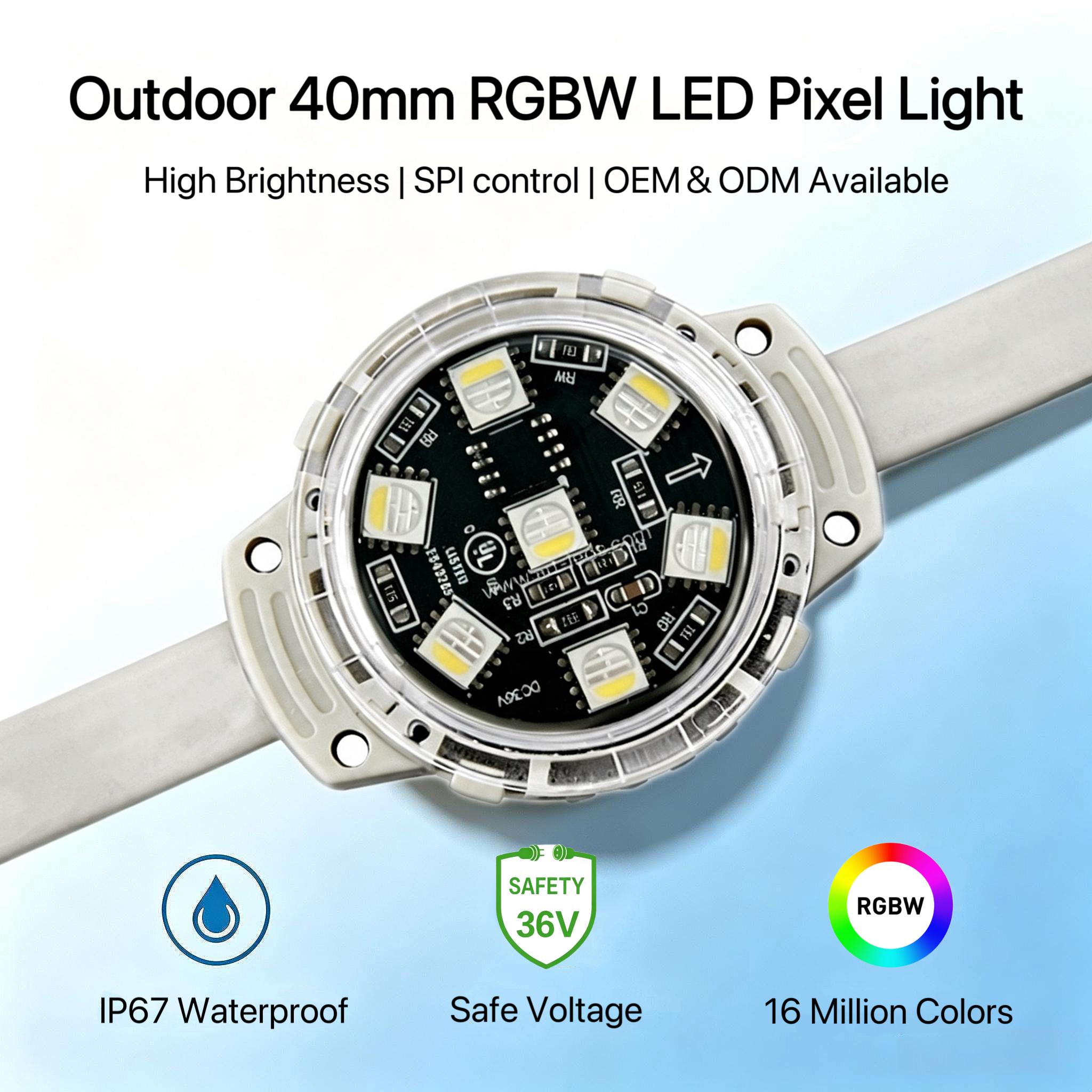
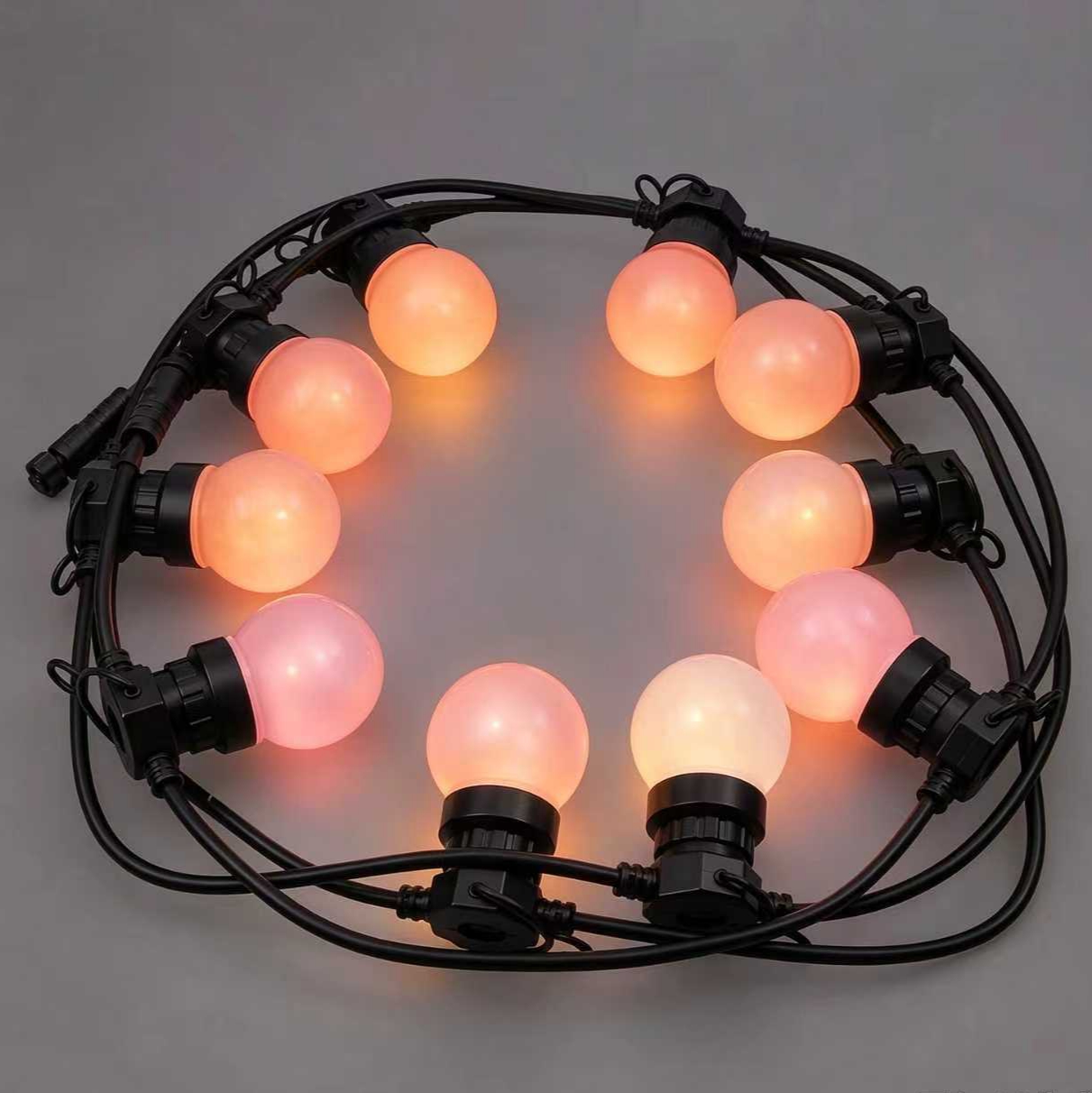
Property management companies in Belltown, Capitol Hill, and Redmond are replacing temporary holiday light hangers with permanent, architecturally color-matched UCS2904 36V / 24V Pixel Point Lights and neon flex. Controlled via ArtNet/DMX hardware, these systems operate as subtle 3000K warm white architectural outline lighting year-round, turning into synchronized dynamic light shows for game days and events.
In long-distance outdoor runs exposed to Seattle rain, signal reflection and voltage attenuation can cause pixel flicker. Always route a common ground (GND) wire alongside the DAT line back to the SPI controller. For 24V UCS2904 strips, inject power every 10 meters (or at both ends of a 10m reel) using 16AWG marine-grade copper wire and waterproof solder-seal wire connectors to ensure pristine color uniform white performance.
Bridging the gap between Shenzhen precision engineering and Pacific Northwest project delivery with SGS-verified quality assurance.
Our manufacturing facility in Shiyan, Shenzhen has been audited onsite by SGS Group. We operate dedicated automatic SMT lines, ultrasonic neon welding stations, and automated vacuum-sealing lines.
We supply full compliance documentation required by Seattle Department of Construction and Inspections (SDCI) plan reviews, including UL/cUL listing numbers and CE/DoC certs.
Unlike standard 1oz/2oz trade tapes, our premium UCS2904 strips utilize 3oz double-sided rolled copper flexible PCBs to lower line resistance, mitigate voltage drop, and enhance heat dissipation.
Every meter of UCS2904 RGBW LED strip shipped to the Seattle market undergoes a meticulous 12-stage manufacturing and testing protocol:
Clear answers regarding shipping, engineering specifications, control protocol matching, and electrical codes.
Partner directly with Shenzhen’s premier addressable pixel manufacturer. Get factory-direct pricing, custom engineering support, and sample reels delivered to your office.
 Shenzhen, Guangdong, China